
 PC ATS YECT1-2000G
 PC ATS YES2-63~250GN1
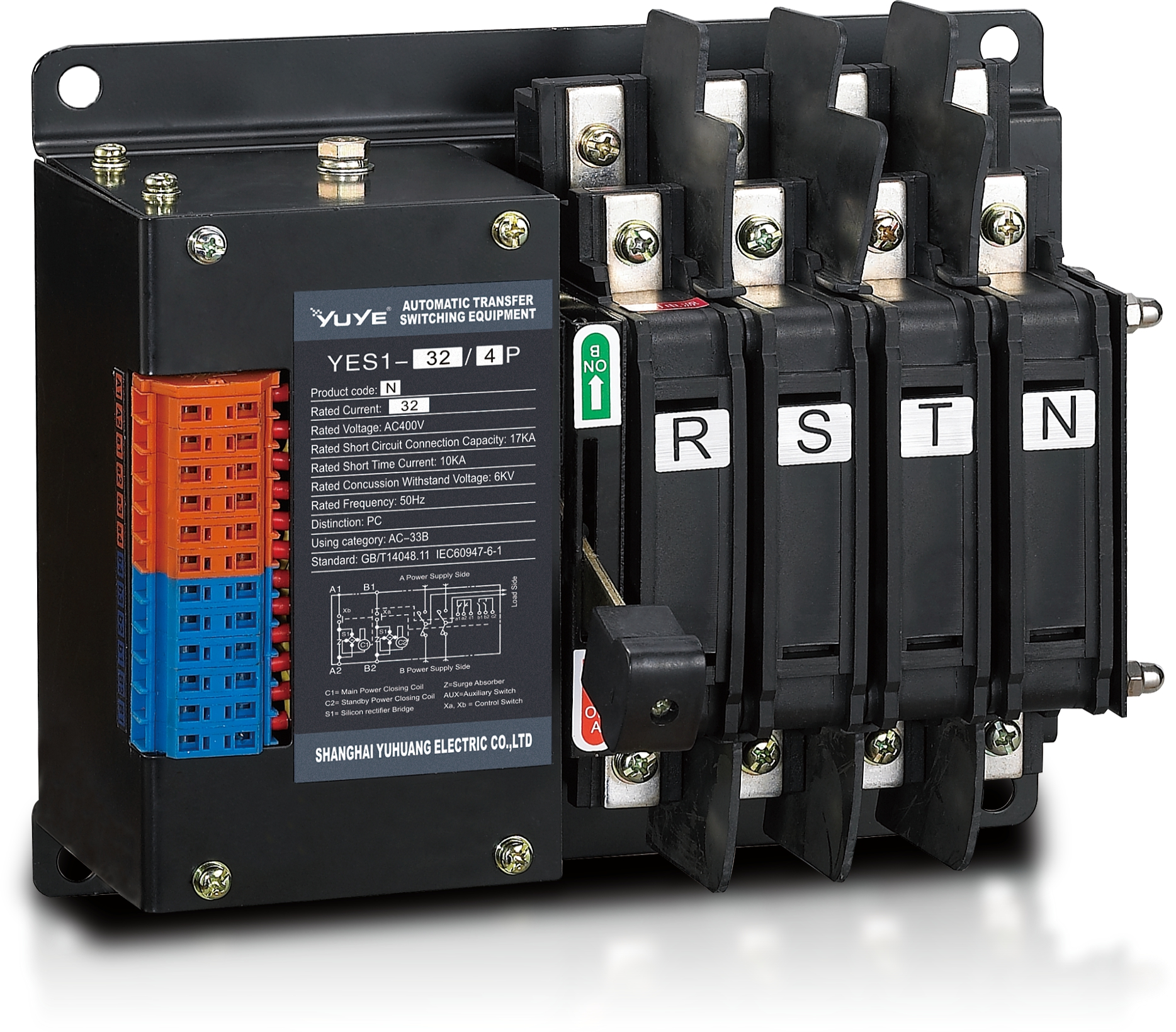 Solenoid-type ATS YES1-32~125N
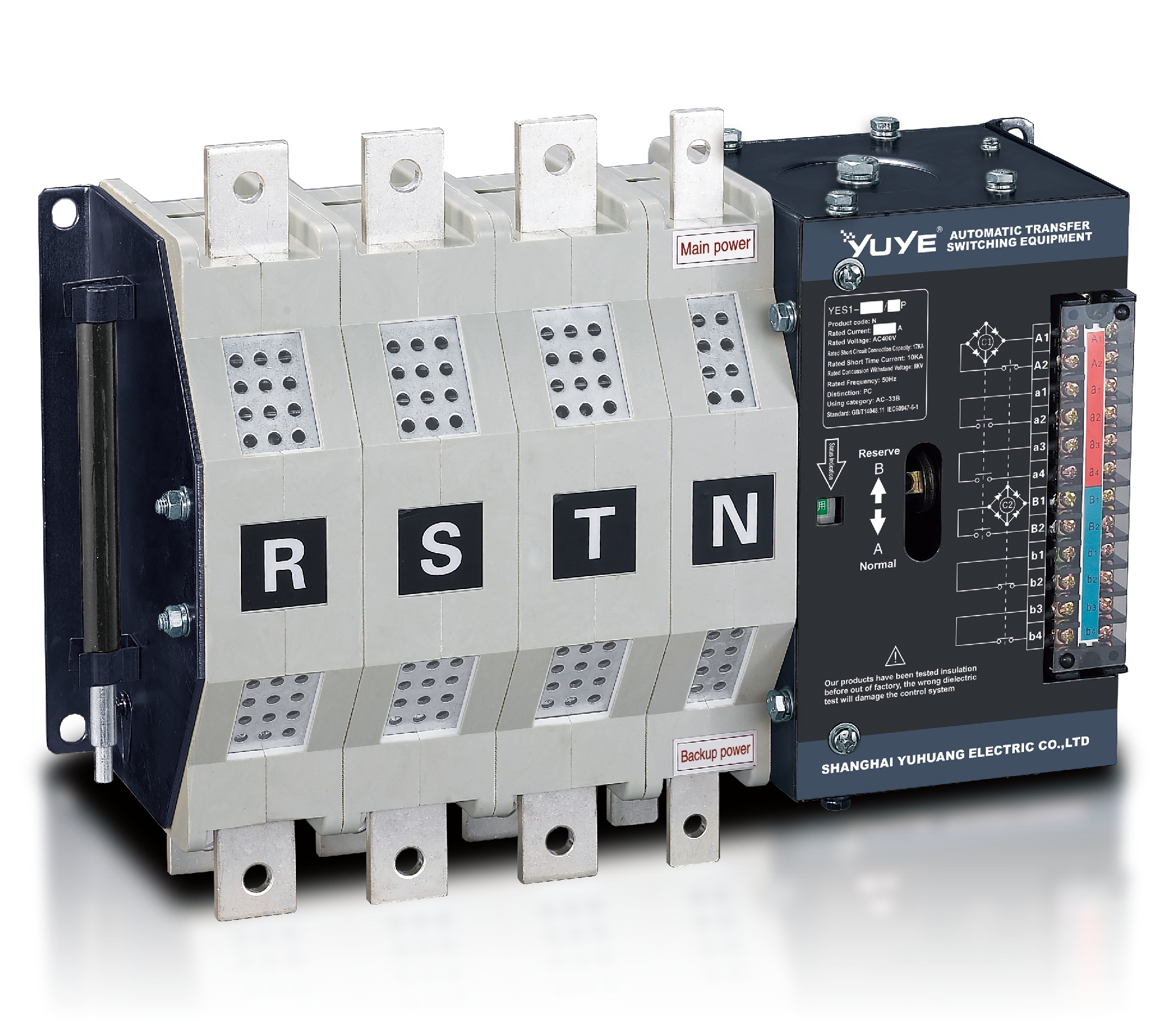 Solenoid-type ATS YES1-250~630N/NT
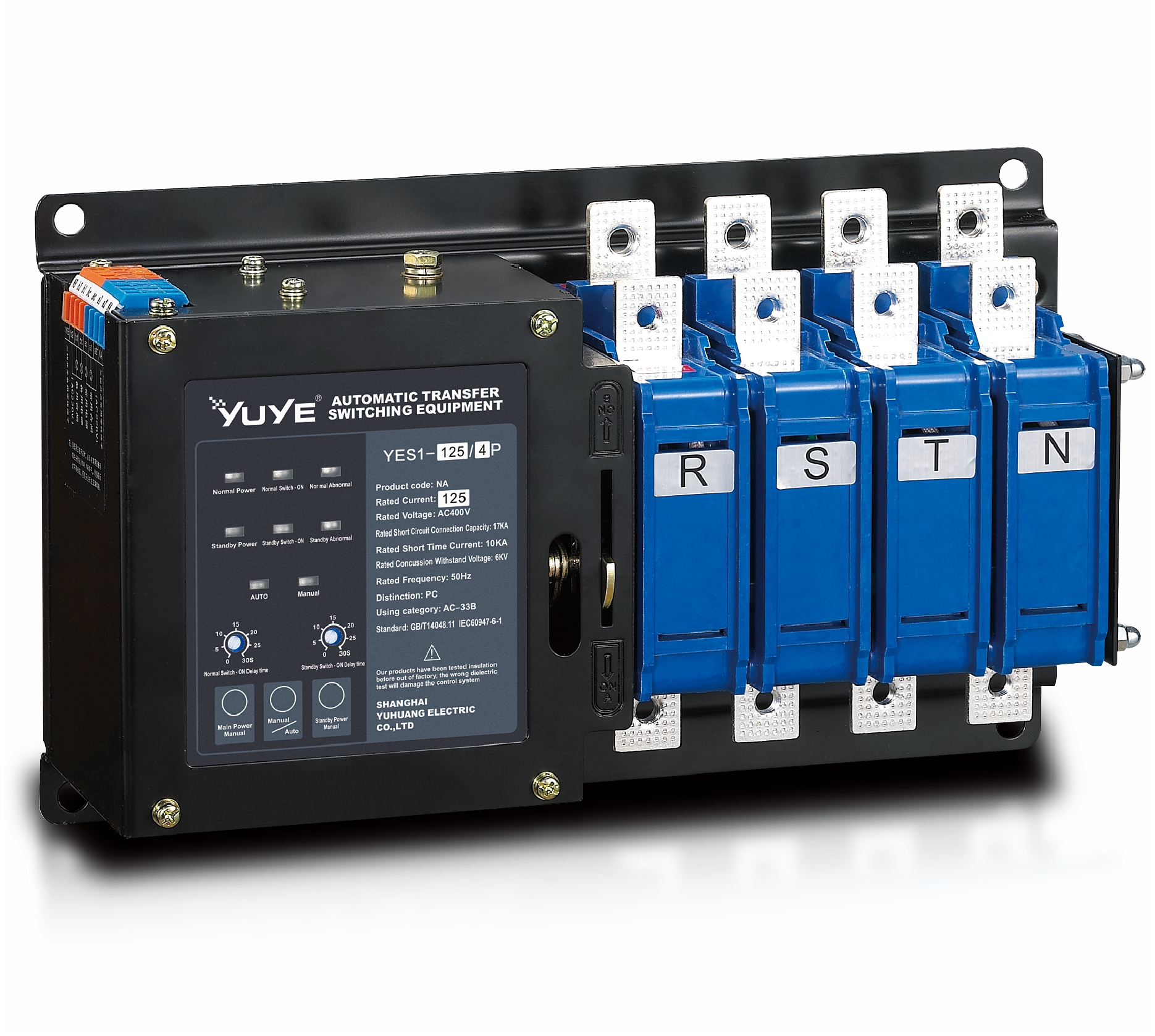 Solenoid-type ATS YES1-32~125NA
 Solenoid-type ATS YES1-63~630SN
 Solenoid-type ATS YES1-1250~4000SN
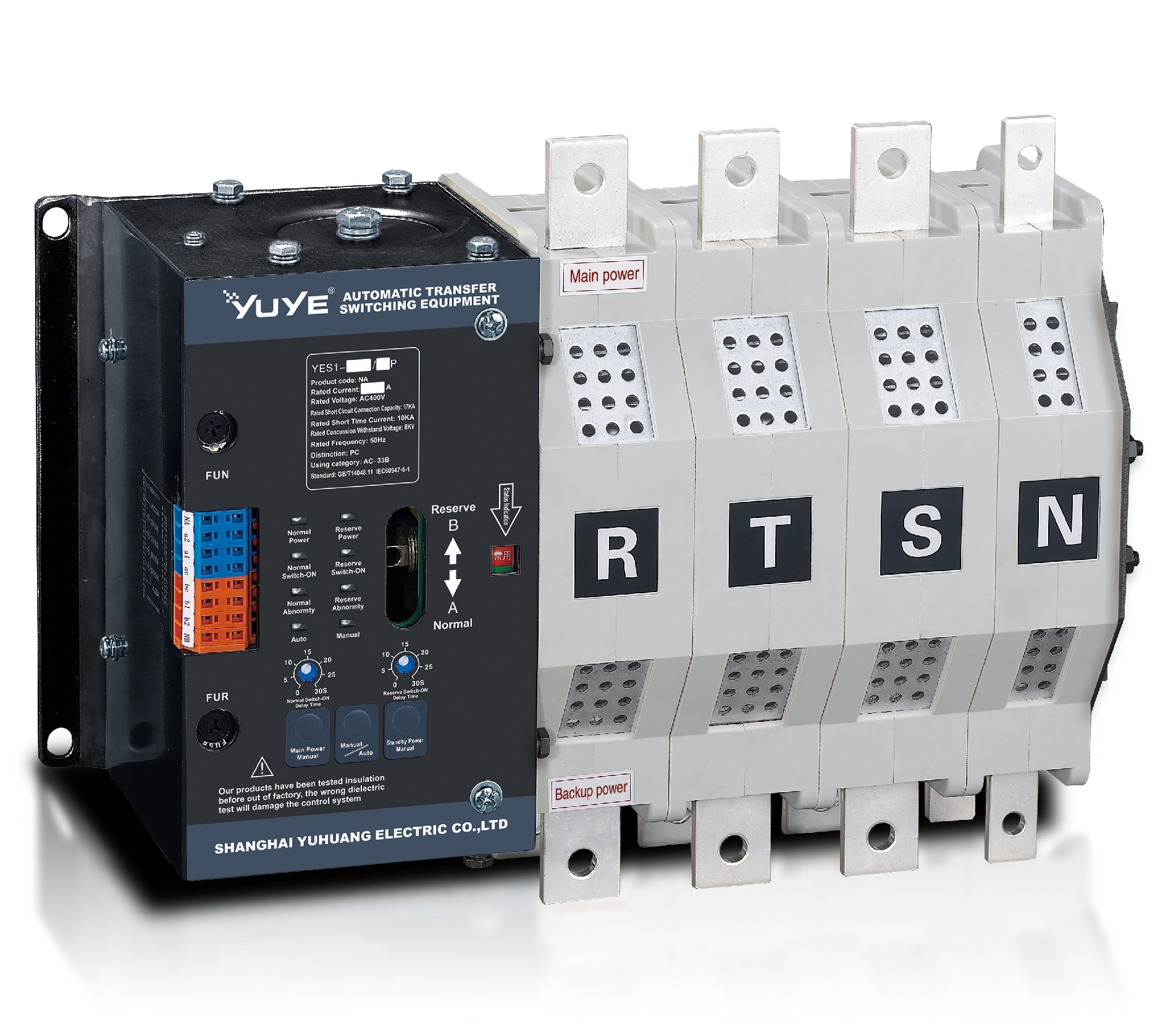 Solenoid-type ATS YES1-250~630NA/NAT
 Solenoid-type ATS YES1-63NJT
 PC ATS YES1-100~1600GN1/GN/GNF
 PC ATS YES1-2000~3200GN/GNF
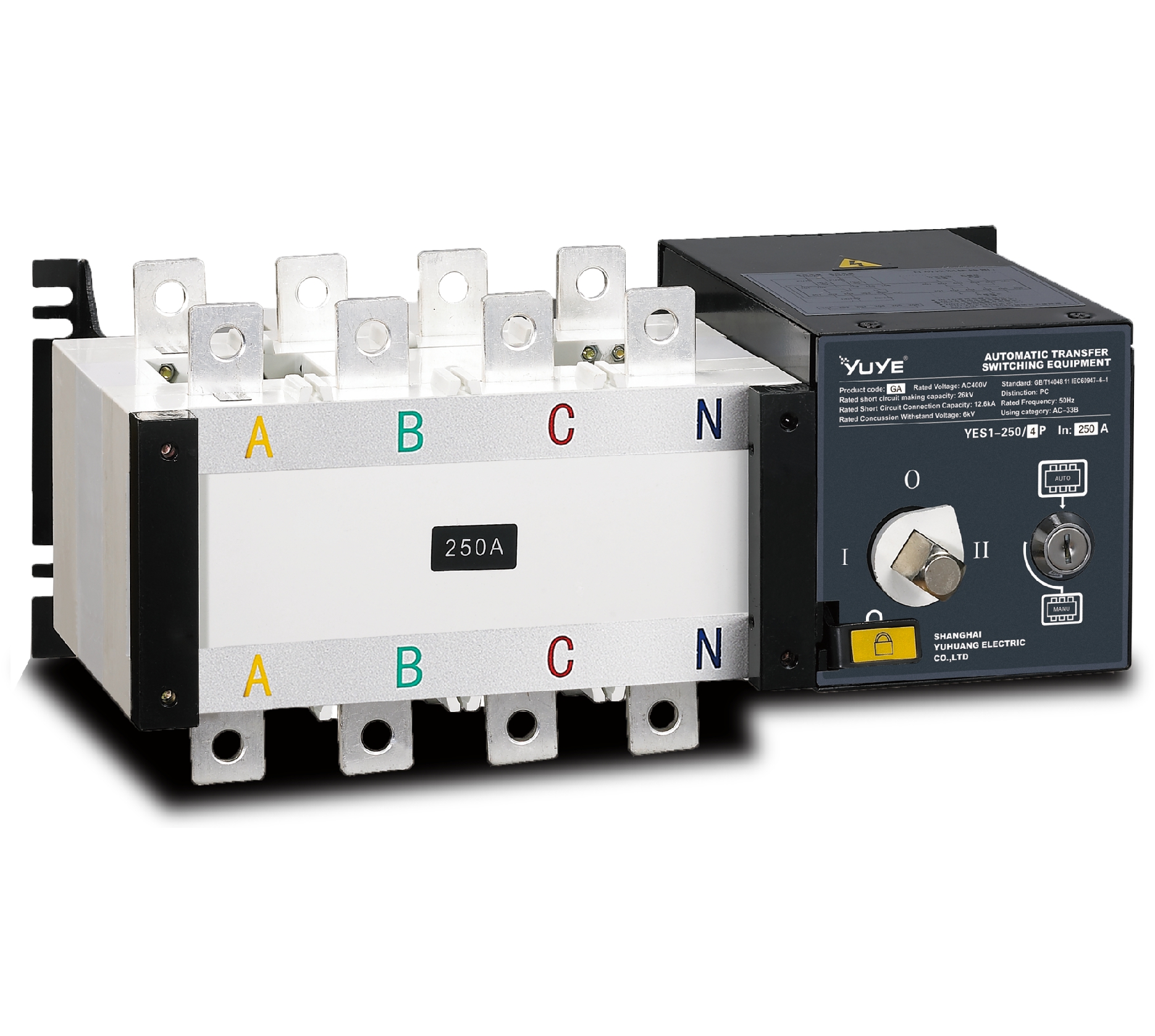 PC ATS YES1-100~3200GA1/GA
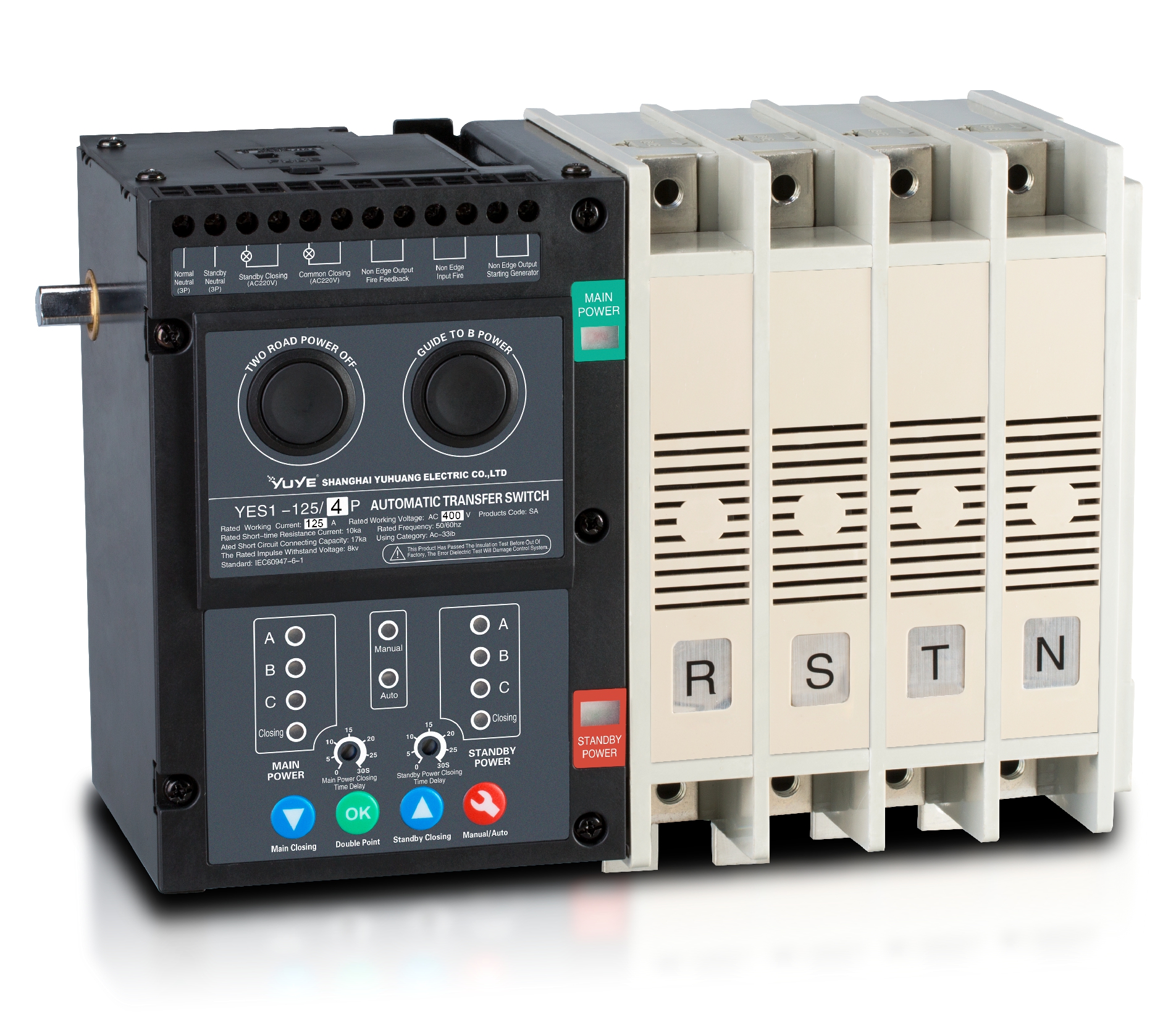 Solenoid-type ATS YES1-63~630SA
 Solenoid-type ATS YES1-63~630L/LA
 Solenoid-type ATS YES1-63~630LA3
 Solenoid-type ATS YES1-63MA
 PC ATS YES1-630~1600M
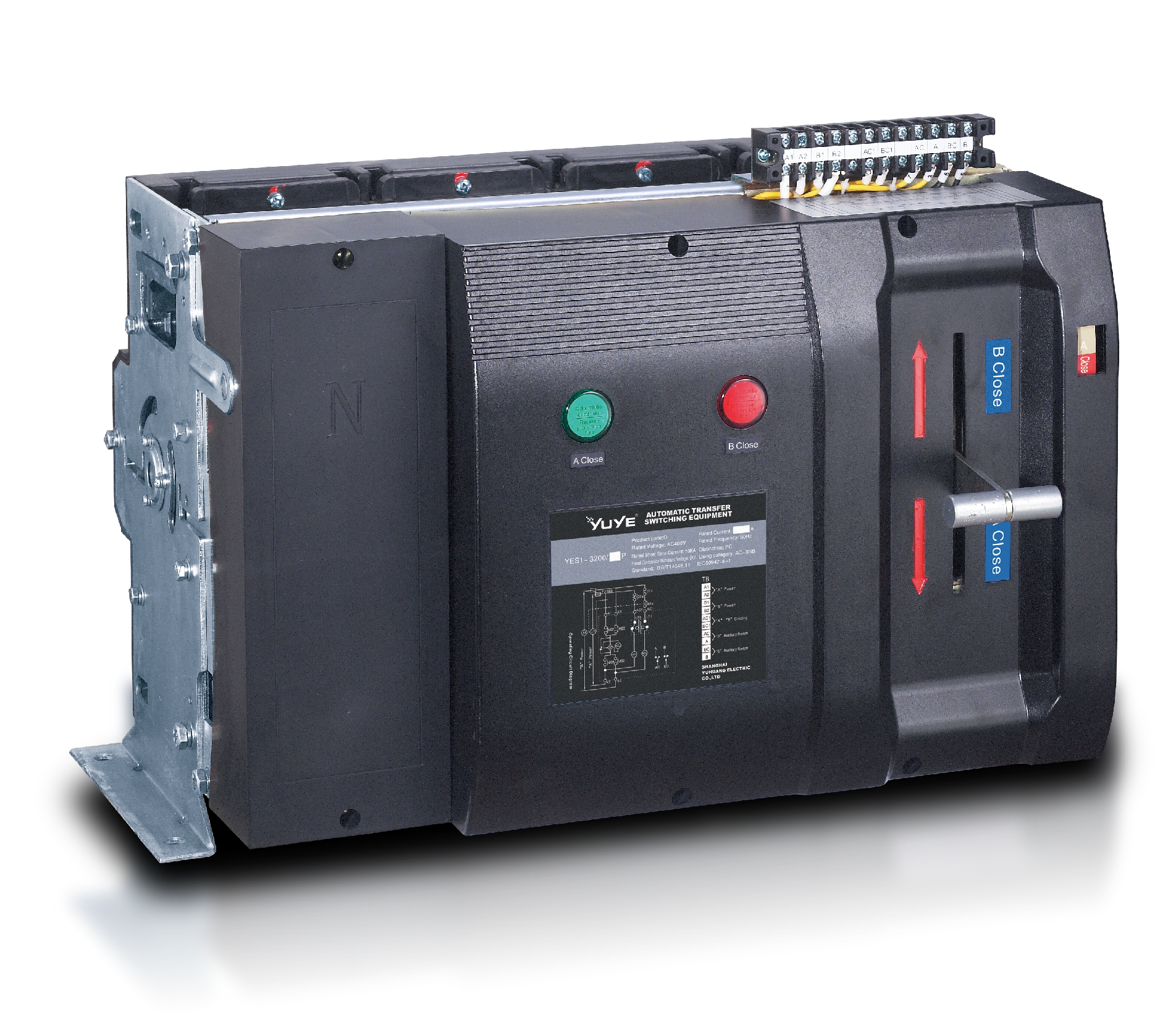 PC ATS YES1-3200Q
 Solenoid-type ATS YES1-4000~6300Q
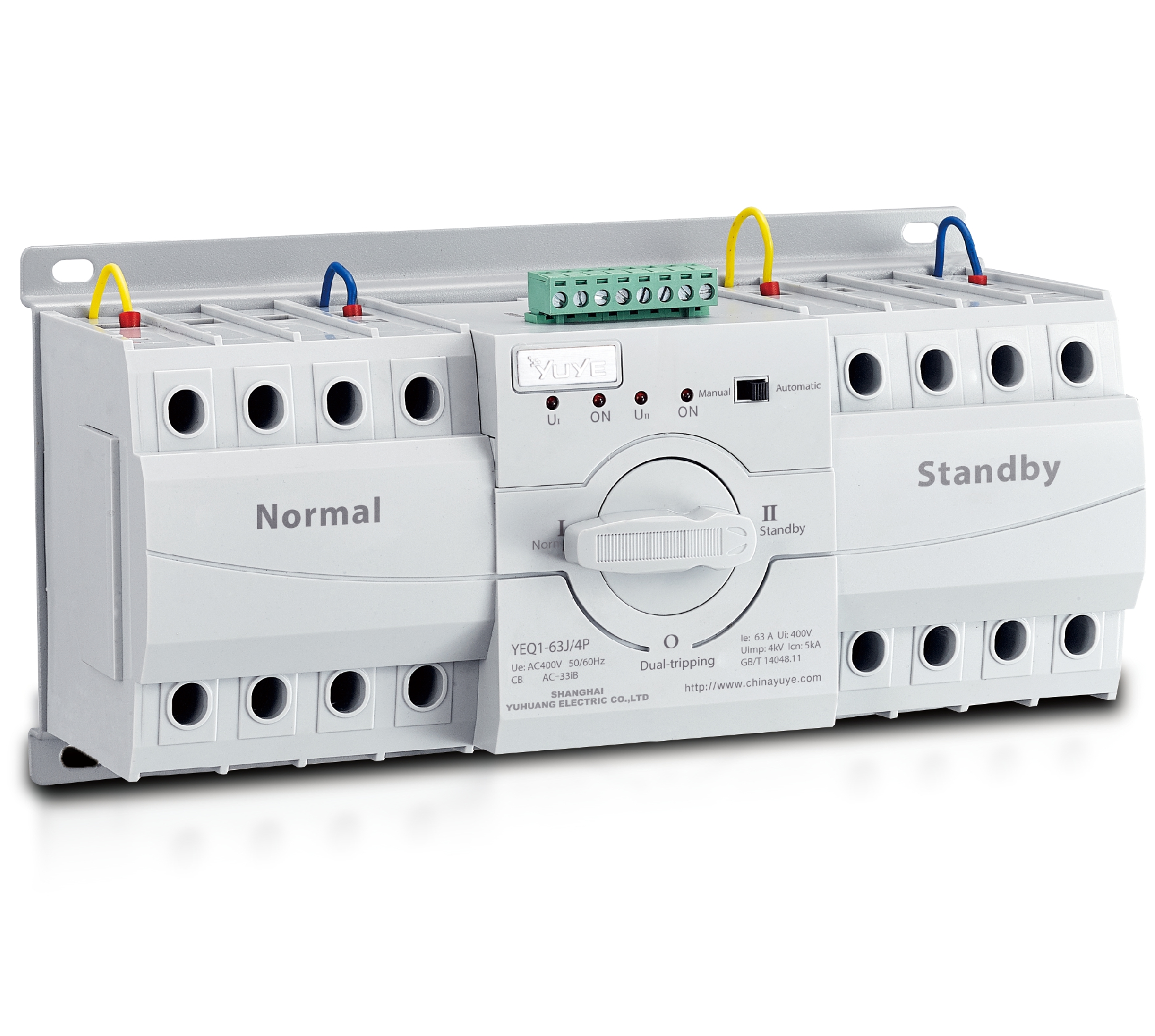 CB ATS YEQ1-63J
 CB ATS YEQ2Y-63
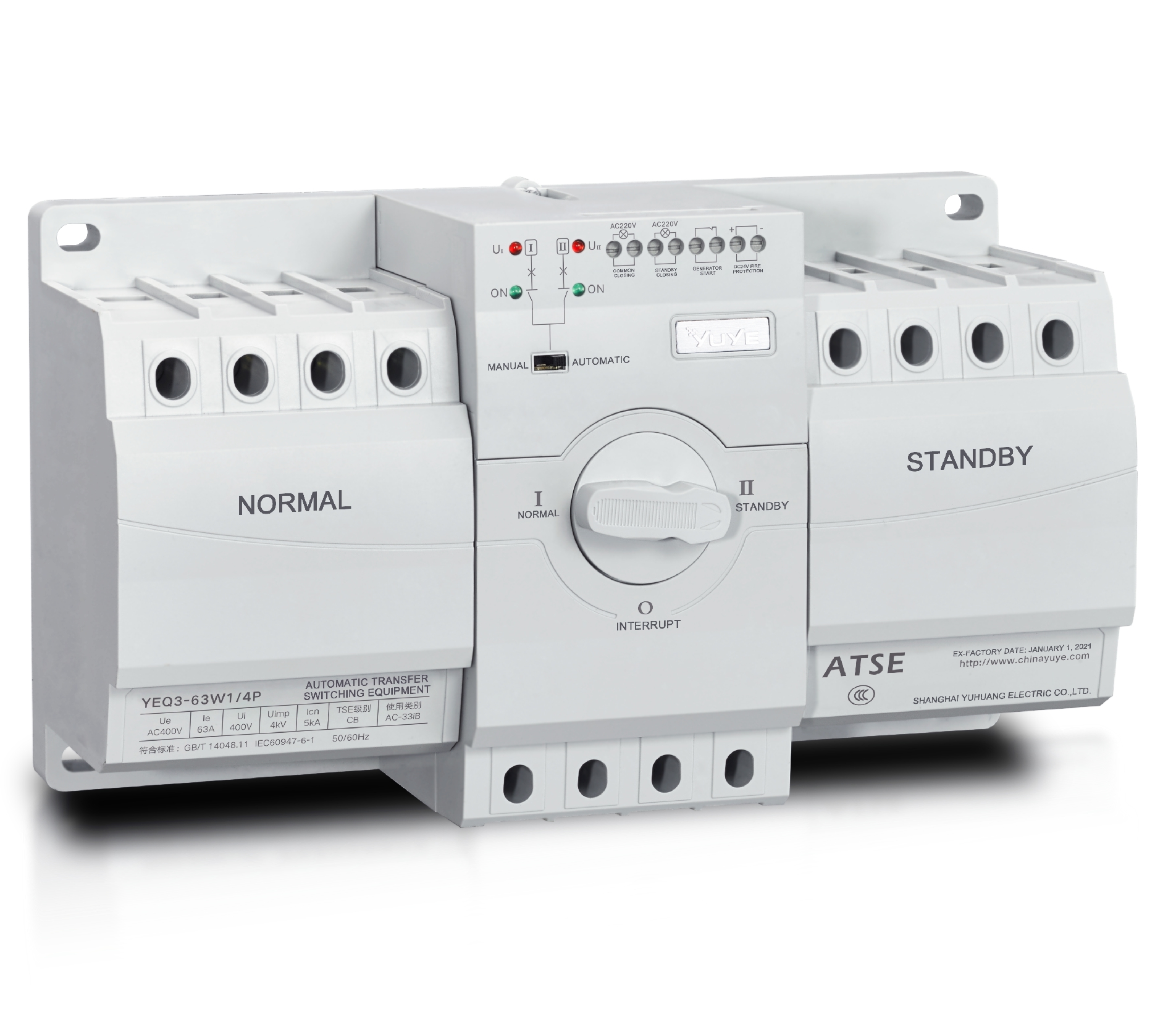 CB ATS YEQ3-63W1
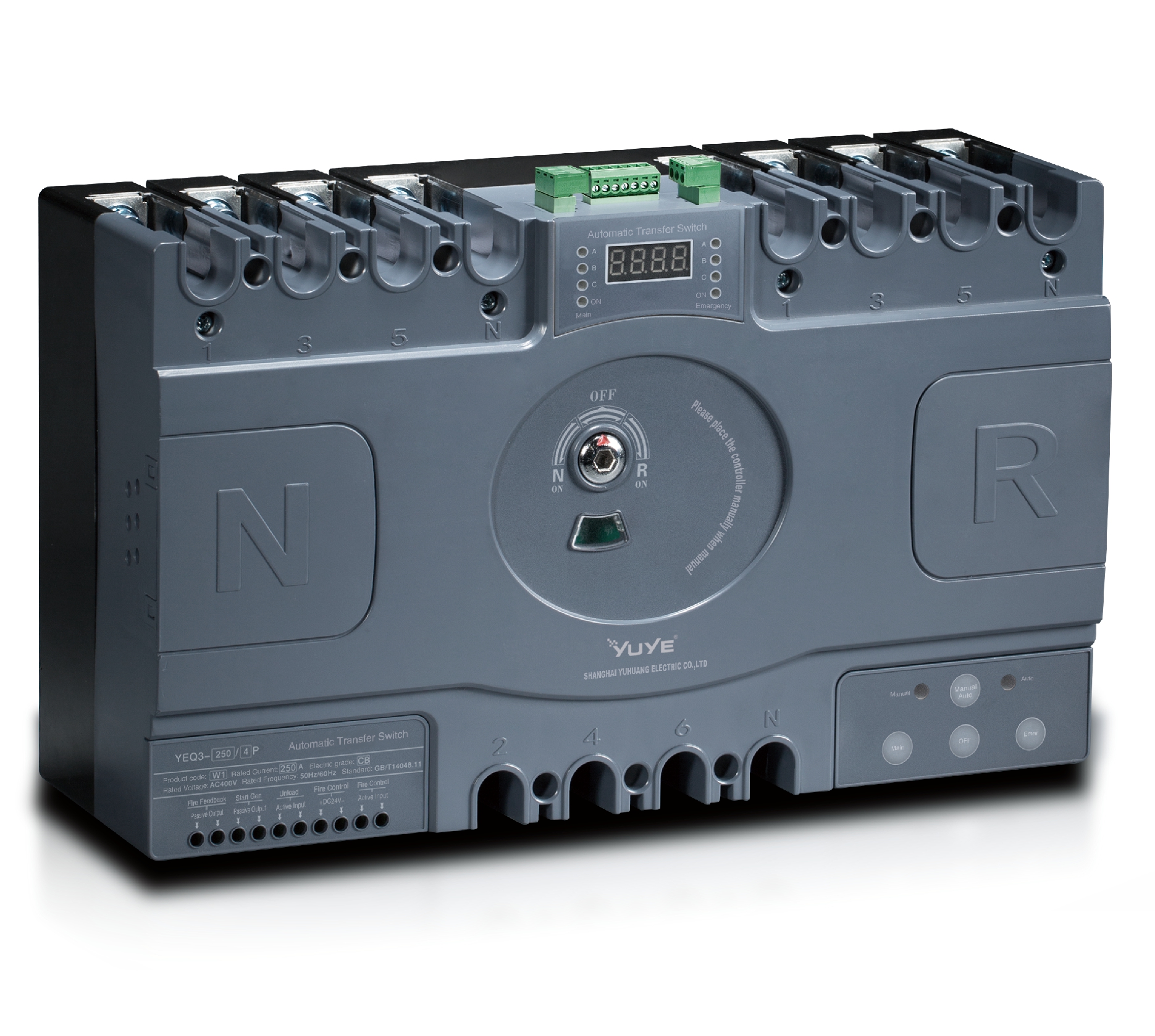 CB ATS YEQ3-125~630W1
 ATS controller Y-700
 ATS Controller Y-700N
 ATS Controller Y-701B
 ATS Controller Y-703N
 ATS Controller Y-800
 ATS Controller W2/W3 Series
 ATS switch Cabinet floor-to-ceiling
 ATS switch cabinet
 JXF-225A power Cbinet
 JXF-800A power Cbinet
 YEM3-125~800 Plastic Shell Type MCCB
 YEM3L-125~630 Leakage Type MCCB
 YEM3Z-125~800 Adjustable Type MCCB
 YEM1-63~1250 Plastic Shell Type MCCB
 YEM1E-100~800 Electronic Type MCCB
 YEM1L-100~630 Leakage Type MCCB
 Air Circuit Breaker YEW1-2000~6300
 Air Circuit Breaker YEW3-1600
 Miniature circuit breaker YEMA2-6~100
 Miniature circuit breaker YEB1-3~63
 Miniature circuit breaker YEB1LE-3~63
 Miniature circuit breaker YEPN-3~32
 Miniature circuit breaker YEPNLE-3~32
 Miniature circuit breaker YENC-63~125
 Load isolation switch YGL-63~3150
 Load Isolation Switch YGL2-63~3150
 DC relay YDC-P20
 DC relay YDC-P250
 DC relay YDC-P400
 DC relay MDC-300M
 DC relay YDC-M400
 DC Isolation Switch YEGL3D-630
 YECPS2-45~125 LCD
 YECPS-45~125 Digital
 CNC Milling/Turning-OEM
Introduction
ATS (Automatic Transfer Switch) controllers are core devices that ensure safe, uninterrupted power switching in industrial, commercial and civil power systems. Driven by the booming development of data centers, smart industrial parks and high-precision medical facilities, the market demands smarter, safer and more stable ATS power control solutions. In this context, Ats Controller Manufacturers continuously advance technological innovation and product iteration, driving the upgrading of the global ATS industry. This article summarizes the core technical breakthroughs, product optimization logic, market drivers and future development trends of mainstream ATS controllers.
1. Core Technical Breakthroughs Driving the Upgrade of Modern ATS Controllers
The upgrading of modern ATS controllers is mainly supported by three core technological breakthroughs in intelligent detection, safety protection and digital embedded technology, which fundamentally solve the performance defects of traditional products and adapt to complex power grid operation scenarios.
1.1 Intelligent detection and precise switching technology. Traditional ATS controllers suffer from delayed responses and misjudgments due to single detection logic. Current mainstream products adopt multi-dimensional dynamic identification algorithms for voltage, frequency and phase sequence, realizing millisecond-level precise switching. This effectively prevents power supply interruptions and equipment damage caused by grid fluctuations.
1.2 Iterative safety protection technology. On the basis of basic overvoltage, undervoltage and overload protection functions, updated ATS controllers integrate enhanced anti-electromagnetic interference and lightning protection designs. These upgrades enable stable operation in harsh industrial environments and fully comply with international low-voltage electrical safety standards.
1.3 Digital embedded technology innovation. Traditional single-chip controllers feature low efficiency and poor scalability. Ats Controller Manufacturers adopt high-performance embedded chips and optimized underlying control programs, greatly improving equipment response speed and operational stability. Digitalized operational data also lays a foundation for intelligent monitoring and fault diagnosis.
2. Product Iteration Logic and Optimization Paths of Leading ATS Manufacturers
The product iteration of ATS controllers follows scientific optimization logic centered on performance improvement, modular upgrading and international standard compliance, realizing targeted upgrades for practical market application scenarios.
2.1 Performance-oriented iteration. ATS products have evolved from basic switching functions to high-precision, low-power and high-stability products. New-generation controllers reduce energy consumption and failure rates, meeting the long-term continuous operation needs of industrial and commercial scenarios.
2.2 Modular structural optimization. Replacing traditional integrated structures, modern ATS controllers adopt modular design for control, detection and communication units. This design simplifies installation and maintenance, supports flexible function expansion, and effectively reduces post-operation costs.
2.3 Standard-compliant iteration. Leading manufacturers optimize products strictly in accordance with IEC 60947-6-1 and GB/T 14048.11 standards, ensuring global market adaptability and reliable engineering application quality.
3. Intelligent and Safe Innovation: New Development Direction of ATS Controller Products
Driven by smart grid and intelligent building development, intelligence and high safety have become the core innovation directions of ATS controllers. Manufacturers integrate IoT, cloud computing and intelligent diagnosis technologies to realize intelligent upgrading of traditional power control equipment.
3.1 Remote intelligent monitoring and control. Combined with cloud and IoT technology, new ATS controllers support real-time remote status monitoring, fault alarm and parameter adjustment, breaking on-site operation limitations and improving operation and maintenance efficiency.
3.2 Active fault diagnosis and self-protection. Different from traditional passive protection mechanisms, innovative ATS controllers can automatically identify grid fluctuations and potential equipment faults, triggering targeted protection strategies in advance to avoid secondary equipment damage and ensure stable power supply.
3.3 Optimized safety design. Updated products add isolation protection, leakage prevention and misoperation prevention functions, optimizing human-computer interaction and effectively reducing operational safety risks.
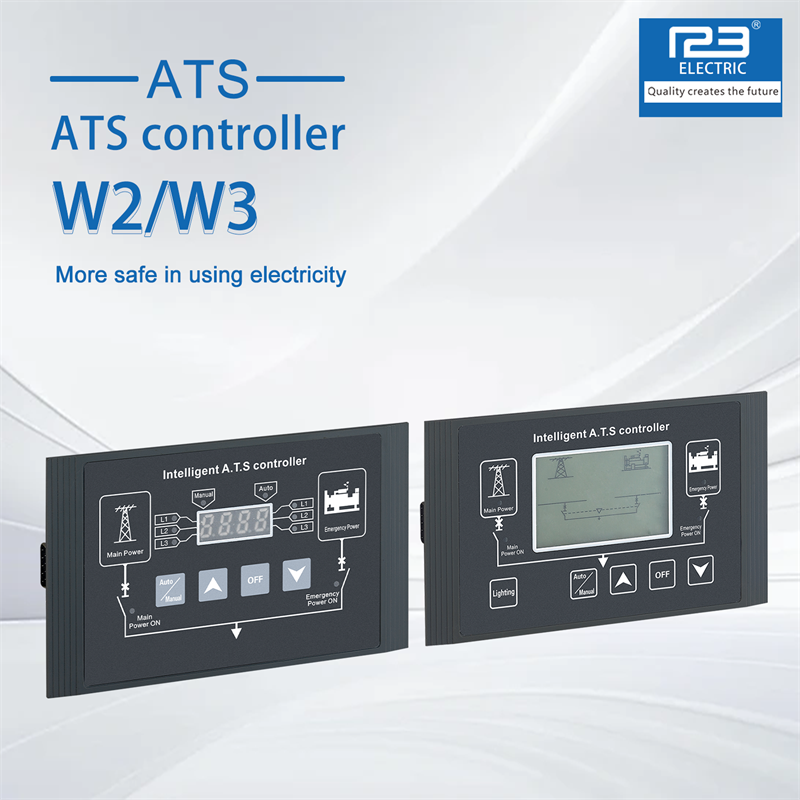
4. Market Demand Empowerment: How Top Manufacturers Realize Product Technology Upgrading
Terminal scenario demands and market competition are the core drivers of ATS controller technological upgrading. High-end scenario requirements and homogeneous industry competition force manufacturers to carry out differentiated product innovation and iteration.
4.1 High-end scenario demand upgrading. Data centers, medical and financial facilities require ultra-stable power supply, putting forward demands for fast switching and intelligent early warning of ATS controllers. The Asia-Pacific region, as a core data center construction base, occupies 42.1% of the global market, driving rapid product technology iteration.
4.2 Competition-driven technological reform. To solve industry homogenization problems, top manufacturers develop intelligent, safe and energy-saving customized ATS products, building technical barriers through continuous iteration.
4.3 User-oriented functional iteration. Manufacturers optimize product operation logic and interface adaptation based on user feedback, realizing the transformation from standardized products to scenario-based customized power supply solutions.
5. Future Innovation Layout and Product R&D Trends of ATS Controller Enterprises
Future ATS controller development will focus on intelligence integration, low-carbon energy conservation and predictive maintenance. Ats Controller Manufacturers will lay out forward-looking technologies to lead the high-quality development of the industry.
5.1 Intelligent integrated development. Future ATS controllers will realize deep integration with smart grids and intelligent building systems, supporting collaborative control and becoming a key part of intelligent power distribution systems.
5.2 Low-carbon and energy-saving innovation. Against the global green development trend, manufacturers optimize circuit and operation logic to reduce equipment power consumption, launching eco-friendly low-carbon ATS products.
5.3 AI predictive maintenance. Combined with big data and AI algorithms, new products can analyze long-term operation data to predict potential faults, realize early pre-maintenance, and improve equipment reliability and service life.
Conclusion
In conclusion, technological innovation and product iteration are the core driving forces for the upgrading of ATS controllers, driven by technological breakthroughs, structural optimization and market demands. Leading manufacturers have realized the transformation of ATS products from basic functional equipment to intelligent and high-safety devices. In the future, intelligence, integration and low carbon will be the mainstream development directions, helping the industry achieve sustainable and high-quality development.
References
[1] Dataintelo. Automatic Transfer Switch Controller Market Outlook by Region 2025-2034[R]. 2026.
[2] Eaton. Automatic transfer switch controllers and remote annunciators[EB/OL]. Official Product Technical Document, 2026.
[3] Technavio. Automatic Transfer Switches (ATS) Market Analysis, Size, and Forecast 2025-2029[R]. 2024.
[4] Future Market Insights. Automatic Transfer Switch Market Outlook 2025-2035[R]. 2026.
[5] IEC 60947-6-1: Low-voltage switchgear and controlgear – Part 6-1: Automatic transfer switchgear[S]. International Electrotechnical Commission.
[6] GB/T 14048.11-2016, Low-Voltage Switchgear and Controlgear – Part 11: Automatic Transfer Switchgear[S]. China Standards Press, 2016.
FAQ
Q1: What drives the continuous iteration of ATS controller products?
A1: It is mainly driven by core technological breakthroughs, upgraded terminal application demands and market competition that promotes differentiated product innovation.
Q2: What are the advantages of new-generation intelligent ATS controllers over traditional products?
A2: They feature intelligent remote monitoring, active fault self-protection and modular structure design, with higher safety, intelligence and easier maintenance than traditional products.
Q3: What are the main application scenarios of high-end iterative ATS controllers?
A3: They are widely applied in high-reliability power supply scenarios such as data centers, medical institutions, financial facilities and precision industrial parks.
Q4: What is the future development trend of ATS controller technology?
A4: The industry will develop toward intelligent integration, low-carbon energy conservation and AI-based predictive maintenance for full-cycle intelligent management.
