
 PC ATS YECT1-2000G
 PC ATS YES2-63~250GN1
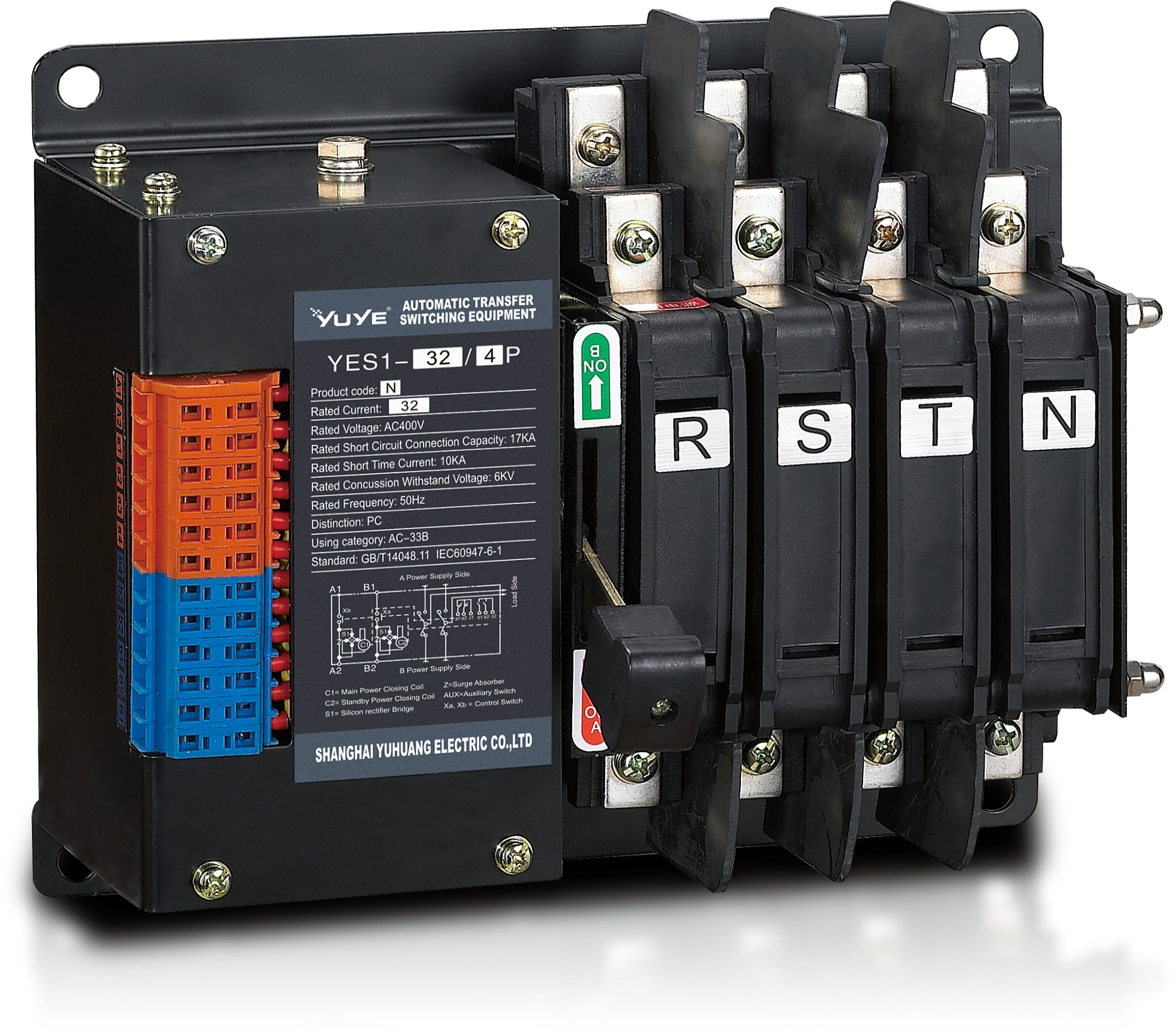 Solenoid-type ATS YES1-32~125N
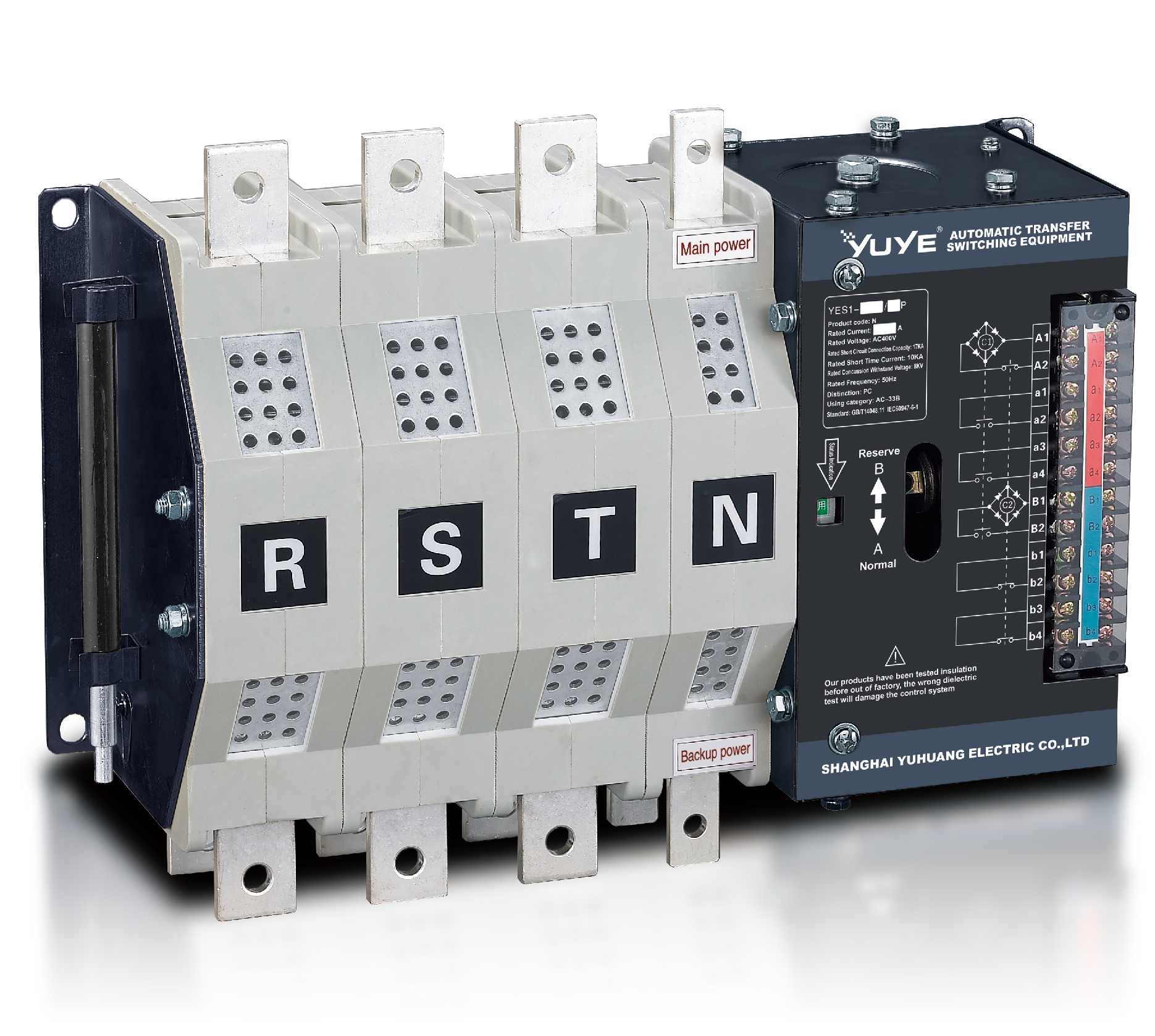 Solenoid-type ATS YES1-250~630N/NT
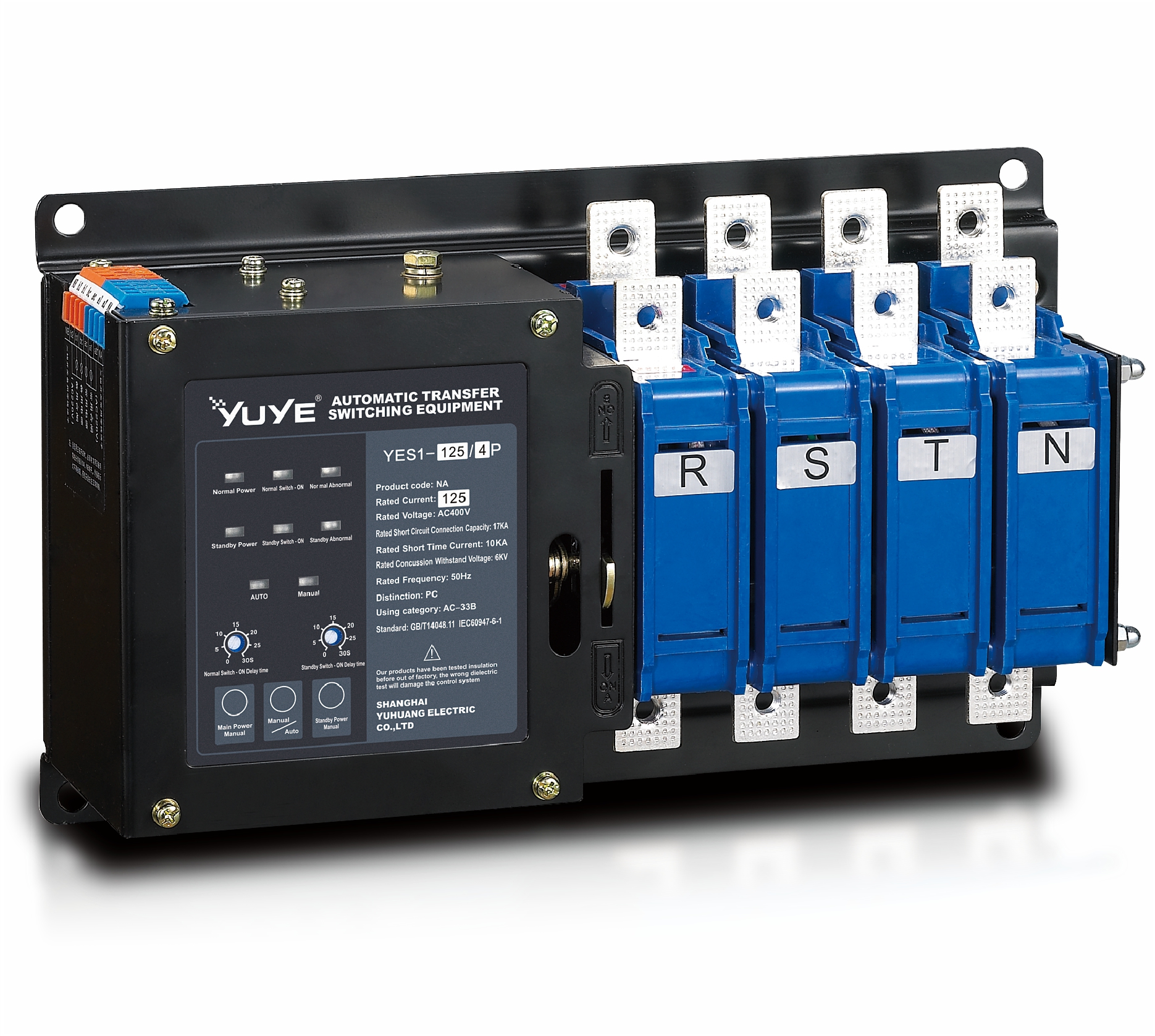 Solenoid-type ATS YES1-32~125NA
 Solenoid-type ATS YES1-63~630SN
 Solenoid-type ATS YES1-1250~4000SN
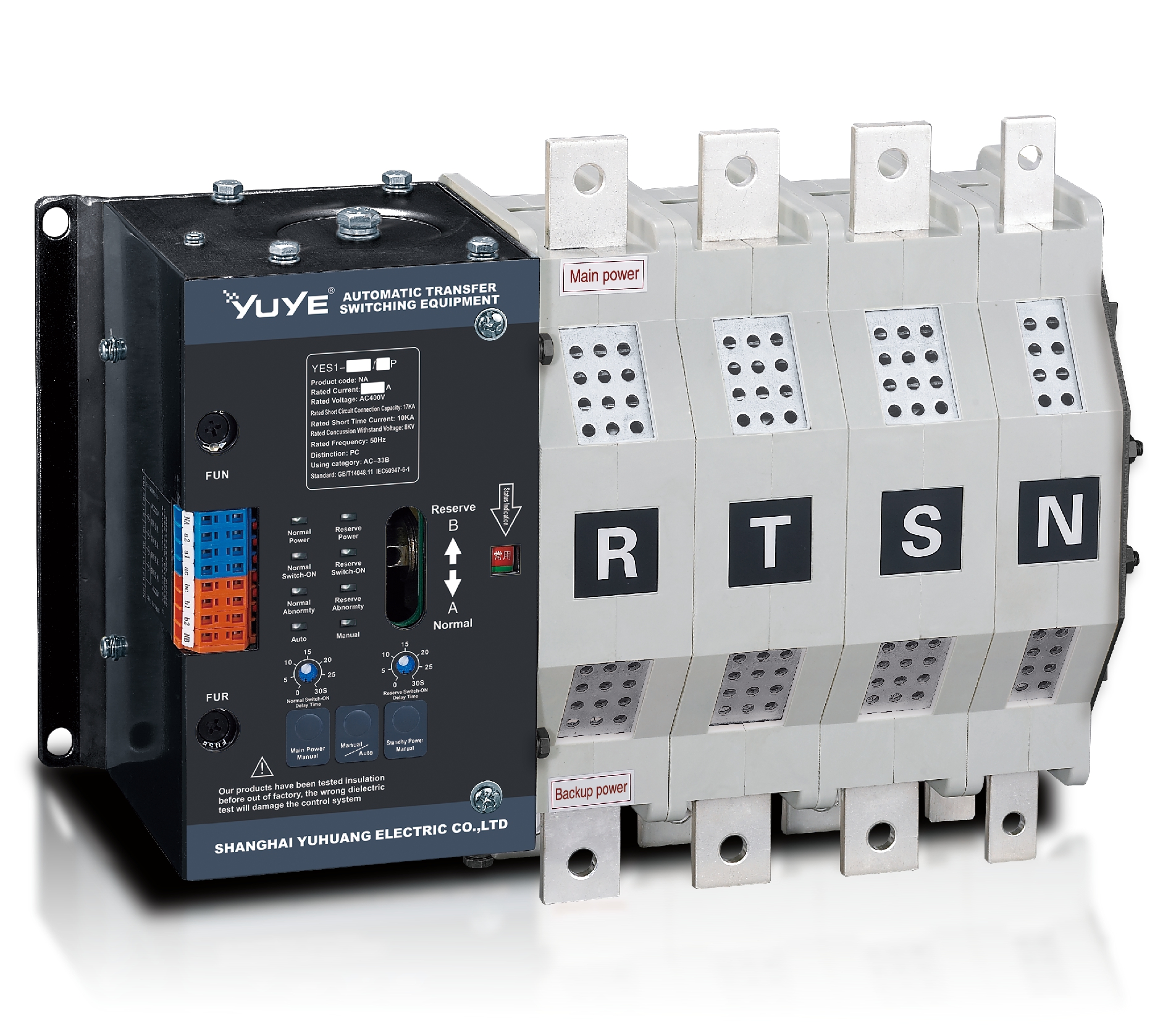 Solenoid-type ATS YES1-250~630NA/NAT
 Solenoid-type ATS YES1-63NJT
 PC ATS YES1-100~1600GN1/GN/GNF
 PC ATS YES1-2000~3200GN/GNF
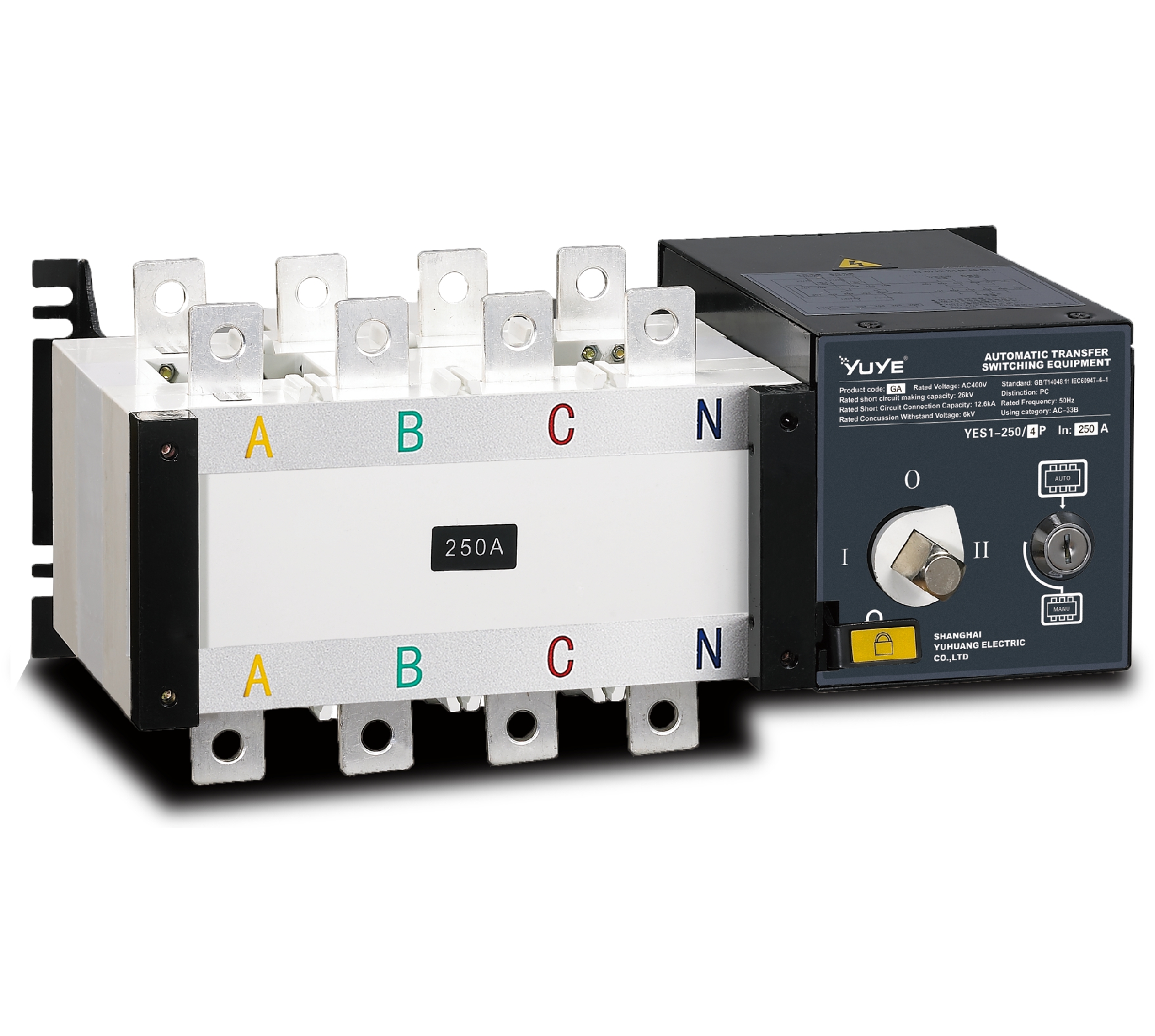 PC ATS YES1-100~3200GA1/GA
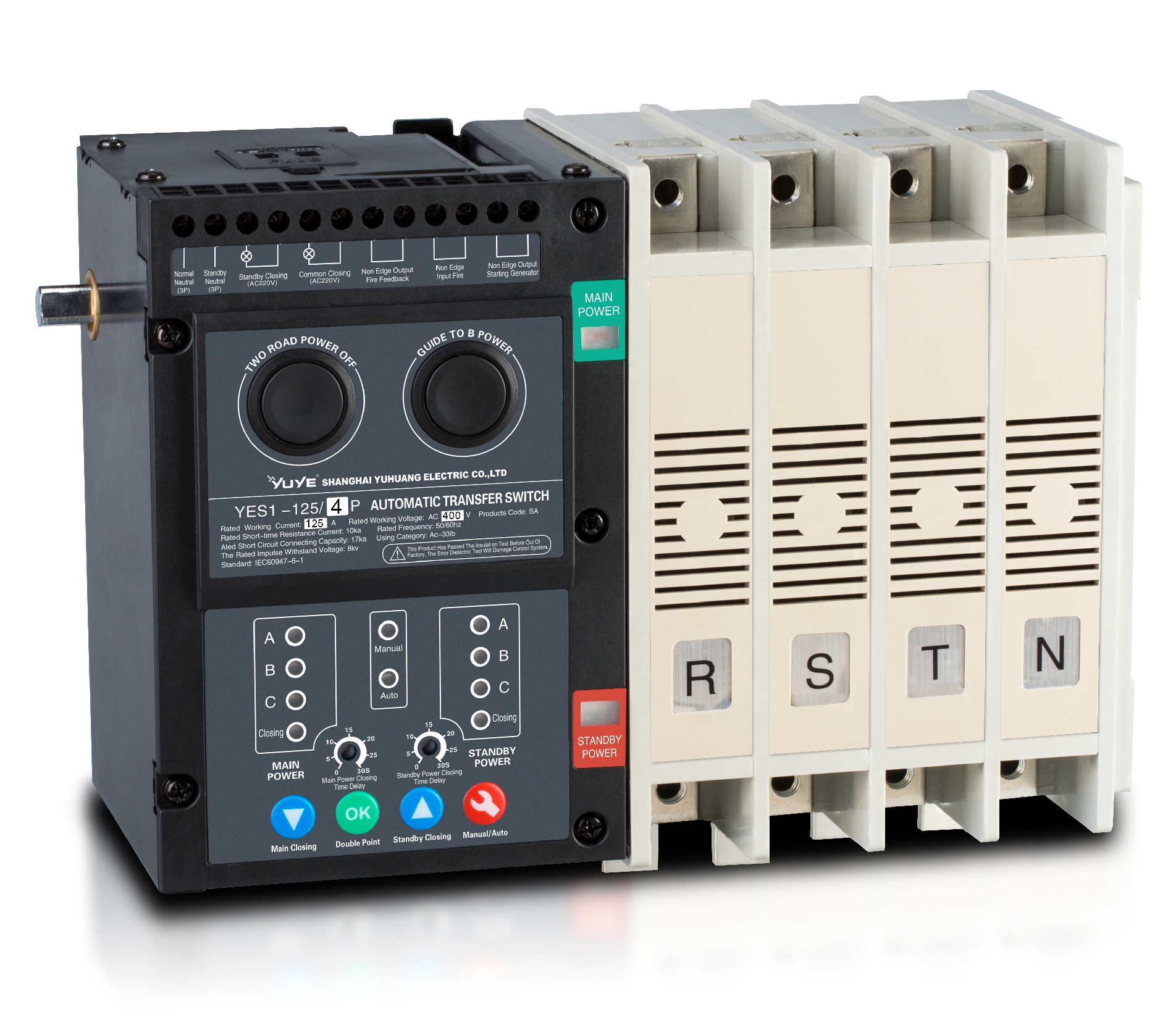 Solenoid-type ATS YES1-63~630SA
 Solenoid-type ATS YES1-63~630L/LA
 Solenoid-type ATS YES1-63~630LA3
 Solenoid-type ATS YES1-63MA
 PC ATS YES1-630~1600M
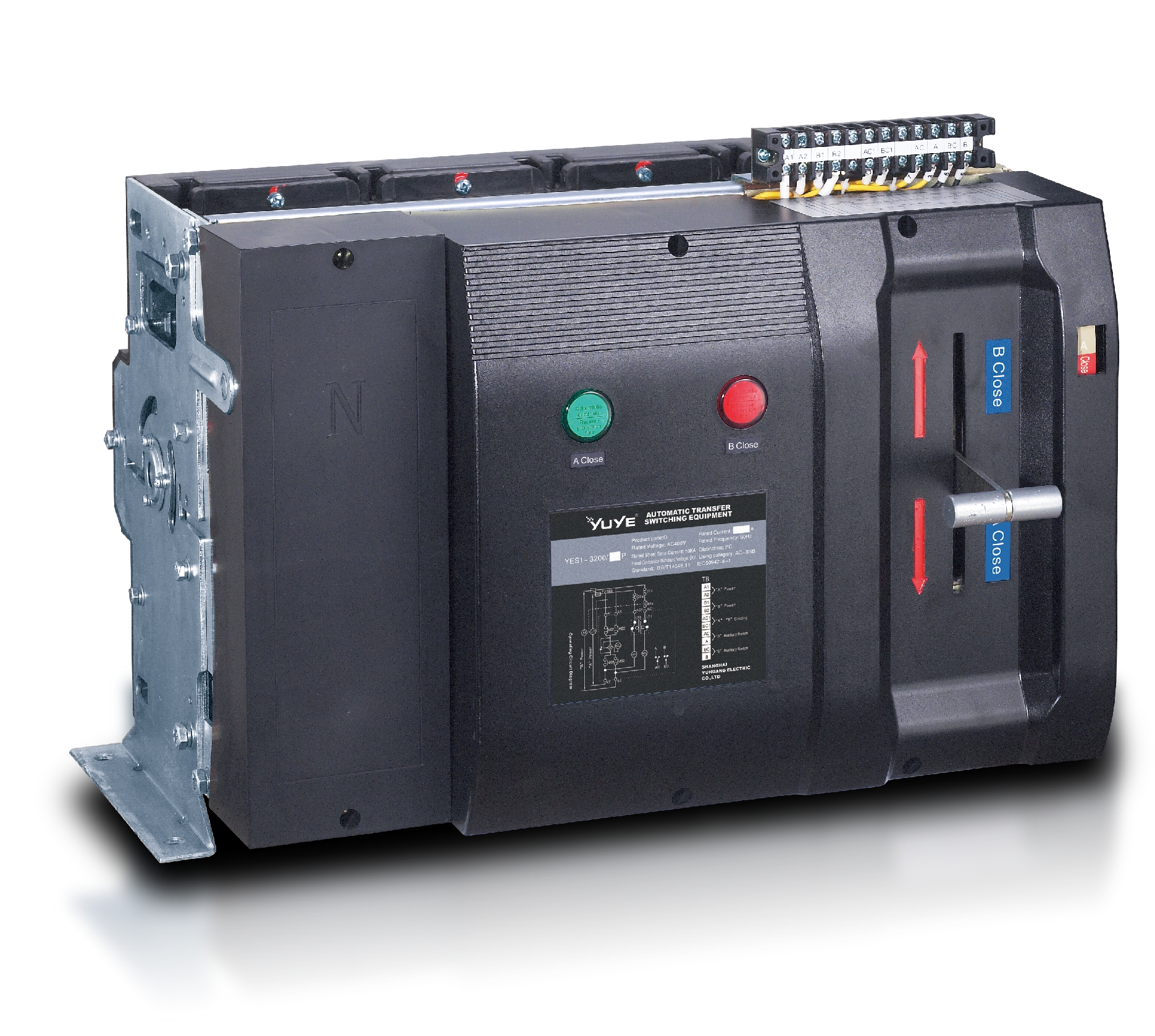 PC ATS YES1-3200Q
 Solenoid-type ATS YES1-4000~6300Q
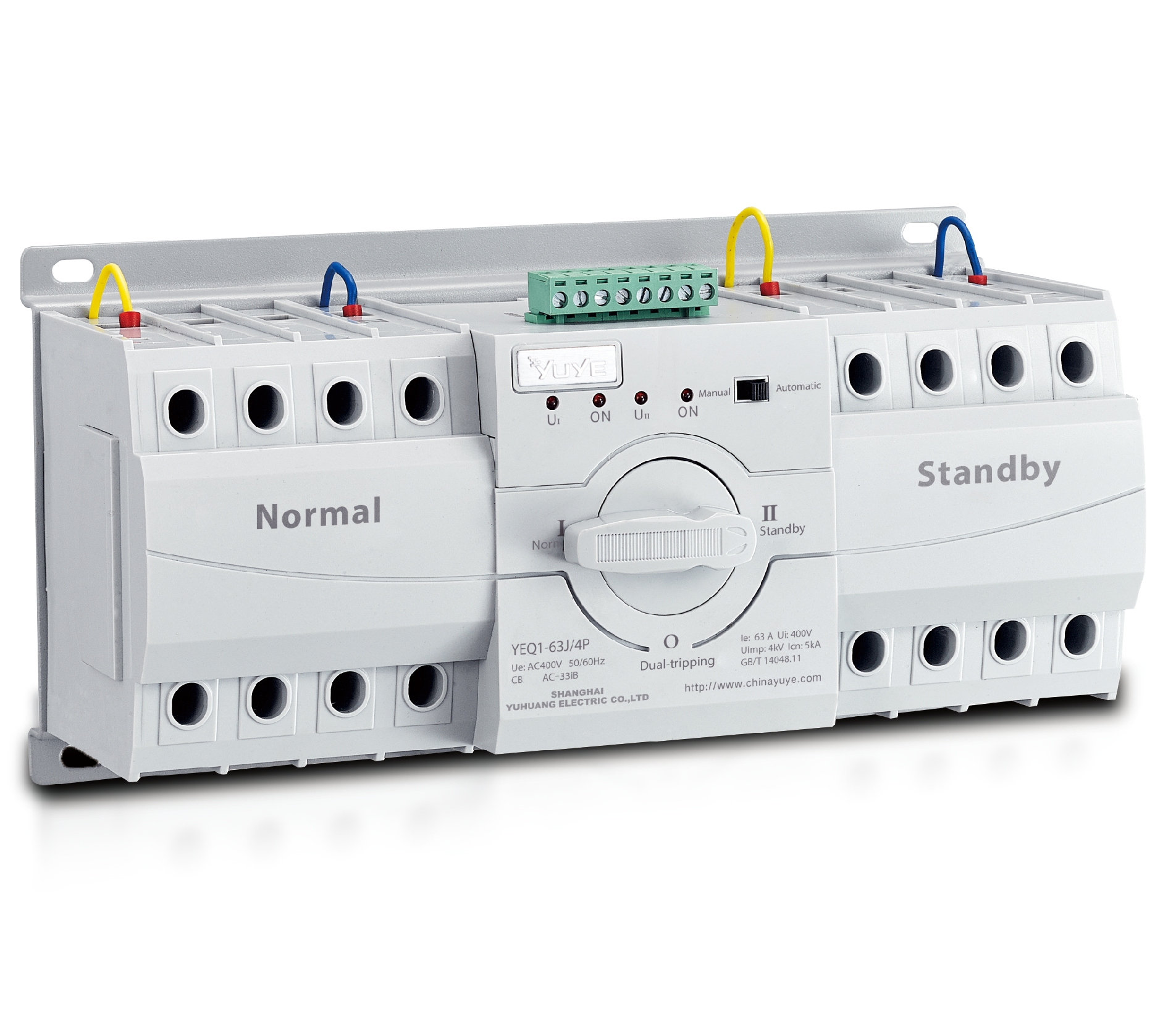 CB ATS YEQ1-63J
 CB ATS YEQ2Y-63
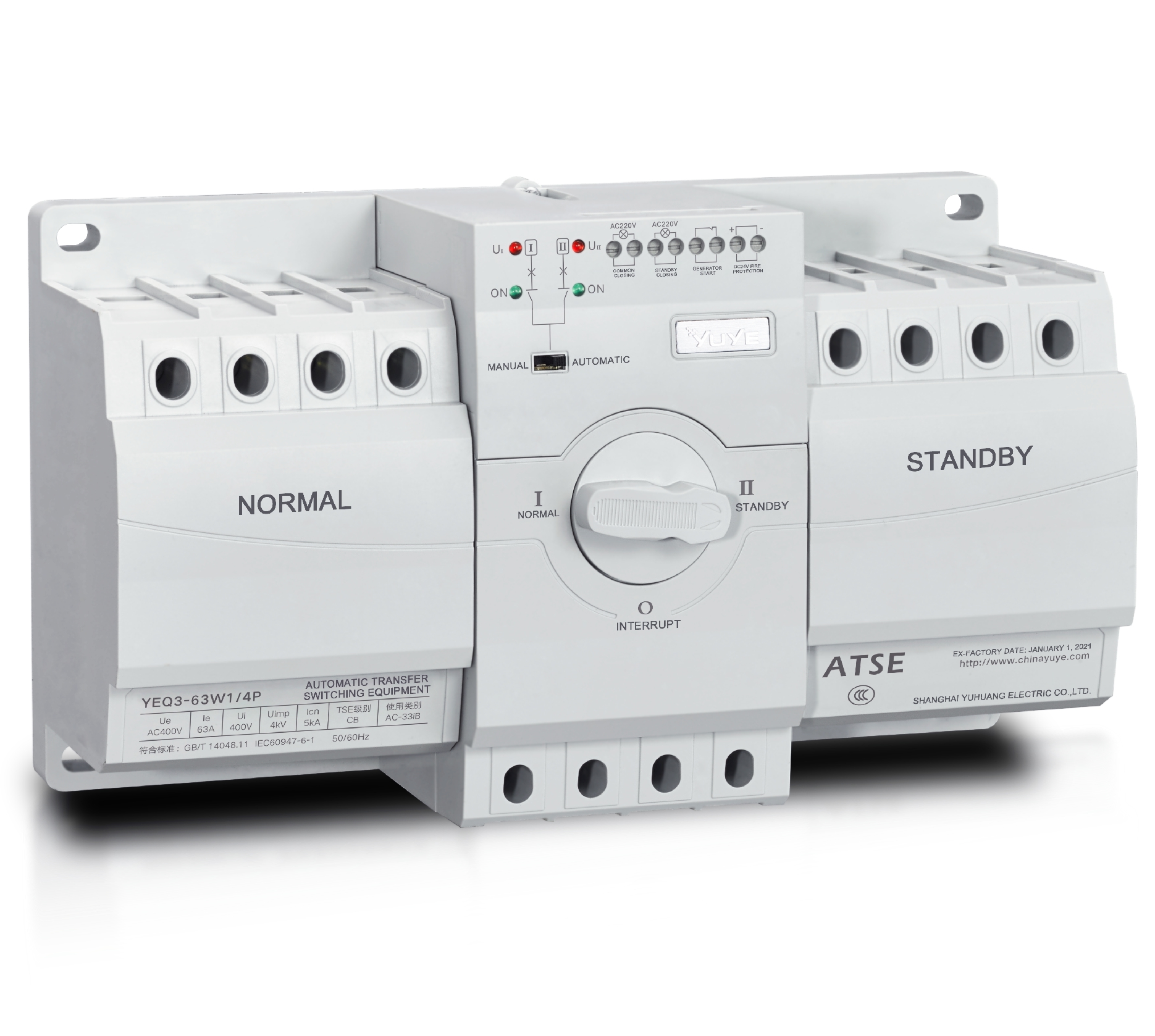 CB ATS YEQ3-63W1
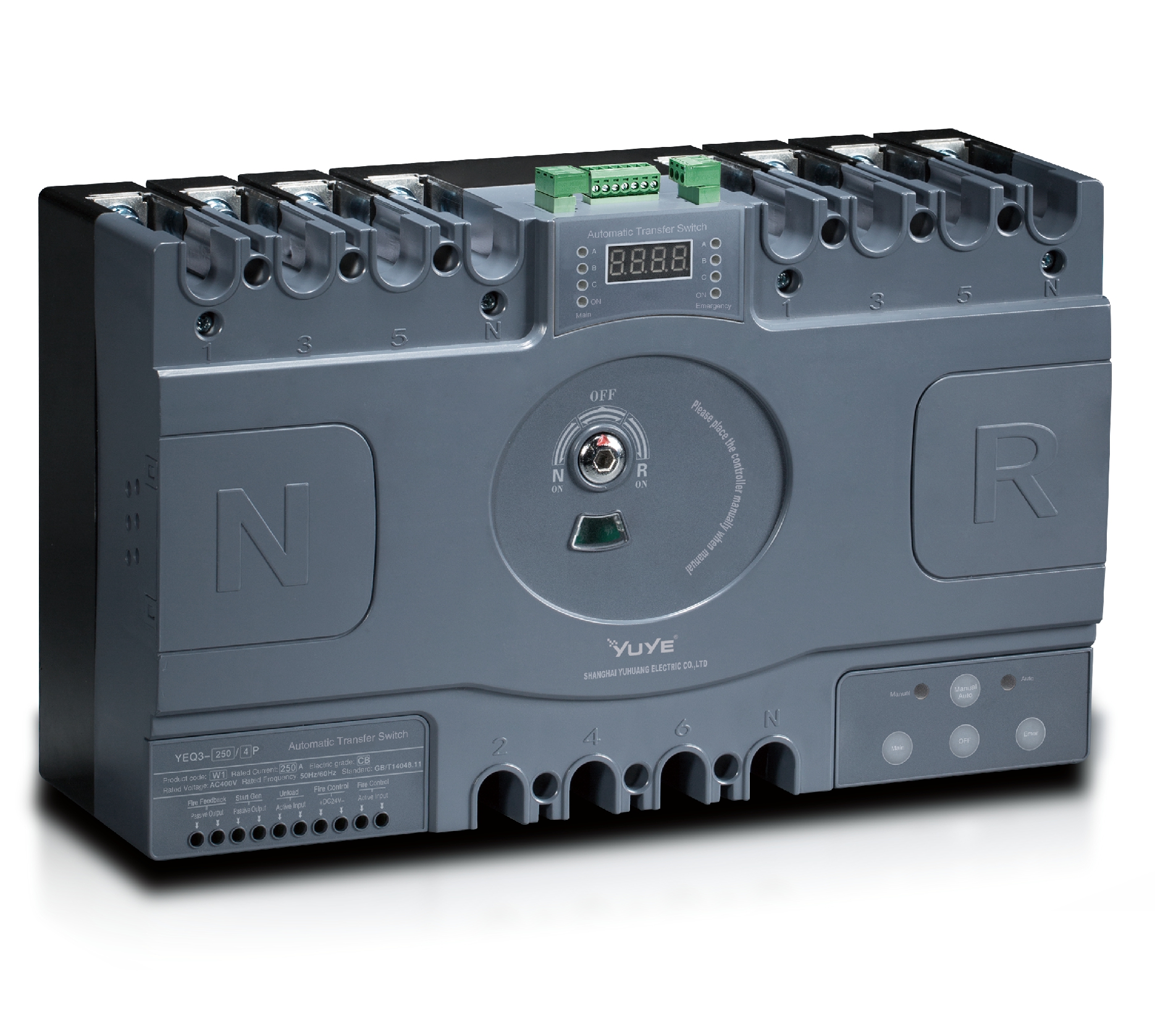 CB ATS YEQ3-125~630W1
 ATS controller Y-700
 ATS Controller Y-700N
 ATS Controller Y-701B
 ATS Controller Y-703N
 ATS Controller Y-800
 ATS Controller W2/W3 Series
 ATS switch Cabinet floor-to-ceiling
 ATS switch cabinet
 JXF-225A power Cbinet
 JXF-800A power Cbinet
 YEM3-125~800 Plastic Shell Type MCCB
 YEM3L-125~630 Leakage Type MCCB
 YEM3Z-125~800 Adjustable Type MCCB
 YEM1-63~1250 Plastic Shell Type MCCB
 YEM1E-100~800 Electronic Type MCCB
 YEM1L-100~630 Leakage Type MCCB
 Air Circuit Breaker YEW1-2000~6300
 Air Circuit Breaker YEW3-1600
 Miniature circuit breaker YEMA2-6~100
 Miniature circuit breaker YEB1-3~63
 Miniature circuit breaker YEB1LE-3~63
 Miniature circuit breaker YEPN-3~32
 Miniature circuit breaker YEPNLE-3~32
 Miniature circuit breaker YENC-63~125
 Load isolation switch YGL-63~3150
 Load Isolation Switch YGL2-63~3150
 DC relay YDC-P20
 DC relay YDC-P250
 DC relay YDC-P400
 DC relay MDC-300M
 DC relay YDC-M400
 DC Isolation Switch YEGL3D-630
 YECPS2-45~125 LCD
 YECPS-45~125 Digital
 CNC Milling/Turning-OEM
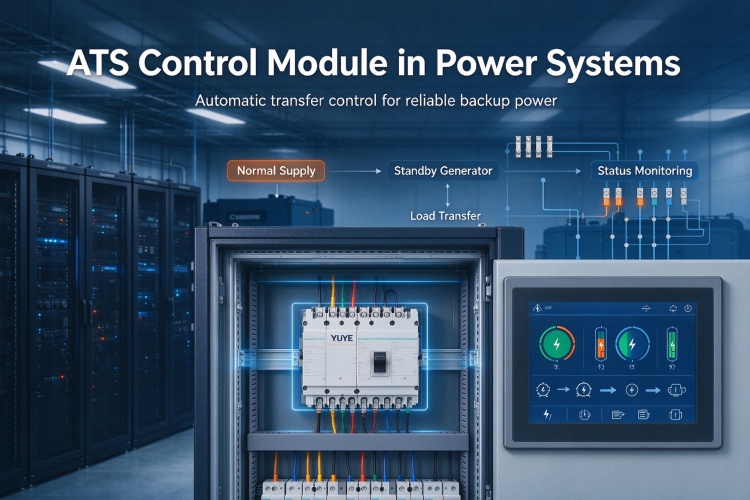
1. How Does an ATS Control Module Work?
You can think of the ATS Control Module as the onboard brain of any automatic transfer switch setup. Its core job is tracking power quality and triggering switch actions when needed. In dual-power layouts, it continuously samples voltage and frequency data from your main utility feed and standby power source, most commonly a diesel generator.
If the main supply drops out of spec — from blackouts, low voltage or overvoltage — the module holds off for a preset delay. This simple delay stops unnecessary switching caused by quick grid blips that fix themselves. Once the timer runs out, it sends a signal to move the transfer switch. Built-in interlock logic is critical here; it blocks both power sources from connecting together, a mistake that can wreck expensive downstream gear. When mains power comes back and stays stable long enough, the ATS Control Module automatically hands the load back over to grid power.
2. Core Functions of the ATS Control Module
A solid ATS Control Module bundles all the monitoring and control features you need to keep power online without constant supervision. It reads voltage and frequency from both power feeds nonstop. Site crews can flip between auto mode for unattended operation and manual mode, handy when running on-site checks or maintenance work.
Adjustable transfer delay is standard on these units. It protects generators and sensitive electronics from rapid back-and-forth switching. LED status lights and relay alarm outputs alert technicians to common issues: lost power, failed switch moves and generator faults. Many upgraded models carry RS485 ports. That lets teams pull live readings and tweak settings remotely through SCADA or building management platforms.
3. Main Types and Common Specifications
For real-world deployment, these modules fall into two main groups: versions built to start generators, and simpler mains-to-mains units. Genset-ready models don’t just control the switch; they also send start and stop signals straight to your backup engine. Mains-to-mains options work where you have two separate grid supplies feeding one site.
When picking one, look closely at working voltage, sampling range, relay contact rating and operating temperature limits. Budget basic units only handle power monitoring and basic switching. Smart high-end models save fault logs and support remote connectivity. Always match the module type to your site’s actual power layout before ordering.
4. Installation & Compatibility Notes for ATS Control Module
Clean, well-planned wiring makes all the difference for reliable performance. Keep voltage sampling wiring and control output wiring on separate runs; this cuts electrical noise and signal interference. The module must match your ATS actuator and paired circuit breakers. A mismatch in driving capacity is one of the most frequent reasons switches refuse to transfer.
Mount the unit somewhere dry, free of heavy dust, corrosive fumes and strong electromagnetic fields. Before powering up the whole system, technicians should go through a quick checklist: double-check all wiring terminals, set delay values correctly, and test both automatic and manual transfer cycles.
5. Troubleshooting and Maintenance Tips
Field teams run into a small set of repeat issues: no voltage reading, transfer failure and false fault alarms. When these pop up, start your check by looking at sampling wiring and the module’s own supply. Routine upkeep is straightforward: wipe dust off the circuit board, retighten loose terminals, and test switching function every three months.
Lockout-tagout safety rules must be followed for every test and inspection, to avoid electric shock risks. If the module acts erratically for extended periods or shows clear signs of internal component wear, swap it out with a compatible replacement fast. Waiting can lead to unexpected downtime for critical loads.
Quote
A reliable ATS Control Module removes delays and human mistakes from manual power switching, making it a must-have component for data centers, healthcare facilities and production plants that require uninterrupted power. — Power Distribution Technical Handbook
FAQ
Q1: Can an ATS Control Module operate independently without an automatic transfer switch?
A: Not on its own. It only handles control logic. It has no mechanical parts to shift power paths. It will always need a mechanical ATS switch to physically move the load.
Q2: What separates basic ATS control modules from intelligent versions?
A: Basic models stick to power monitoring and simple switching triggers. Intelligent units add fault history storage, remote communication and more adjustable protection parameters.
Q3: Should transfer delay always be enabled?
A: It’s recommended in nearly every setup. Delay filters out brief grid spikes and dips, preventing fast cycling that wears out generators and damages sensitive electronics.
