In today's super busy industrial world, reliability isn’t just a nice-to-have — it’s everything. That’s where the 63a Automatic Transfer Switch really steps in, helping keep the power running smoothly when outages hit. If you've seen reports from MarketsandMarkets, you’ll notice that the automatic transfer switch market is expected to hit around $1.5 billion by 2025 — pretty crazy, right? It just shows how much more important this tech is becoming across different industries.
More and more, businesses depend on systems that cut down on downtime — nobody wants their operations to grind to a halt. That’s where the 63a switch comes into play, providing things like automatic power recovery and load management. With everyone’s reliance on uninterrupted power growing, folks are more and more turning to this kind of tech to boost efficiency. Sadly, though, some organizations still overlook just how powerful these switches can be, which sometimes leads to preventable outages.
Picking out the right transfer switch isn't something to take lightly either. Data from the Electric Power Research Institute tells us that close to 80% of power outages come from equipment failures. So, investing in a 63a Automatic Transfer Switch can really help you avoid those headaches. But, hey, to get the most out of these systems, companies need to regularly review their setup and keep everything in check — it’s all about staying proactive rather than reactive.

Understanding the 63a Automatic Transfer Switch: An Overview
The 63a Automatic Transfer Switch (ATS) plays a crucial role in modern power management systems. It automatically transfers electrical loads between the primary power source and a backup supply. This feature is particularly important for commercial and industrial environments that require continuous power. According to the Electric Power Research Institute, approximately 30% of businesses encounter some form of power interruption each year. This highlights the need for reliable systems like the 63a ATS.
An ATS minimizes downtime by quickly detecting power outages. Once a failure is detected, the switch can transfer the load in as little as 10 seconds. This rapid response helps prevent data loss and operational disruptions. However, the initial installation can be complex and requires skilled labor. Studies show that improper installation can lead to equipment failure and safety hazards. Therefore, careful planning and expert consultation are vital during implementation.
Transitioning to a 63a ATS involves both benefits and challenges. The technology can improve energy efficiency and reduce operational costs. Yet, organizations must consider the ongoing maintenance required. Regular inspections can identify issues before they escalate, but the cost of maintenance can be significant. Ultimately, investing in a 63a ATS could yield long-term advantages, provided that organizations remain diligent about upkeep and training staff on its use.
Key Advantages of Automated Power Switching Systems
Automated power switching systems, like the 63A automatic transfer switch, bring significant benefits. They provide seamless operation during power outages. Such systems quickly detect failures and switch to backup power. This reduces downtime in critical operations, essential for businesses. The enhanced reliability of these systems ensures continuous power supply. Customers appreciate the stability they offer, especially in industries like healthcare.
Another advantage is ease of use. Users can monitor performance through user-friendly interfaces. These systems often come with remote access capabilities. This means operators can manage power flow without being on-site. However, installation and maintenance can pose challenges. Proper training is essential to prevent mishaps. Users need to stay informed about potential issues. The cost of failure can be high, affecting operations.
Energy efficiency is another key aspect. Many automated systems are designed to optimize electricity usage. They help in reducing waste, which in turn lowers costs. However, ongoing maintenance and regular checks are crucial. Ignoring these can lead to inefficiencies. Users must remain vigilant and proactive about their systems. Balancing benefits with potential pitfalls is vital for successful operation.
Enhanced Reliability: How 63a ATS Maintains Power Supply
The 63a Automatic Transfer Switch (ATS) offers enhanced reliability by ensuring an uninterrupted power supply. When the primary power source fails, the ATS automatically switches to an alternative source. This quick response minimizes downtime and protects connected equipment. Buildings with critical operations depend on this reliability, reducing the risk of costly interruptions.
In a world where power outages can happen unexpectedly, the 63a ATS stands out for its expertise in maintaining power continuity. It monitors incoming voltage and frequency, adjusting as needed. This adaptability not only keeps essential services running but also protects sensitive devices from voltage fluctuations.
Despite its advanced features, there are considerations. Not every facility may require such a powerful solution. Some smaller operations might find the investment excessive. Additionally, maintenance is vital for optimal performance. Users must regularly check and test the system to ensure it functions during an outage. This constant vigilance is key to experiencing the full benefits of the 63a ATS.
Cost Efficiency: Savings Through Efficient Power Management
Efficient power management can lead to significant savings. Using a 63a Automatic Transfer Switch (ATS) optimizes energy usage across systems. This device ensures that power sources switch seamlessly during an outage or load change. Without this technology, organizations may face costly downtimes.
Cost efficiency is a primary benefit of automation. A reliable ATS reduces manual intervention and minimizes risks associated with human error. Imagine businesses that experience power failures—each minute offline costs money. With an ATS, they can rely on automated responses, enhancing performance and stability.
However, investing in an ATS requires careful evaluation. Some users may overlook the need for proper installation and maintenance. Inadequately managed systems can lead to unexpected expenses. Continuous training is vital for staff to ensure effective use of the ATS. Regular checks can prevent costly mistakes, driving long-term cost savings in energy management.
Improved Safety Features in 63a Automatic Transfer Switches
Automatic transfer switches (ATS) play a crucial role in enhancing safety for electrical systems. The 63A automatic transfer switch is designed with advanced safety features that mitigate risks often associated with power failures. These switches can automatically detect power outages and promptly transfer the load to backup power sources. This swift response reduces the risk of equipment damage and operational interruptions.
Key safety features in 63A ATS include surge protection and overload protection. Surge protection shields equipment from voltage spikes. Overload protection prevents overheating, which could lead to fire hazards. Regular maintenance of these safety systems is vital. Neglect can turn a reliable switch into a liability.
Tips: Regular inspections are essential. Check for loose connections or signs of wear. Keep an eye on the control panel lights. Any unusual behavior should be investigated immediately.
Another important aspect is the proper installation of the switch. Hiring a qualified electrician ensures compliance with safety regulations. Incorrect installations may compromise the switch’s effectiveness. It’s better to spend more on quality installation than to risk safety in an emergency.
Top 10 Benefits of Using 63a Automatic Transfer Switch
Simplified Operation: User-Friendly Interfaces and Controls
Using a 63A automatic transfer switch can significantly simplify operations for users. With its user-friendly interfaces, navigating through settings becomes a straightforward task. Engineers and technicians find it easier to manage power transitions without extensive training. Touchscreens and clear indicators provide immediate feedback, which is essential for quick decision-making. This helps minimize downtime during power outages.
Moreover, the design of these switches often includes visual alerts and straightforward controls. Users can easily see battery levels, power status, and any faults. This level of clarity is crucial for maintaining reliable operations. However, not all models incorporate intuitive designs. Some may still rely on complex wiring or ambiguous signals. This can lead to confusion, especially in high-pressure situations.
Ultimately, while many 63A automatic transfer switches excel in usability, there is room for improvement. Some models may fall short, making it necessary to evaluate options carefully. It’s vital to seek out technologies that prioritize user experience and incorporate feedback mechanisms. That way, users can ensure efficient power management and reduce risks in critical operations.
Integration with Renewable Energy Sources for Sustainable Power
The integration of 63A automatic transfer switches (ATS) with renewable energy sources is transforming energy management. These switches facilitate seamless power transfers between utility and alternative energy systems. This function ensures that renewable energy can be harnessed efficiently. According to a report by the International Renewable Energy Agency, renewable energy contributed over 29% of global electricity generation in 2020. This trend is expected to grow as technology and policies encourage sustainable power solutions.
One of the notable benefits of using 63A ATS is their ability to enhance energy reliability. They can switch to backup power sources automatically during outages. This reliability is crucial for critical facilities, such as hospitals and data centers, which cannot afford any downtime. A study from the Electric Power Research Institute indicated that automatic transfer switches can reduce downtime by up to 60% when paired with renewable sources. However, the initial investment in these systems can be a barrier for some.
Moreover, while 63A ATS help optimize renewable energy usage, they can also present challenges. These systems require proper maintenance and may present technical issues during integration. A comprehensive understanding of electrical systems is essential. The benefits are significant but need careful planning and execution to avoid potential pitfalls. Stakeholders must ensure their energy strategies align with technological capabilities and sustainability goals.
Navigating the Future of ATS Switch Cabinets: Insights from the Latest Industry Reports and Market Trends
The future of ATS switch cabinets is poised for significant evolution, driven by increasing demand for efficiency, reliability, and smart features within the electrical distribution sector. Recent industry reports indicate a growth trend in the ATS switch cabinet market, projected to expand at a CAGR exceeding 7% from 2023 to 2028. This growth is fueled by a shift towards automation and intelligent equipment, making contemporary designs a necessity for high-capacity installations.
One standout solution in this transformation is the ATS Cabinet Wall-mounted, which offers dual circuit power input and intelligent switching capabilities. This model supports various switching modes, ensuring that operators can adapt their systems according to varying load demands. With a capacity range from 63 to 4000A, users can configure the system flexibly to meet back-end load requirements while prioritizing operational efficiency and reliability. Moreover, the integration of renowned switching devices along with lightning protection enhances the overall electrical performance and safety of the installation.
The intelligent monitoring features of modern ATS cabinets further underscore their importance in today's market. Equipped with a 4.3-inch touch screen, these cabinets allow for real-time monitoring of current, power, and energy consumption. This data-driven approach not only aids in optimizing energy use but also facilitates proactive maintenance strategies, as issues can be detected before they escalate into significant problems. As industry standards continue to evolve, these cabinets, with their complete quality certifications and maintenance accessibility from both the front and back, are set to lead the way in modern electrical distribution solutions.
FAQS
: They provide seamless operation during power outages and reduce downtime in critical operations.
They quickly detect failures and switch to backup power, ensuring continuous operation.
Automated systems optimize electricity usage and help reduce waste, lowering overall costs.
Yes, proper training is essential to avoid mishaps, and ongoing maintenance is crucial for efficiency.
They facilitate seamless power transfers between utility and alternative energy, enhancing energy reliability.
Ignoring maintenance can lead to inefficiencies, impacting operations and increasing costs.
Healthcare and data centers benefit significantly due to their need for uninterrupted power.
User-friendly interfaces provide performance monitoring, and many systems offer remote access capabilities.
Technical issues may arise during integration; understanding electrical systems is essential.
The initial investment cost can be a barrier for some potential users, despite long-term benefits.
Conclusion
The "63a Automatic Transfer Switch" offers a host of benefits that enhance power management and reliability in various settings. Primarily, it ensures continuous power supply by automatically switching between different power sources, significantly reducing downtime during outages. This mechanism not only improves the reliability of energy delivery but also incorporates advanced safety features to protect both equipment and users.
Additionally, the 63a ATS facilitates cost efficiency through better energy management, supporting users in reducing their electricity bills. Its user-friendly interface simplifies operation, making it accessible for various users. Furthermore, the integration of renewable energy sources with the 63a Automatic Transfer Switch promotes sustainable power solutions, making it an excellent choice for environmentally conscious operations. Overall, the 63a ATS is a vital component for enhancing both safety and efficiency in power management systems.

 PC ATS YECT1-2000G
 PC ATS YES2-63~250GN1
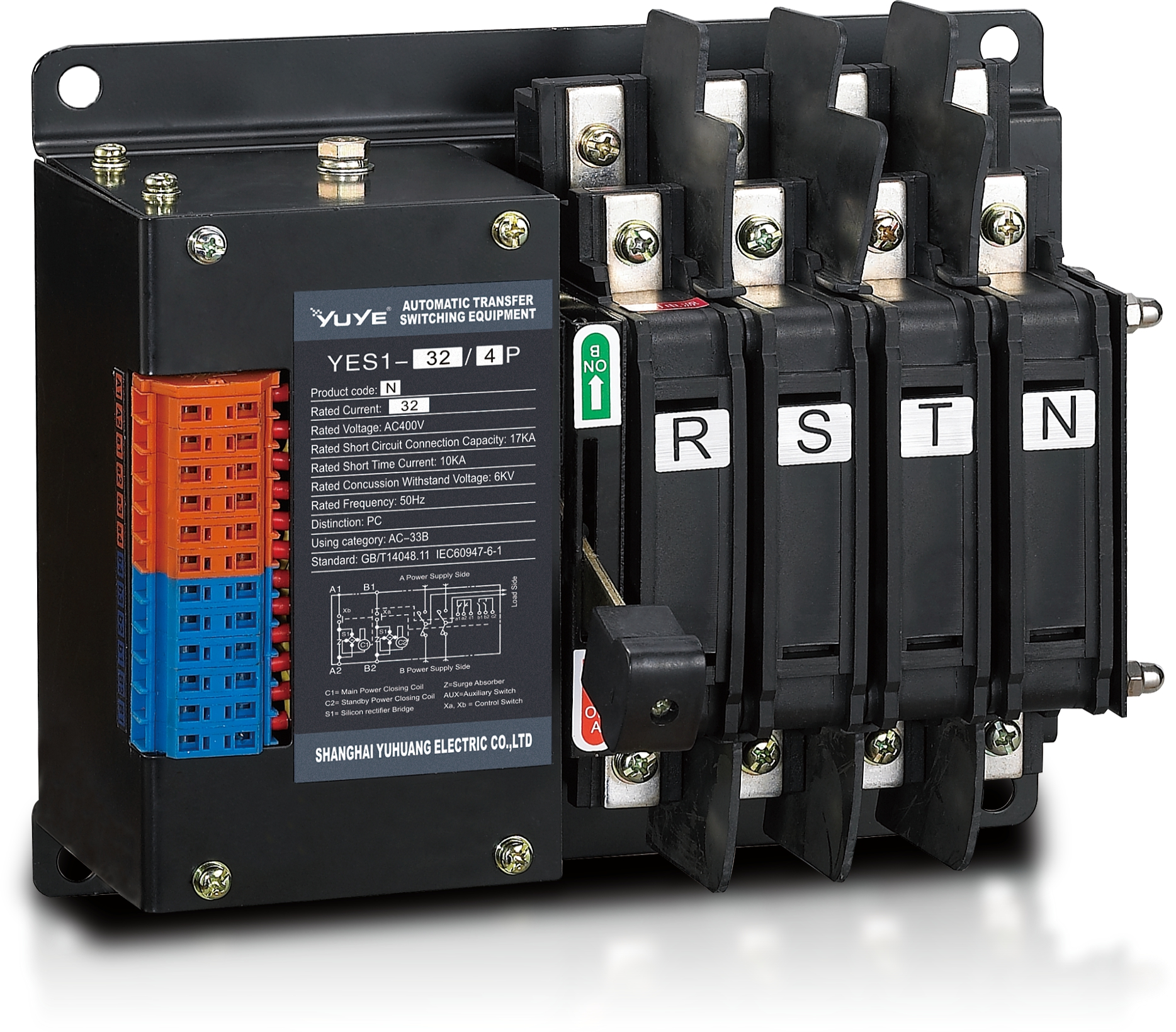 Solenoid-type ATS YES1-32~125N
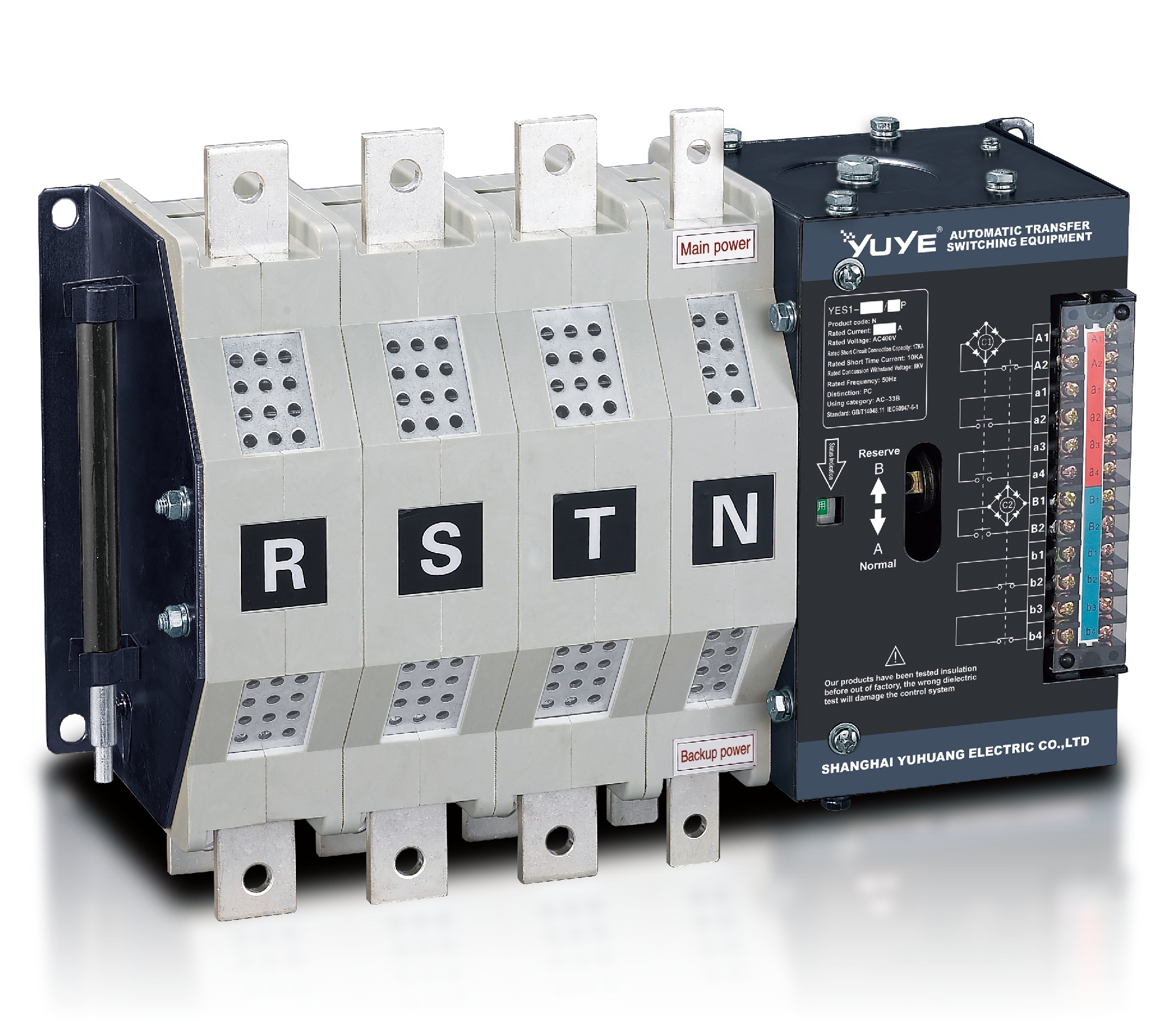 Solenoid-type ATS YES1-250~630N/NT
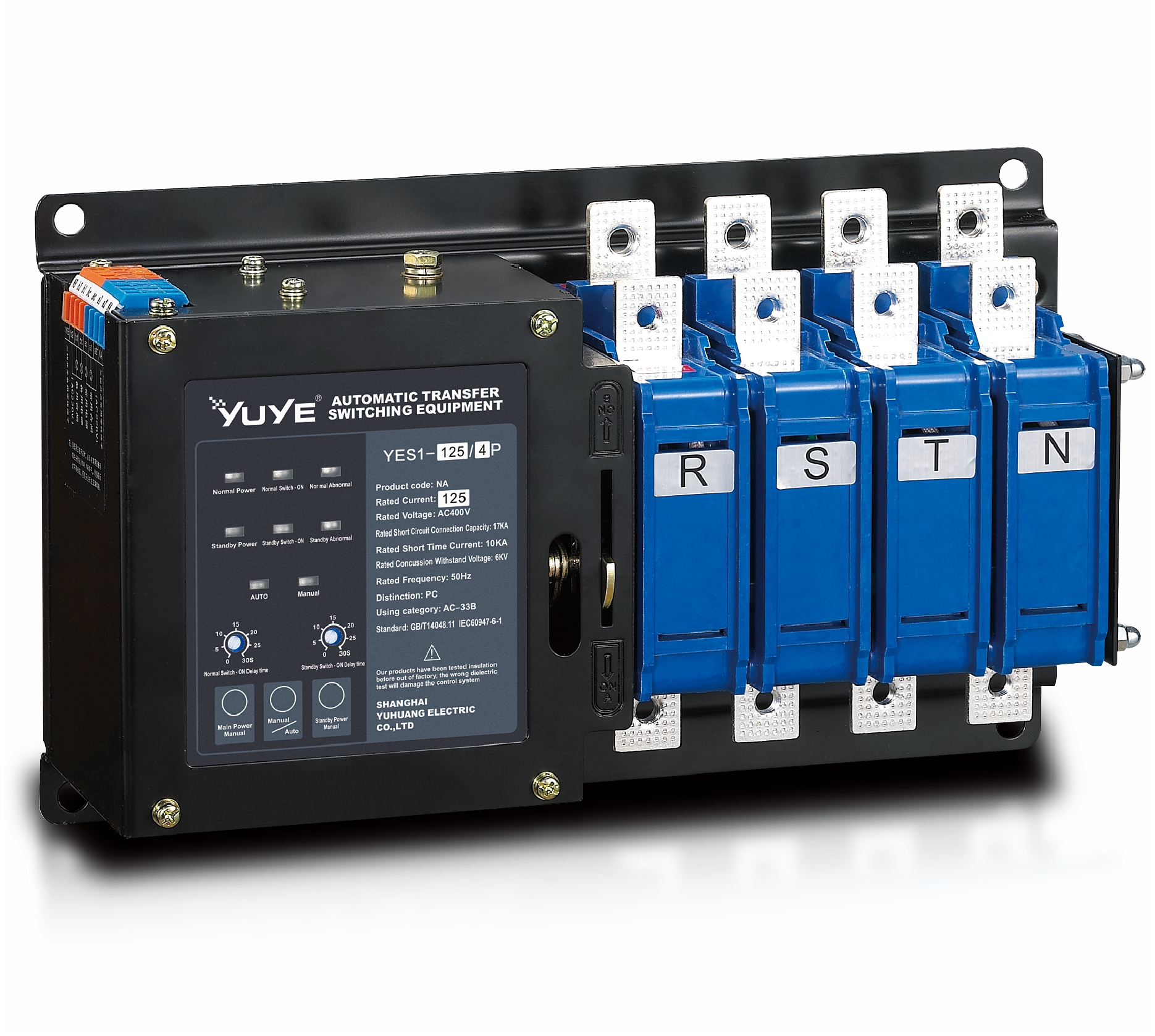 Solenoid-type ATS YES1-32~125NA
 Solenoid-type ATS YES1-63~630SN
 Solenoid-type ATS YES1-1250~4000SN
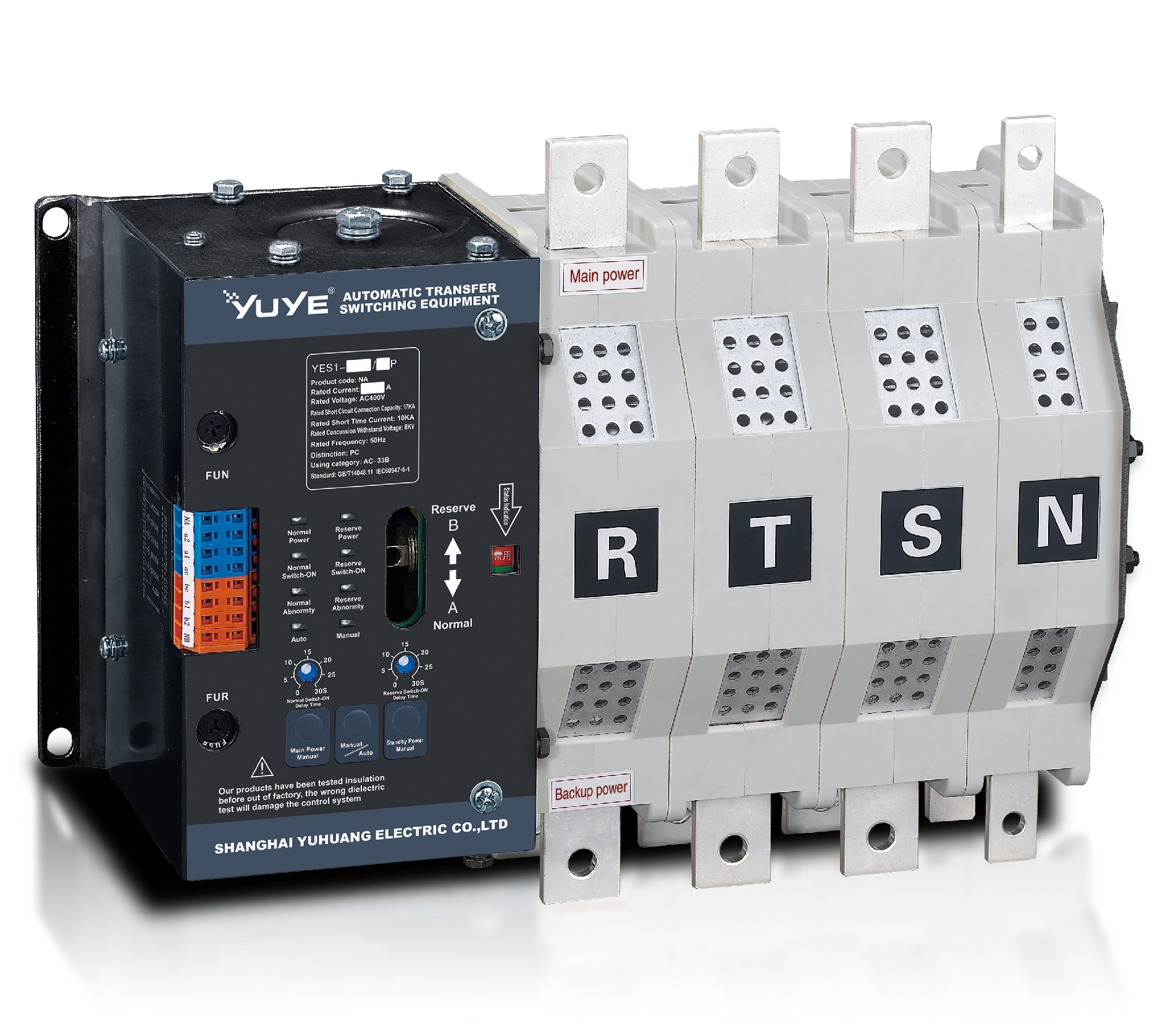 Solenoid-type ATS YES1-250~630NA/NAT
 Solenoid-type ATS YES1-63NJT
 PC ATS YES1-100~1600GN1/GN/GNF
 PC ATS YES1-2000~3200GN/GNF
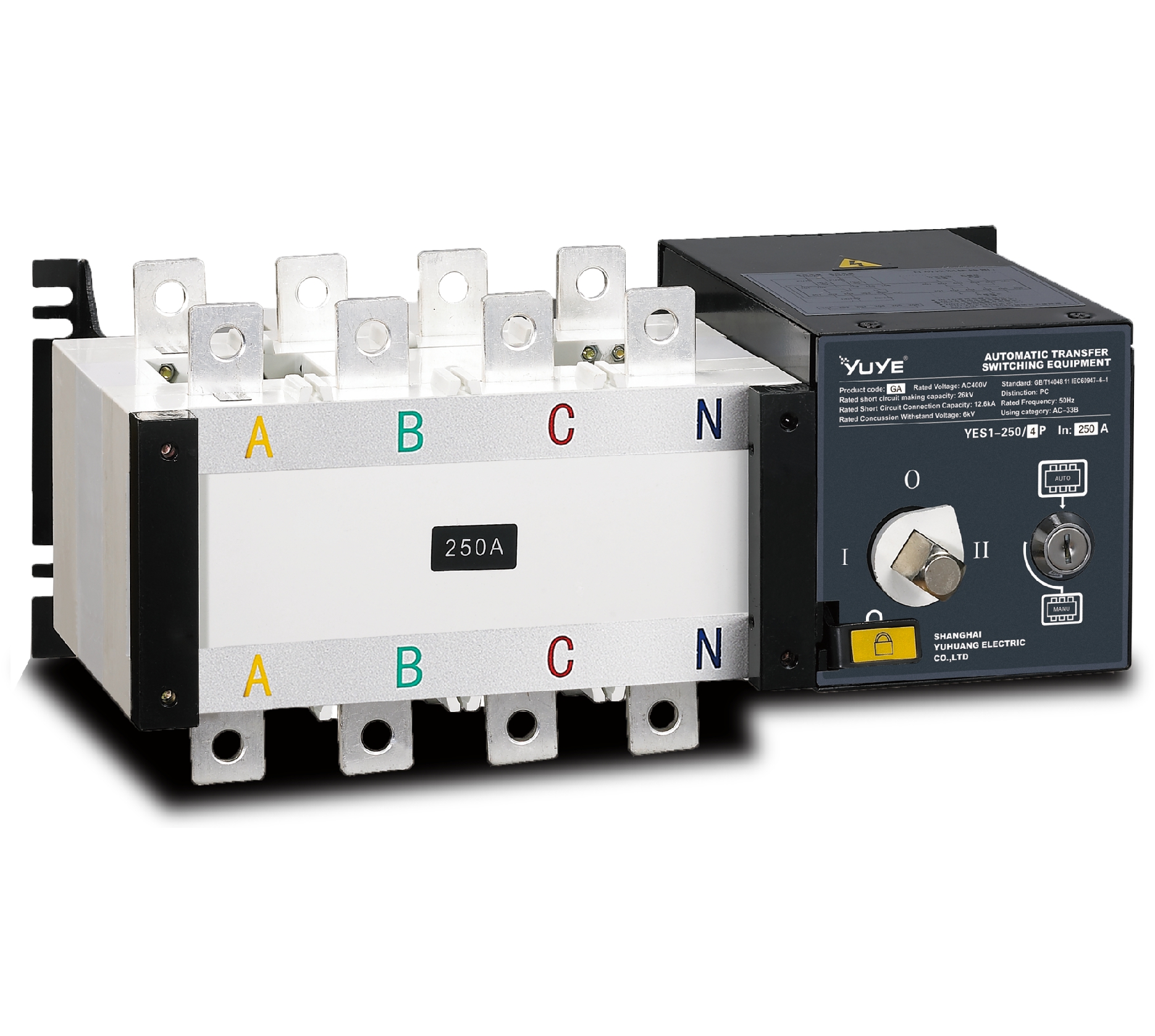 PC ATS YES1-100~3200GA1/GA
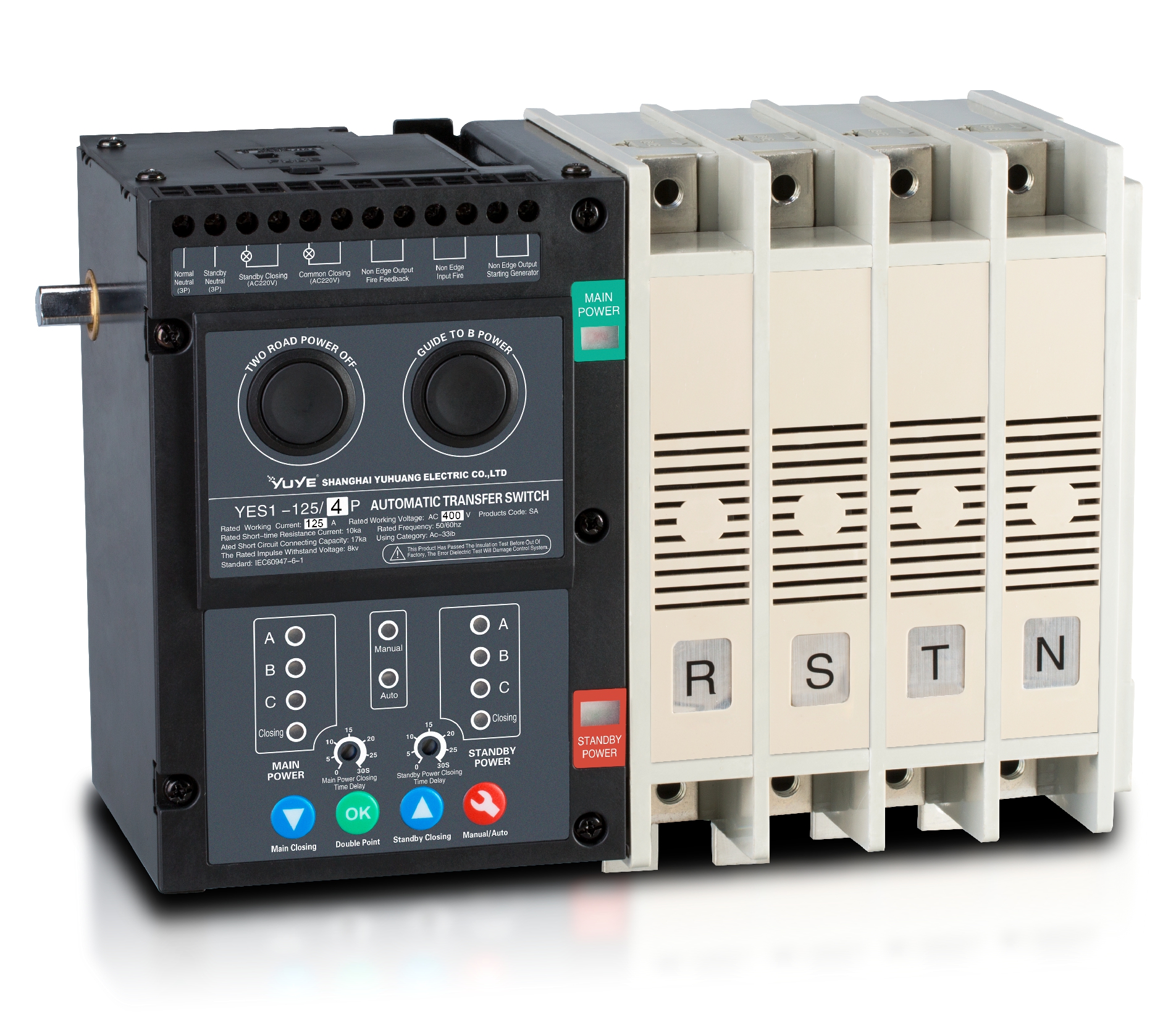 Solenoid-type ATS YES1-63~630SA
 Solenoid-type ATS YES1-63~630L/LA
 Solenoid-type ATS YES1-63~630LA3
 Solenoid-type ATS YES1-63MA
 PC ATS YES1-630~1600M
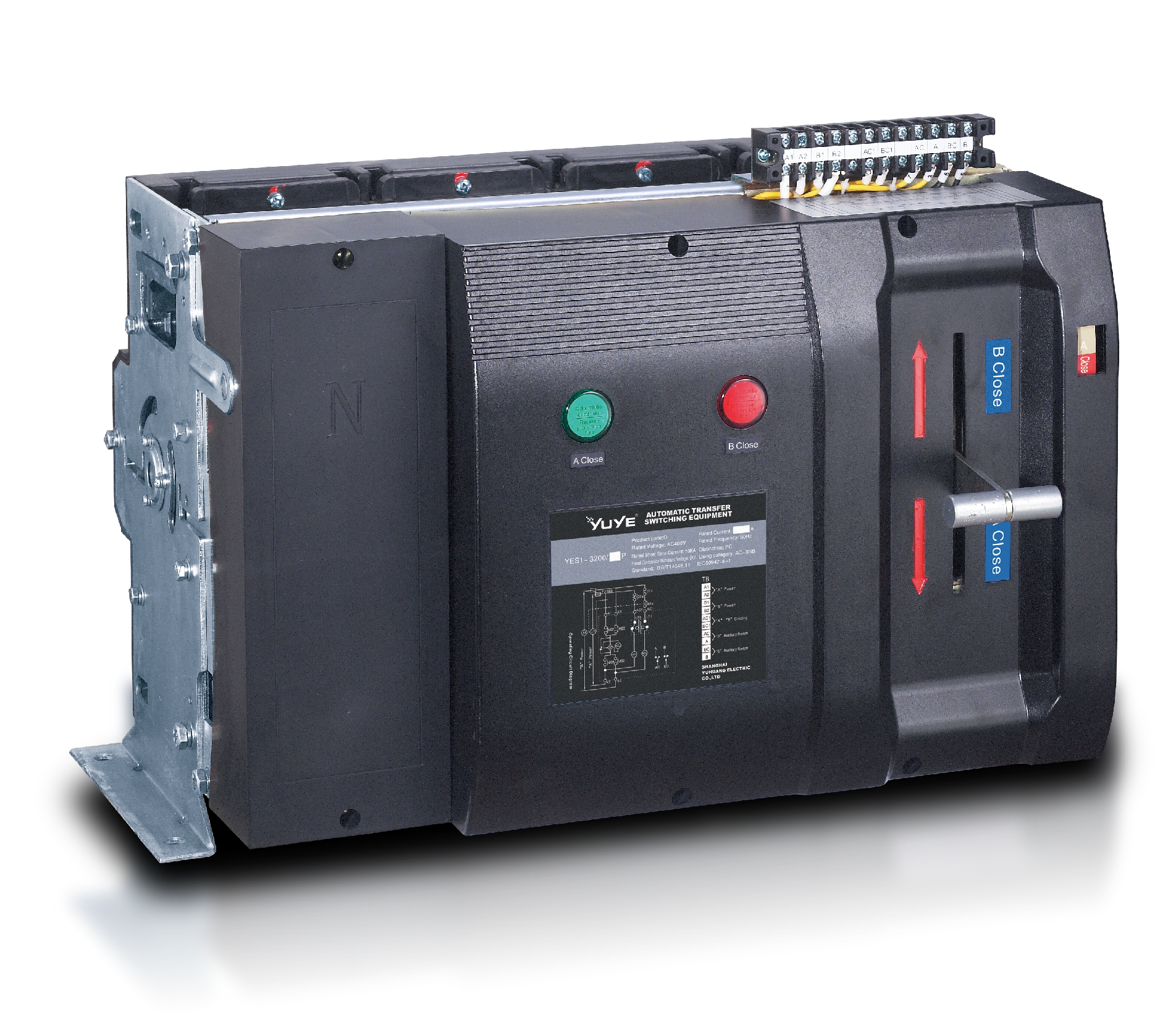 PC ATS YES1-3200Q
 Solenoid-type ATS YES1-4000~6300Q
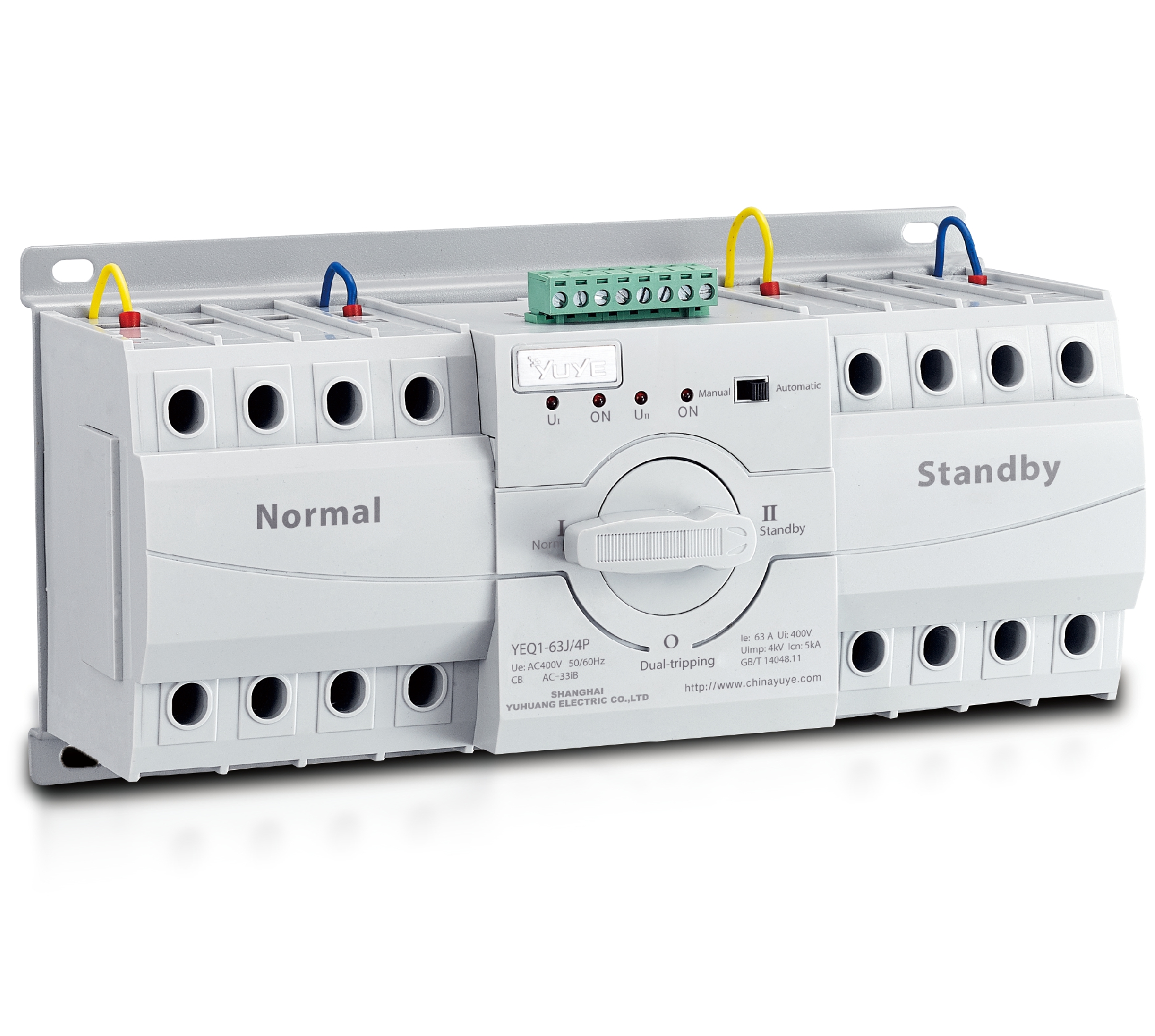 CB ATS YEQ1-63J
 CB ATS YEQ2Y-63
 CB ATS YEQ3-63W1
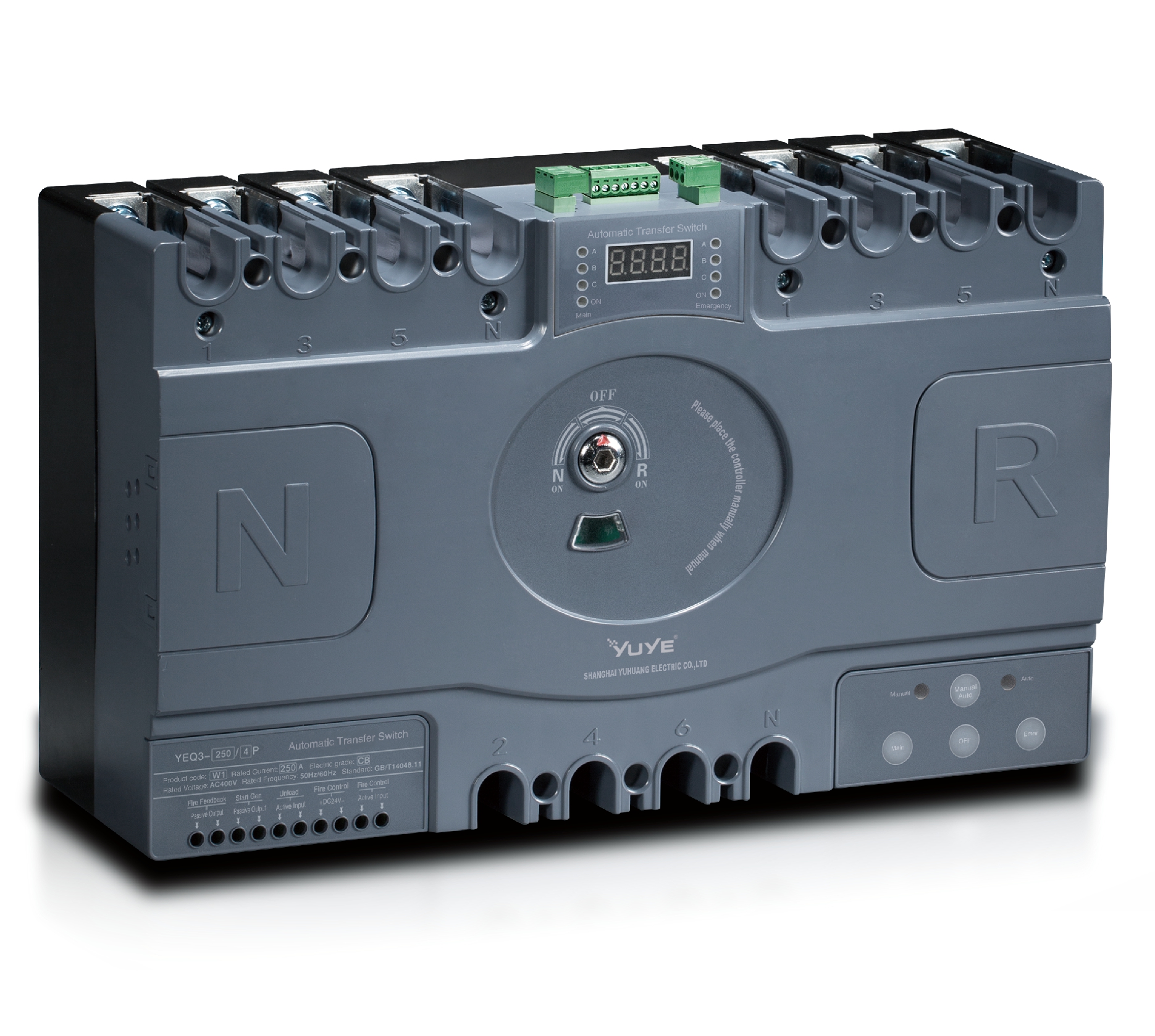 CB ATS YEQ3-125~630W1
 ATS controller Y-700
 ATS Controller Y-700N
 ATS Controller Y-701B
 ATS Controller Y-703N
 ATS Controller Y-800
 ATS Controller W2/W3 Series
 ATS switch Cabinet floor-to-ceiling
 ATS switch cabinet
 JXF-225A power Cbinet
 JXF-800A power Cbinet
 YEM3-125~800 Plastic Shell Type MCCB
 YEM3L-125~630 Leakage Type MCCB
 YEM3Z-125~800 Adjustable Type MCCB
 YEM1-63~1250 Plastic Shell Type MCCB
 YEM1E-100~800 Electronic Type MCCB
 YEM1L-100~630 Leakage Type MCCB
 Air Circuit Breaker YEW1-2000~6300
 Air Circuit Breaker YEW3-1600
 Miniature circuit breaker YEMA2-6~100
 Miniature circuit breaker YEB1-3~63
 Miniature circuit breaker YEB1LE-3~63
 Miniature circuit breaker YEPN-3~32
 Miniature circuit breaker YEPNLE-3~32
 Miniature circuit breaker YENC-63~125
 Load isolation switch YGL-63~3150
 Load Isolation Switch YGL2-63~3150
 DC relay YDC-P20
 DC relay YDC-P250
 DC relay YDC-P400
 DC relay MDC-300M
 DC relay YDC-M400
 DC Isolation Switch YEGL3D-630
 YECPS2-45~125 LCD
 YECPS-45~125 Digital
 CNC Milling/Turning-OEM


