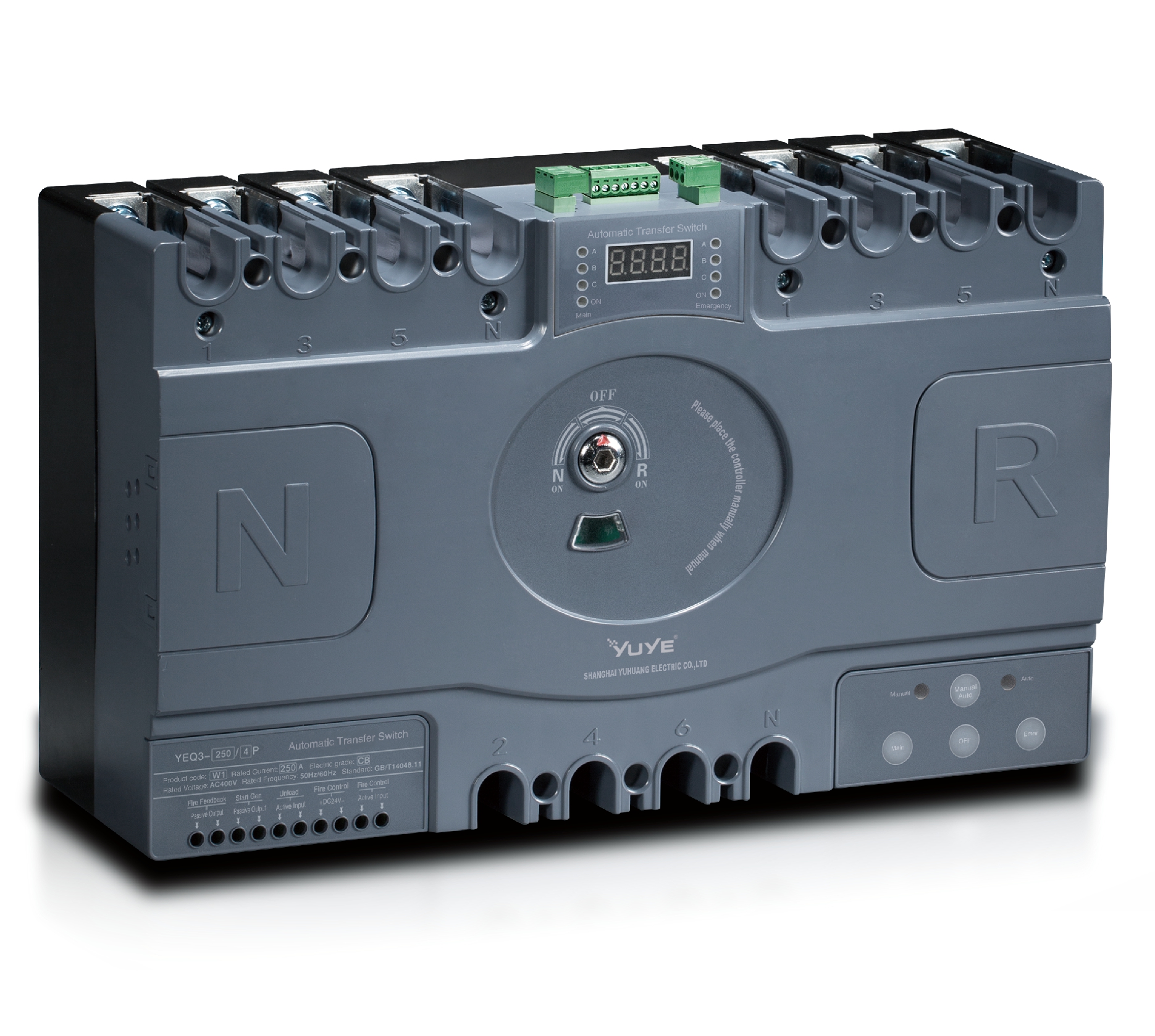
PC ATS YECT1-2000G
PC ATS YES2-63~250GN1
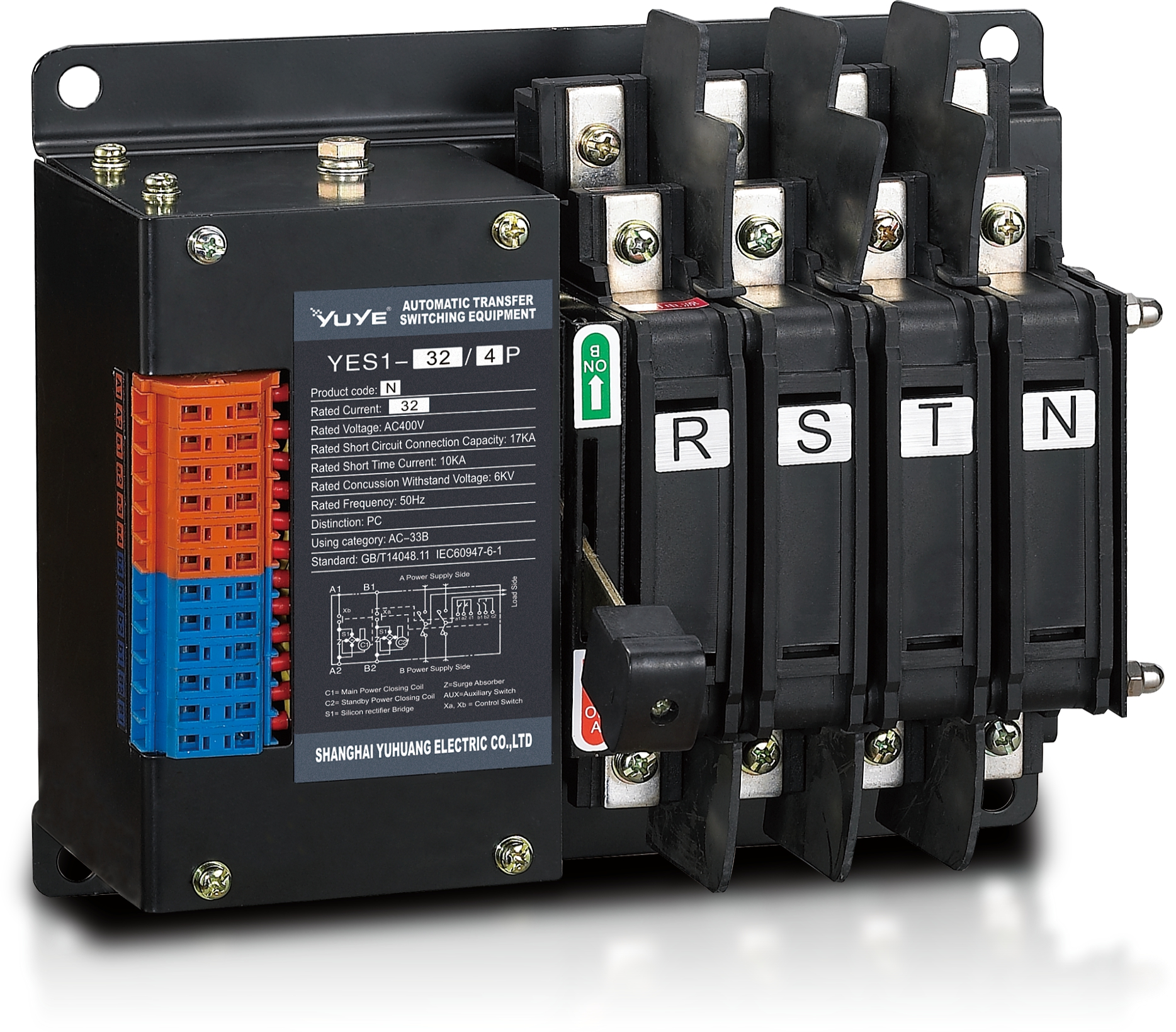
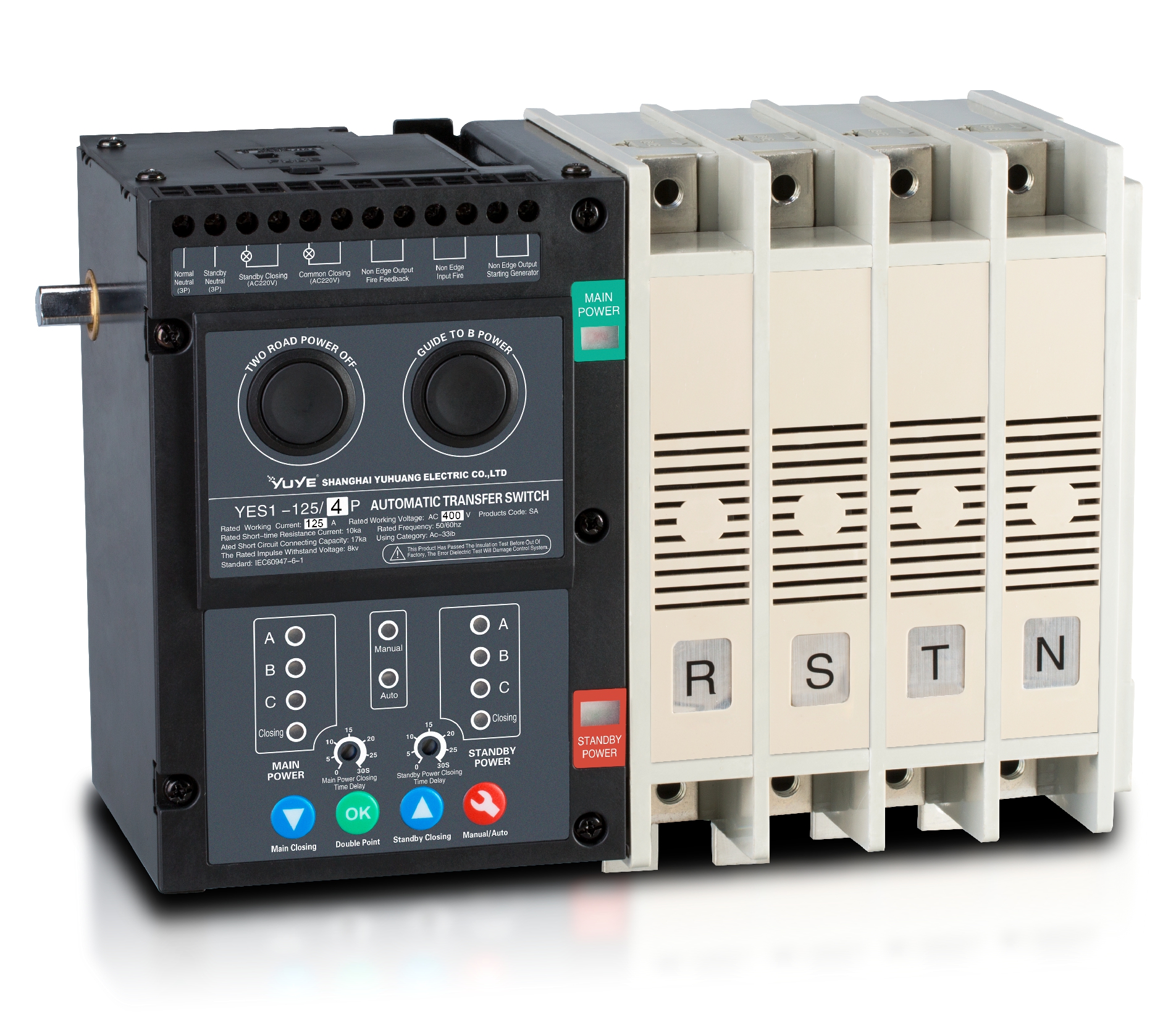
Solenoid-type ATS YES1-32~125N
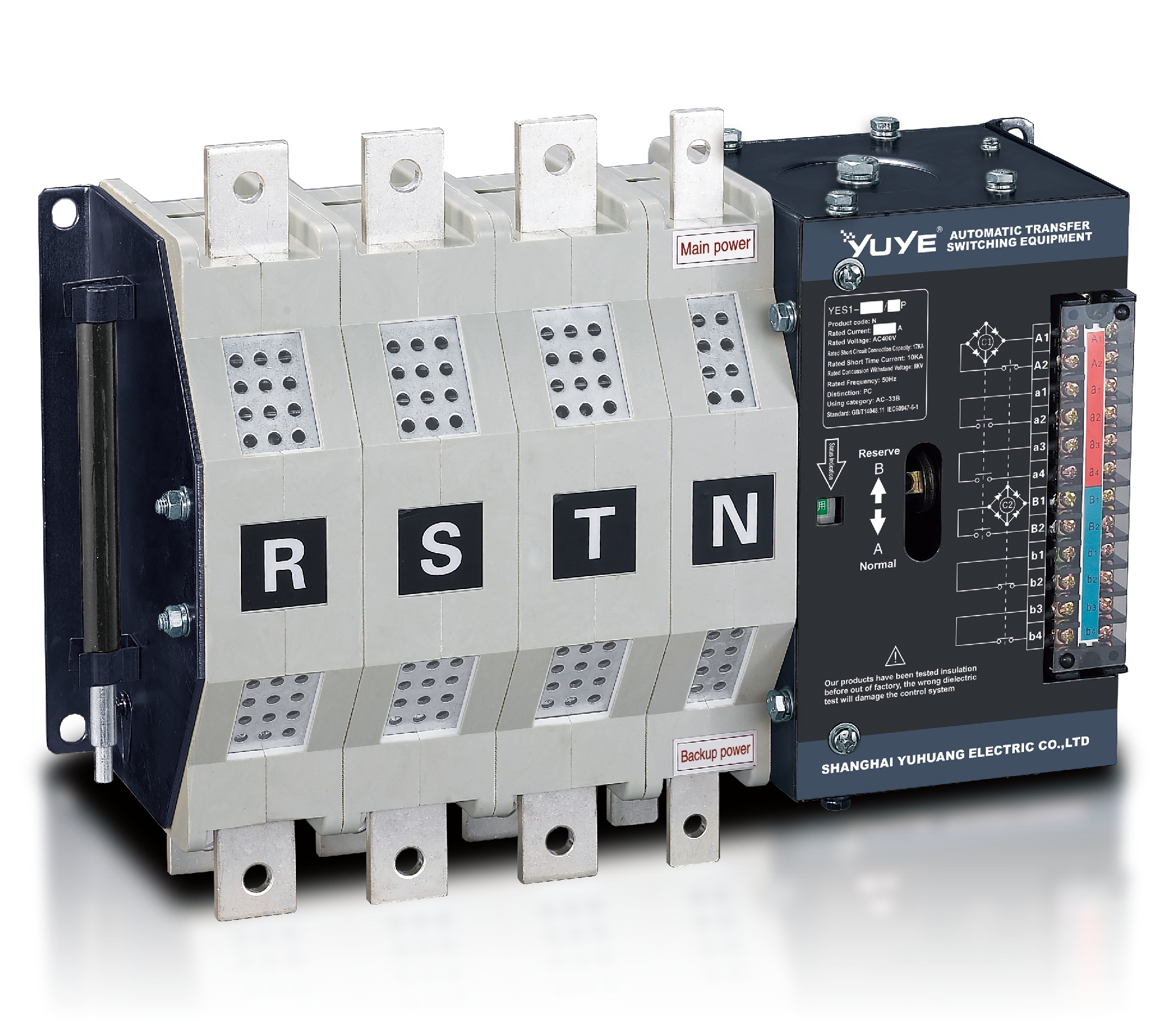
Solenoid-type ATS YES1-250~630N/NT
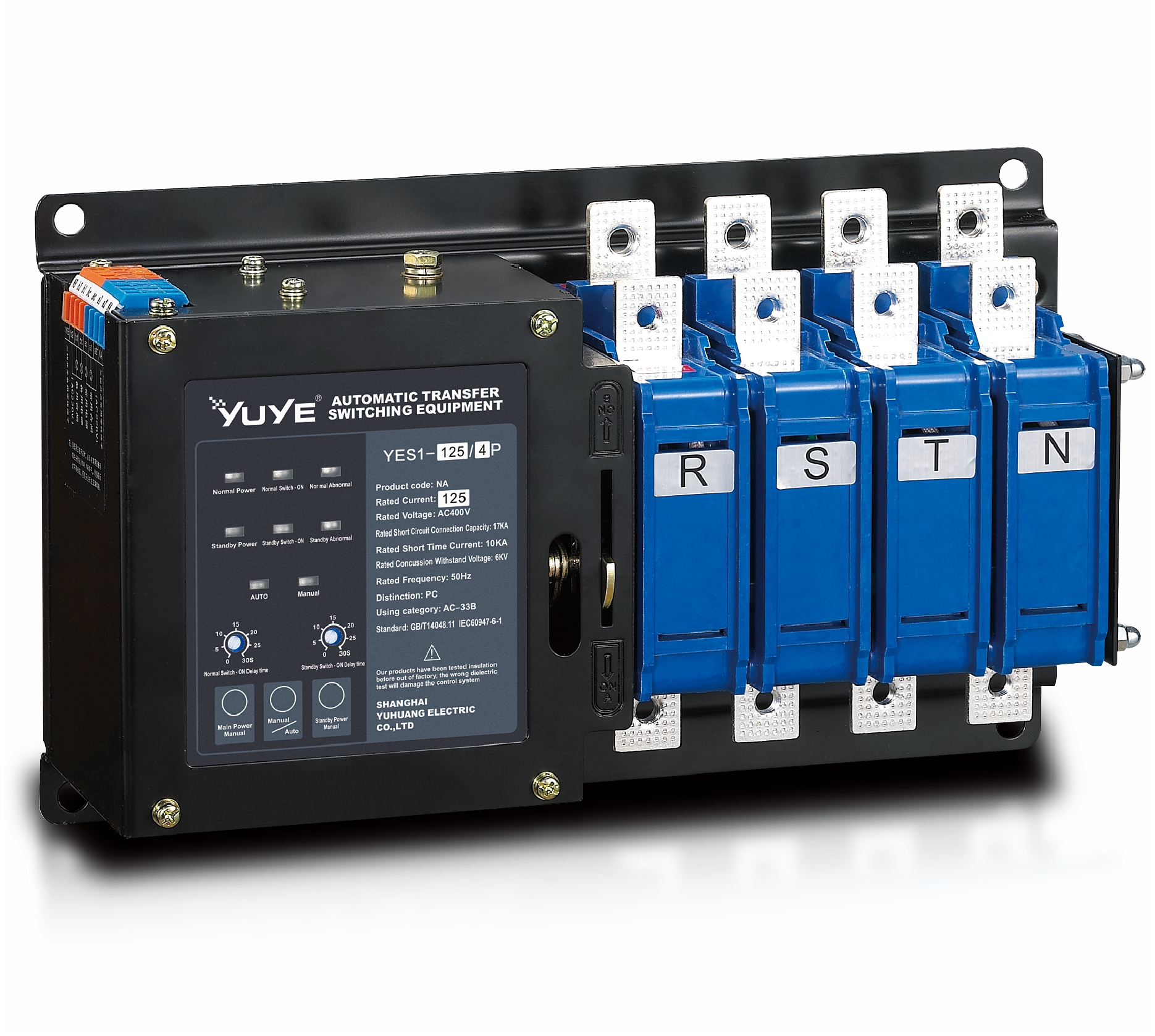
Solenoid-type ATS YES1-32~125NA
Solenoid-type ATS YES1-63~630SN
Solenoid-type ATS YES1-1250~4000SN
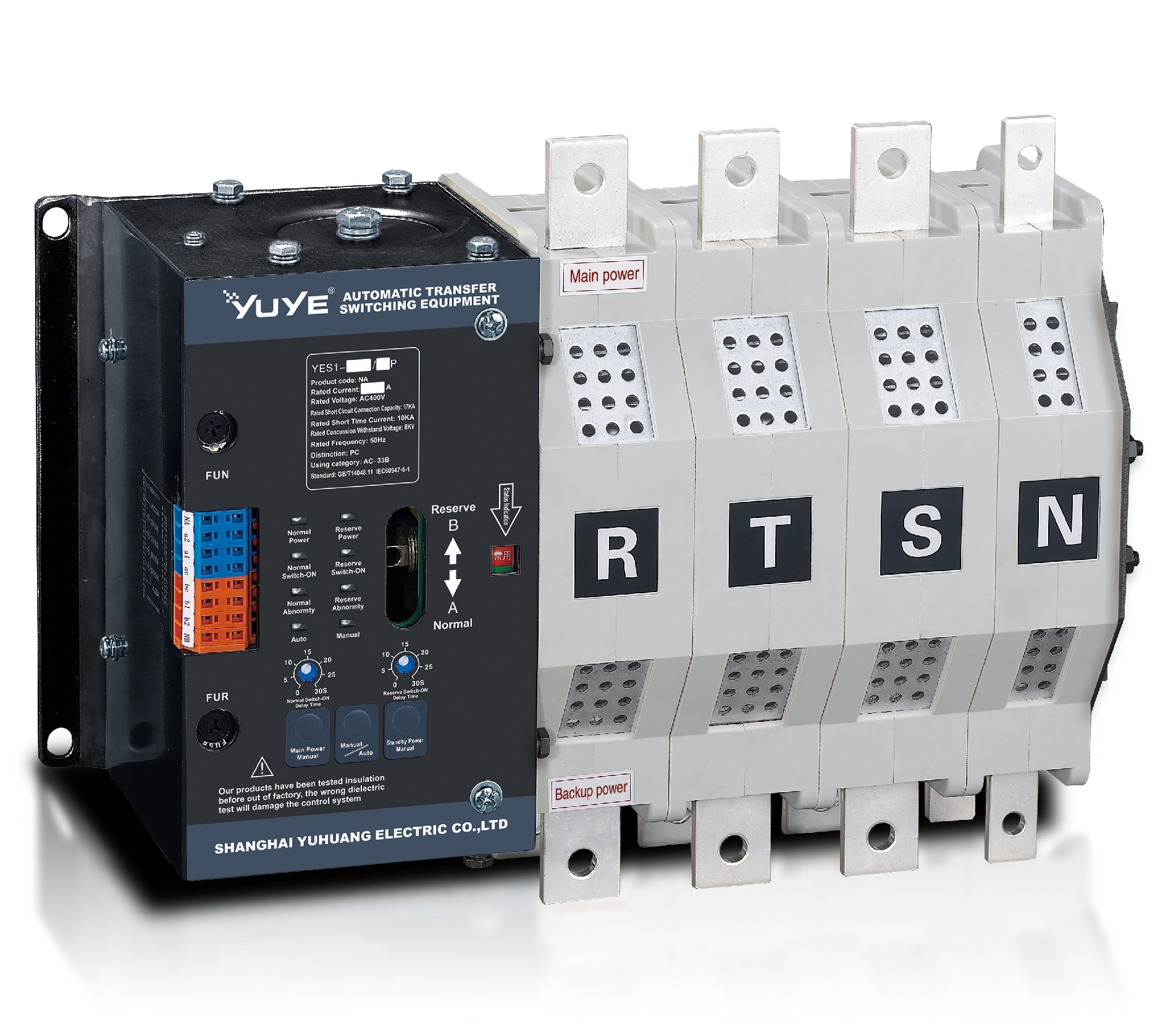
Solenoid-type ATS YES1-250~630NA/NAT
Solenoid-type ATS YES1-63NJT
PC ATS YES1-100~1600GN1/GN/GNF
PC ATS YES1-2000~3200GN/GNF
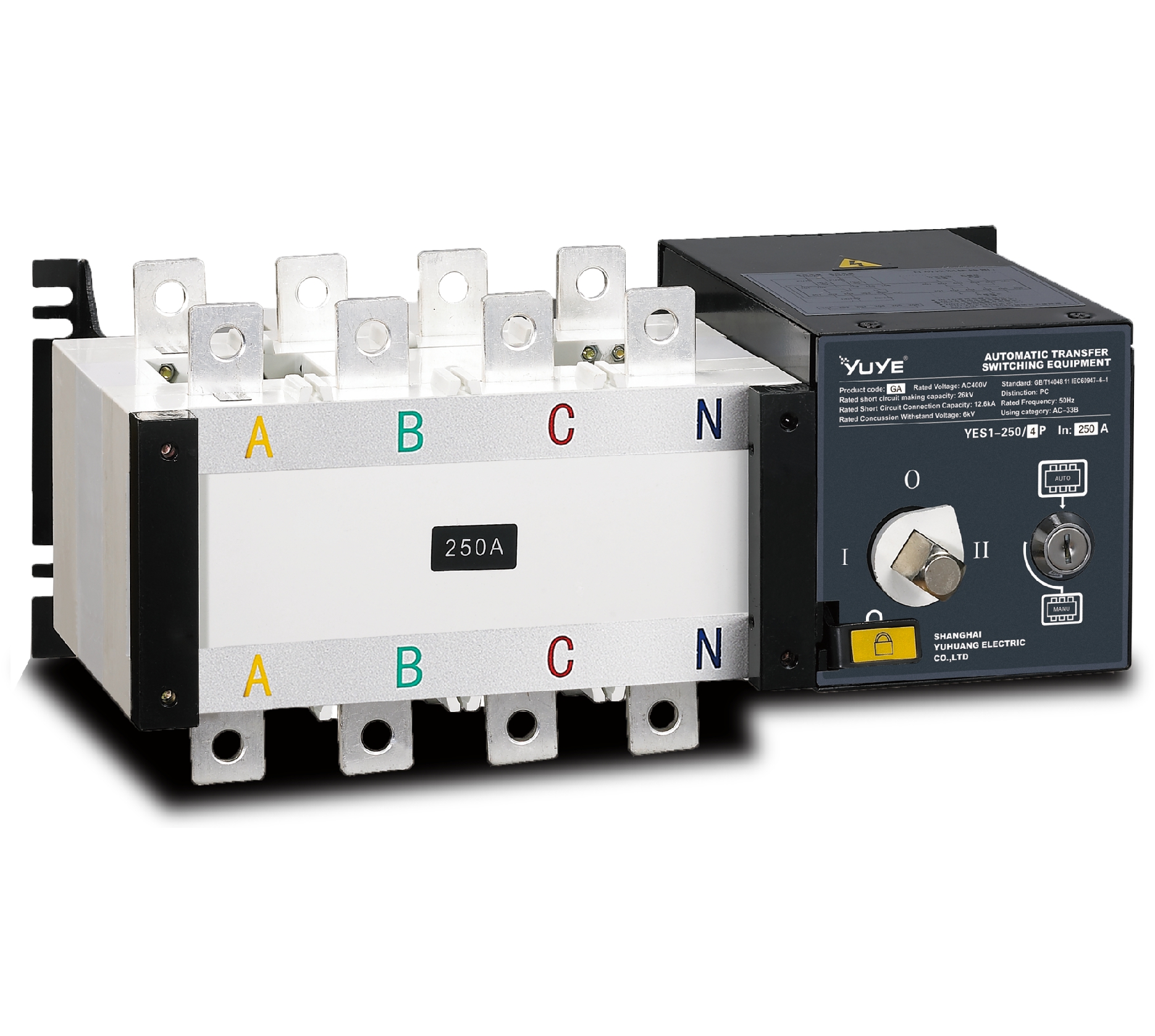
PC ATS YES1-100~3200GA1/GA
Solenoid-type ATS YES1-63~630SA
Solenoid-type ATS YES1-63~630L/LA
Solenoid-type ATS YES1-63~630LA3
Solenoid-type ATS YES1-63MA
PC ATS YES1-630~1600M
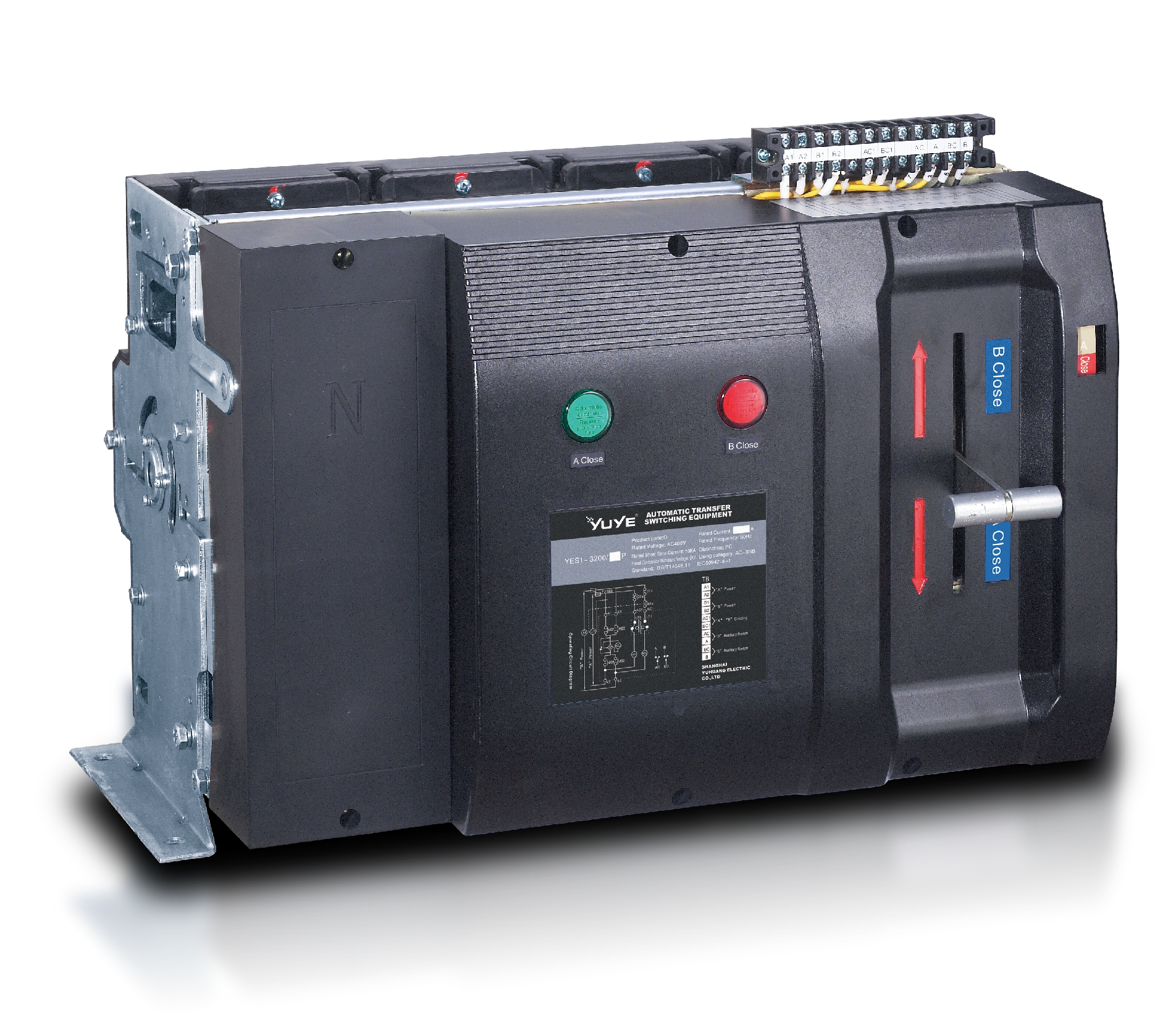
PC ATS YES1-3200Q
Solenoid-type ATS YES1-4000~6300Q
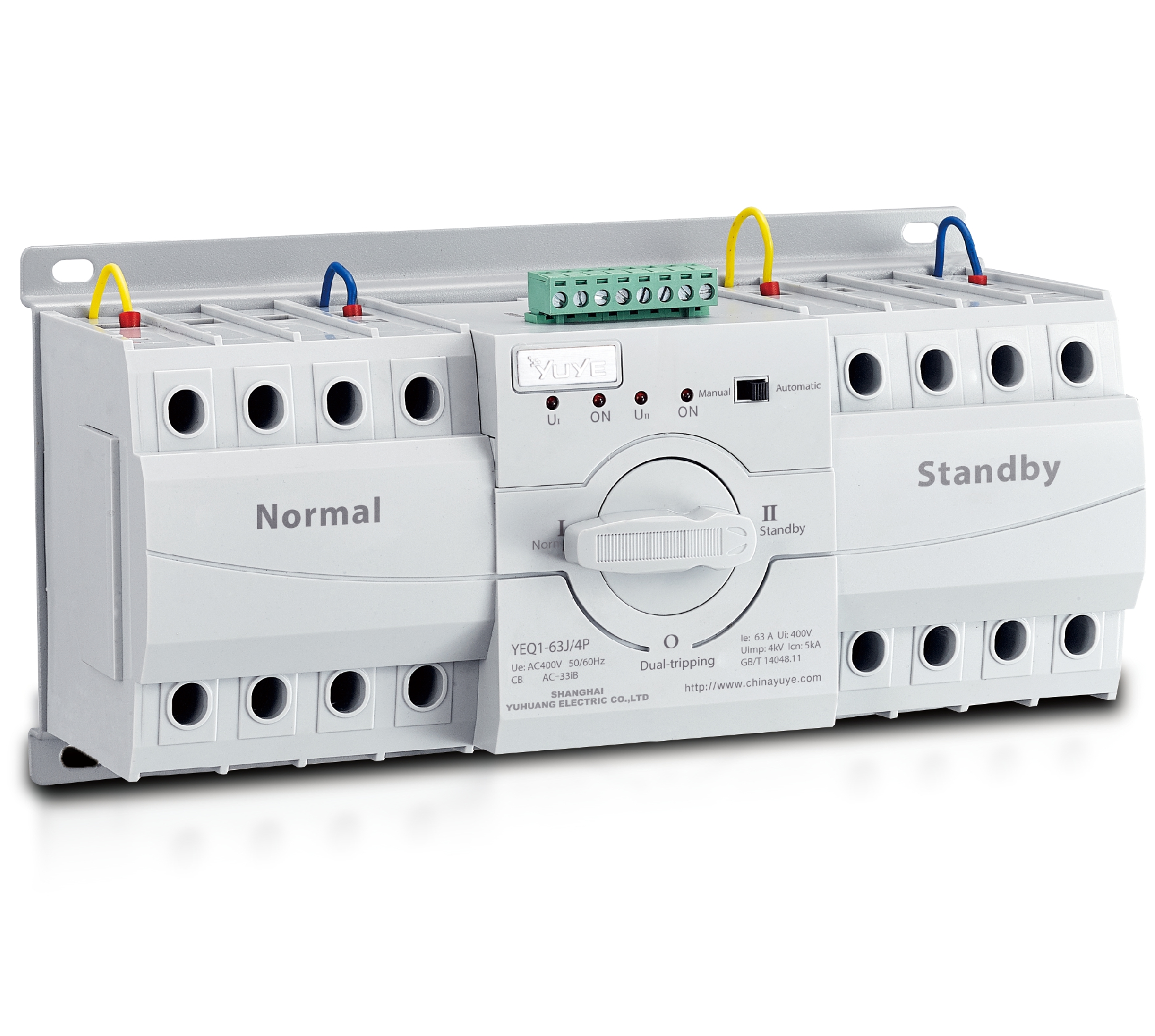
CB ATS YEQ1-63J
CB ATS YEQ2Y-63
CB ATS YEQ3-63W1
CB ATS YEQ3-125~630W1
ATS controller Y-700
ATS Controller Y-700N
ATS Controller Y-701B
ATS Controller Y-703N
ATS Controller Y-800
ATS Controller W2/W3 Series
ATS switch Cabinet floor-to-ceiling
ATS switch cabinet
JXF-225A power Cbinet
JXF-800A power CbinetPicking out a DualPower Automatic Transfer Switch brand in 2026 isn't just about scanning price tags or flipping through product brochures. Trust me, reliability really hinges on the transfer mechanism—how accurately it senses changes—plus the quality of the enclosure and the support you get afterward. Whether it’s in a hospital, factory, data center, or commercial building, waiting just a few seconds can really throw a wrench in equipment, production lines, or critical communications. That’s why top brands need to stand up to heat, dust, voltage swings, and constant switching cycles without breaking a sweat.
Power industry expert John W. Toigo hits the nail on the head when he says, “An automatic transfer switch is only as dependable as the system around it.” It’s a perfect reminder for anyone shopping in this space. Brands like Schneider Electric, Eaton, ABB, Siemens, Socomec, Generac, and Vertiv all bring their own strengths to the table. Some really shine in monitoring features, while others focus on rugged build quality, flexible setups, or having a solid global support network. When it comes to DualPower Automatic Transfer Switches, if you need straightforward controls, steady performance, and adaptable options, those solutions definitely deserve a closer look.
Of course, no one brand is perfect for every situation. What works great in a big data center might not be the best fit for a small manufacturing plant. Things like local tech support, availability of replacement parts, controller compatibility, and the quality of installation can seriously impact how well these switches perform in real life. So, we’re not just relying on the specs on a brochure—we’ll dig into the actual field experience. Sometimes, a switch might look fantastic on paper but fall flat because of poor installation habits or overlooked details. This guide is here to help you weigh those factors, based on reliability, technical features, safety features, customer support, and value over the long haul.
A dualpower automatic transfer switch connects two power sources to one electrical load. It normally monitors the primary supply continuously. When voltage fails or becomes unstable, the controller sends a start signal to the standby source. After the backup reaches acceptable voltage and frequency, the switch transfers the load. Mechanical and electrical interlocks help prevent both sources from connecting together.
In practical installations, the two sources may be utility power and a generator, or two separate utility feeders. The switch must match the system’s voltage, current, phase, frequency, and switching method. During inspections, I check terminal tightness, neutral switching, enclosure condition, and the event history. A loose connection can create heat before anyone notices. One lesson worth revisiting is simple: a high-rated switch cannot correct poor installation design. Qualified professionals should confirm local electrical requirements and test the complete transfer sequence.
Tips: Choose a unit with clear status indicators and manual override controls. Test it under realistic load conditions, not only with an empty panel. Record transfer time, source voltage, and fault messages. Battery-backed controllers also need periodic inspection. Shortcuts often become expensive.
A dual-power automatic transfer switch connects one load to two available power sources. It continuously monitors voltage, frequency, and phase on the preferred source. When that supply fails, the controller confirms the fault before acting. It then starts the backup generator when required. After the backup becomes stable, motor-driven contacts move the load across. Mechanical and electrical interlocks prevent both sources from connecting together. That protection is essential.
When normal power returns, the controller usually waits through a return-delay period. This prevents immediate switching during unstable restoration. The switch then transfers the load back and allows the generator to cool down. In site inspections, I check event logs, terminal tightness, sensing wires, and neutral arrangements. A common assumption, which I once made, is that every switch handles neutral conductors identically. It does not. System grounding and local installation rules can change the correct configuration.
Tips: Test the switch under controlled conditions, not only through its display. Record transfer time and source voltage. Inspect contacts for heat marks. Keep sensing connections separate from noisy power cables. Review maintenance records after every test. Small omissions matter. A failed battery, loose terminal, or incorrect delay setting can leave a critical load without dependable power.
When comparing 2026 dual-power automatic transfer switches, I examine performance before appearance. The controller should detect source failure accurately and transfer loads within a clearly stated time. Check whether the unit supports utility-generator, generator-generator, or other dual-source arrangements. Compatibility matters.
Compare rated current, voltage, frequency, number of poles, and short-circuit withstand capacity. A 100-amp rating means little if the enclosure overheats under continuous operation. Look for adjustable time delays, phase-loss detection, undervoltage settings, and manual test controls. These features help prevent unnecessary transfers during brief voltage dips. Numbers can mislead.
In practical panel inspections, accessible terminals and clear status indicators save valuable maintenance time. Evaluate automatic and manual operating modes, alarm outputs, communication ports, and event logs. A sealed enclosure may suit dusty rooms, while a ventilated design can manage heat better. Installation space matters too. I also check terminal torque guidance, wiring diagrams, service access, and documented testing procedures. Certification records and local installation requirements should be verified before purchase. I still question overly broad temperature claims when no load conditions are provided. A switch that works perfectly in a clean workshop may behave differently beside a vibrating generator. Schedule realistic transfer tests, record response times, and inspect contacts after repeated cycles.
Top Dualpower Automatic Transfer Switch Brands in 2026 are judged by more than price or attractive specifications. Leading manufacturers usually provide tested switching performance, clear wiring diagrams, and dependable technical support. In real installations, the cabinet door, terminal spacing, and controller display matter as much as the transfer time.
Experienced electricians often check whether the switch handles utility and generator sources without false transfers. A reliable model should include mechanical interlocking, adjustable voltage settings, and visible position indicators. Some advanced units record transfer events, voltage loss, and recovery time. That history helps technicians locate faults after a night-time outage. It sounds minor. It is not.
Strong manufacturers also publish temperature ratings, short-circuit withstand data, and maintenance procedures. Regional certification must match the installation site. A four-pole design may suit systems requiring neutral switching, while a three-pole unit can fit other applications. Correct sizing depends on continuous load, motor starting current, and future expansion. I have seen oversized units create unnecessary costs, while undersized units become hot under pressure. That mistake deserves more attention.
The best 2026 options combine stable controllers with durable contact assemblies and practical service access. A fast transfer is useful, but predictable operation matters more. Buyers should inspect warranty terms, spare-part availability, and response times before approval. Marketing language can be vague. Test reports are stronger evidence. Even then, installation quality can weaken an excellent switch. Loose terminals, poor grounding, or incorrect phase rotation may cause failures that no brand can fully prevent.
| Evaluation Category | ATS Configuration | Common Rating Range | Typical Transfer Behavior | Applicable Standards or References | Best-Fit Applications | Key Verification Point |
|---|---|---|---|---|---|---|
| Standard open-transition ATS | Break-before-make | Commonly available from low-voltage ratings to several thousand amperes | The connected load is briefly disconnected before the alternate source is connected | IEC 60947-6-1; UL 1008 where applicable | Commercial buildings, small data rooms, backup generators, and general standby loads | Confirm source voltage, frequency, pole configuration, short-circuit rating, and controller settings |
| Delayed-transition ATS | Break-before-make with an adjustable neutral or load-disconnect interval | Usually specified for low-voltage emergency and standby distribution systems | Adds a controlled delay to allow motor loads and stored energy to decay before reconnection | IEC 60947-6-1; project-specific emergency-power requirements | Motor-heavy facilities, HVAC systems, pumps, and installations sensitive to out-of-phase reconnection | Check programmed delay range, retransfer logic, engine cooldown timing, and motor-restart requirements |
| Closed-transition ATS | Make-before-break with controlled source paralleling | Common in critical low-voltage systems where momentary interruption is unacceptable | Both sources overlap briefly while voltage, frequency, and phase conditions are monitored | IEC 60947-6-1; utility interconnection and local electrical-code requirements may apply | Healthcare, semiconductor production, data centers, and process-critical facilities | Verify utility approval, synchronization limits, maximum paralleling time, and reverse-power protection |
| Bypass-isolation ATS | ATS with a manually or electrically operated bypass path | Typically selected for critical systems requiring maintainability | The transfer mechanism can be isolated for inspection or replacement while the load remains energized | UL 1008 where listed; IEC 60947-6-1 for applicable IEC installations | Hospitals, airports, data centers, and other facilities with strict maintenance requirements | Review mechanical interlocks, isolation procedure, arc-flash labeling, and service clearances |
| Automatic mains-failure controller | Utility monitoring with generator start and transfer commands | Designed for single- or three-phase source monitoring | Detects undervoltage, overvoltage, phase loss, phase reversal, and frequency abnormalities according to configuration | NFPA 110 for emergency and standby power systems where adopted; local code remains controlling | Generator-backed buildings, telecommunications sites, and remote power installations | Confirm sensing thresholds, time delays, generator start contacts, and battery-backed controller operation |
| Smart-networked ATS | ATS with communications, event logging, and remote diagnostics | Available across a broad range of low-voltage applications | Provides automatic operation plus status, alarm, measurement, and maintenance information | Communication protocol and cybersecurity requirements depend on the installation | Data centers, facility-management systems, industrial plants, and distributed energy sites | Check protocol support, password management, event time stamps, firmware policy, and network segregation |
| Solar, storage, or microgrid-compatible ATS | Source-transfer equipment coordinated with inverter-based resources | Rating must be matched to the available fault current and inverter operating mode | Transfer logic may require islanding, anti-islanding, synchronization, and controlled reconnection | IEEE 1547 requirements may apply to distributed-energy interconnection; local rules also apply | Microgrids, battery energy-storage systems, renewable-energy facilities, and resilient buildings | Verify inverter compatibility, islanding sequence, neutral switching, grounding method, and utility interconnection approval |

Note: Actual ratings, transfer times, certifications, and control features vary by configuration and jurisdiction. Always confirm the latest product documentation, test reports, and local electrical-code requirements before specification.
2026 Best Dualpower Automatic Transfer Switch Brands
Residential, commercial, and industrial systems need different transfer priorities. In a home, a dual-power automatic transfer switch can move essential circuits to a standby generator within seconds. It may protect refrigeration, medical equipment, pumps, and internet hardware. The U.S. Energy Information Administration reported 137.3 minutes of average customer interruption time in 2023, excluding major events. Including them, the figure reached 376.6 minutes. That gap shows why local outage history matters.
Commercial buildings require more disciplined load management. Retail stores, offices, and clinics often separate emergency lighting, elevators, fire systems, and cooling loads. A correctly sized switch should verify source voltage, frequency, phase sequence, and generator stability before transferring. NFPA 110 emphasizes reliable emergency power performance, while UL 1008 and IEC 60947-6-1 provide important transfer-switch requirements. Certification is useful. It is not a substitute for site testing.
Industrial facilities face harsher conditions. Motors create inrush currents, production lines dislike brief interruptions, and dust or heat can shorten component life. Dual-source systems may support pumps, compressors, control panels, and safety circuits. Real commissioning should include simulated source failure, delayed retransfer, manual operation, and maintenance bypass checks. Field conditions are less tidy. A high current rating alone can mislead. Engineers should review fault levels, selective coordination, enclosure protection, service access, and generator capacity together. The best 2026 selection is therefore application-specific, documented, and tested under realistic operating conditions.
The chart presents representative nominal current ratings commonly used for dual-power automatic transfer switch systems. Residential installations typically serve smaller essential loads, while commercial and industrial systems require higher-capacity switching for larger distribution networks, critical equipment, and standby generators.
2026 Best Dualpower Automatic Transfer Switch Brands
How to Choose the Right Dualpower Transfer Switch
Choosing a dualpower automatic transfer switch starts with the load, not the enclosure. Record normal current, starting current, voltage, frequency, and the number of poles. A motor may draw five to seven times its running current during startup. Undersizing the switch can cause nuisance transfers or welded contacts. Check the short-circuit current rating against the installation’s available fault current. IEC 60947-6-1 provides a useful reference for transfer switching equipment.
Transfer speed also needs careful judgment. Critical control systems may require fast switching, while motors can need a timed delay to avoid mechanical stress. Confirm whether the neutral must switch, especially with separately derived generator systems. Bypass-isolation features are valuable when technicians need maintenance without shutting down essential circuits. Uptime Institute’s 2024 Annual Outage Analysis reported that 54% of respondents experienced outages costing more than $100,000. Maintenance access is not a minor detail.
Look beyond the catalog. Request factory test records, temperature-rise results, endurance data, and protection coordination documents. Ask how the controller behaves when utility voltage fluctuates for several seconds. Test local and remote operation under realistic load conditions. Do not rely only on a fast transfer claim. It can be impressive, but poorly coordinated timing may create a second problem. NFPA 110 also offers practical guidance for emergency and standby power systems. A careful site survey may reveal that the cheapest option lacks space for future circuits. That mistake is easy to make.
Reliable installation begins with a verified load calculation, not a catalog rating. A dual-power automatic transfer switch must match the generator, utility supply, voltage, frequency, and available fault current.
The U.S. Energy Information Administration reported an average of 5.5 hours of electricity interruptions per customer in 2023, including major events. That figure makes transfer reliability a practical concern, not a technical luxury. Installers should confirm phase sequence, neutral switching, grounding, enclosure protection, and short-circuit ratings. Poor cable termination can create heat within minutes.
Safety comes from controlled procedures. Only qualified personnel should isolate sources, apply lockout and tagout, and test the absence of voltage. NFPA 110 and IEC 60947-6-1 provide useful guidance for emergency power systems and transfer equipment.
The 2024 Uptime Institute Annual Outage Analysis also identifies power failures as a continuing cause of critical interruptions. Maintenance should include visual inspection, terminal torque checks, insulation testing, control-battery inspection, and infrared scanning.
Test automatic transfer with realistic load conditions. A no-load test can hide contact wear. It is easy to overlook the neutral conductor. That mistake deserves reflection.
Maintenance records should show test dates, measured values, alarms, corrective actions, and technician qualifications. Some sites schedule tests but fail to review trends. That is not enough. A rising contact temperature or delayed transfer time may signal failure before an outage exposes it.
: It connects one electrical load to two available power sources. It normally uses the preferred source. If that source fails, it transfers the load to backup power.
Its controller monitors voltage, frequency, and phase. It confirms the fault before switching. This helps prevent reactions to brief voltage disturbances.
The controller can start the backup generator. The generator must reach stable voltage and frequency. Motor-driven contacts then move the load across.
Proper equipment uses mechanical and electrical interlocks. These prevent both sources from connecting together. That protection is essential.
It usually waits through a return-delay period. This avoids switching during unstable restoration. The load then returns to the preferred source. The generator may continue briefly for cooling.
No. Neutral switching depends on grounding and system design. Local installation rules also matter. This is easy to assume incorrectly. Review the arrangement carefully.
Confirm load demand, source voltage, frequency, phase sequence, and fault current. Check generator compatibility and enclosure protection. Verify cable terminations and short-circuit ratings. A loose terminal can create heat within minutes.
Test it under controlled, realistic load conditions. A display-only test may hide contact wear. Record transfer time and source voltage. Inspect contacts for heat marks, terminals, batteries, and sensing wires. Small omissions matter.
Record test dates, measured values, alarms, and corrective actions. Include technician qualifications and inspection findings. Review trends, not only individual results. A rising contact temperature may warn of failure.
A Dualpower Automatic Transfer Switch is a vital power-management device designed to move electrical loads between two available power sources when the primary supply becomes unstable or fails. This article explains how these switches detect voltage changes, initiate transfer, and restore the preferred source when conditions normalize. It also outlines key factors for comparing 2026 models, including switching speed, load capacity, control options, enclosure protection, monitoring functions, compatibility, and long-term reliability.
The guide reviews common applications in residential, commercial, and industrial systems, helping readers match a transfer switch to their power requirements and operating environment. It also presents practical selection advice based on system size, source types, installation conditions, and future expansion. Finally, it covers professional installation, routine inspection, testing, maintenance, and essential safety practices to support dependable operation and reduce the risk of equipment damage or power interruption.