In today's world, having a reliable power supply is more important than ever. That’s where an Automatic Transfer Switch (ATS) supplier really comes in handy. Basically, they provide the crucial gear that switches your power sources smoothly during outages—so you don’t get knocked out unexpectedly. Whether it’s your home or a business, this really helps keep things running without a hitch.
Picking the right ATS supplier isn’t exactly a walk in the park, though. You’ve got to think about quality, reputation, and whether they really know their stuff. It’s a good idea to look at their track record and maybe read some reviews—trust matters a lot here because their products directly affect your daily life. After all, you want someone you can rely on.
Now, not all suppliers are created equal. Some might cut corners to save a buck, but that can cost you in the long run when it comes to reliable power. Taking the time to weigh these factors can really help you make a smarter choice. At the end of the day, your main goal is uninterrupted power, and picking the right supplier can totally make all the difference.

What is an Automatic Transfer Switch and Its Functionality?
An Automatic Transfer Switch (ATS) is a crucial component in managing power supply systems. It ensures seamless switching between primary and backup power sources during outages. According to the Electric Power Research Institute, nearly 80% of businesses experience power outages that last for at least one hour annually. This statistic highlights the importance of having an ATS to mitigate downtime and maintain operational continuity.
The functionality of an ATS is straightforward yet vital. It continuously monitors the power supply. When it detects a failure, it instantly switches to the backup generator. Studies indicate that systems with ATS can reduce recovery time by up to 75%. This reliability is paramount in sectors like healthcare, where uninterrupted power is essential for patient safety. Many industries realize that without an ATS, they risk substantial financial losses during power disruptions.
However, not all ATS installations are perfect. Some may struggle with compatibility issues between existing systems and new technology. Ensuring proper integration is essential to avoid operational disruptions. Additionally, routine maintenance is often overlooked, which can lead to failures when most needed. Investing in an ATS is not merely about purchasing equipment; it involves ongoing commitment to operational integrity and reliability.
What is an Automatic Transfer Switch Supplier and Why You Need One? - What is an Automatic Transfer Switch and Its Functionality?
| Feature |
Description |
Benefits |
Application |
| Automatic Functionality |
Automatically switches power supply from the main to backup source during outages. |
Increases uptime and reliability of power systems. |
Commercial buildings, hospitals, data centers. |
| Manual Override |
Allows manual control to switch between power sources. |
Provides flexibility during system maintenance. |
Factories, large homes. |
| Transfer Time |
Duration taken to switch from main to backup power. |
Minimizes disruption, especially critical for sensitive equipment. |
Medical facilities, telecom towers. |
| Load Management |
Distributes electrical load across generators efficiently. |
Optimizes energy usage, can extend generator life. |
Commercial operations, industrial systems. |
| Safety Features |
Includes circuit protection and monitoring systems. |
Protects equipment and personnel from electrical faults. |
All installations requiring power reliability. |
Key Components of an Automatic Transfer Switch System
An Automatic Transfer Switch (ATS) is essential for ensuring a seamless power supply during outages. The key components of an ATS system play a vital role in its functionality. Power sensing mechanisms detect voltage drops. Once they identify a failure, the switch seamlessly transfers the load to a backup generator. This automatic action minimizes downtime and allows operations to continue smoothly.
Another important component is the control panel. It allows users to monitor the system's performance and status. User-friendly interfaces can enable quick diagnostics. Though effective, these systems require regular maintenance. Without routine checks, they may fail when you need them most. Conducting periodic tests can reveal hidden issues.
Additionally, the enclosure housing the ATS must be robust to protect internal components. Environmental conditions can jeopardize performance. Selecting the right material and ensuring proper installation is crucial. A well-maintained ATS system ensures a reliable power source, but it demands attention. Understanding these components can help enhance reliability and safety in critical situations.
Importance of Automatic Transfer Switch in Critical Power Applications
In critical power applications, the automatic transfer switch (ATS) plays a vital role. It ensures an uninterrupted power supply by automatically switching the power source during outages. This capability is essential for hospitals, data centers, and other facilities where equipment cannot experience downtime. An ATS can significantly enhance operational reliability, allowing users to focus on their core activities without worrying about power disruptions.
When implementing an ATS, consider the frequency of power outages in your area. Frequent outages increase the need for an ATS. It's also crucial to select an appropriate switch that meets your facility's power requirements. Oversizing can lead to unnecessary costs, while undersizing may compromise performance. Always consult with experts to determine the best specifications for your unique situation.
Power management can be complex. Stay informed about advancements in ATS technology. Regular maintenance is equally important. Neglected equipment can fail during critical moments. Therefore, set a schedule for routine inspections and testing. This oversight can prevent unexpected failures and ensure the smooth operation of your systems when it matters most.
Importance of Automatic Transfer Switch in Critical Power Applications
This bar chart illustrates the number of power outage incidents per year across various critical sectors that rely heavily on Automatic Transfer Switches (ATS) for continuous power supply during outages. Understanding these figures emphasizes the importance of ATS in ensuring operational resilience and stability in critical power applications.
Market Growth: Analyzing the Automatic Transfer Switch Industry Trends
The automatic transfer switch (ATS) market is experiencing significant growth, driven by increased demand for reliable power systems. According to a recent industry report, the global ATS market is projected to grow at a CAGR of around 6% from 2021 to 2026. This growth reflects the rising importance of uninterrupted power supply in various sectors, including healthcare, data centers, and manufacturing.
One key trend is the shift toward digital and smart technology in ATS systems. More suppliers are integrating IoT features, allowing for greater monitoring and control. Reports indicate that approximately 30% of new installations will include advanced analytics by 2025. However, while these advancements offer enhanced functionality, they also introduce complexity. Many companies struggle to find skilled personnel to manage these modern systems. This gap could hinder optimal utilization of new technologies.
The drive for sustainability also shapes the ATS industry. As businesses aim to reduce their carbon footprint, there is a notable increase in demand for eco-friendly solutions. In fact, a survey indicated that 40% of organizations prioritize energy efficiency in their power management strategies. Companies that do not adapt may find themselves at a competitive disadvantage. The evolving landscape presents both opportunities and challenges in the ATS sector, necessitating careful strategic planning.
Benefits of Using an Automatic Transfer Switch for Businesses
Automatic transfer switches (ATS) are critical for businesses relying on uninterrupted power. They provide an automatic backup solution during electrical failures, ensuring essential operations continue. An ATS detects power loss, swiftly switching to a backup generator. This process minimizes disruptions and enhances business continuity.
Using an ATS has several benefits. Firstly, it reduces downtime, which can result in lost revenue. For instance, if a grocery store loses power, the food could spoil, leading to significant losses. Furthermore, ATS systems help protect sensitive equipment from voltage fluctuations, which can cause expensive damage. Businesses that depend on technology, such as data centers, need this protection to maintain their integrity.
While the advantages are evident, some businesses may still hesitate. Initial installation costs can seem daunting. Additionally, not all businesses fully understand their power needs. It’s essential to evaluate which system best fits your business model. Regular maintenance might be overlooked, but it’s crucial for reliability. Reflecting on these factors can guide businesses in making informed decisions. An ATS is an investment in resilience, yet it requires thoughtful consideration.
How to Choose the Right Automatic Transfer Switch Supplier
Choosing the right automatic transfer switch supplier is crucial for both safety and efficiency. These switches play a key role in managing power supply during outages. A reliable supplier understands the technical specifications and compliance requirements of your industry. Look for suppliers with proven experience in providing quality products tailored to your specific needs. Request evidence of successful past projects and customer feedback.
Assessing expertise is essential. A knowledgeable supplier should provide clear information about their products and services. They should guide you on selecting the right switch based on voltage, load requirements, and usage frequency. Ask about their maintenance and support services as well. Quality support can mitigate risks associated with power failures.
Consider availability and delivery times. Delays can disrupt your operations. It’s also important to evaluate the warranty and terms of service. Unpacked contracts can be overwhelming. Pay attention to any terms that may seem unfavorable. A clear understanding of these details will ensure a smooth partnership. The expertise of your chosen supplier will significantly impact your power management strategy.
Case Studies: Successful Implementations of Automatic Transfer Switches
Automatic Transfer Switches (ATS) play a crucial role in ensuring continuous power supply during outages. In several case studies, organizations have successfully implemented ATS systems, leading to improved operational efficiency. For instance, a healthcare facility in Texas reported a 40% reduction in downtime with an ATS in place. This switch seamlessly transfers power from the grid to a backup generator, minimizing disruptions in crucial services.
Another example is a data center in California that adopted an ATS solution. They observed a 30% increase in uptime after implementation. The data center leveraged real-time monitoring, which allowed proactive maintenance. This prevented potential failures and mitigated risks associated with power loss. Industry reports indicate that companies implementing ATS can experience up to 50% fewer outages, a significant factor in sectors reliant on continuity.
However, the path to ATS implementation isn't without its challenges. Some organizations struggle with misconfigurations, leading to unnecessary delays during power transitions. Regular training for staff and reviewing operational protocols are necessary. Addressing these issues increases reliability and enhances trust in ATS systems. Case studies highlight that attention to detail in installation and maintenance can make a substantial difference.
Innovative Solutions for Electrical Safety: A Deep Dive into the Miniature Circuit Breaker YEPNLE-3~32
The Miniature Circuit Breaker YEPNLE-3~32 is an essential solution for ensuring electrical safety in various applications. Designed for efficiency and reliability, this circuit breaker provides a rated current of 6, 10, 16, 20, 25, and 32 amps, making it suitable for diverse electrical setups. With a pole configuration of 1P, it functions effectively within standard voltage ratings of 220V. Its design meets rigorous standards, including GB16917.1 and IEC1009.1, ensuring adherence to international safety protocols.
One of the key features of the YEPNLE-3~32 is its instantaneous overcurrent trip unit type C, which provides rapid response to electrical faults. This characteristic is vital for minimizing damage to electrical systems and enhancing overall safety. By quickly cutting off the power supply in the event of an overload, the circuit breaker prevents potential hazards such as electrical fires and equipment damage. Thus, it stands as a critical component in safeguarding both residential and industrial electrical installations, reinforcing the importance of choosing high-quality protective devices in contemporary wiring systems.
FAQS
utomatic Transfer Switch (ATS)?
Regular maintenance prevents failures during critical times. Neglecting checks can reveal hidden issues.
Consider the frequency of outages in your area and the specific power requirements of your facility.
The control panel allows users to monitor system performance and provides quick diagnostics for issues.
There is a shift towards digital and smart technology, integrating IoT features for improved monitoring.
Oversizing leads to extra costs, while undersizing risks inadequate power supply during outages.
The enclosure protects internal components from environmental hazards, ensuring reliable performance.
There is increased demand for eco-friendly solutions as businesses aim to reduce their carbon footprint.
Many companies struggle to find skilled personnel to manage the complexities of advanced systems.
Testing reveals potential issues early, helping to maintain a reliable power source when it's crucial.
Conclusion
An Automatic Transfer Switch (ATS) is a crucial component in ensuring continuous power supply during outages, automatically transferring electrical loads between primary and backup power sources. Its key components include relays, circuit breakers, and controllers, which together enhance the reliability of power applications, particularly in critical infrastructure such as healthcare and data centers. The importance of ATS is underscored by the growing market trends within the industry, reflecting an increasing demand for uninterrupted power solutions.
For businesses, utilizing an ATS brings significant benefits, including improved operational efficiency and enhanced safety. When selecting an Automatic Transfer Switch Supplier, it is essential to consider factors such as experience, product quality, and customer support. Successful case studies illustrate the effectiveness of ATS implementations, demonstrating their role in mitigating downtime and ensuring business continuity. Choosing the right supplier can ultimately determine the effectiveness of an ATS system in addressing specific power needs.

 PC ATS YECT1-2000G
 PC ATS YES2-63~250GN1
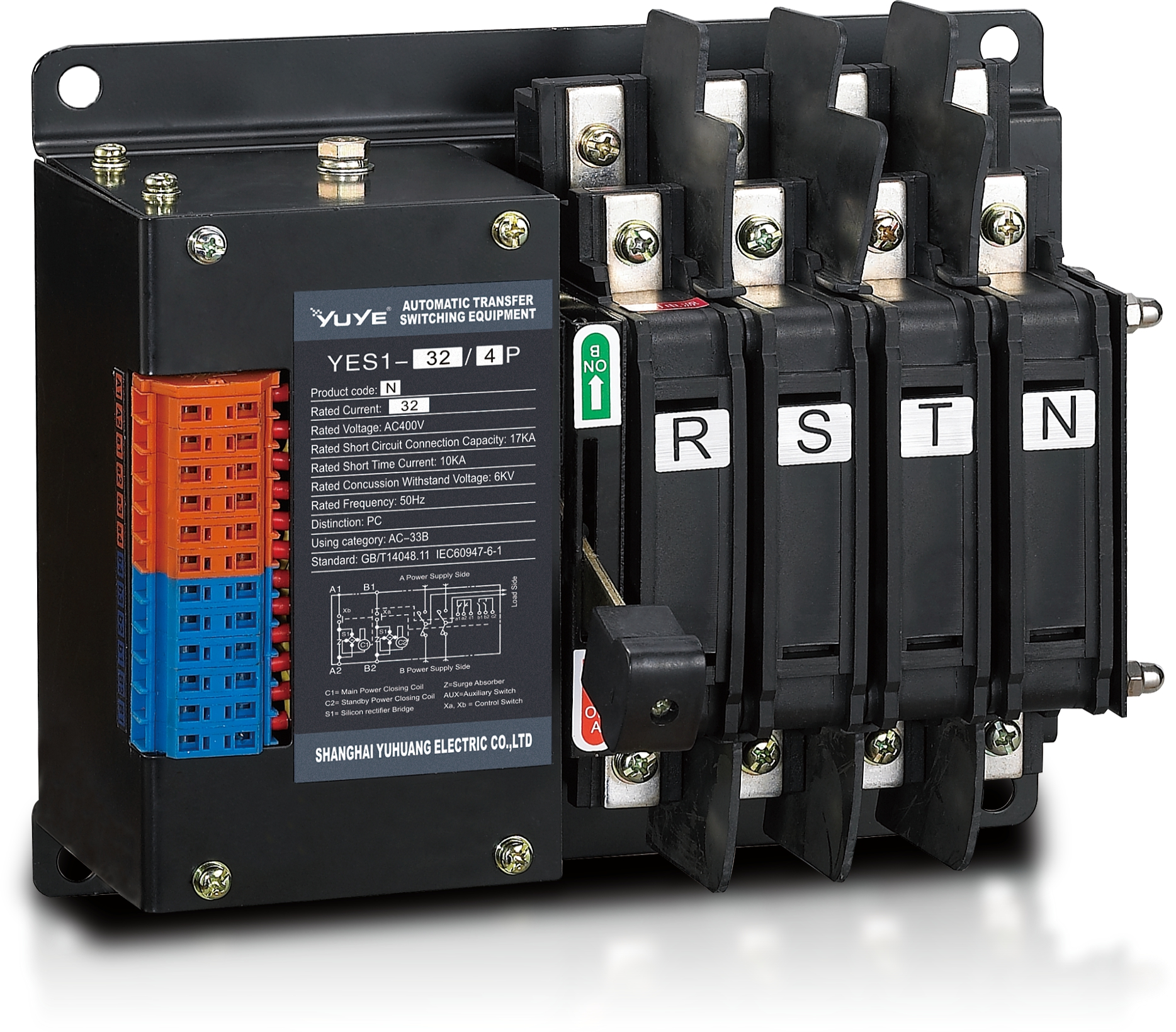 Solenoid-type ATS YES1-32~125N
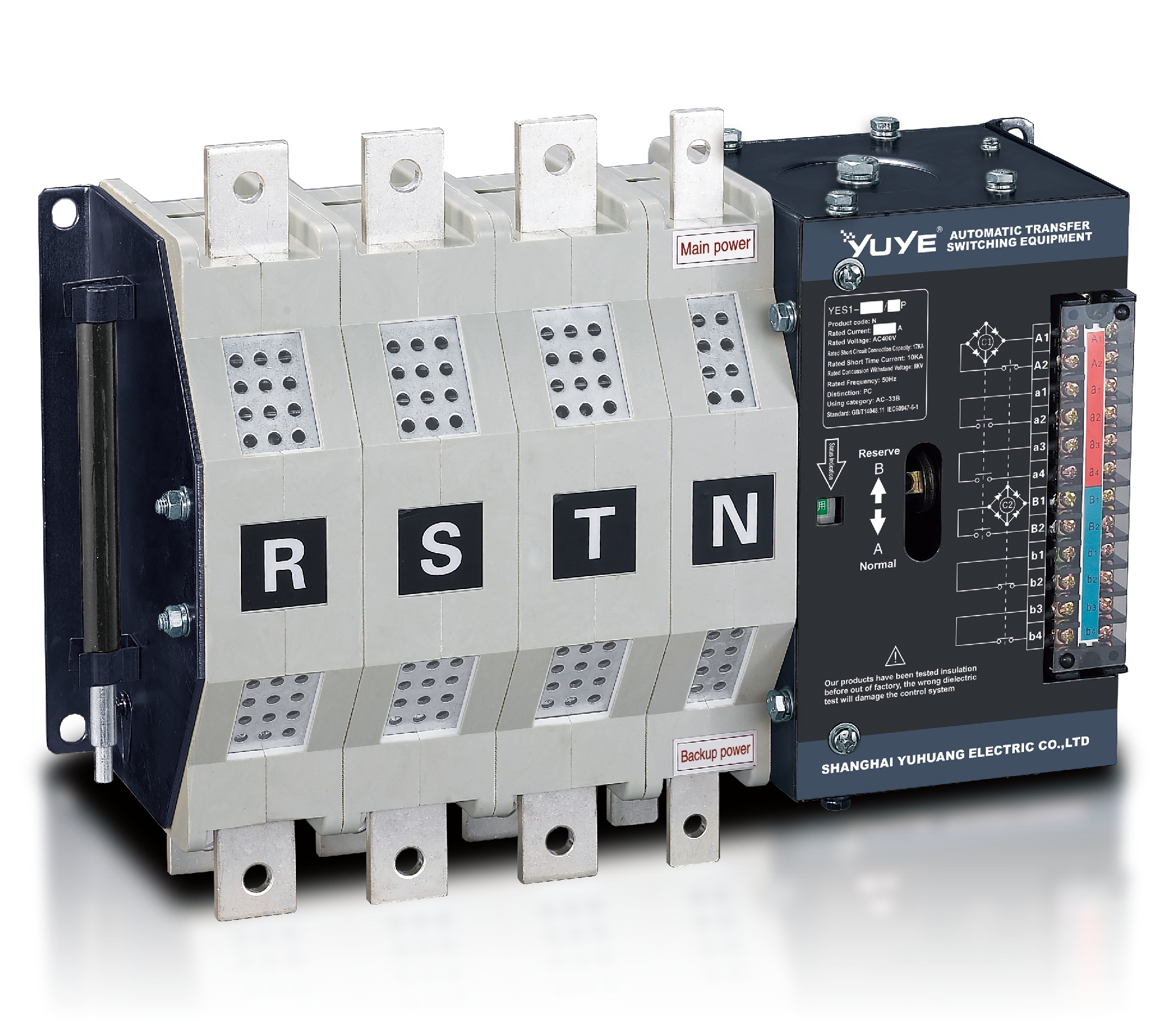 Solenoid-type ATS YES1-250~630N/NT
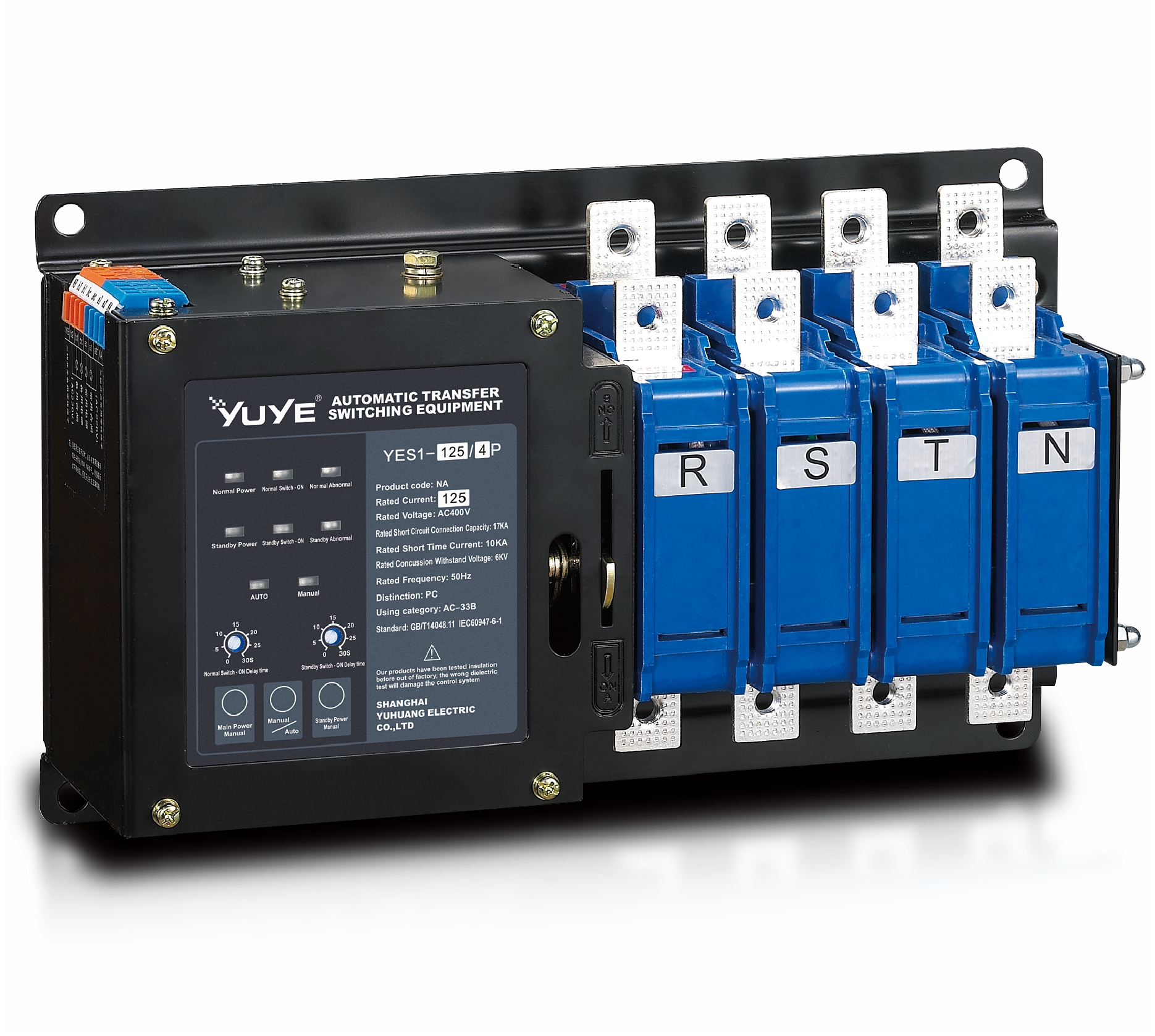 Solenoid-type ATS YES1-32~125NA
 Solenoid-type ATS YES1-63~630SN
 Solenoid-type ATS YES1-1250~4000SN
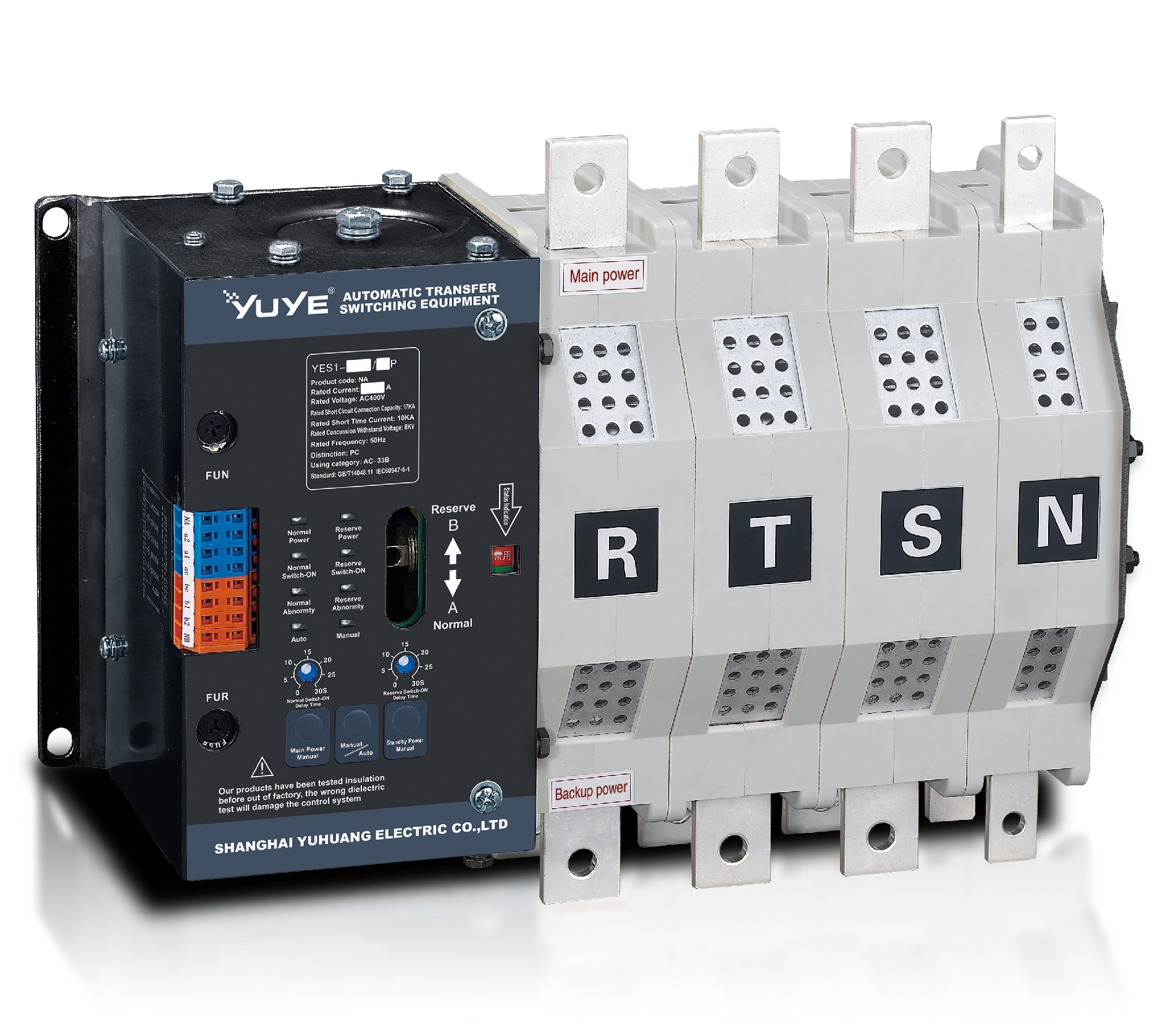 Solenoid-type ATS YES1-250~630NA/NAT
 Solenoid-type ATS YES1-63NJT
 PC ATS YES1-100~1600GN1/GN/GNF
 PC ATS YES1-2000~3200GN/GNF
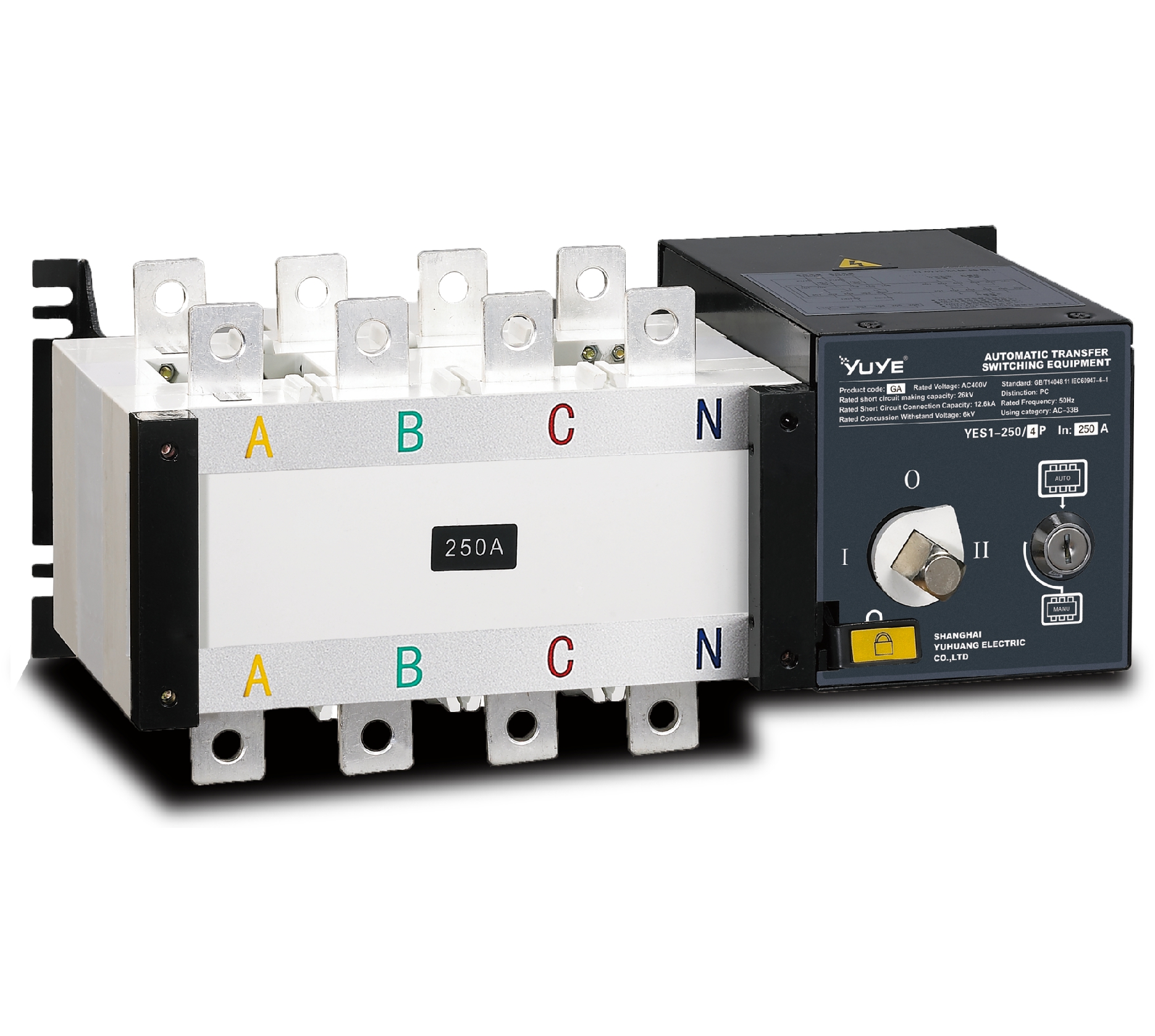 PC ATS YES1-100~3200GA1/GA
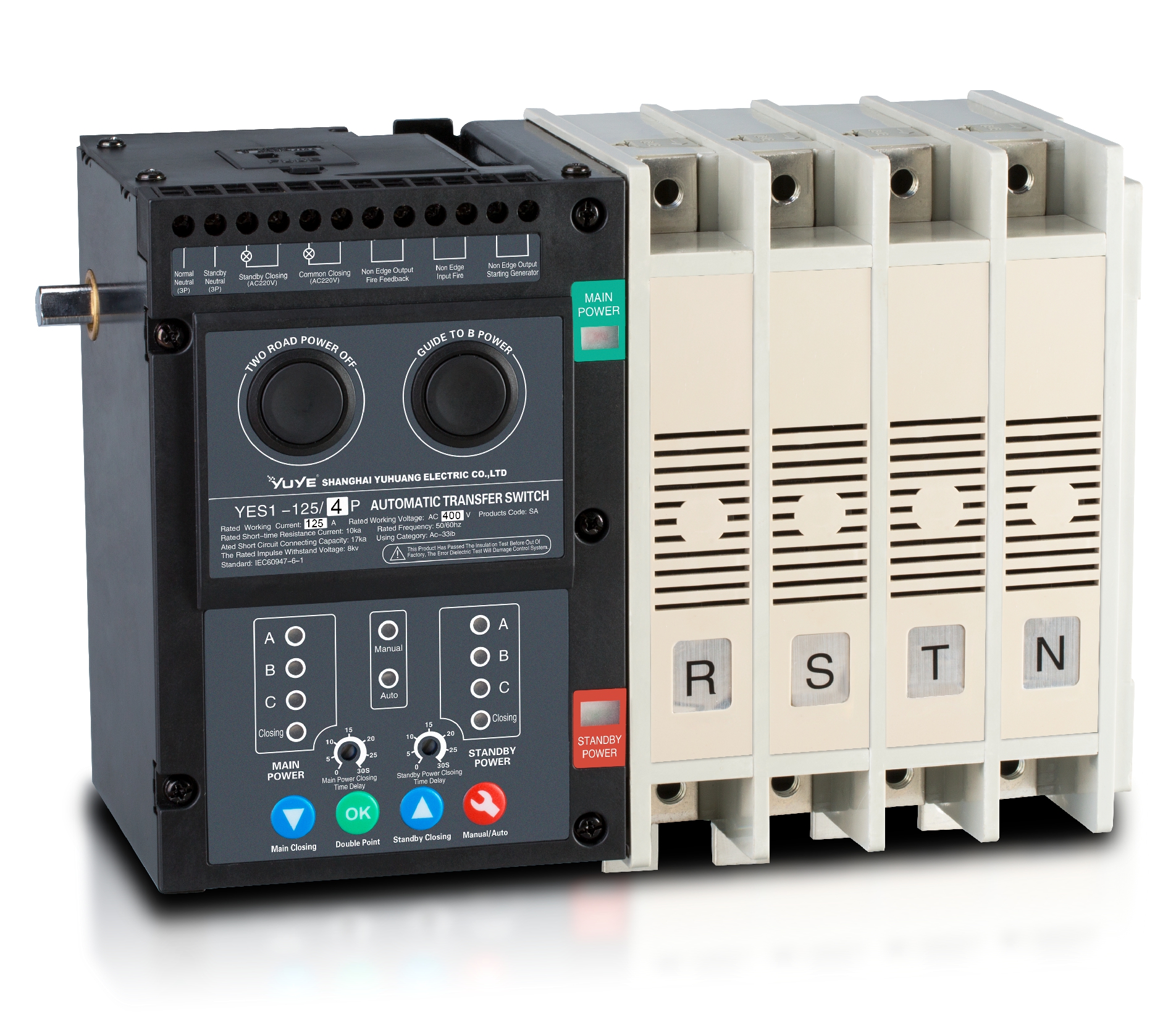 Solenoid-type ATS YES1-63~630SA
 Solenoid-type ATS YES1-63~630L/LA
 Solenoid-type ATS YES1-63~630LA3
 Solenoid-type ATS YES1-63MA
 PC ATS YES1-630~1600M
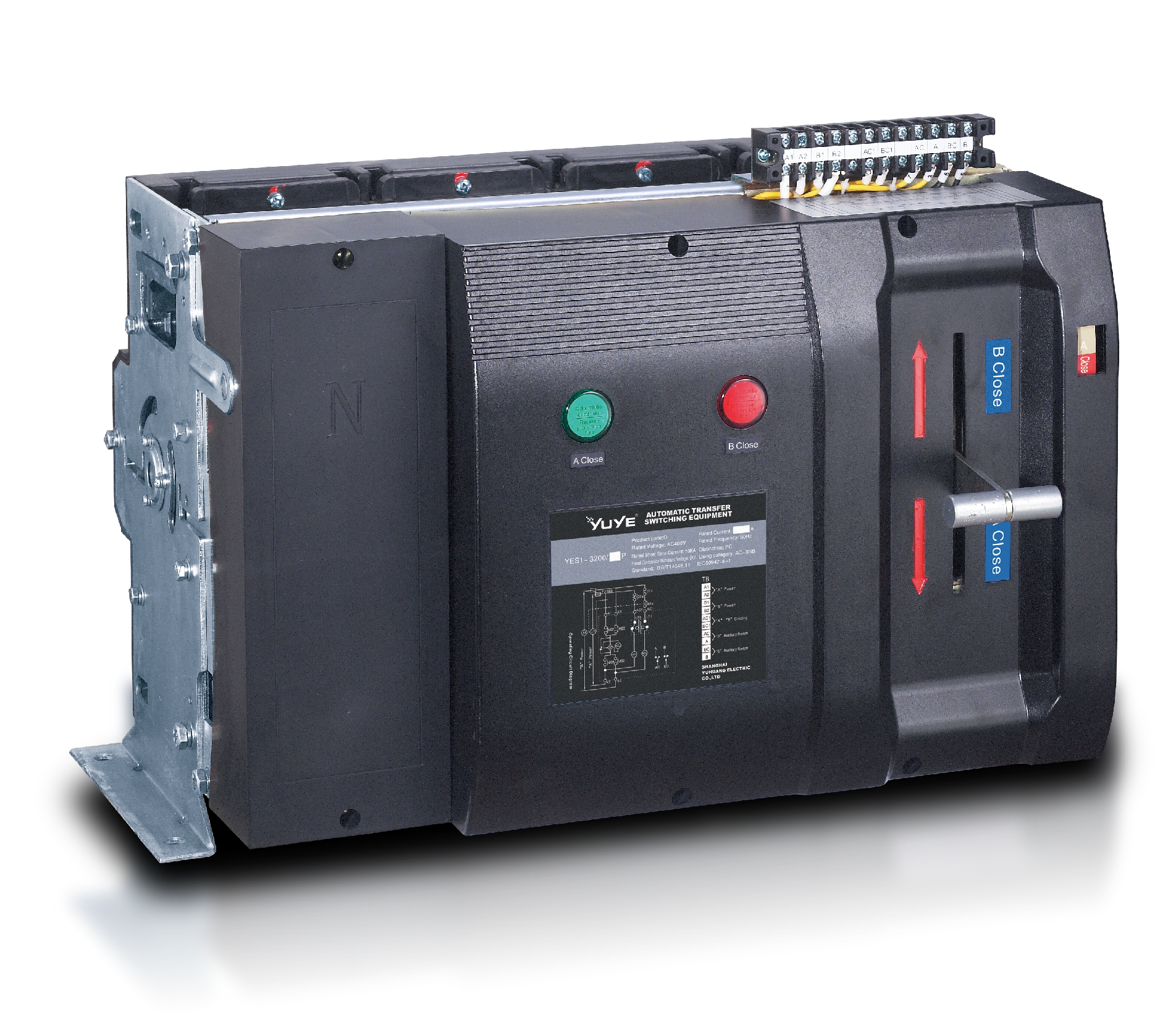 PC ATS YES1-3200Q
 Solenoid-type ATS YES1-4000~6300Q
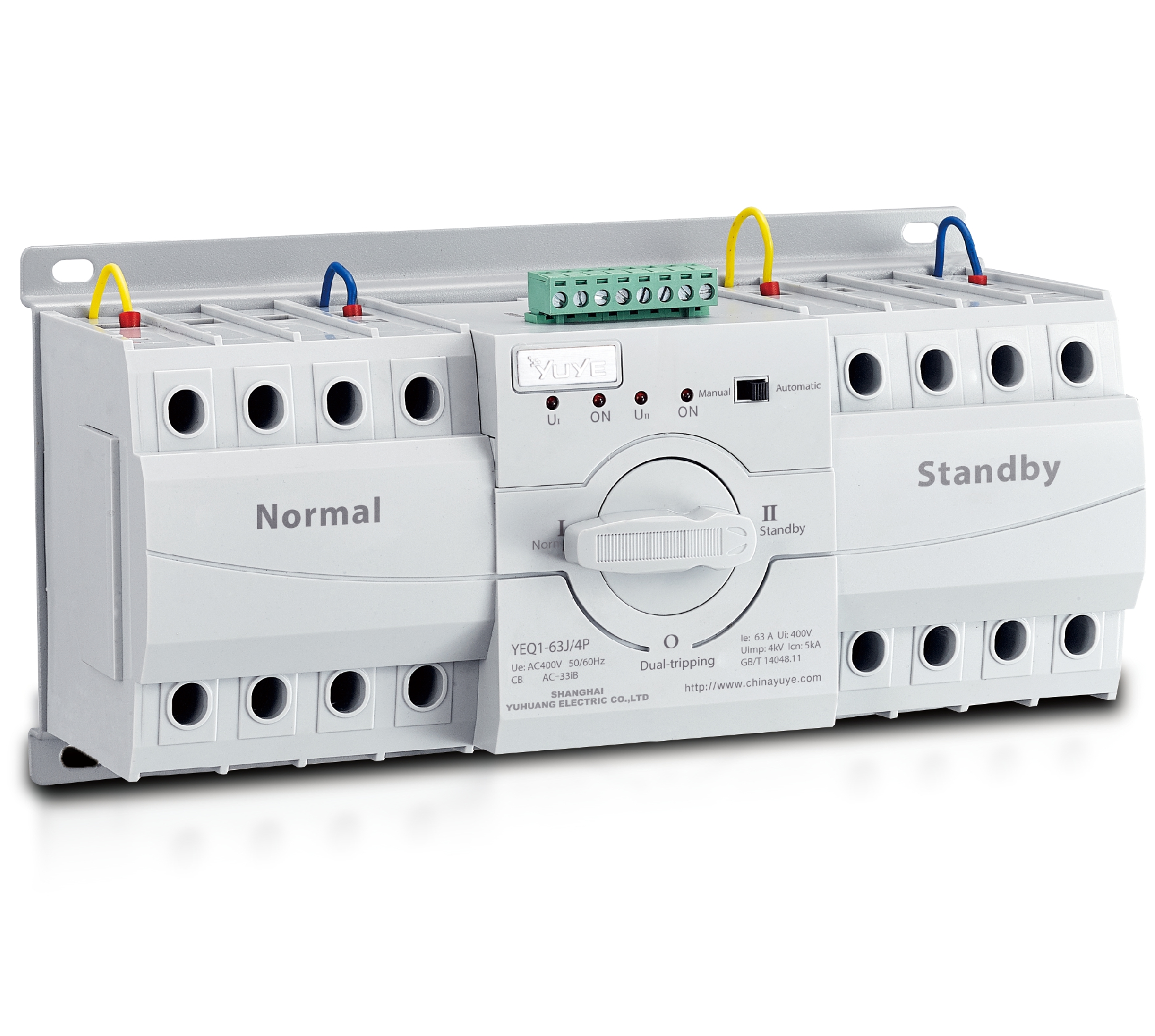 CB ATS YEQ1-63J
 CB ATS YEQ2Y-63
 CB ATS YEQ3-63W1
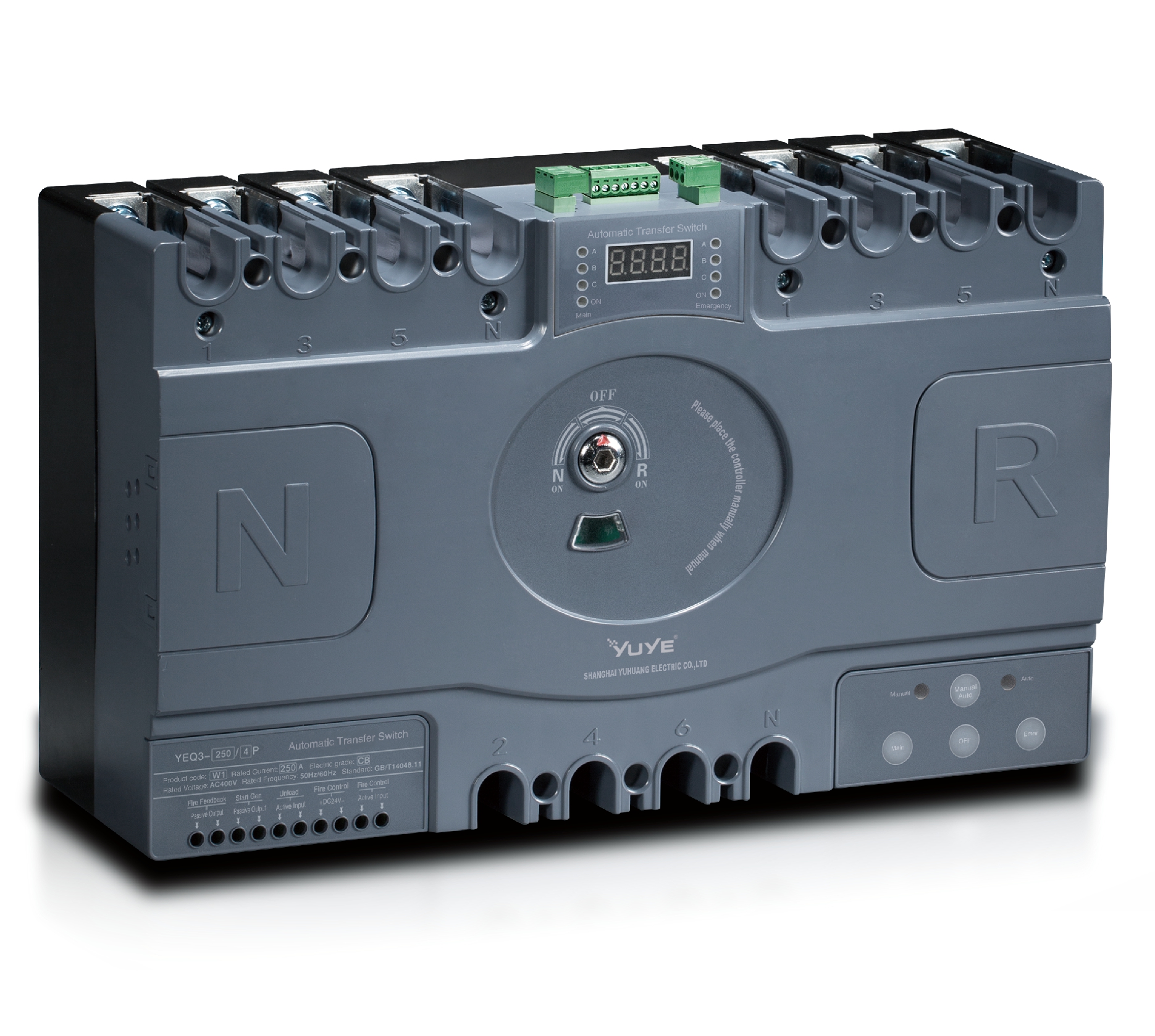 CB ATS YEQ3-125~630W1
 ATS controller Y-700
 ATS Controller Y-700N
 ATS Controller Y-701B
 ATS Controller Y-703N
 ATS Controller Y-800
 ATS Controller W2/W3 Series
 ATS switch Cabinet floor-to-ceiling
 ATS switch cabinet
 JXF-225A power Cbinet
 JXF-800A power Cbinet
 YEM3-125~800 Plastic Shell Type MCCB
 YEM3L-125~630 Leakage Type MCCB
 YEM3Z-125~800 Adjustable Type MCCB
 YEM1-63~1250 Plastic Shell Type MCCB
 YEM1E-100~800 Electronic Type MCCB
 YEM1L-100~630 Leakage Type MCCB
 Air Circuit Breaker YEW1-2000~6300
 Air Circuit Breaker YEW3-1600
 Miniature circuit breaker YEMA2-6~100
 Miniature circuit breaker YEB1-3~63
 Miniature circuit breaker YEB1LE-3~63
 Miniature circuit breaker YEPN-3~32
 Miniature circuit breaker YEPNLE-3~32
 Miniature circuit breaker YENC-63~125
 Load isolation switch YGL-63~3150
 Load Isolation Switch YGL2-63~3150
 DC relay YDC-P20
 DC relay YDC-P250
 DC relay YDC-P400
 DC relay MDC-300M
 DC relay YDC-M400
 DC Isolation Switch YEGL3D-630
 YECPS2-45~125 LCD
 YECPS-45~125 Digital
 CNC Milling/Turning-OEM


