In today’s world of electrical systems, picking the right Automatic Transfer Switch (EATS) really matters. I was reading a recent report from Research and Markets, and it highlighted some pretty interesting stats—like, the EATS market is expected to grow at around 6.5% annually from 2023 all the way through 2030. That’s a clear sign that both homeowners and businesses are really looking for dependable power solutions these days.
Experts often stress just how important it is to choose an EATS tailored to what you actually need. Take John Smith, a well-known pro in electrical systems, for example. He says, “Getting the right automatic transfer switch means smoother power transfer, which boosts safety and saves energy.” That really hits home because if you don’t pick the right switch, or if you overlook some key factors, it can wind up wasting power or even causing safety issues.
Plus, with technology advancing so fast, electrical systems are getting a lot more complicated. That means you’ve got to really understand the specs, load requirements, and where you’re installing it. Sometimes folks miss these details, which can end up costing a lot in the long run. So, taking the time to get it right is super important for making sure your EATS performs well and keeps things running smoothly.

Understanding Automatic Transfer Switches: A Brief Overview
Understanding an Automatic Transfer Switch (ATS) is crucial for ensuring smooth power transitions during outages. An ATS automatically shifts the power source from the utility to a generator. This transition is vital for homes and businesses to maintain operations when the primary power fails. An ATS monitors power supply continuously, making it a critical component in backup power systems.
When choosing an ATS, consider the transfer time. The speed of switching can impact your operations. Quick transfer times minimize downtime, but it’s important to assess if your equipment can handle sudden changes. Look for an ATS rated for your specific requirements, considering load demands and generator capacity.
Tips: Always consult a professional for installation. It’s easy to overlook local codes and regulations. Power requirements can be complex, and local resources can provide guidance tailored to your situation. Also, evaluate the maintenance procedures. Regular checks can prevent unexpected failures. Emphasize reliability in your decision-making process. An ATS is not just a piece of equipment; it’s a safeguard for your power needs. Remember, the right choice can save you from potential losses during outages.
Key Features to Consider When Selecting an Electrical Transfer Switch
When selecting an electrical automatic transfer switch (ATS), various key features demand careful consideration. Your specific power needs come first. How much load will you need to support? Often, people underestimate this. Understanding your wattage requirements is crucial. An ATS that cannot handle your load may lead to failures.
Another important aspect is the switching speed. In critical applications, faster switchovers minimize downtime. Consider response times of less than 10 seconds. However, flashy speeds may not always equal reliability. You want a switch that reliably performs under pressure. Additionally, look at durability and certifications. These ensure the switch can withstand tough conditions.
Don’t overlook user interfaces. An intuitive display can simplify monitoring and control. Complex systems might confuse operators during emergencies. Remember, the installation process matters too. Some devices might require professional setup, which can increase costs. It's common to overlook the installation demand when budgeting. Taking time to evaluate all these features can prevent future complications.
Key Features to Consider When Selecting an Electrical Automatic Transfer Switch
Different Types of Automatic Transfer Switches Explained
When selecting an electrical automatic transfer switch (ATS), understanding its types is crucial. Automatic transfer switches are primarily categorized into two types: open transition and closed transition. Open transition switches are the most common. They disconnect the load from the primary source before connecting it to the backup source. This process can lead to a brief power interruption. In contrast, closed transition switches switch the load to the backup source without an interruption. However, they are typically more complex and costly.
Industry reports estimate that the global ATS market will grow at a CAGR of over 6% from 2022 to 2030. The increasing demand for reliable power solutions drives this trend. Many industries depend on consistent power supply, especially healthcare and data centers. However, users often overlook the maintenance of ATS units. Neglecting regular checks can lead to failures during critical moments. In fact, studies show that improper maintenance can result in over 30% of ATS failures in critical applications.
Another important type is the bypass isolation switch. This allows maintenance without interrupting power, a significant advantage for continuous operations. Bypass isolation switches contribute to system reliability. However, they can add complexity to the installation process. Therefore, familiarity with these types is essential for effective decision-making in critical power systems. Ultimately, the choice boils down to the specific needs of the installation site.
Assessing the Power Needs for Your Automatic Transfer Switch
Assessing the power needs for your automatic transfer switch (ATS) is crucial for efficient operation. Understanding your electrical load is the first step. A recent industry report suggests that 75% of power failures occur due to undersized equipment. Therefore, calculating both peak and continuous loads is essential.
Consider the appliances and systems in your facility. List all critical systems requiring backup power. This could include lighting, HVAC, and IT systems. Each system draws a specific load, often measured in kilowatts (kW). According to the National Electrical Manufacturers Association (NEMA), overloading an ATS can lead to performance failures. This underlines the importance of not just estimating needs but doing so accurately.
Another factor to consider is your facility's growth forecast. If you're planning to expand, your ATS should accommodate future needs. It avoids costly upgrades later. Research shows that facilities that anticipate growth save approximately 20% on future installation costs. Making informed decisions based on a comprehensive assessment will ensure reliability and sustainability of your power system.
Installation Requirements and Considerations for Transfer Switches
When selecting an electrical automatic transfer switch, installation requirements are crucial. A proper location is vital. The switch should be easily accessible for maintenance yet away from hazards. Typically, it must be mounted according to the manufacturer’s instructions. Following the National Electrical Code (NEC) is also necessary. This ensures safety and compliance.
Consider the transfer switch’s amperage rating. It should match or exceed the electrical load. A mismatch can lead to overheating or failure. Research shows that incorrect installations account for nearly 30% of electrical system failures. Adequate grounding is essential as well. If not properly grounded, the system may introduce safety risks.
Environmental factors play a role too. The enclosure should be suitable for outdoor or indoor use, based on installation location. Areas with high humidity or corrosive elements may require more robust materials. Ventilation is also a key consideration for heat management. Failing to provide proper airflow can reduce the unit's lifespan. Always revisit design plans after installation. Observing these details can help improve the reliability of the electrical system.
Maintenance and Safety Tips for Automatic Transfer Switches
Automatic transfer switches (ATS) play a crucial role in ensuring power reliability during outages. Regular maintenance is key to their longevity and effectiveness. A study by the National Electrical Manufacturers Association indicates that nearly 30% of ATS failures can be traced back to inadequate maintenance practices. This highlights the importance of proactive measures to ensure safe operation.
Keeping your ATS clean and free from dust is essential. Dust can lead to overheating and electrical failures. Check all connections regularly to avoid corrosion. Industry experts recommend performing a thorough inspection at least twice a year. This includes testing the switch's operational response and load transition time. Documenting these findings can provide insight into the system's performance and areas for improvement.
Safety should always be a priority when working with electrical systems. Make sure that the switch's environment is well-ventilated and free from moisture. Inadequate conditions can lead to accidents. The Occupational Safety and Health Administration emphasizes the need for clear signage around electrical equipment. Adequate training for personnel is equally important. Regular drills can equip your team to handle emergencies effectively. Keeping an eye on every detail can enhance safety and reliability in your power management system.
2026 How to Choose an Electrical Automatic Transfer Switch?
| Feature |
Description |
Maintenance Tips |
Safety Considerations |
| Voltage Rating |
Choose a switch that matches the voltage of your generator and electrical system. |
Inspect for wear and corrosion annually. |
Ensure all connections are secure to prevent electrical hazards. |
| Amperage |
Select a switch that can handle the total amperage of the load. |
Clean the contacts regularly to ensure good conductance. |
Use personal protective equipment during maintenance. |
| Type of Switch |
Auto-transfer and manual-transfer switches have different applications. |
Test functionality monthly to ensure reliability. |
Follow manufacturer guidelines for installation and operation. |
| Transfer Time |
Consider how quickly the switch transfers to backup power. |
Check settings and time delays during regular inspections. |
Do not bypass safety features; ensure compliance with local codes. |
| Installation Requirements |
Ensure the installation complies with national safety standards. |
Review installation regularly and make updates as necessary. |
Hire a licensed electrician for installation and major maintenance tasks. |
Common Mistakes to Avoid When Choosing a Transfer Switch
When selecting an electrical automatic transfer switch (ATS), many make common errors that can lead to significant operational issues. A critical mistake is undervaluing power requirements. According to industry reports, about 20% of failures in electrical systems are due to improper sizing of the transfer switch. Accurate calculations based on the total load, including starting currents, are essential. This data ensures that the ATS can handle the load without overheating or tripping.
Another frequent oversight is neglecting the installation environment. One must consider factors such as temperature, humidity, and exposure to contaminants. An ATS installed in unsuitable conditions can fail prematurely. Studies indicate that equipment in harsh environments can experience a 50% decrease in lifespan. Choosing the right enclosure or protective measures is essential for reliability.
Furthermore, users often skip reviewing maintenance needs and serviceability. Regular maintenance is a key factor in ensuring longevity. Inadequate inspection can result in unexpected downtimes. Reports suggest that up to 30% of transfer switch failures are linked to lack of routine maintenance. Ensuring clear access for servicing and understanding maintenance schedules can significantly enhance performance.
Optimizing Electrical Systems: A Comprehensive Guide to the Manual Changeover Switch YGLZ1-100~3150
The YGL series isolates and manages electrical systems effectively, making it an essential component for optimizing electrical infrastructures. As an isolator, it is designed to work within an AC frequency of 50Hz and is rated for voltages up to 400V, positioning it as a reliable solution for load isolation needs. With a maximum rated current of 3150A, the YGLZ1-100~3150 can handle substantial electrical loads while ensuring safe and dependable operation in various applications.
According to industry reports, the demand for efficient electrical components is on the rise, driven by the increasing complexity of power systems and the necessity for enhanced safety measures. The YGL series complies with the IEC60947-3 standard, confirming its adherence to international safety and operational benchmarks. This compliance is critical as it assures users of the product's reliability in both frequent switching and electrical isolation scenarios, which are paramount in industrial settings.
Furthermore, the versatility of the isolator is indicated by its ability to support AC-22B and AC-21B use types, allowing it to manage both routine operations and more demanding tasks with ease. In an era where electrical efficiency can significantly impact operational costs and safety, integrating the YGLZ1-100~3150 into existing systems can serve as a proactive measure to enhance system performance and reliability. This focus on effective isolation and voltage management not only optimizes performance but also contributes to the long-term sustainability of electrical infrastructures.
FAQS
utomatic Transfer Switch (ATS)?
Quick transfer times reduce downtime during outages. Assess if your equipment can handle swift changes.
Underestimating wattage needs can lead to equipment failures. Always evaluate power needs before selecting an ATS.
Regular checks can prevent failures. It’s easy to overlook maintenance, but it’s crucial for reliability.
There are open transition and closed transition switches. Open ones disconnect power briefly; closed ones do not.
Certifications ensure the device can handle demanding conditions. Reliability is essential for critical systems.
Some units require professional installation. This can increase costs, so it’s often overlooked during budgeting.
An intuitive display simplifies monitoring. Complex systems can confuse users, especially during emergencies.
It allows maintenance without power interruption. However, it adds complexity to the ATS installation process.
Improper maintenance can lead to over 30% failure rates during critical situations. Regular checks are vital.
Conclusion
Choosing the right Electrical Automatic Transfer Switch is crucial for ensuring uninterrupted power supply during outages. To make an informed decision, it is essential to understand the fundamental features of automatic transfer switches, such as their operational efficiency and compatibility with your power system. Evaluating power needs is also critical; this involves determining the loads that need backup to select a switch with appropriate capacity.
Additionally, installation requirements should be carefully considered to guarantee a safe and efficient setup. Regular maintenance is vital for optimal performance, alongside safety tips to prevent malfunctions. Finally, avoiding common mistakes, such as underestimating power needs or overlooking safety practices, can lead to better system reliability and longevity. Following these guidelines will help you select the best Electrical Automatic Transfer Switch for your specific needs.

 PC ATS YECT1-2000G
 PC ATS YES2-63~250GN1
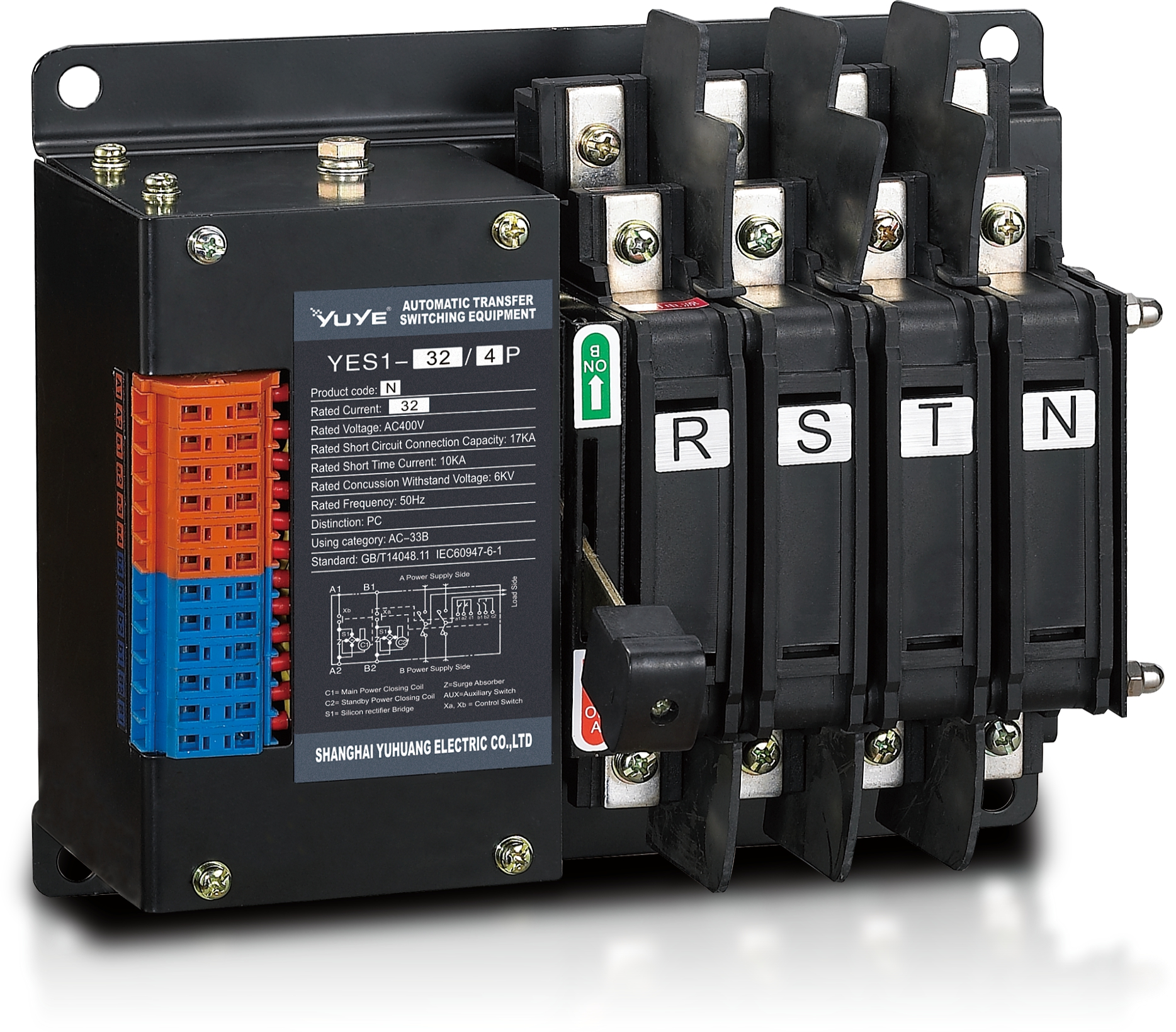 Solenoid-type ATS YES1-32~125N
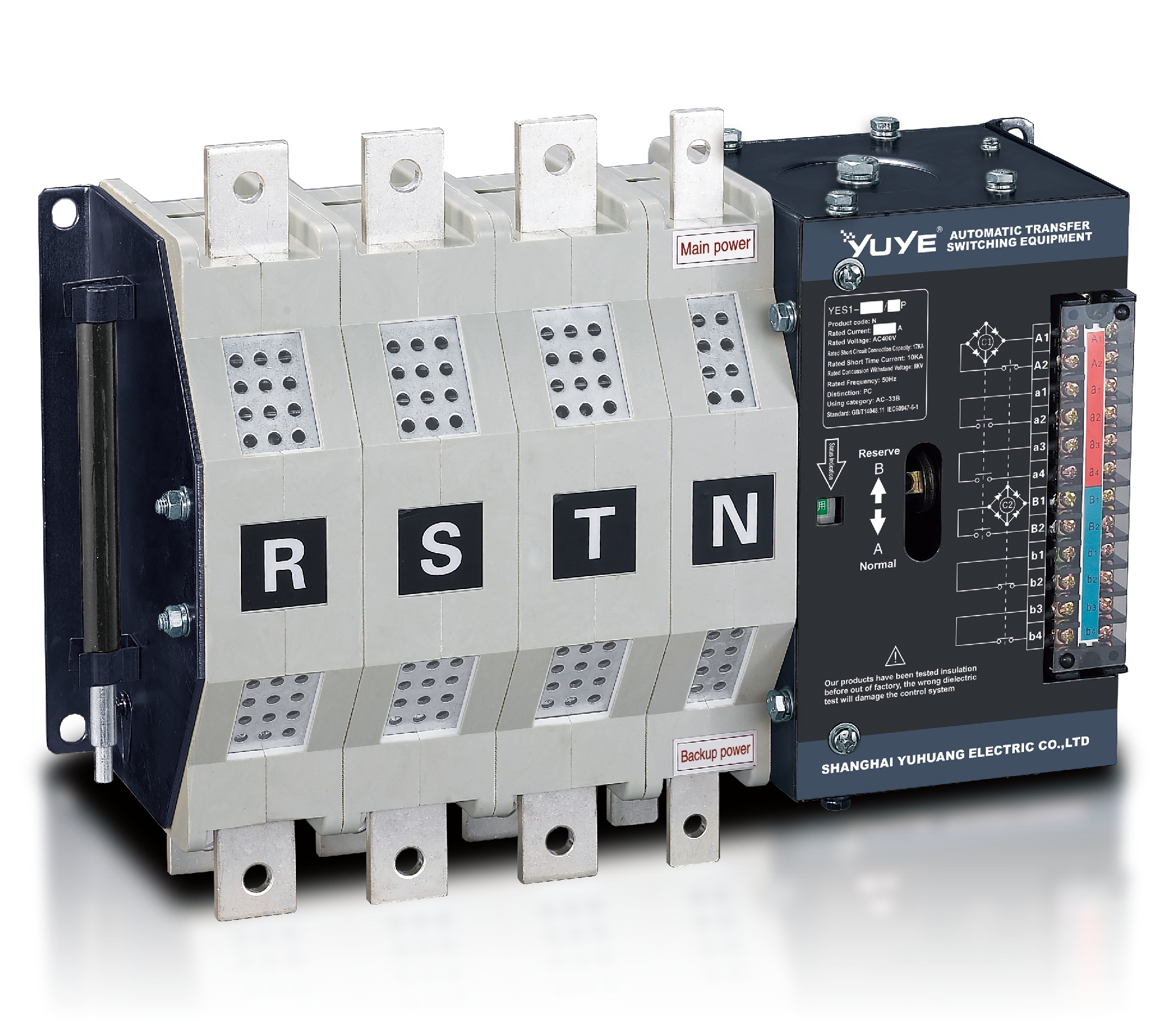 Solenoid-type ATS YES1-250~630N/NT
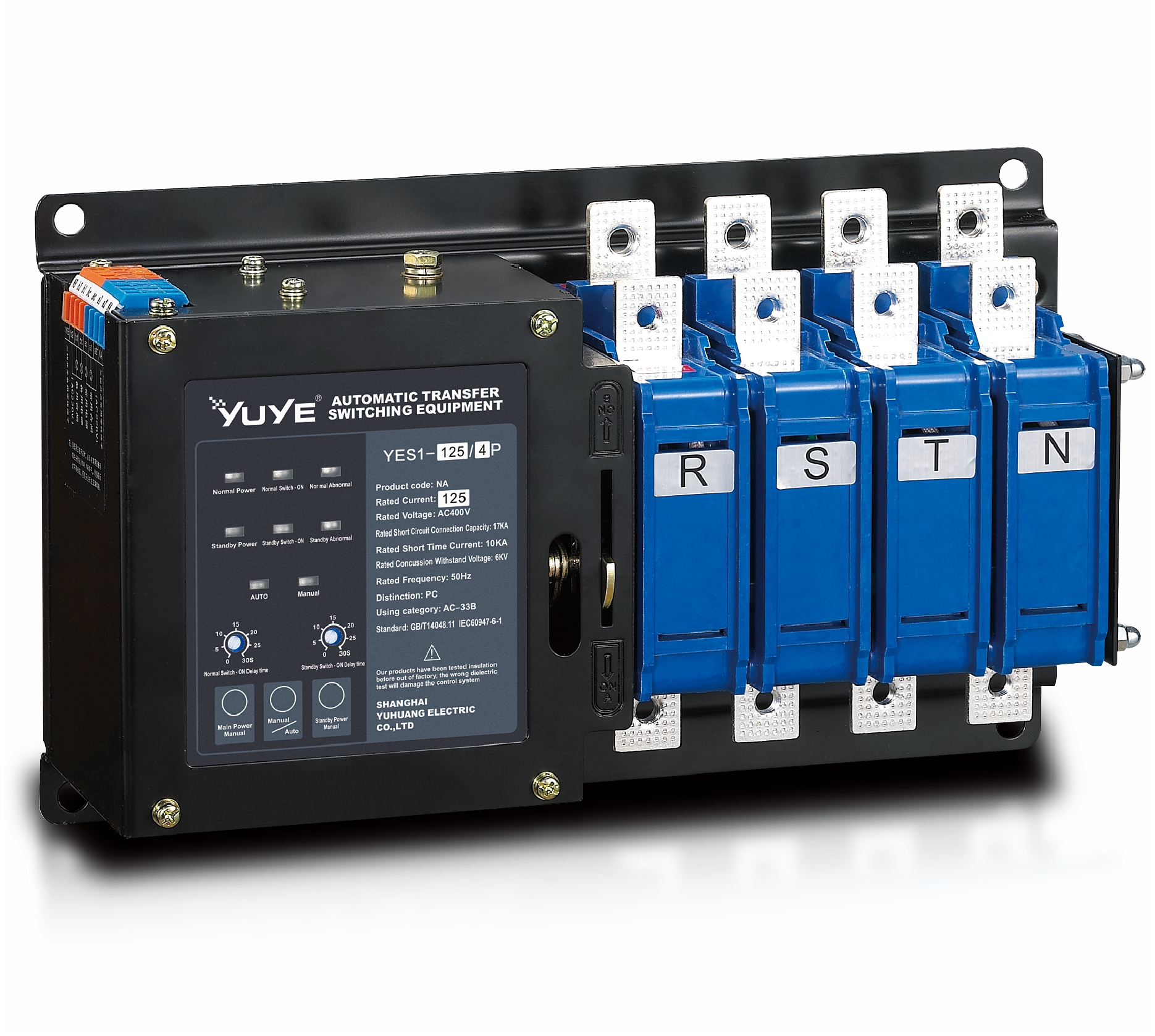 Solenoid-type ATS YES1-32~125NA
 Solenoid-type ATS YES1-63~630SN
 Solenoid-type ATS YES1-1250~4000SN
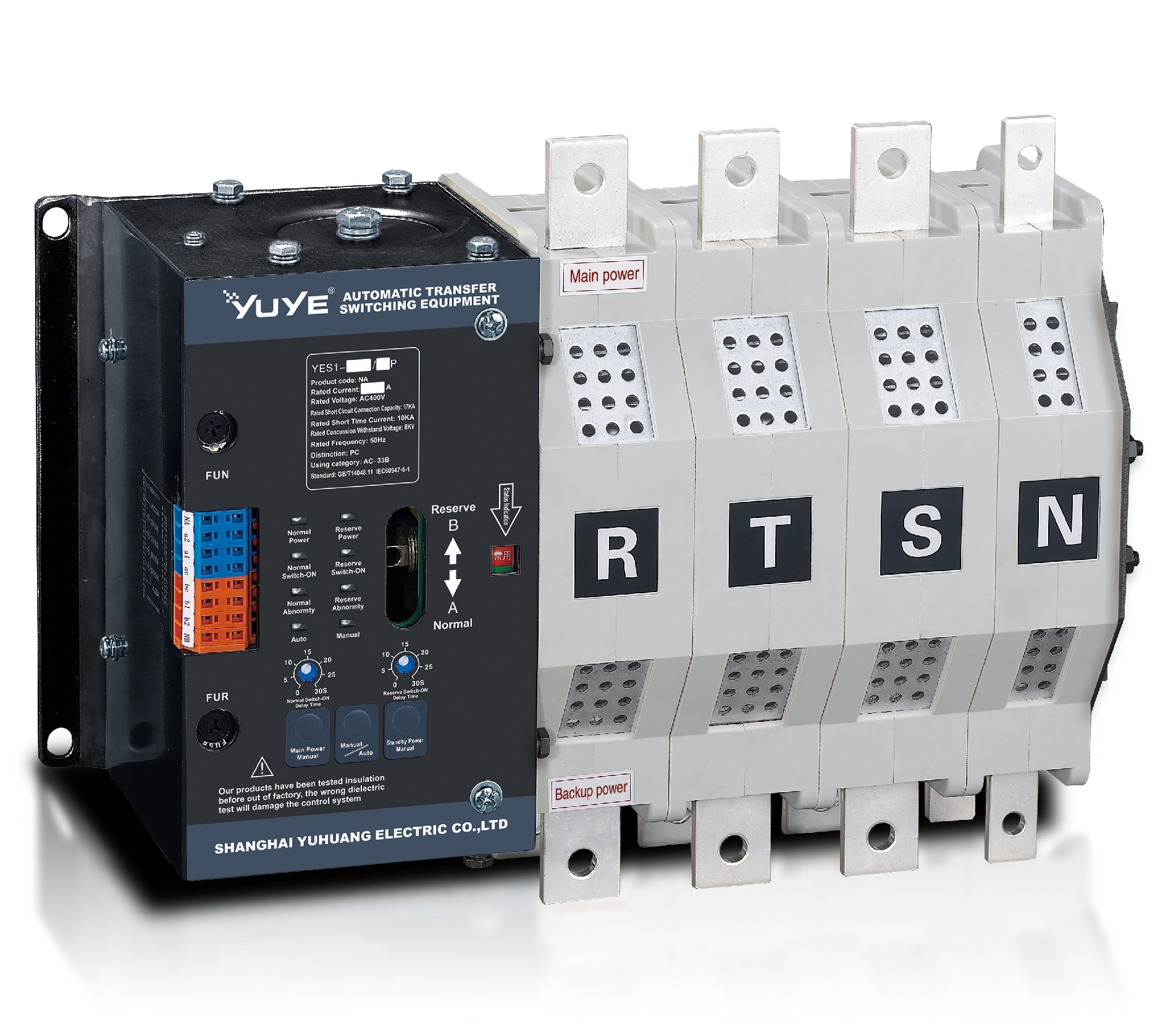 Solenoid-type ATS YES1-250~630NA/NAT
 Solenoid-type ATS YES1-63NJT
 PC ATS YES1-100~1600GN1/GN/GNF
 PC ATS YES1-2000~3200GN/GNF
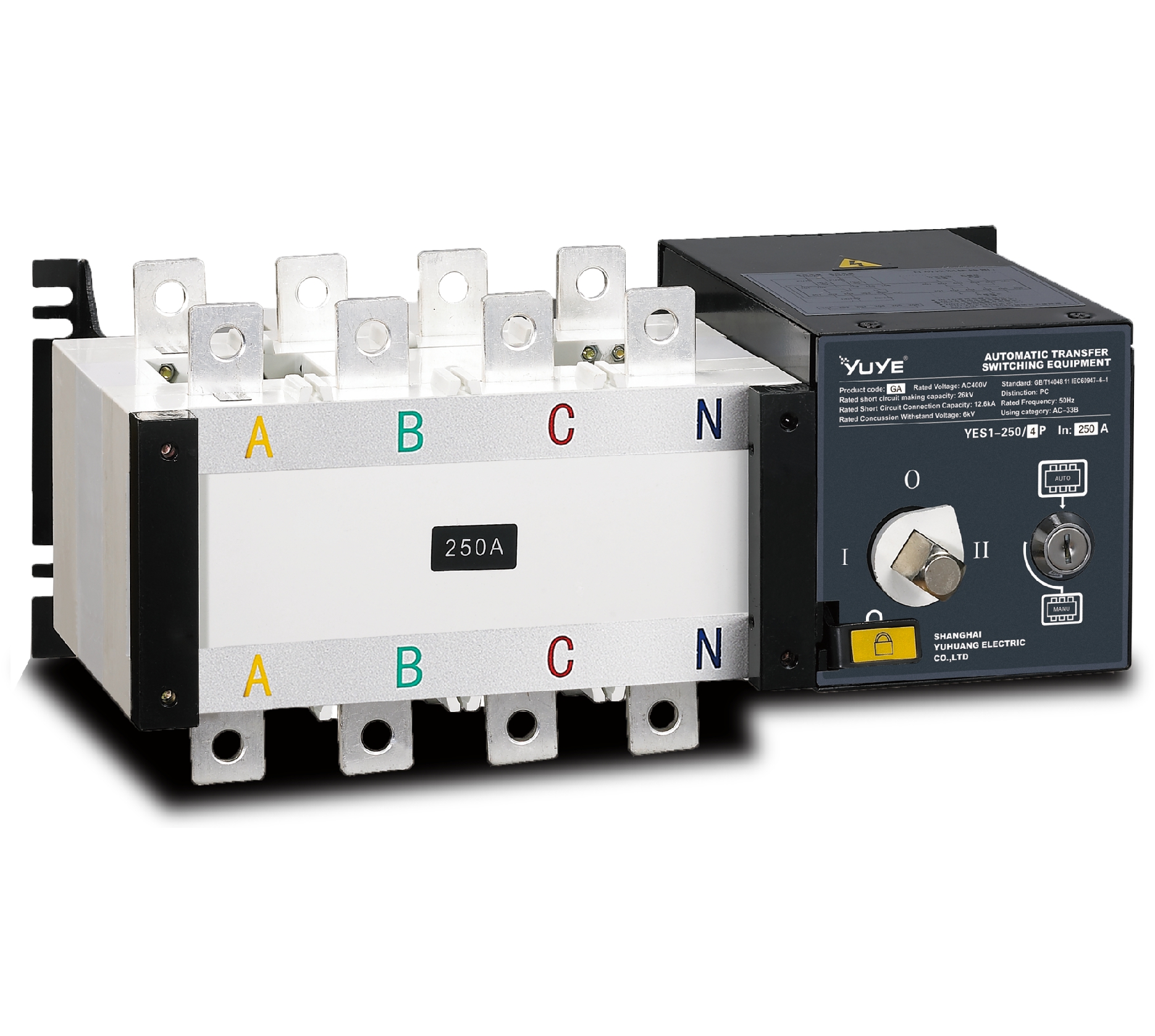 PC ATS YES1-100~3200GA1/GA
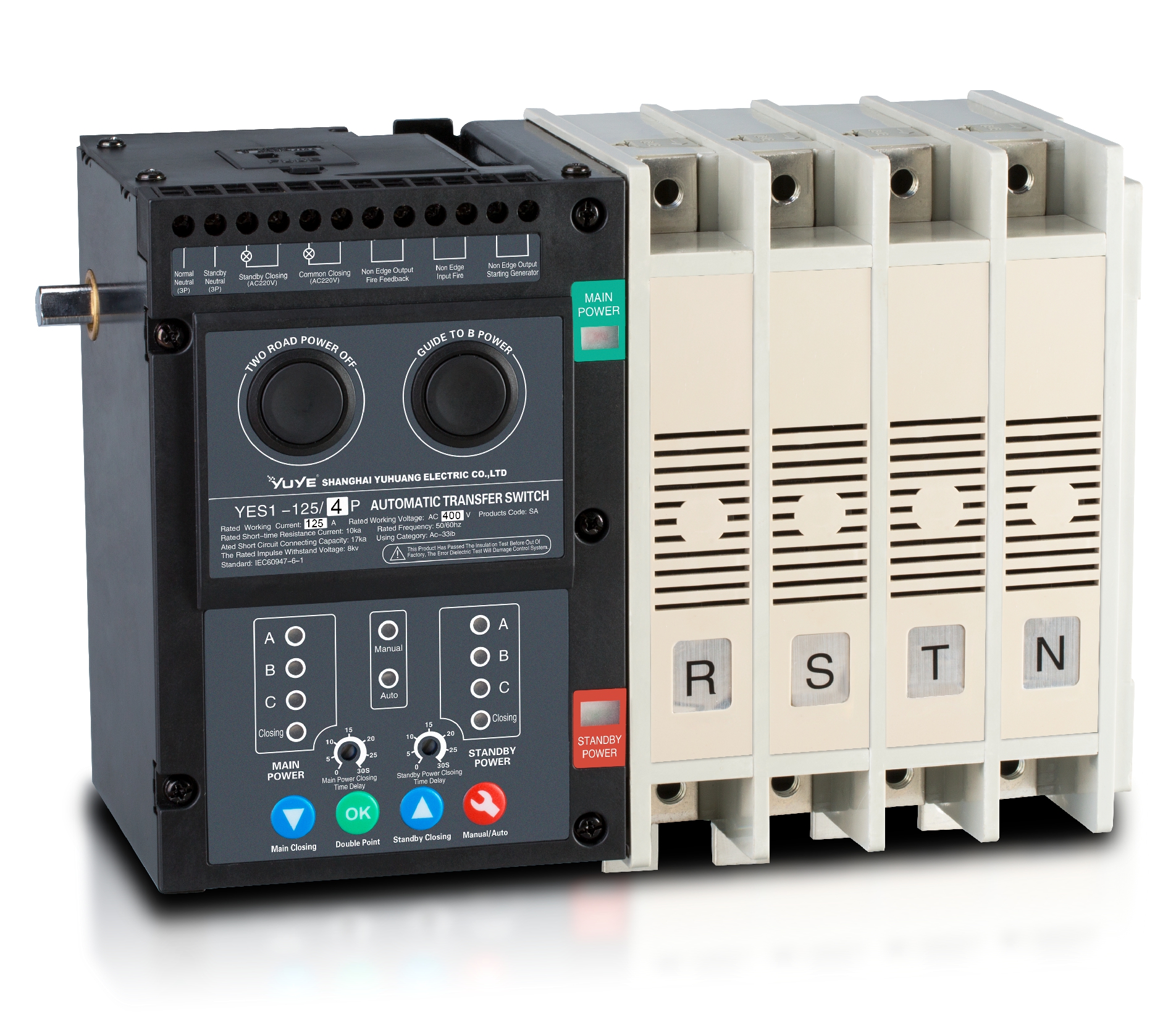 Solenoid-type ATS YES1-63~630SA
 Solenoid-type ATS YES1-63~630L/LA
 Solenoid-type ATS YES1-63~630LA3
 Solenoid-type ATS YES1-63MA
 PC ATS YES1-630~1600M
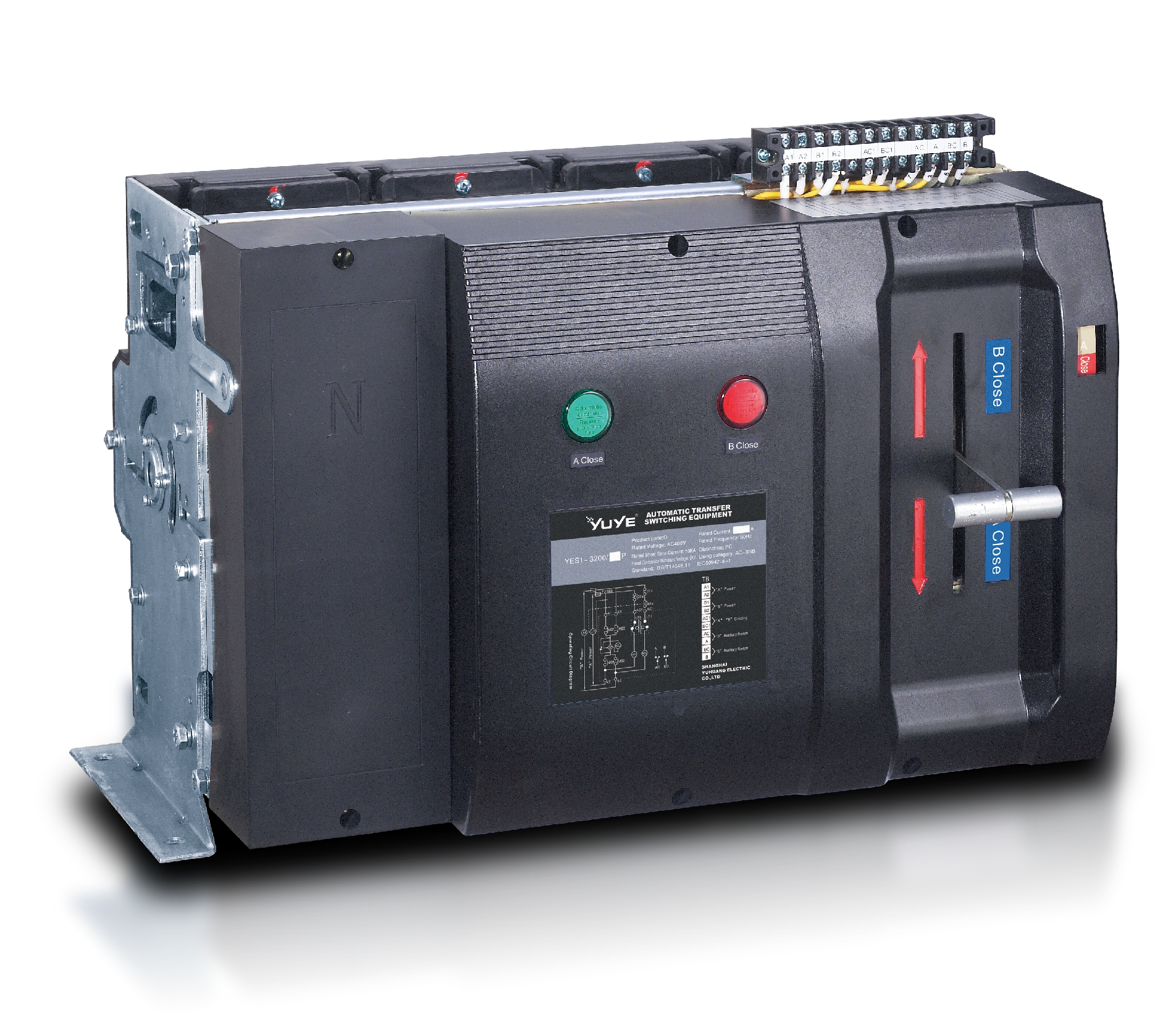 PC ATS YES1-3200Q
 Solenoid-type ATS YES1-4000~6300Q
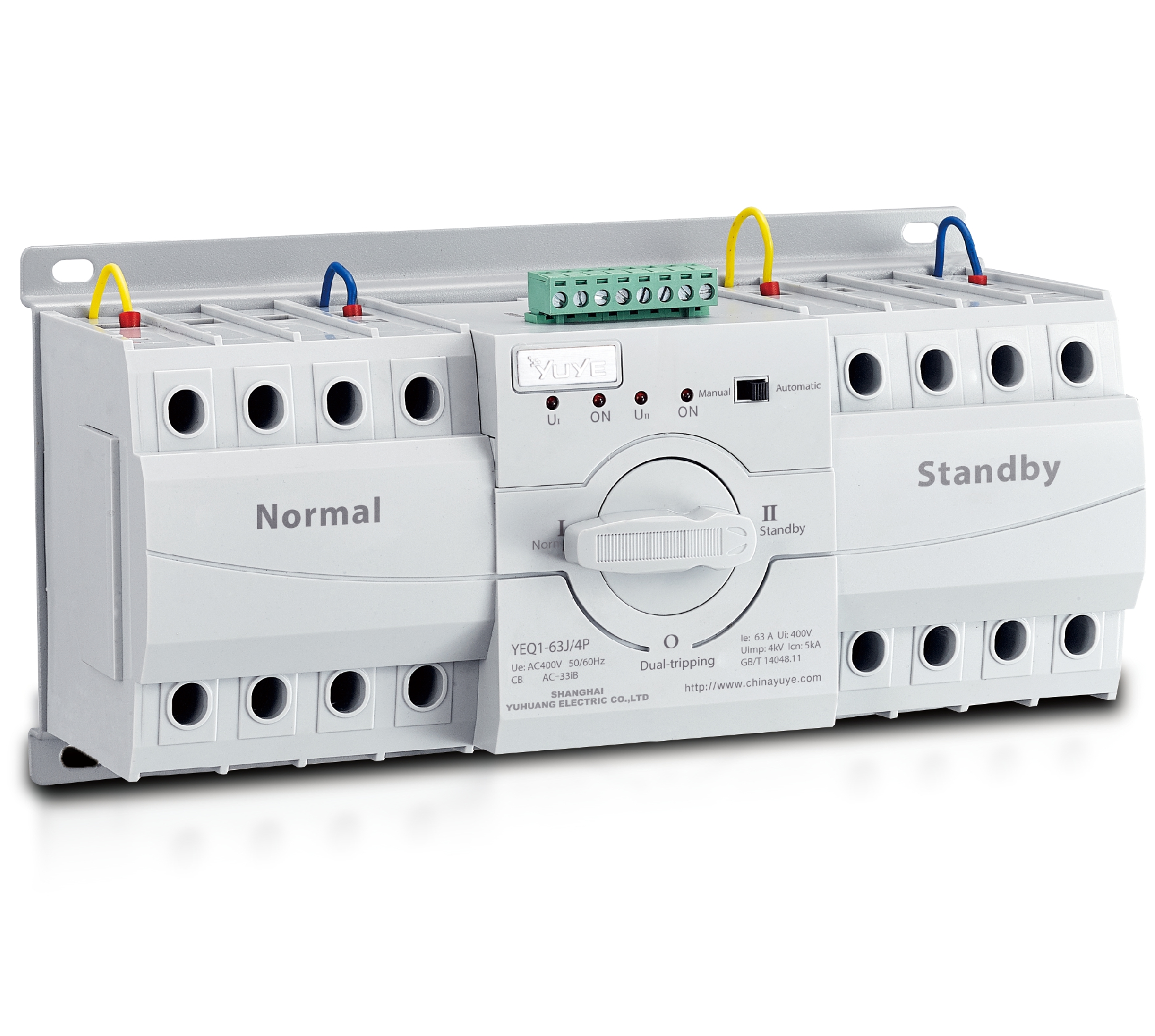 CB ATS YEQ1-63J
 CB ATS YEQ2Y-63
 CB ATS YEQ3-63W1
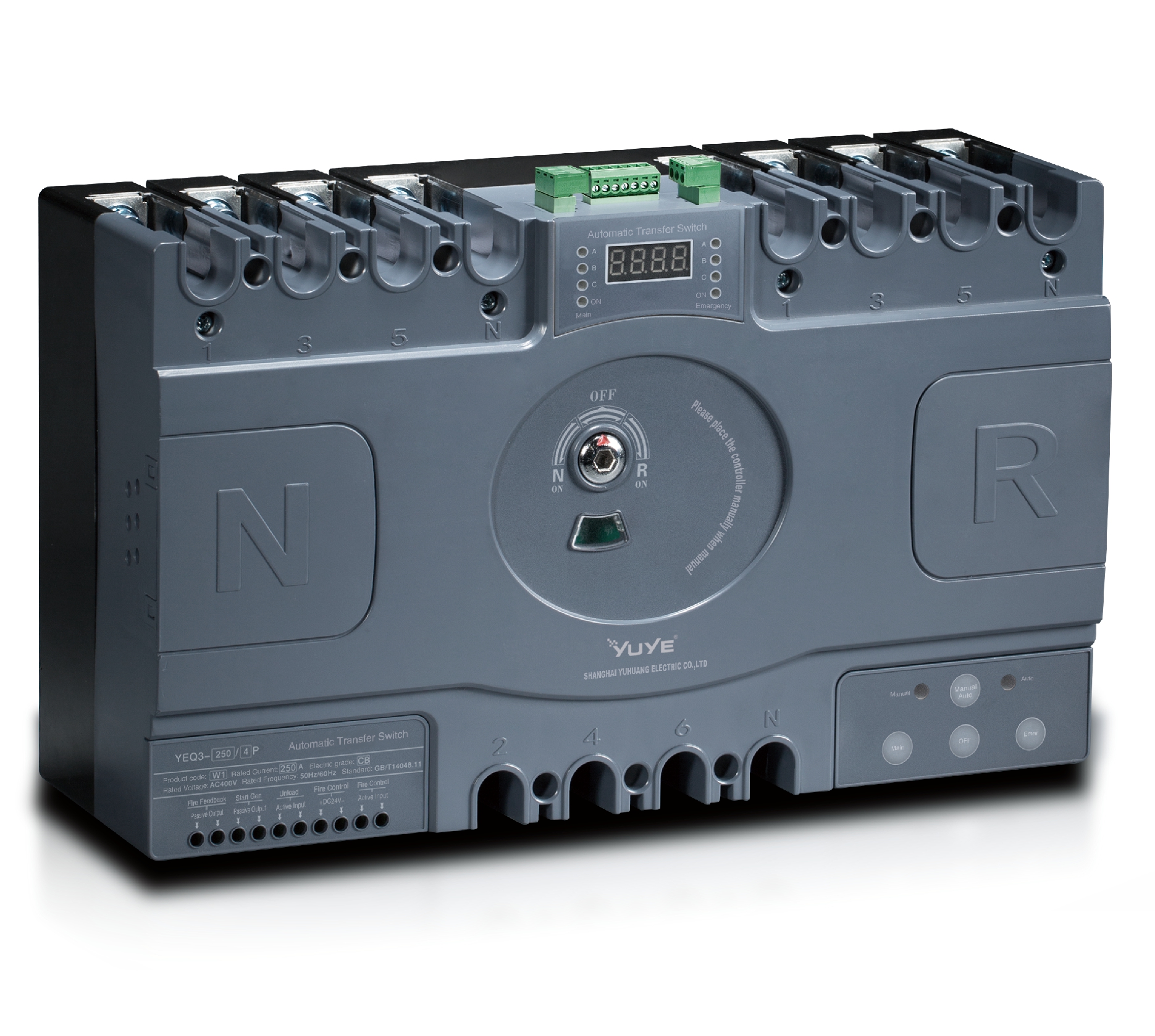 CB ATS YEQ3-125~630W1
 ATS controller Y-700
 ATS Controller Y-700N
 ATS Controller Y-701B
 ATS Controller Y-703N
 ATS Controller Y-800
 ATS Controller W2/W3 Series
 ATS switch Cabinet floor-to-ceiling
 ATS switch cabinet
 JXF-225A power Cbinet
 JXF-800A power Cbinet
 YEM3-125~800 Plastic Shell Type MCCB
 YEM3L-125~630 Leakage Type MCCB
 YEM3Z-125~800 Adjustable Type MCCB
 YEM1-63~1250 Plastic Shell Type MCCB
 YEM1E-100~800 Electronic Type MCCB
 YEM1L-100~630 Leakage Type MCCB
 Air Circuit Breaker YEW1-2000~6300
 Air Circuit Breaker YEW3-1600
 Miniature circuit breaker YEMA2-6~100
 Miniature circuit breaker YEB1-3~63
 Miniature circuit breaker YEB1LE-3~63
 Miniature circuit breaker YEPN-3~32
 Miniature circuit breaker YEPNLE-3~32
 Miniature circuit breaker YENC-63~125
 Load isolation switch YGL-63~3150
 Load Isolation Switch YGL2-63~3150
 DC relay YDC-P20
 DC relay YDC-P250
 DC relay YDC-P400
 DC relay MDC-300M
 DC relay YDC-M400
 DC Isolation Switch YEGL3D-630
 YECPS2-45~125 LCD
 YECPS-45~125 Digital
 CNC Milling/Turning-OEM


