
 PC ATS YECT1-2000G
 PC ATS YES2-63~250GN1
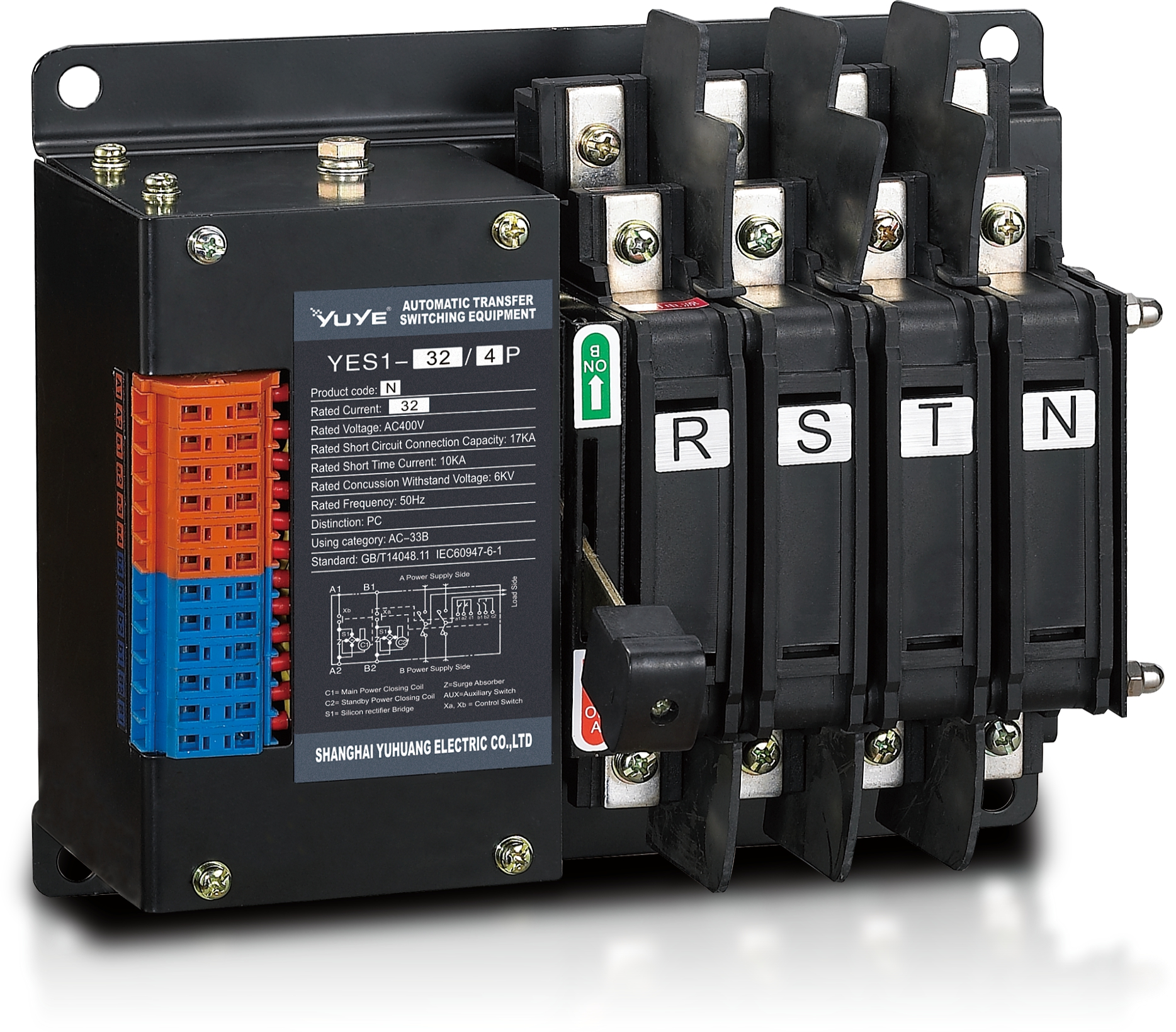 Solenoid-type ATS YES1-32~125N
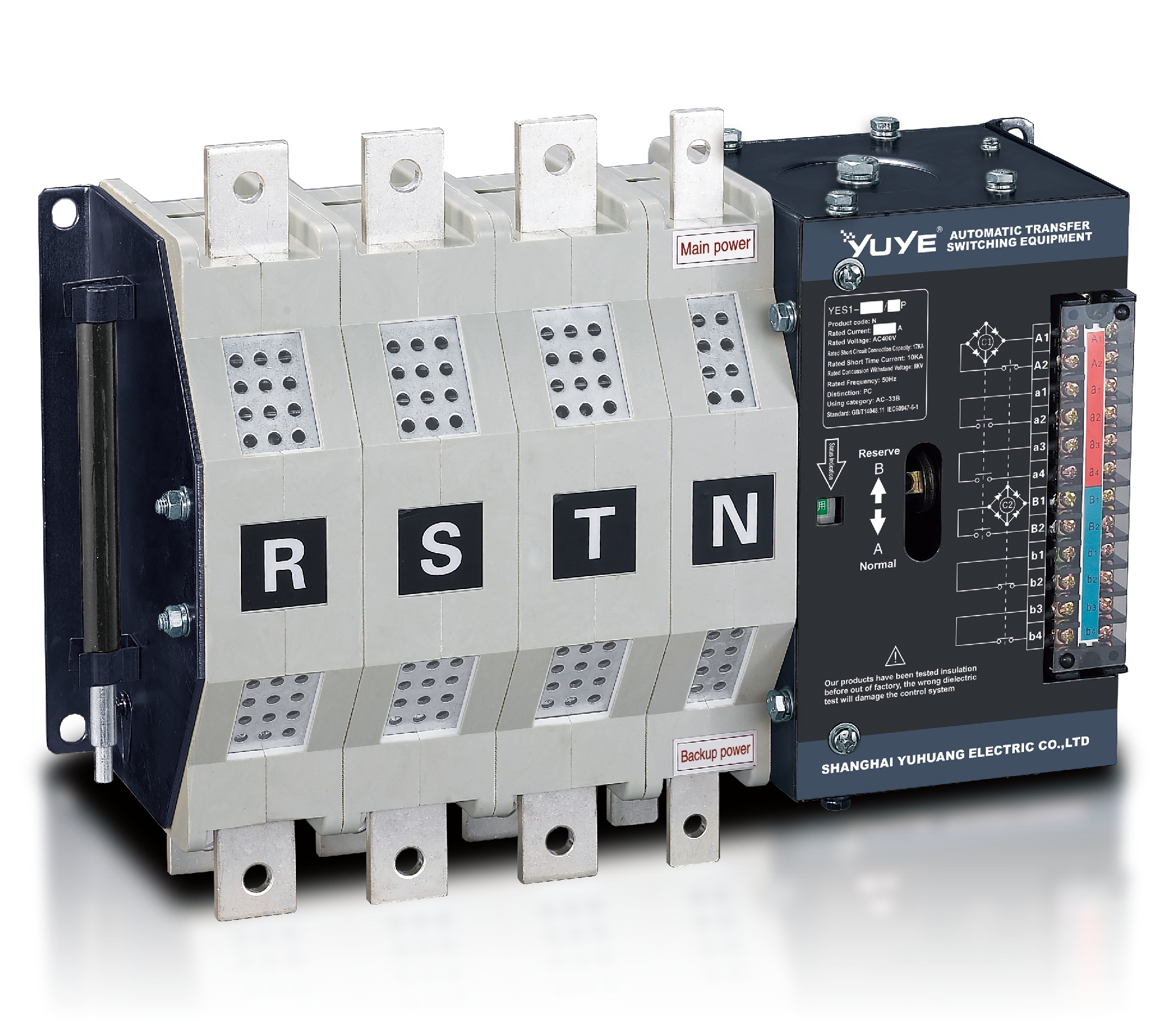 Solenoid-type ATS YES1-250~630N/NT
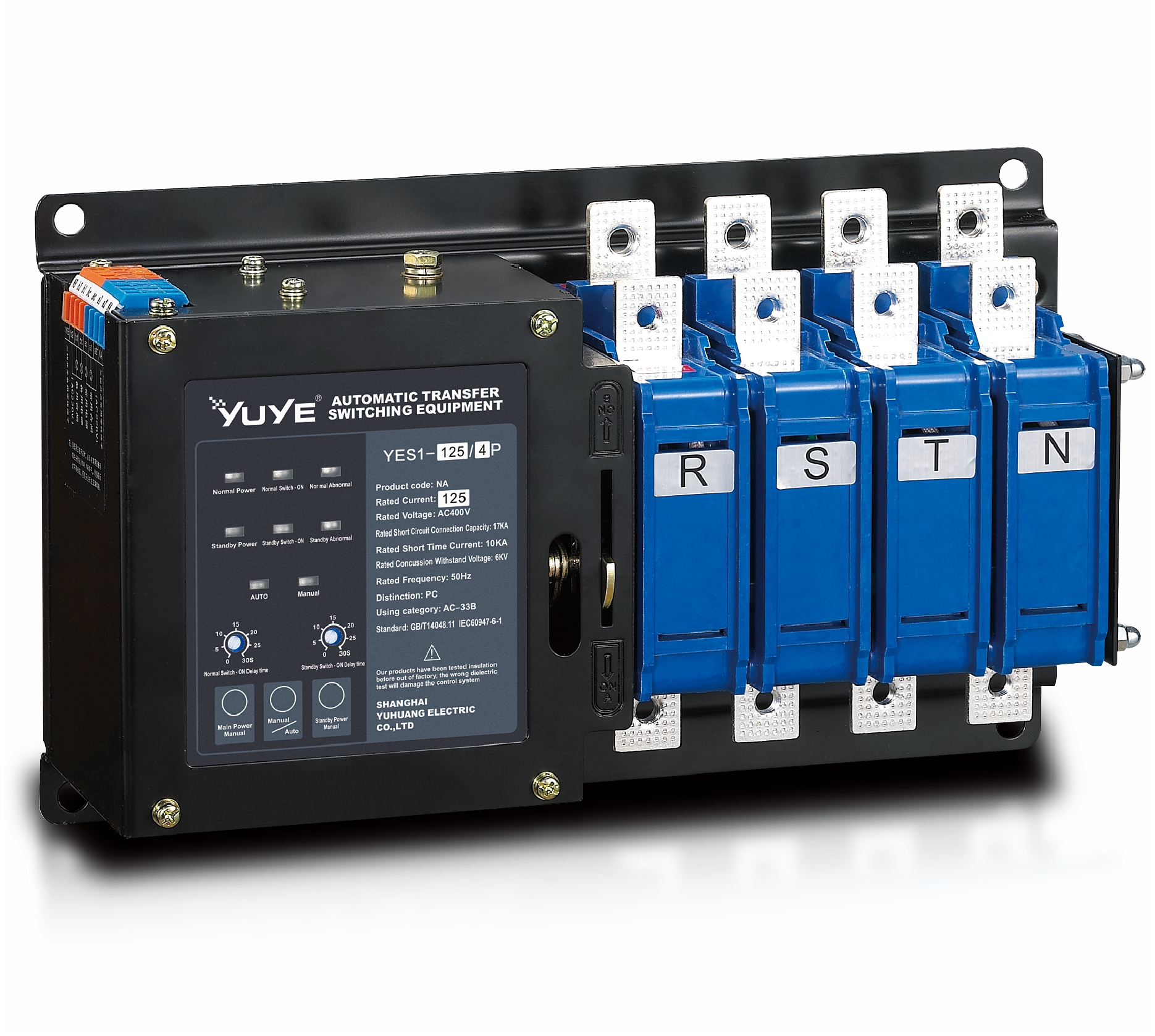 Solenoid-type ATS YES1-32~125NA
 Solenoid-type ATS YES1-63~630SN
 Solenoid-type ATS YES1-1250~4000SN
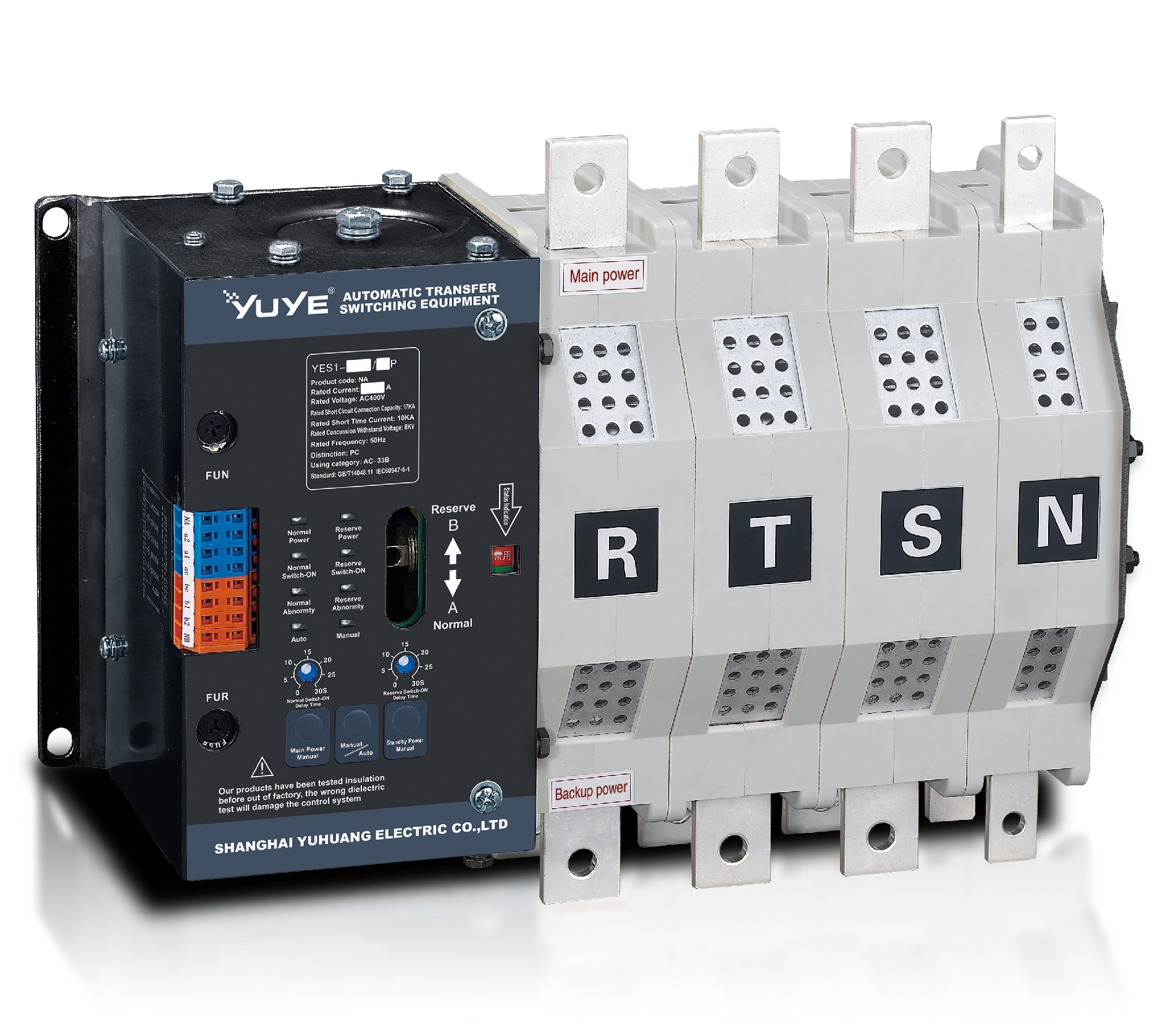 Solenoid-type ATS YES1-250~630NA/NAT
 Solenoid-type ATS YES1-63NJT
 PC ATS YES1-100~1600GN1/GN/GNF
 PC ATS YES1-2000~3200GN/GNF
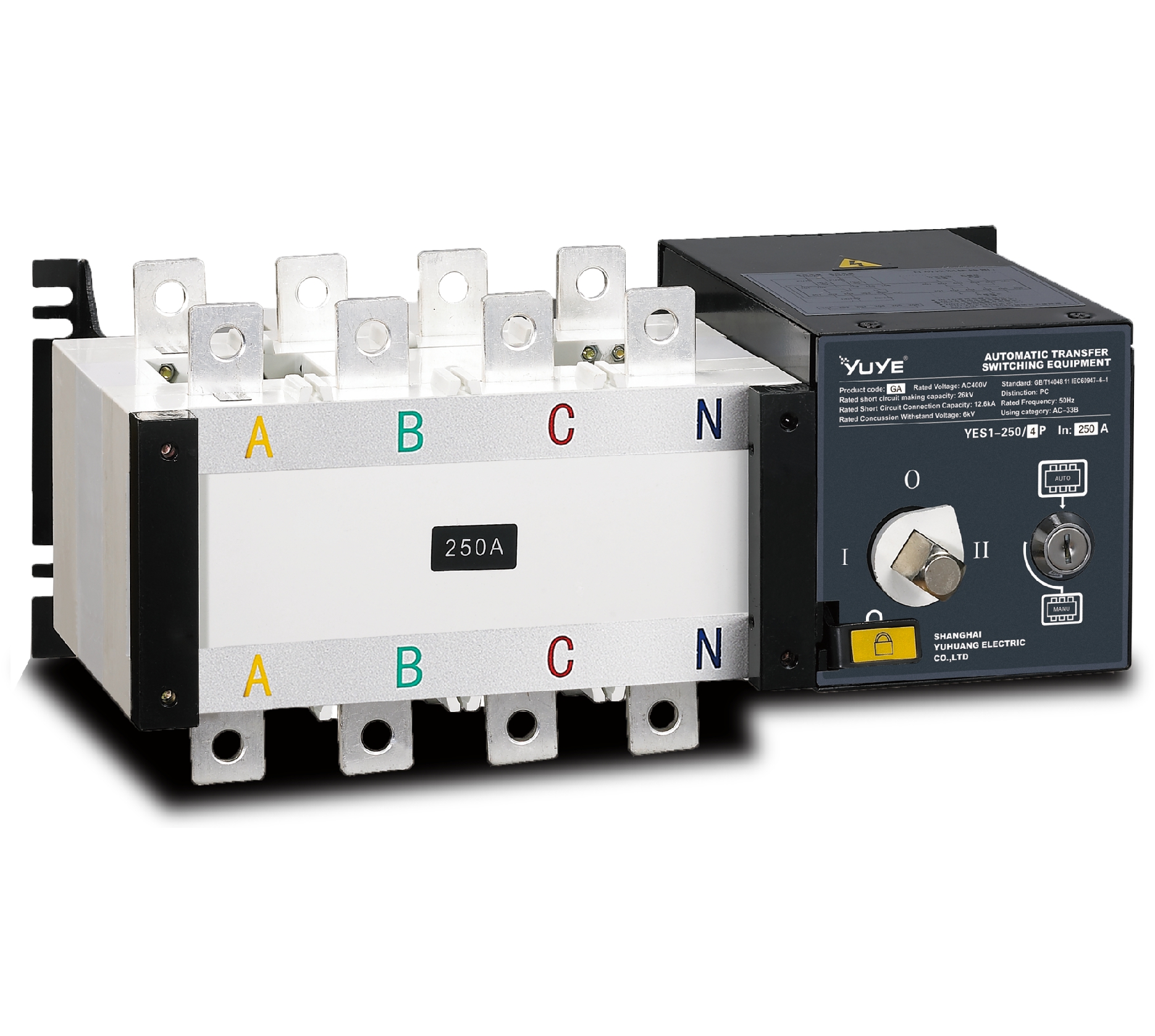 PC ATS YES1-100~3200GA1/GA
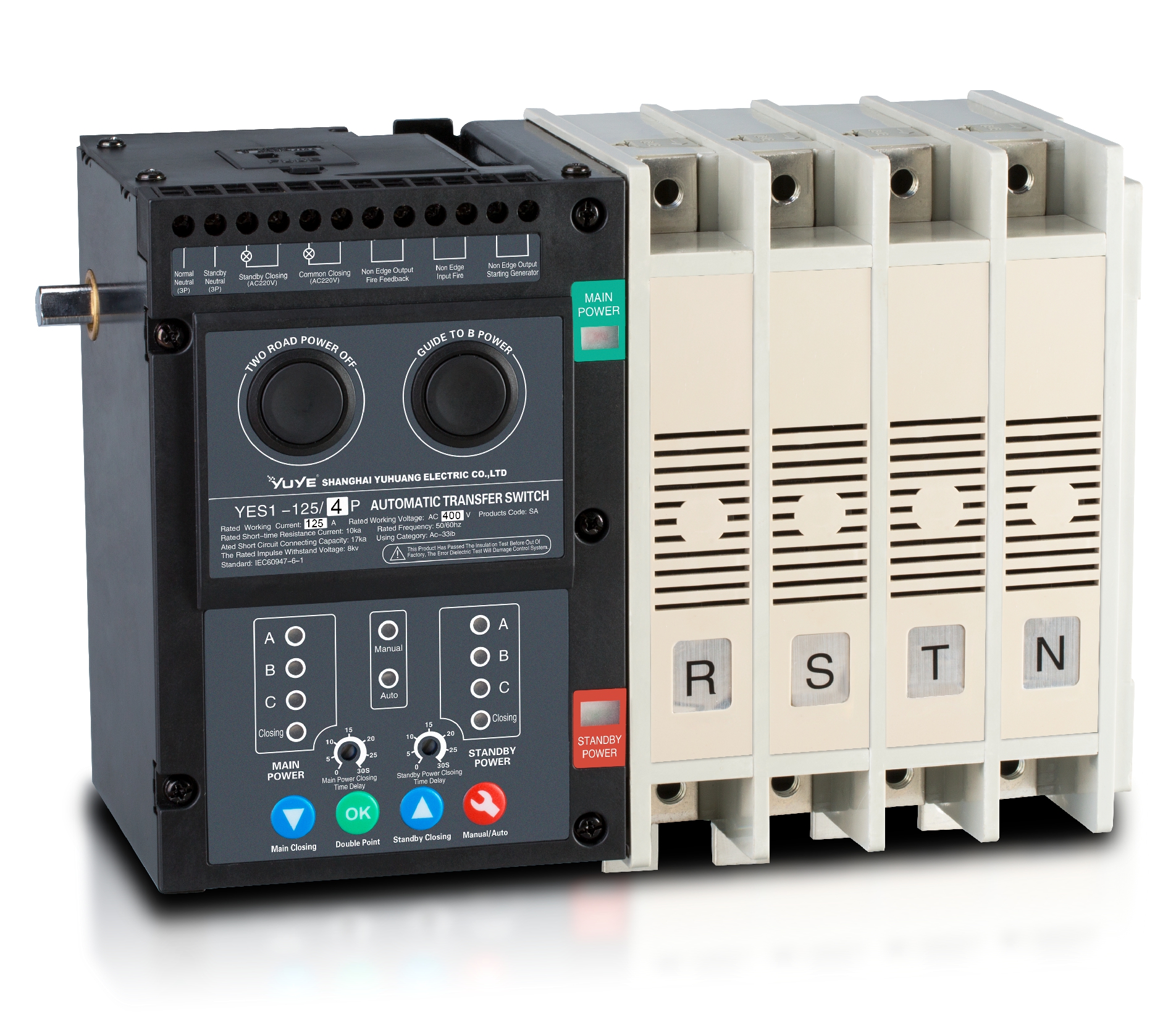 Solenoid-type ATS YES1-63~630SA
 Solenoid-type ATS YES1-63~630L/LA
 Solenoid-type ATS YES1-63~630LA3
 Solenoid-type ATS YES1-63MA
 PC ATS YES1-630~1600M
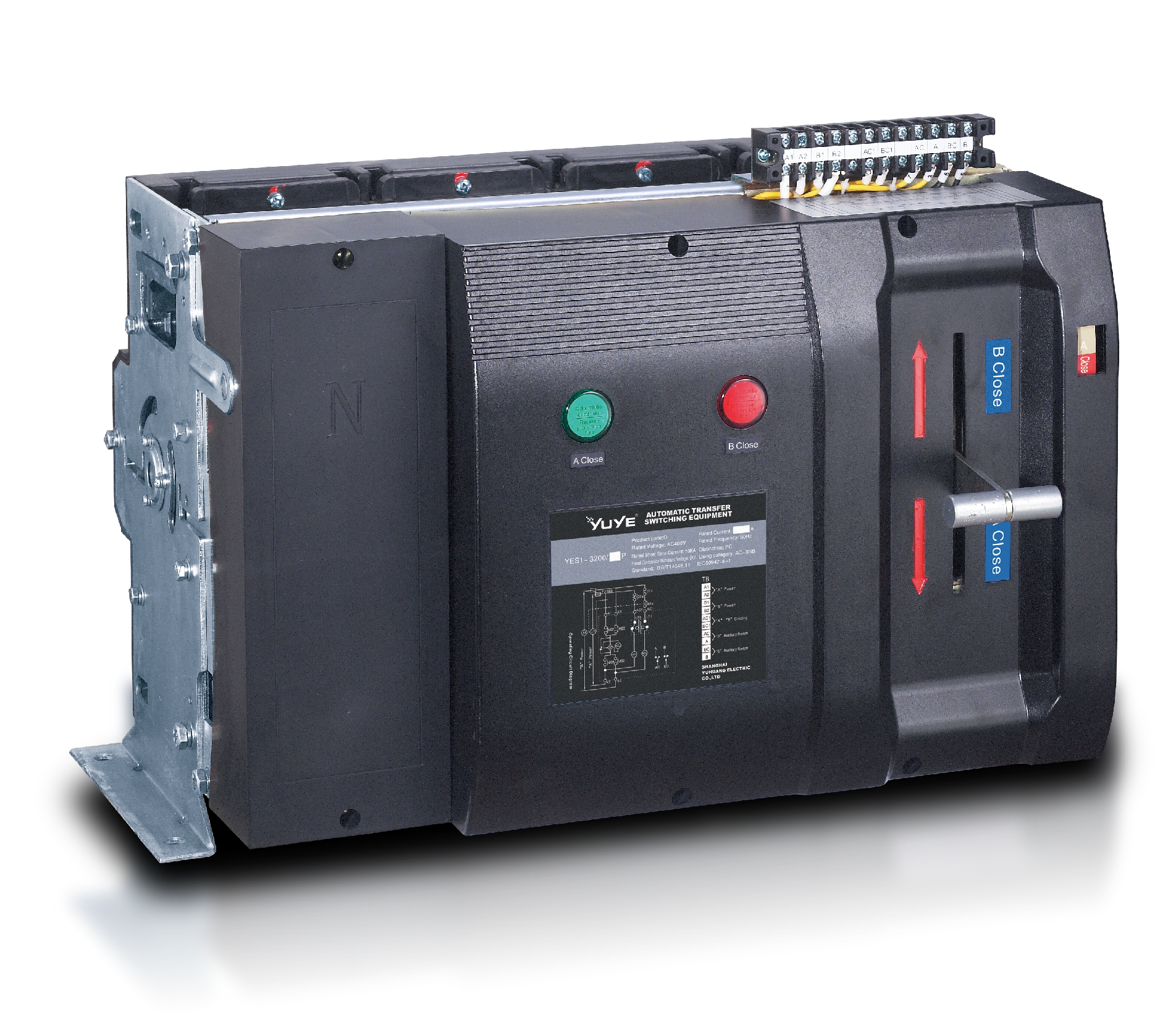 PC ATS YES1-3200Q
 Solenoid-type ATS YES1-4000~6300Q
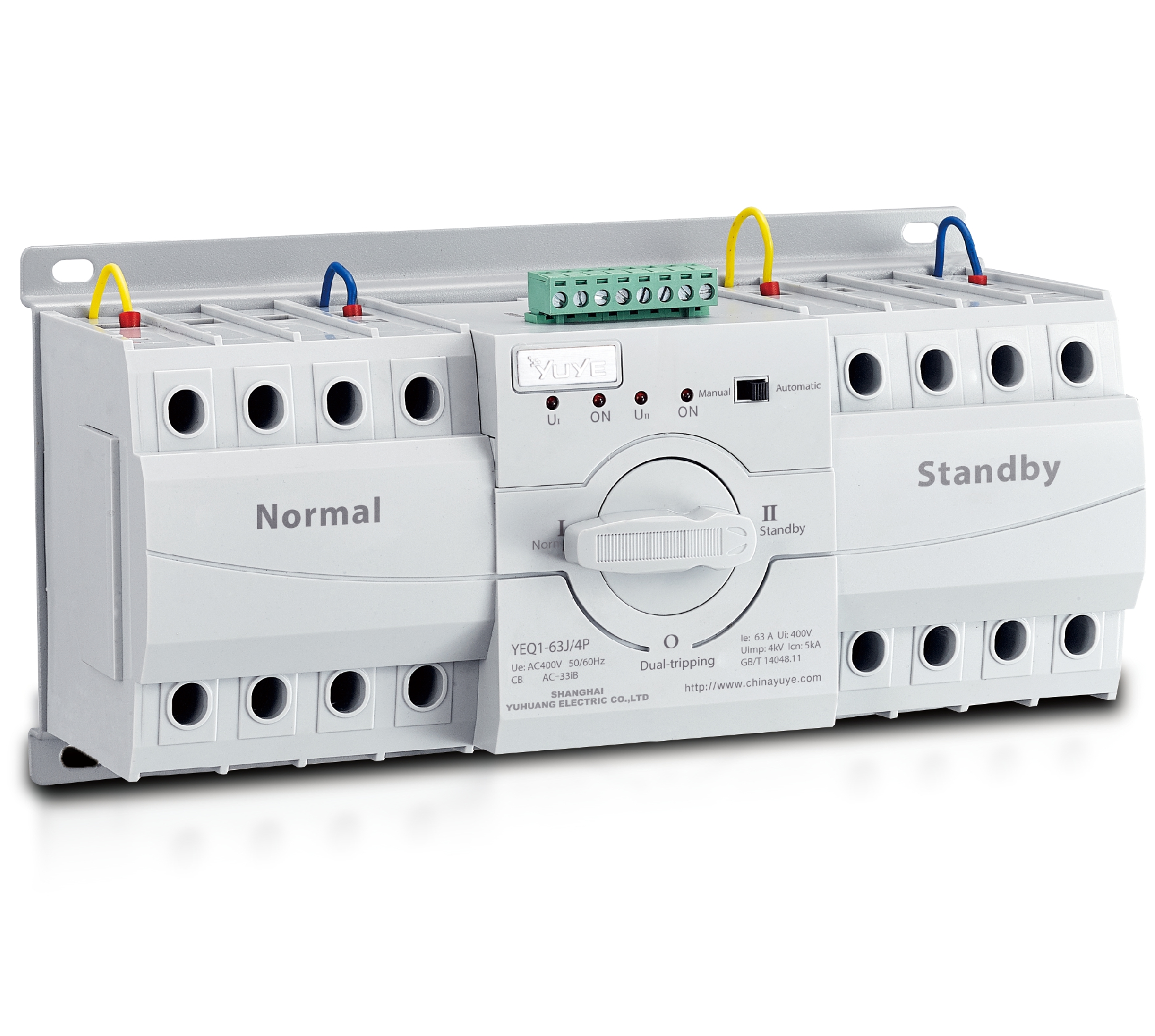 CB ATS YEQ1-63J
 CB ATS YEQ2Y-63
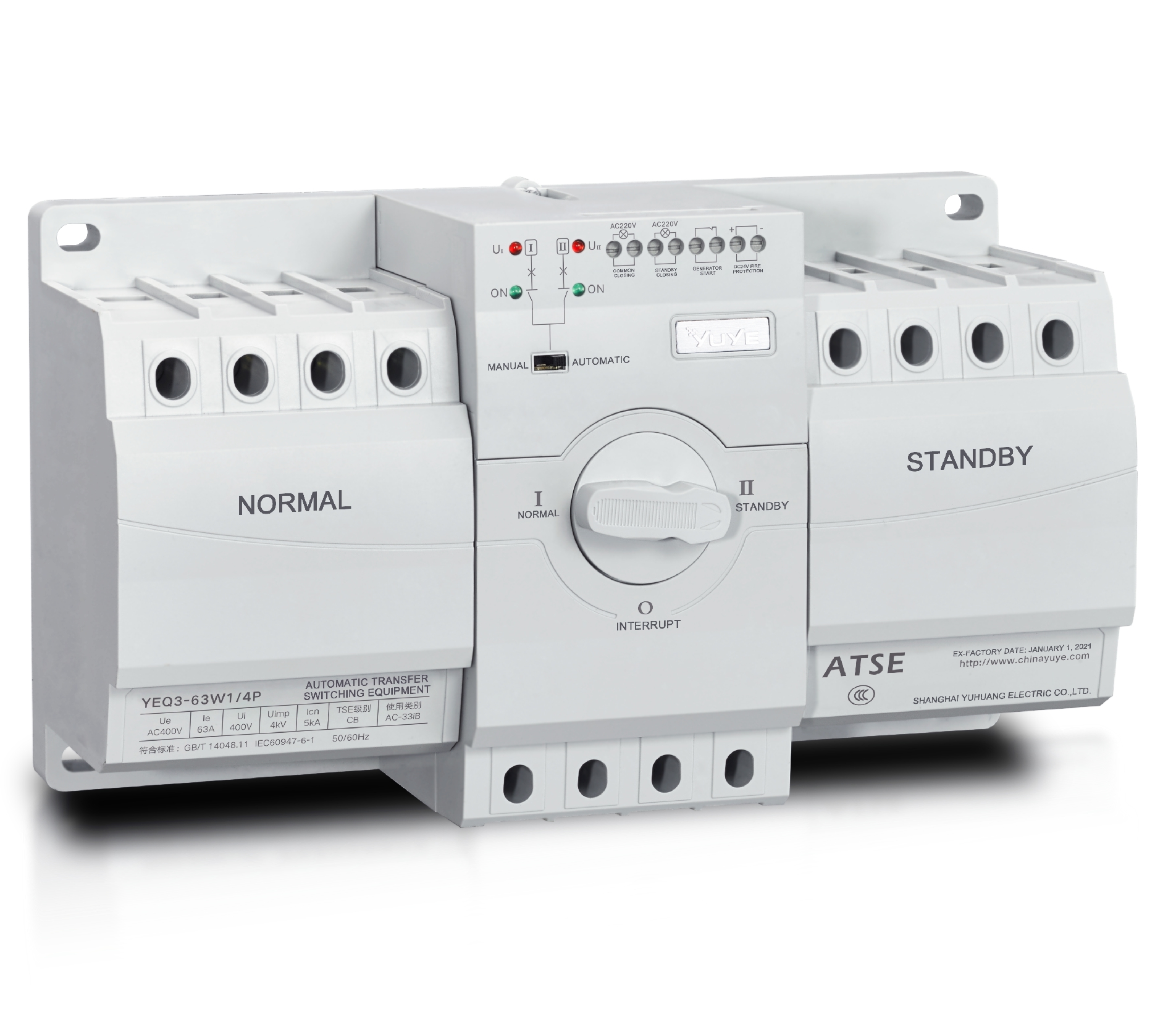 CB ATS YEQ3-63W1
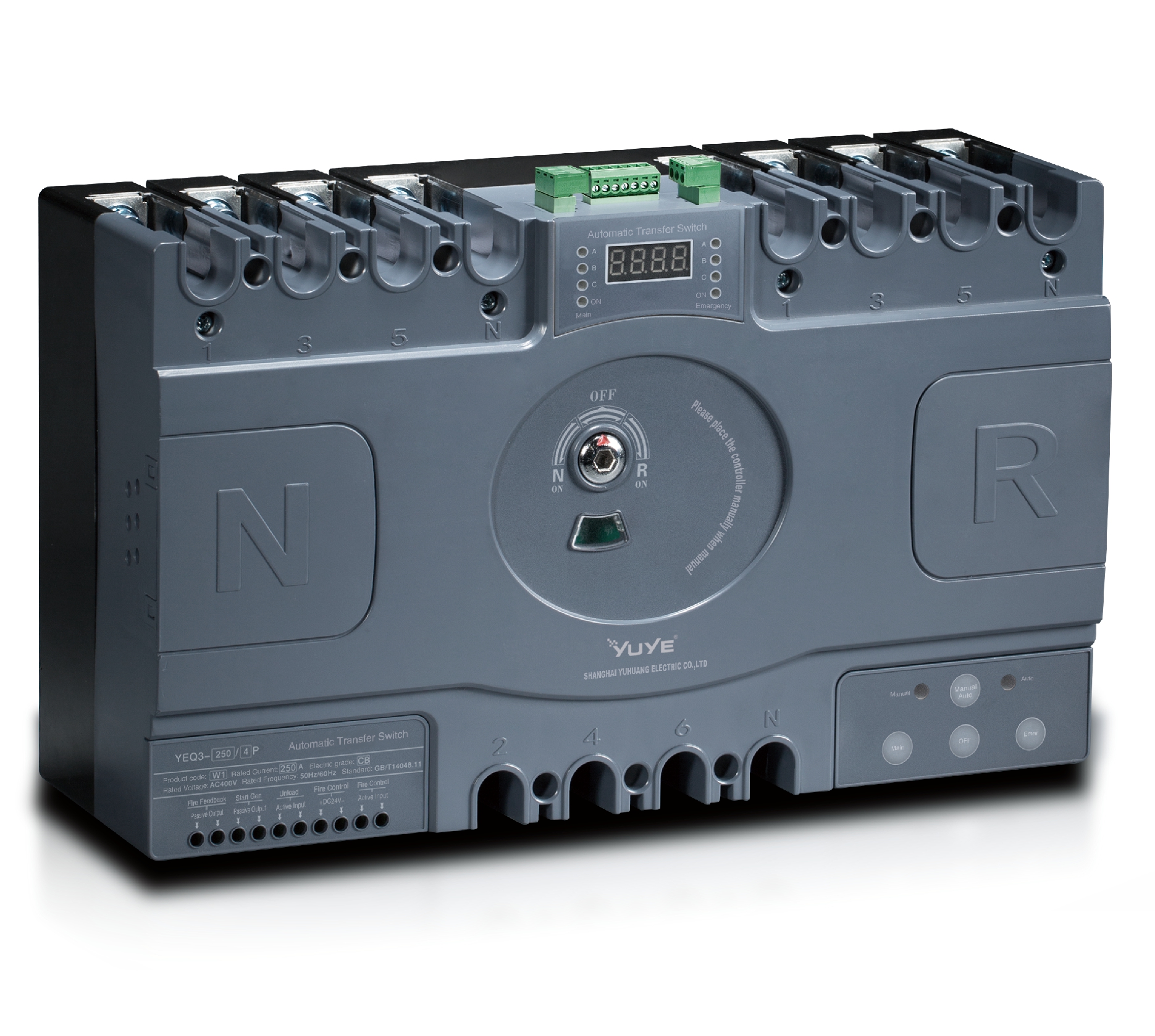 CB ATS YEQ3-125~630W1
 ATS controller Y-700
 ATS Controller Y-700N
 ATS Controller Y-701B
 ATS Controller Y-703N
 ATS Controller Y-800
 ATS Controller W2/W3 Series
 ATS switch Cabinet floor-to-ceiling
 ATS switch cabinet
 JXF-225A power Cbinet
 JXF-800A power Cbinet
 YEM3-125~800 Plastic Shell Type MCCB
 YEM3L-125~630 Leakage Type MCCB
 YEM3Z-125~800 Adjustable Type MCCB
 YEM1-63~1250 Plastic Shell Type MCCB
 YEM1E-100~800 Electronic Type MCCB
 YEM1L-100~630 Leakage Type MCCB
 Air Circuit Breaker YEW1-2000~6300
 Air Circuit Breaker YEW3-1600
 Miniature circuit breaker YEMA2-6~100
 Miniature circuit breaker YEB1-3~63
 Miniature circuit breaker YEB1LE-3~63
 Miniature circuit breaker YEPN-3~32
 Miniature circuit breaker YEPNLE-3~32
 Miniature circuit breaker YENC-63~125
 Load isolation switch YGL-63~3150
 Load Isolation Switch YGL2-63~3150
 DC relay YDC-P20
 DC relay YDC-P250
 DC relay YDC-P400
 DC relay MDC-300M
 DC relay YDC-M400
 DC Isolation Switch YEGL3D-630
 YECPS2-45~125 LCD
 YECPS-45~125 Digital
 CNC Milling/Turning-OEM
I. Introduction
In low-voltage dual-power distribution engineering, high-current automatic transfer switches are critical for guaranteeing uninterrupted power supply for heavy-load facilities. During equipment tendering and procurement, project buyers frequently encounter inconsistent pricing for devices with identical 630A current specifications. Many buyers struggle to distinguish real value from inflated or lowball quotations, resulting in improper budget allocation or problematic equipment procurement. This article conducts an in-depth cost breakdown of ATS 630A, focusing on structural configuration differences, brand value premiums and transaction-related variables, providing exclusive pricing references and practical purchasing guidelines for engineering projects.
II. Market Cost Overview and Basic Price Range of Standard ATS 630A
The global market pricing of ATS 630A presents obvious tiered characteristics, which is closely linked to product positioning and application scenarios. It is mainly divided into entry-level basic versions, standard commercial versions and industrial enhanced versions, with each tier having a clear and differentiated market price range.
The fundamental market pricing of ATS 630A is susceptible to upstream industrial changes. Fluctuations in the prices of metal raw materials, electronic control chips and insulating accessories will directly shift the factory cost threshold, driving regular adjustments in terminal market quotations.
The core cost composition of standard ATS 630A covers precision mechanical switching components, dedicated control circuit boards, insulating and protective accessories, standardized assembly procedures and professional factory performance testing, which together constitute the cost foundation of qualified formal products.
III. Internal Configuration and Functional Differences Affecting ATS 630A Costs
Internal hardware configuration differences are the primary cause of vertical price gaps for ATS 630A. High-cost compliant products adopt thickened high-conductivity copper busbars, wear-resistant mechanical transmission structures and high-temperature resistant insulating materials, which adapt to long-term high-current operation. In contrast, low-cost simplified versions use thin conductive parts and ordinary plastic accessories, reducing production costs while sacrificing operational stability and durability.
Diversified functional expansions further widen product price differences. Basic ATS 630A only realizes mandatory mains and standby switching functions, while upgraded models support remote signal linkage, data recording, multi-dimensional fault monitoring and automatic reset functions. These extended intelligent functions require additional module configuration and program development, raising overall manufacturing costs.
Industrial customized ATS 630A adds anti-corrosion, dust-proof and anti-vibration structural designs, which are specially optimized for harsh industrial environments. The enhanced environmental adaptability and comprehensive protection performance bring higher production costs, forming a clear price gap with ordinary civilian and commercial models.

IV. Brand Positioning and Manufacturing Standards Leading to Price Differences
Brand positioning creates obvious value premiums in the ATS 630A market. The market is divided into international high-end brands, domestic medium and high-quality brands, and small-scale OEM manufacturers, with each category adopting independent pricing systems.
Premium brand pricing covers multiple invisible costs, including professional product research and development, standardized automated production, strict sampling inspection and global product certification. These standardized processes ensure stable product consistency and low failure rate, forming unique brand value advantages.
Generic low-price products from small factories lack standardized quality control and formal certification. Although the upfront procurement cost is low, they are prone to switching failure, overheating and component aging in actual operation, requiring frequent maintenance and replacement, which increases the comprehensive operating cost of the project.
V. Order Scale, Delivery and After-Sales Factors Influencing Final Transaction Price
Procurement scale directly affects the final transaction price of ATS 630A. Scattered retail purchases have no discount space, while medium-batch project orders can enjoy agent preferential policies. Large-scale centralized procurement of engineering projects can directly dock with manufacturers to obtain the lowest ex-factory price, effectively reducing unit procurement cost.
Non-standard customized demands will generate additional hidden costs. Special voltage adaptation, personalized function modification, dustproof and explosion-proof customization, as well as urgent production and cross-border logistics, will all increase the total procurement expenditure of ATS 630A.
After-sales service terms are important invisible pricing factors. Products with long-term warranty, free technical guidance and on-site commissioning services have higher comprehensive value. Products with short warranty periods and no professional after-sales support have low upfront prices but higher subsequent operational risks.
VI. Practical Purchasing Strategies to Balance Cost and Performance of ATS 630A
Scientific procurement of ATS 630A requires scenario-based matching instead of blind price comparison. Purchasers can select basic versions for conventional low-demand power supply scenarios and choose enhanced intelligent or industrial versions for key continuous power supply projects to avoid functional redundancy or performance insufficiency.
Reasonable brand selection is the key to cost control. For core power distribution systems with high stability requirements, priority should be given to high-reputation branded products; for auxiliary conventional circuits, cost-effective standardized domestic products can be selected to optimize the overall project budget.
Optimizing procurement and delivery plans can effectively save costs. Centralized unified procurement, avoidance of unnecessary customization, and reasonable reservation of production and transportation cycles can eliminate additional service fees and realize optimal cost-performance matching.
VII. Conclusion
To sum up, the fluctuating market price of ATS 630A is determined by hardware configuration, intelligent functions, brand quality and transaction terms. Every price difference corresponds to specific product quality and service gaps, rather than simple market arbitrary pricing.
In engineering procurement, it is essential to abandon the single low-price priority principle. Comprehensive evaluation of product adaptability, manufacturing quality and after-sales guarantee can effectively avoid procurement risks.
Accurate cost judgment and standardized purchasing schemes help project teams select high-quality, cost-matched ATS 630A products, reduce long-term operational and maintenance costs, and ensure the safe and reliable operation of dual-power distribution systems.
References
1. Global Low-Voltage Electrical Equipment Procurement Cost Report, 2024 Edition.
2. Mechanical and Electrical Product Manufacturing Cost Analysis: High-Current Switch Device Module Pricing Standard.
3. Commercial Power Distribution Project Budget and Cost Control Manual.
4. Electrical Equipment Brand Premium and Market Competitiveness Research Report.
FAQ
Q1: What is the core reason for the large price difference of ATS 630A on the market?
A1: The core reasons lie in different material standards, functional configurations, brand qualification and after-sales systems. Different combinations of these factors lead to huge differences in comprehensive costs and terminal quotations.
Q2: Is it necessary to purchase high-priced branded ATS 630A for ordinary projects?
A2: Not necessarily. Ordinary conventional scenarios with low operational requirements can choose qualified cost-effective standard products to avoid excessive budget waste, while key projects need high-quality branded equipment.
Q3: Do intelligent functions affect the pricing of ATS 630A greatly?
A3: Yes. Remote control, data monitoring and fault recording functions require additional intelligent modules and program development, which are important factors driving up product prices.
Q4: What hidden costs are easy to ignore when purchasing ATS 630A?
A4: Customization fees, urgent delivery fees, cross-region logistics costs and after-sales commissioning and maintenance fees are easily ignored hidden costs in the procurement process.
Q5: How to avoid overpaying when purchasing ATS 630A in batches?
A5″>Understand the mainstream market price range, confirm configuration matching project demands, choose formal suppliers, and negotiate bulk discount policies to achieve optimal cost control.
