
 PC ATS YECT1-2000G
 PC ATS YES2-63~250GN1
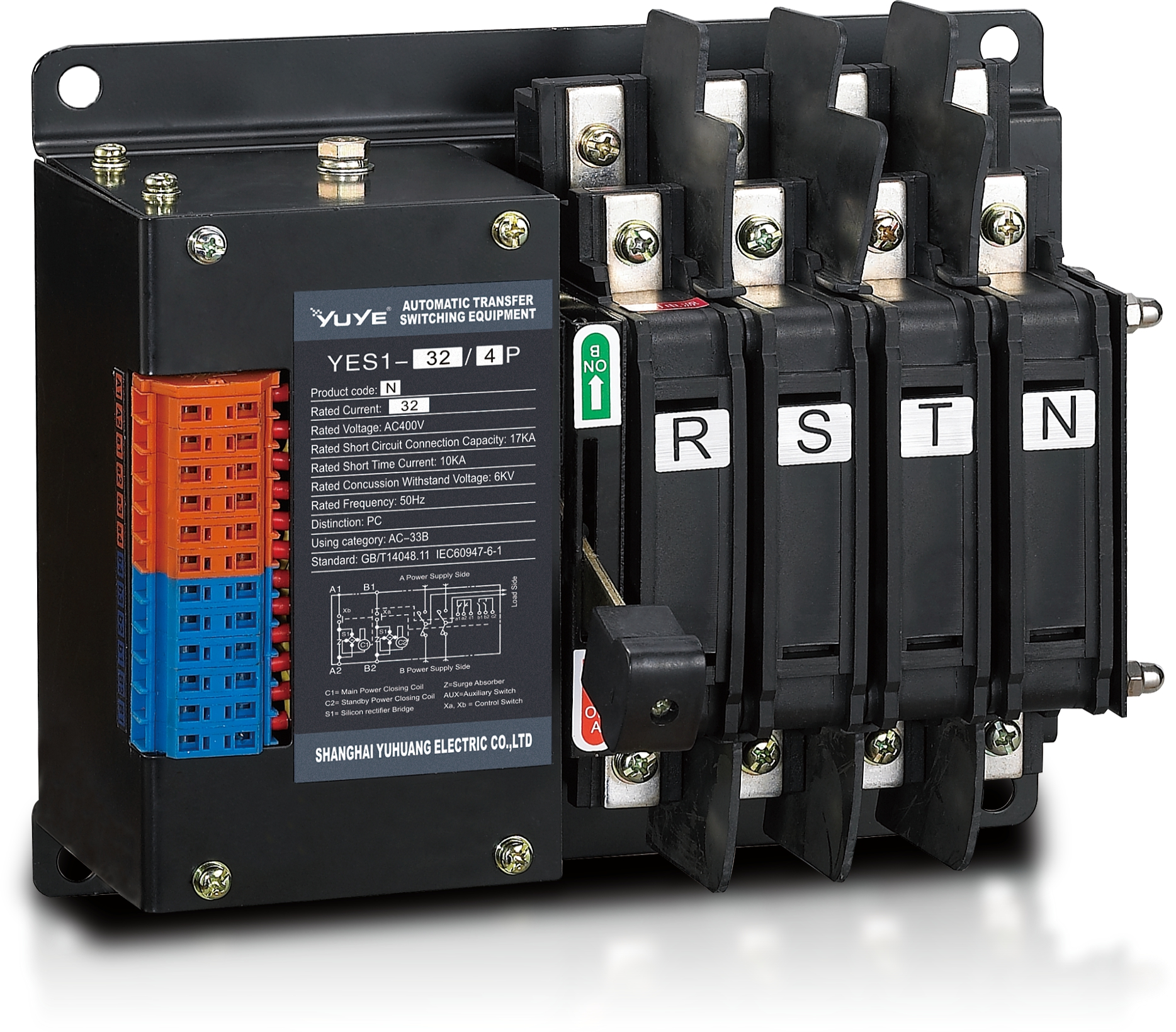 Solenoid-type ATS YES1-32~125N
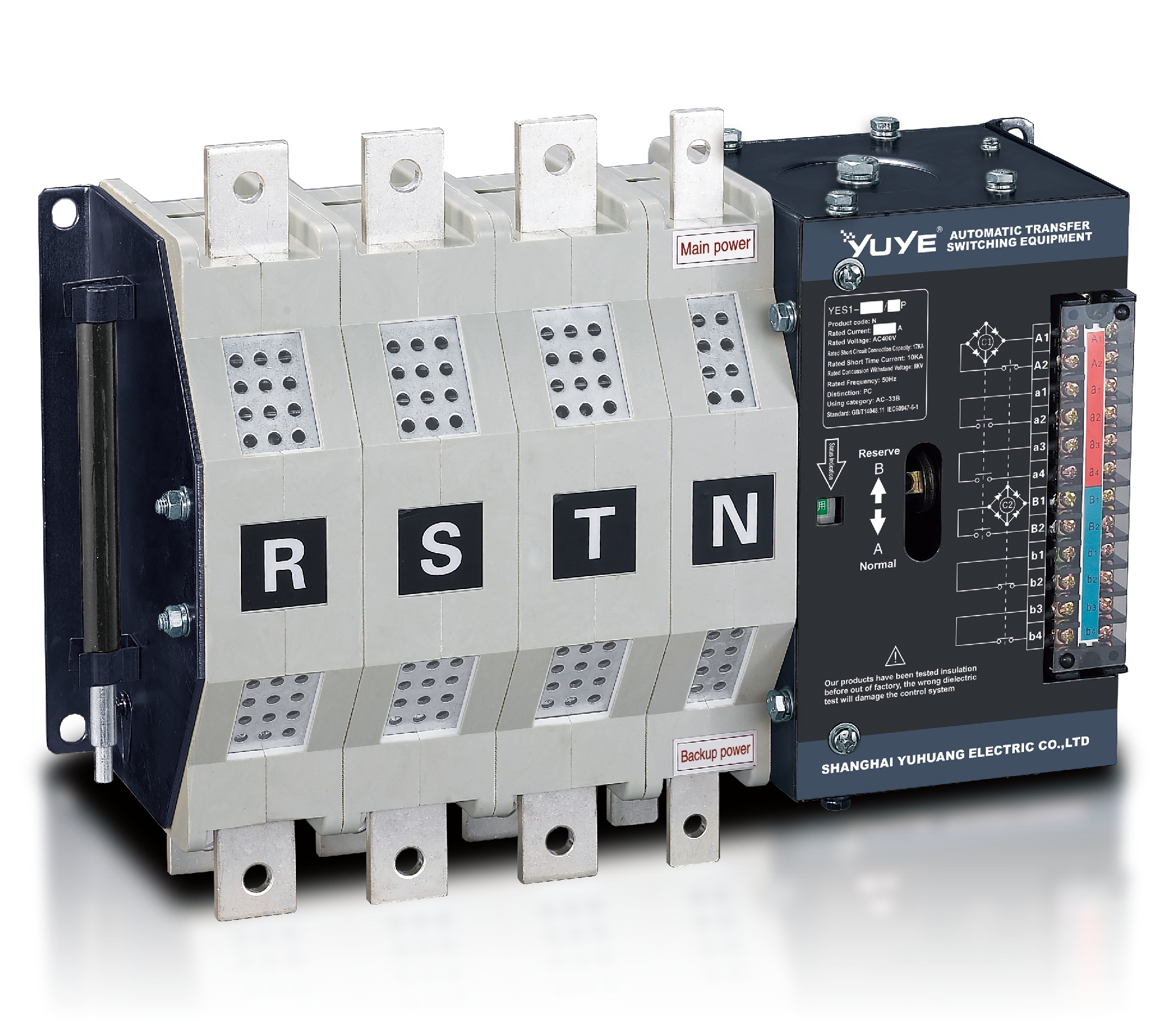 Solenoid-type ATS YES1-250~630N/NT
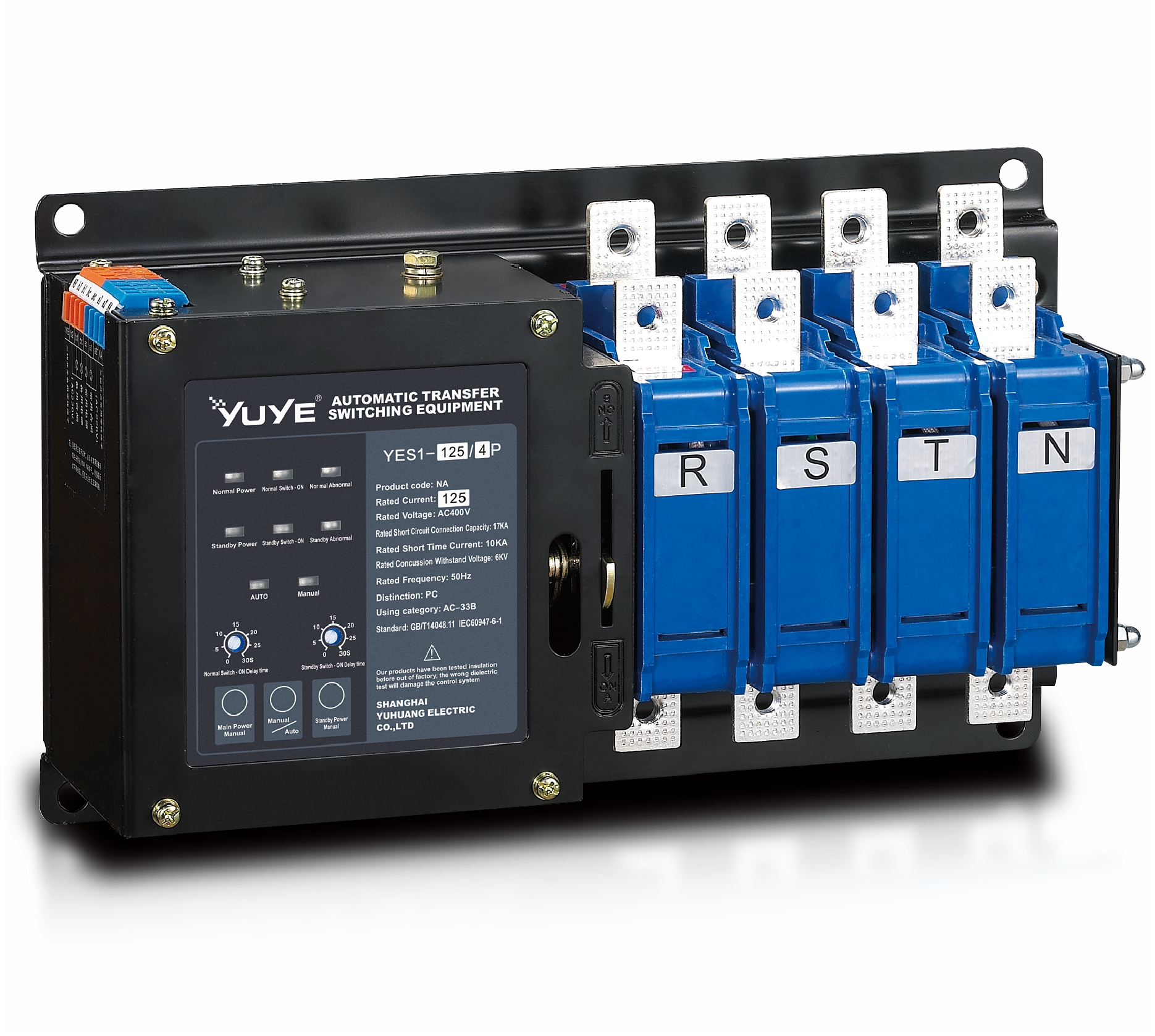 Solenoid-type ATS YES1-32~125NA
 Solenoid-type ATS YES1-63~630SN
 Solenoid-type ATS YES1-1250~4000SN
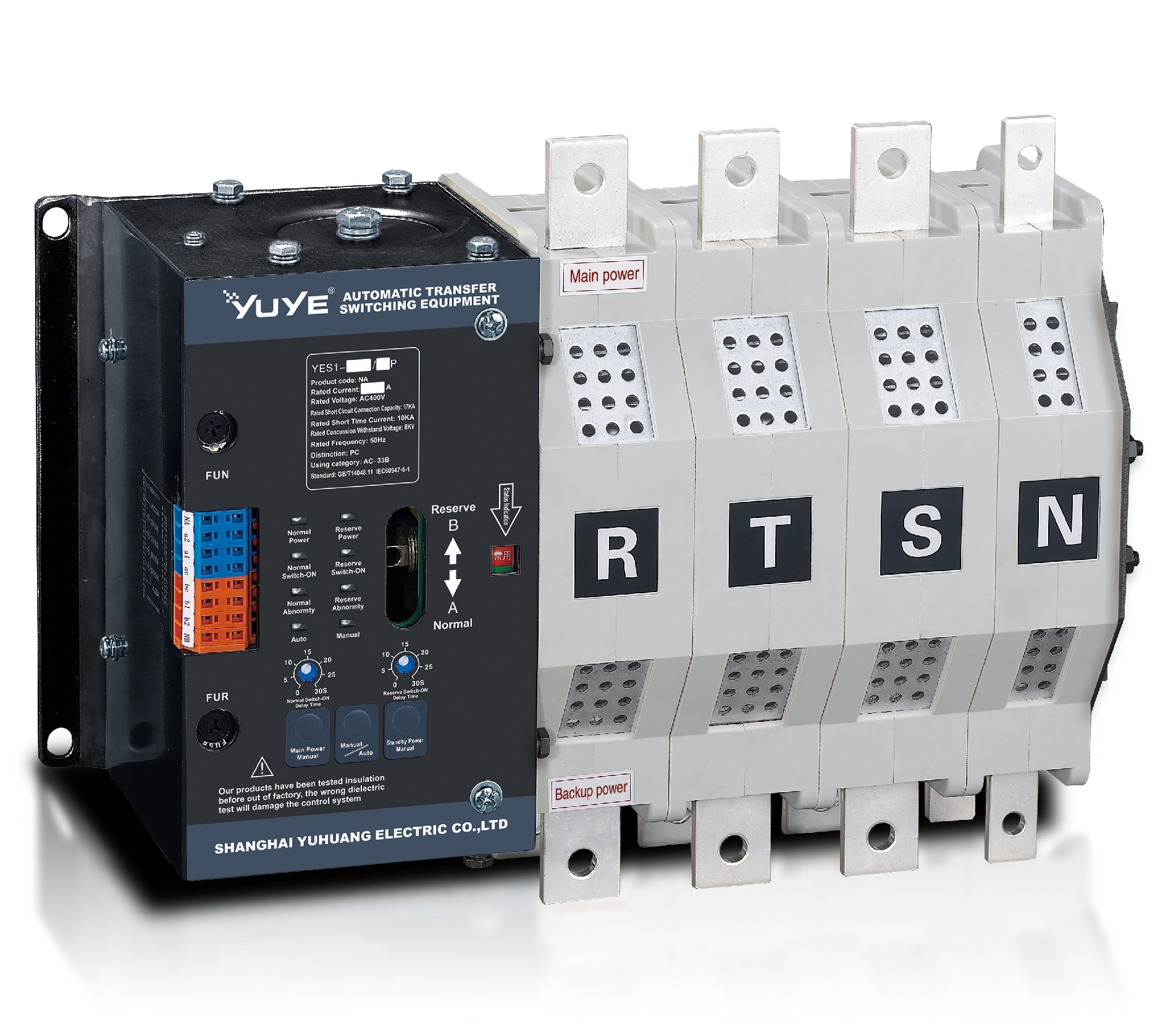 Solenoid-type ATS YES1-250~630NA/NAT
 Solenoid-type ATS YES1-63NJT
 PC ATS YES1-100~1600GN1/GN/GNF
 PC ATS YES1-2000~3200GN/GNF
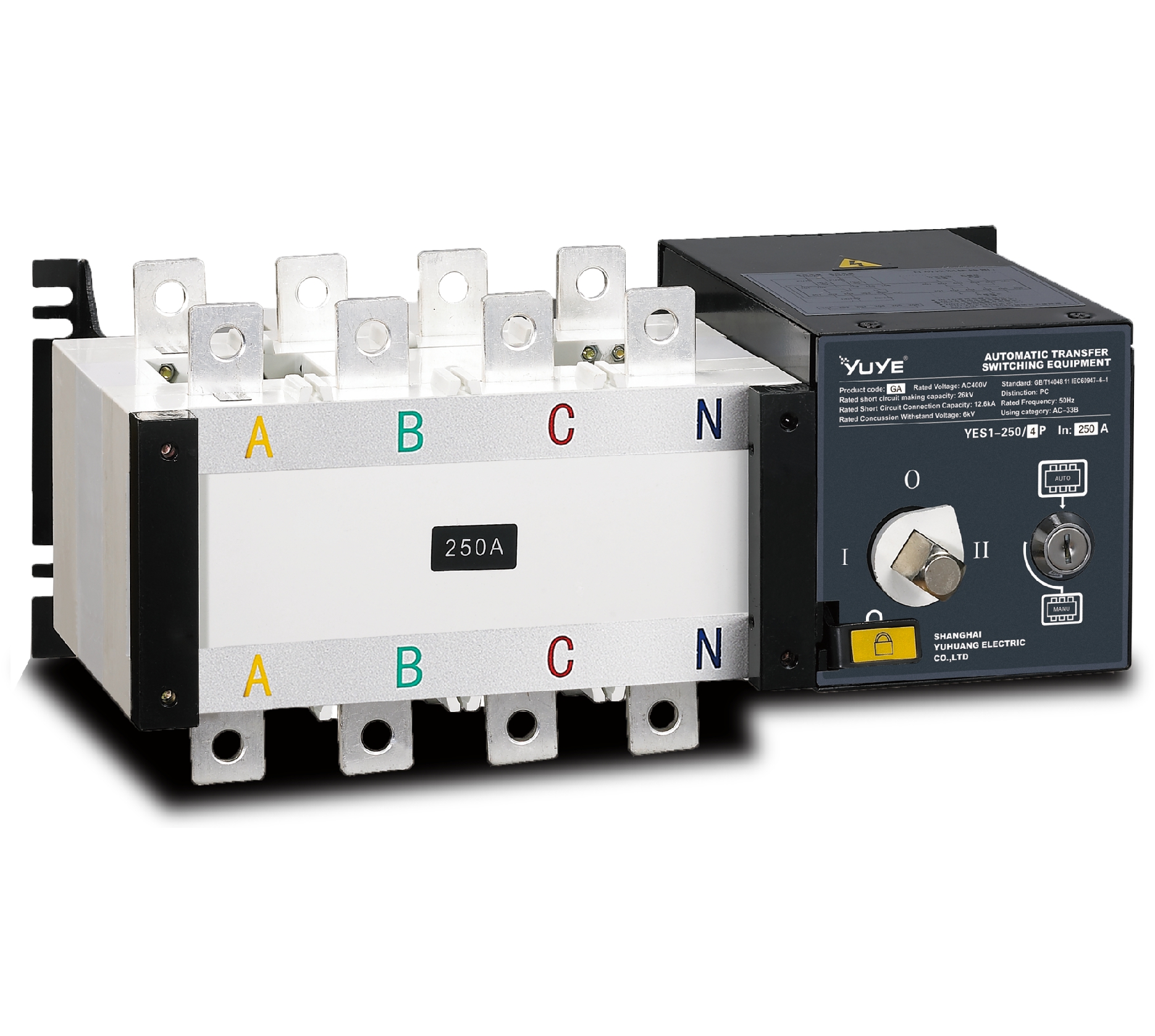 PC ATS YES1-100~3200GA1/GA
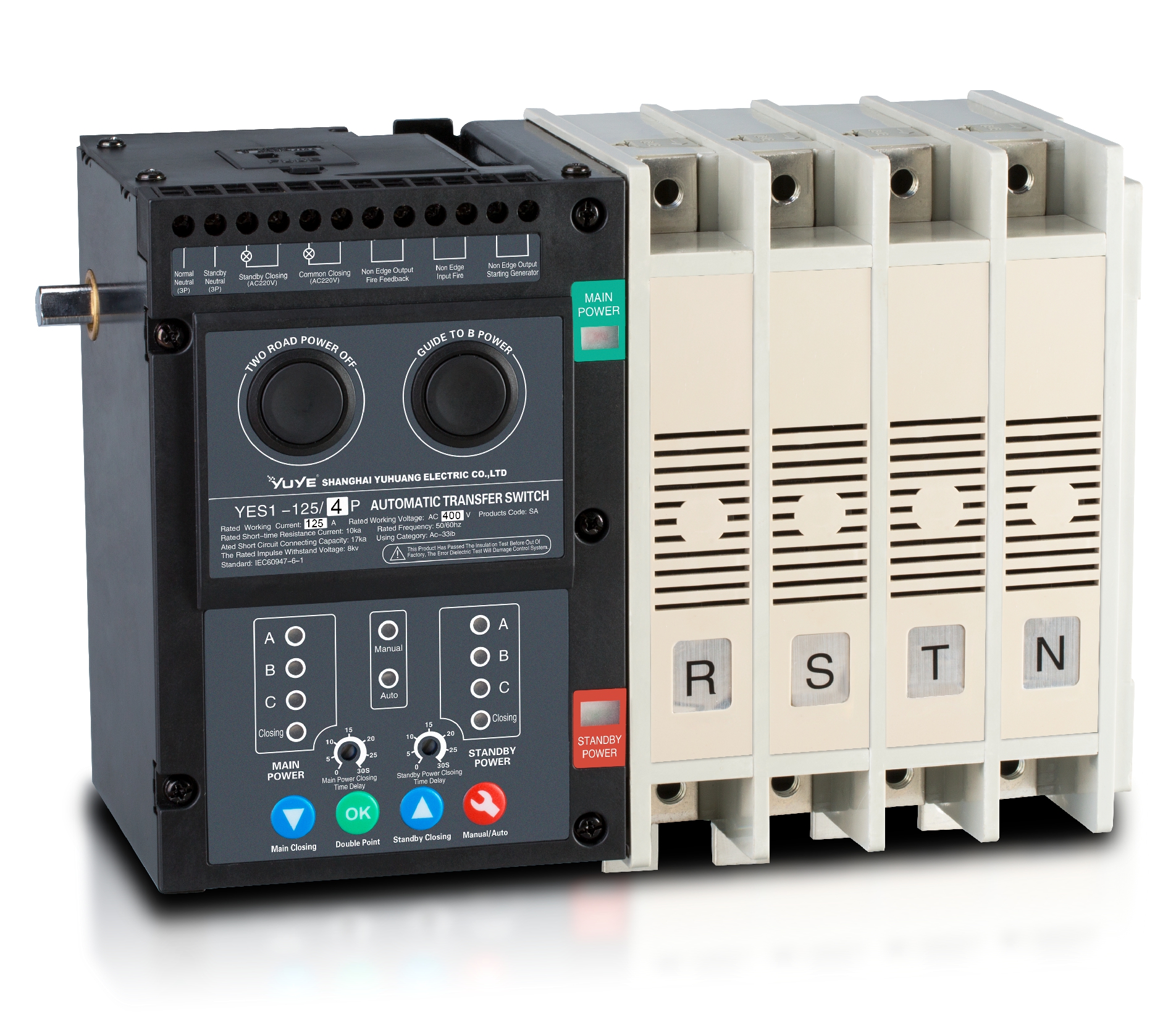 Solenoid-type ATS YES1-63~630SA
 Solenoid-type ATS YES1-63~630L/LA
 Solenoid-type ATS YES1-63~630LA3
 Solenoid-type ATS YES1-63MA
 PC ATS YES1-630~1600M
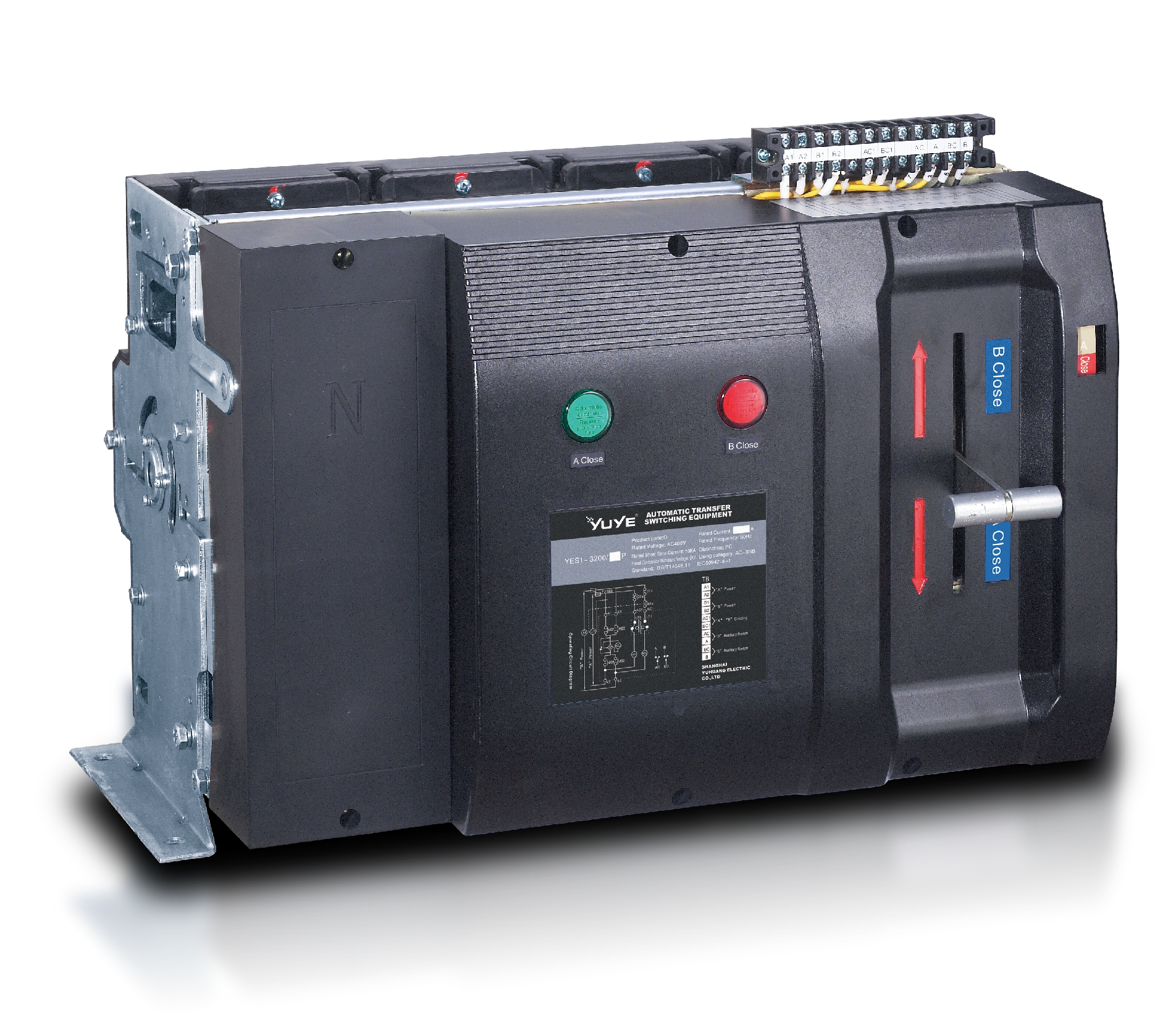 PC ATS YES1-3200Q
 Solenoid-type ATS YES1-4000~6300Q
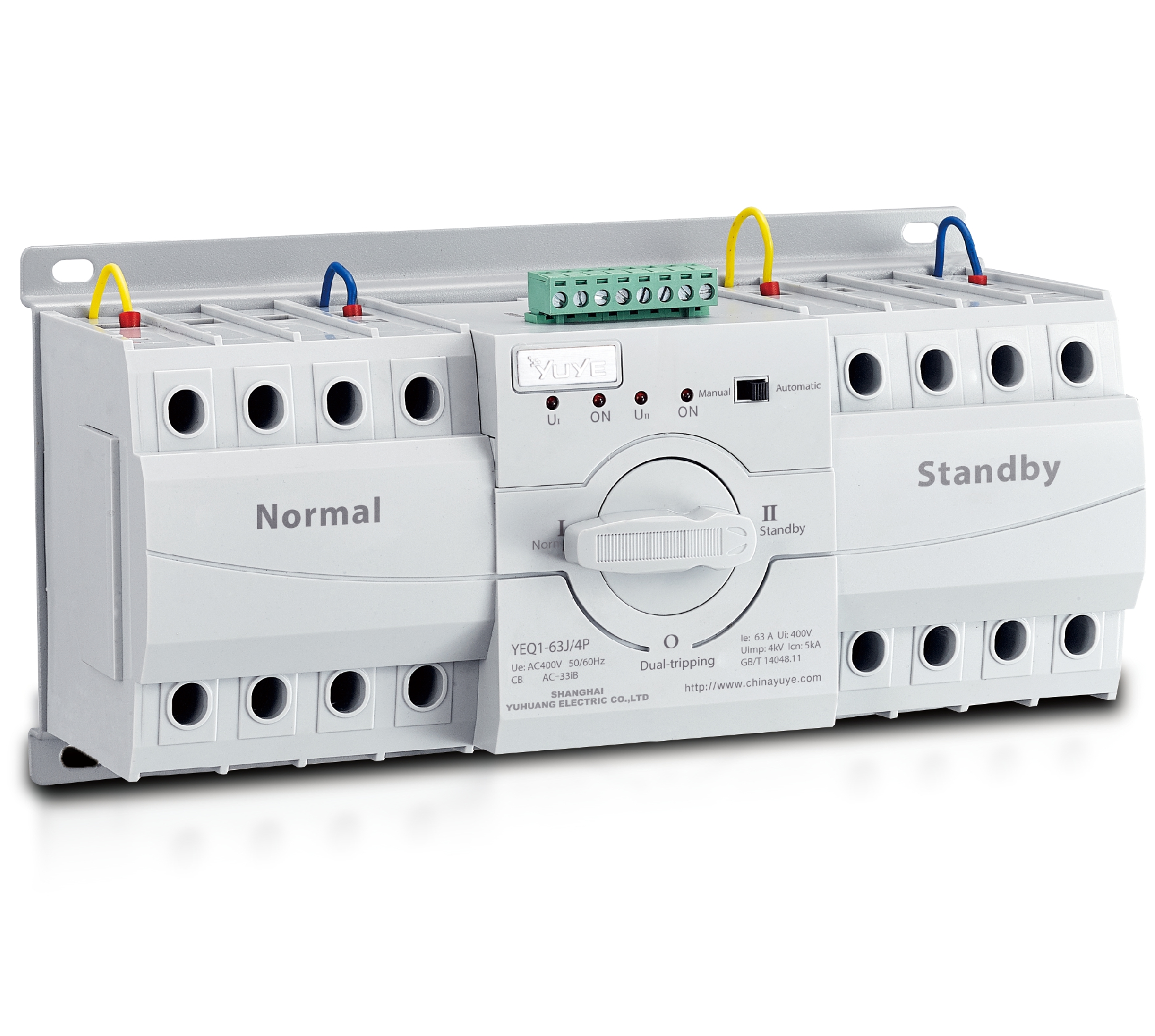 CB ATS YEQ1-63J
 CB ATS YEQ2Y-63
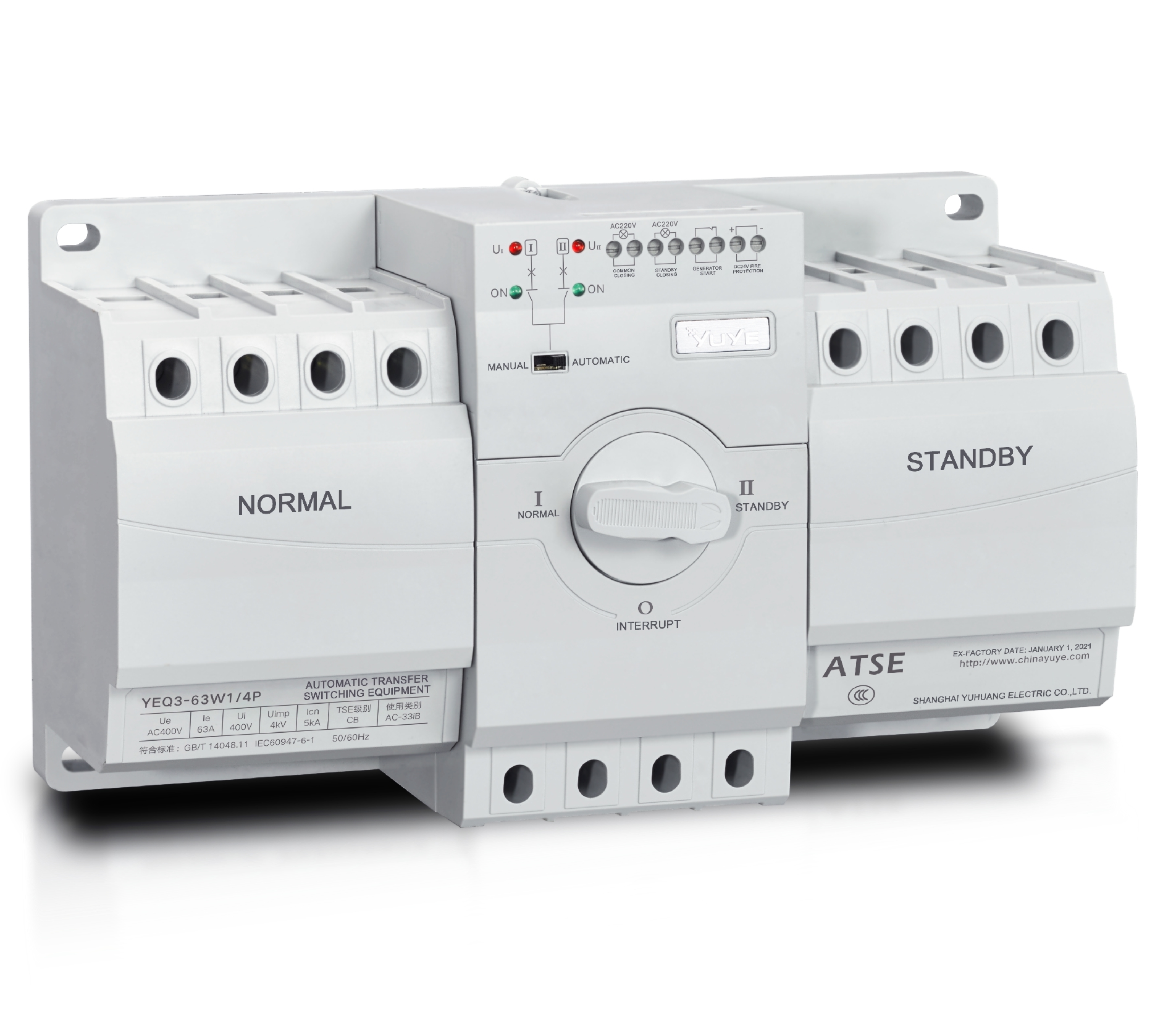 CB ATS YEQ3-63W1
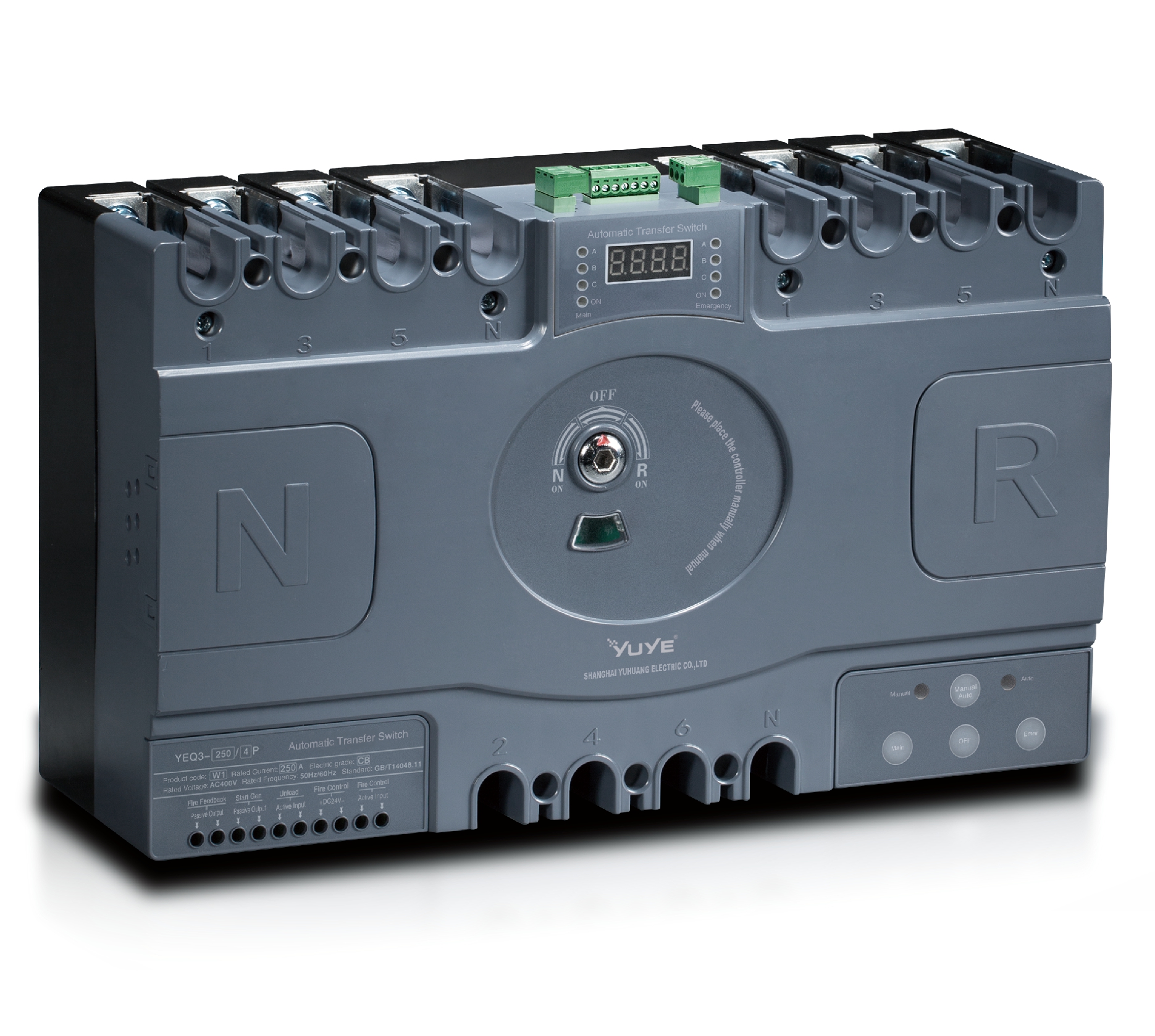 CB ATS YEQ3-125~630W1
 ATS controller Y-700
 ATS Controller Y-700N
 ATS Controller Y-701B
 ATS Controller Y-703N
 ATS Controller Y-800
 ATS Controller W2/W3 Series
 ATS switch Cabinet floor-to-ceiling
 ATS switch cabinet
 JXF-225A power Cbinet
 JXF-800A power Cbinet
 YEM3-125~800 Plastic Shell Type MCCB
 YEM3L-125~630 Leakage Type MCCB
 YEM3Z-125~800 Adjustable Type MCCB
 YEM1-63~1250 Plastic Shell Type MCCB
 YEM1E-100~800 Electronic Type MCCB
 YEM1L-100~630 Leakage Type MCCB
 Air Circuit Breaker YEW1-2000~6300
 Air Circuit Breaker YEW3-1600
 Miniature circuit breaker YEMA2-6~100
 Miniature circuit breaker YEB1-3~63
 Miniature circuit breaker YEB1LE-3~63
 Miniature circuit breaker YEPN-3~32
 Miniature circuit breaker YEPNLE-3~32
 Miniature circuit breaker YENC-63~125
 Load isolation switch YGL-63~3150
 Load Isolation Switch YGL2-63~3150
 DC relay YDC-P20
 DC relay YDC-P250
 DC relay YDC-P400
 DC relay MDC-300M
 DC relay YDC-M400
 DC Isolation Switch YEGL3D-630
 YECPS2-45~125 LCD
 YECPS-45~125 Digital
 CNC Milling/Turning-OEM
1. Introduction
Stable power supply is essential for modern industry, commercial facilities and public infrastructure. Grid failures such as blackouts, voltage deviation and phase loss often cause shutdowns, data loss and economic losses. For mission-critical sites including factories, data centers and hospitals, dual-power systems have become a standard reliability solution. As the core device for seamless dual-power switching,ATS Transfer Switch automatically switches between utility and standby power without manual operation, effectively avoiding power interruption risks. This article concisely introduces its working principle, key parameters, technical advantages, typical applications and maintenance guidelines to provide practical references for engineering selection and operation.
2. Working Principle and Core Composition of ATS Automatic Transfer Switch
2.1 Core Working Principle
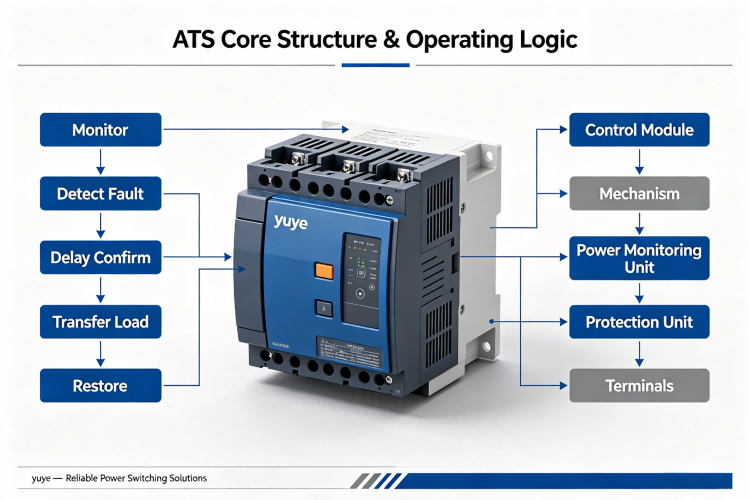
ATS adopts standardized power monitoring and automatic switching logic. Under normal conditions, the load is powered by the main utility power. Once the system detects power failure, overvoltage, undervoltage or phase loss, the control module triggers a delay judgment to avoid misoperation caused by transient power fluctuations. After confirming a permanent main power fault, the device automatically disconnects the main circuit and switches the load to standby power (generator, UPS, etc.) to maintain continuous power supply. When the main power recovers and operates stably, the device will switch back and reset automatically, realizing fully unattended dual-power cyclic switching.
2.2 Core Structural Composition
ATS features modular and integrated hardware, mainly consisting of an intelligent control module, mechanical switching actuator, real-time power monitoring unit, multi-protection system and standard terminals. The control module undertakes data collection and fault judgment; the mechanical structure completes high-precision circuit switching; the monitoring unit tracks dual-power operating status in real time; and the protection module prevents overload and short-circuit faults. The coordination of all components ensures safe, accurate and reliable power switching.
3. Key Technical Parameters and Professional Selection Standards
3.1 Interpretation of Core Technical Parameters
Key technical parameters determine ATS’s application range and operational safety, including rated voltage/current, switching time, insulation/protection grade, short-circuit breaking capacity and adjustable delay. Rated parameters must match the on-site power system load. Shorter switching time effectively prevents precision equipment downtime. Insulation and protection grades adapt to indoor and outdoor environmental conditions, while short-circuit resistance ensures system safety during switching transients.
3.2 Professional Industry Selection Standards
Professional ATS selection depends on load characteristics, power supply configuration and operating environment. Users shall select matching switching speed and protection level according to conventional or precision emergency loads, and choose suitable models based on mains-generator or mains-UPS power configurations. Environmental factors such as high/low temperature, humidity and dust should also be considered. All selections must comply with IEC 60947-6-1 and other international standards to avoid mismatching risks.
4. Core Technical Advantages in Dual Power Switching Scenarios
4.1 Intelligent Unattended Operation Advantage
Compared with manual and semi-automatic switches, ATS supports 24/7 real-time power monitoring, automatic fault identification and unattended switching. It eliminates human operation errors and response delays, greatly reduces maintenance costs, and is particularly suitable for unattended distribution rooms, remote base stations and other unmanned scenarios.
4.2 High Safety and Operational Stability
ATS integrates comprehensive protection functions including overvoltage, undervoltage, overload, short circuit and phase loss protection. Its built-in anti-parallel design effectively prevents main and standby power overlapping connection, avoiding grid short-circuit hazards. Optimized mechanical and control structures lower switching failure rates, ensuring long-term stable and safe system operation.
4.3 Wide Compatibility and Application Adaptability
ATS boasts wide compatibility with various power combinations, including mains-generator, mains-UPS and mains-new energy storage systems. Adjustable switching delay and flexible parameters adapt to loads from ordinary industrial equipment to precision electronic devices. With compact structure and simple debugging, it is widely applicable to various low-voltage power distribution systems with high engineering practicality.
5. Industrial and Commercial Application Scenario Analysis
5.1 Industrial Scenario Application
Industrial manufacturing and automated production lines require continuous power support. Unexpected outages cause production halts, equipment jamming and product scrapping. ATS quickly completes power switching during grid faults, sustaining the operation of production and control systems, and effectively reducing industrial economic losses caused by power interruption.
5.2 Commercial and Public Infrastructure Application
Hospitals, data centers, communication base stations, commercial complexes and rail transit are critical public and commercial scenarios. Power failures threaten medical safety, data integrity and normal public services. ATS ensures uninterrupted power supply for key equipment, stabilizing commercial operation and minimizing public service and operational risks.
5.3 Special Working Condition Adaptation Application
Customized high-protection and high-load ATS models adapt to harsh working conditions, including outdoor exposure, extreme temperatures and long-term high-power operation. Optimized structural and parameter designs resist environmental interference, expand application boundaries, and ensure reliable switching in complex power supply scenarios.
6. Installation, Debugging and Operation Maintenance Guidelines
6.1 Standardized Installation Specifications
ATS installation must follow international low-voltage electrical specifications. Install devices in dry, ventilated and clean environments away from corrosive and extreme temperature conditions. Wire strictly according to schematic diagrams to ensure correct phase sequence and firm connection. Complete stable fixation and standard grounding to guarantee overall power system safety.
6.2 Professional Commissioning Process
Full-function commissioning is mandatory before official operation, including dual-power power-on inspection, manual switching test and automatic fault simulation test. By simulating power failure and voltage abnormality, verify the accuracy of fault judgment and switching response. Adjust delay parameters according to actual load demands after all functions are confirmed normal.
6.3 Daily Operation and Maintenance & Fault Troubleshooting
Regular maintenance ensures long-term reliable ATS operation. Daily work includes dust cleaning, terminal inspection and mechanical flexibility checking. Quarterly functional tests are recommended for key scenarios. For common faults such as delayed switching and reset failure, troubleshoot through circuit and parameter detection, and replace accessories timely to restore normal performance.
7. Conclusion
As a vital component of modern dual-power distribution systems, ATS Transfer Switch provides intelligent, safe and efficient main/standby power switching solutions. It effectively avoids grid-failure power interruptions and serves as reliable power guarantee for industrial, commercial and public infrastructure scenarios. With intelligent upgrading of power systems, ATS is evolving toward higher precision and smarter remote management. Standardized selection, installation and maintenance can maximize equipment value and support stable low-voltage power system operation.
8. Citation Sources
[1] IEC 60947-6-1:2026, Low-voltage switchgear and controlgear – Part 6-1: Multiple function equipment – Transfer switching equipment[S]. IEC Webstore, 2026. [2] UL 1008, Standard for Automatic Transfer Switches[S]. Underwriters Laboratories, 2025. [3] NFPA 110, Standard for Emergency and Standby Power Systems[S]. National Fire Protection Association, 2024. [4] Eaton. Power Frame Type Automatic Transfer Switches Technical Manual[R]. 2025.
9. Frequently Asked Questions
Q1: What is the core difference between ATS transfer switch and manual transfer switch?
A1: Unlike manual switches that require on-site operation, ATS Transfer Switch enables fully automatic, fast and error-free power switching to ensure continuous power supply.
Q2: What scenarios are not suitable for ATS automatic transfer switch?
A2: ATS is not required for low-demand scenarios tolerating power outages and cannot be used for ultra-high voltage systems without customized modification.
Q3: How often does ATS equipment need daily maintenance?
A3: Critical scenarios need quarterly tests and semi-annual maintenance, while common scenarios can adopt a longer maintenance cycle.
Q4: Can ATS switch be matched with solar energy storage power supply system?
A4: Modern ATS features high compatibility and can be perfectly adapted to solar and other new energy storage power supply systems.
