
 PC ATS YECT1-2000G
 PC ATS YES2-63~250GN1
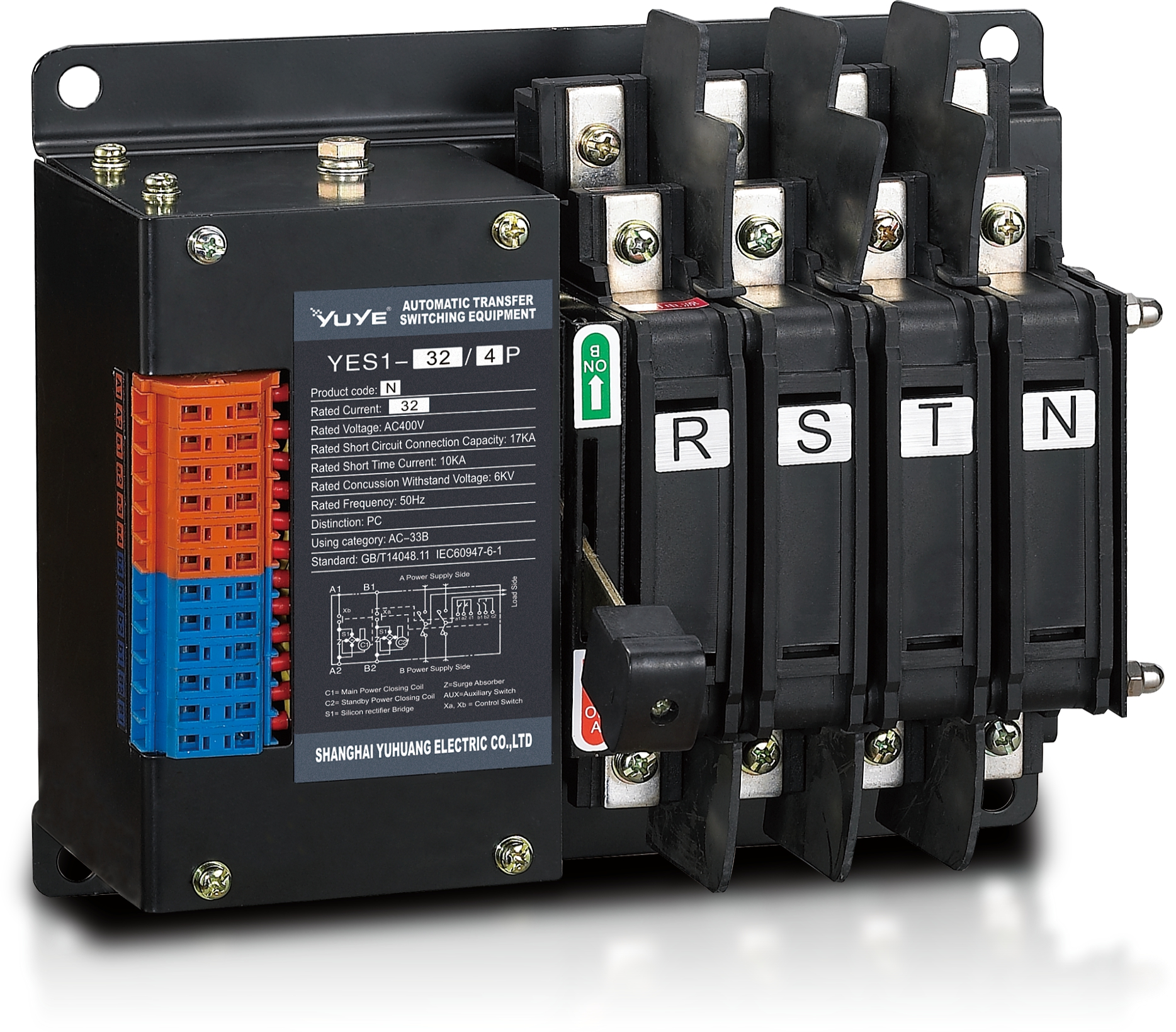 Solenoid-type ATS YES1-32~125N
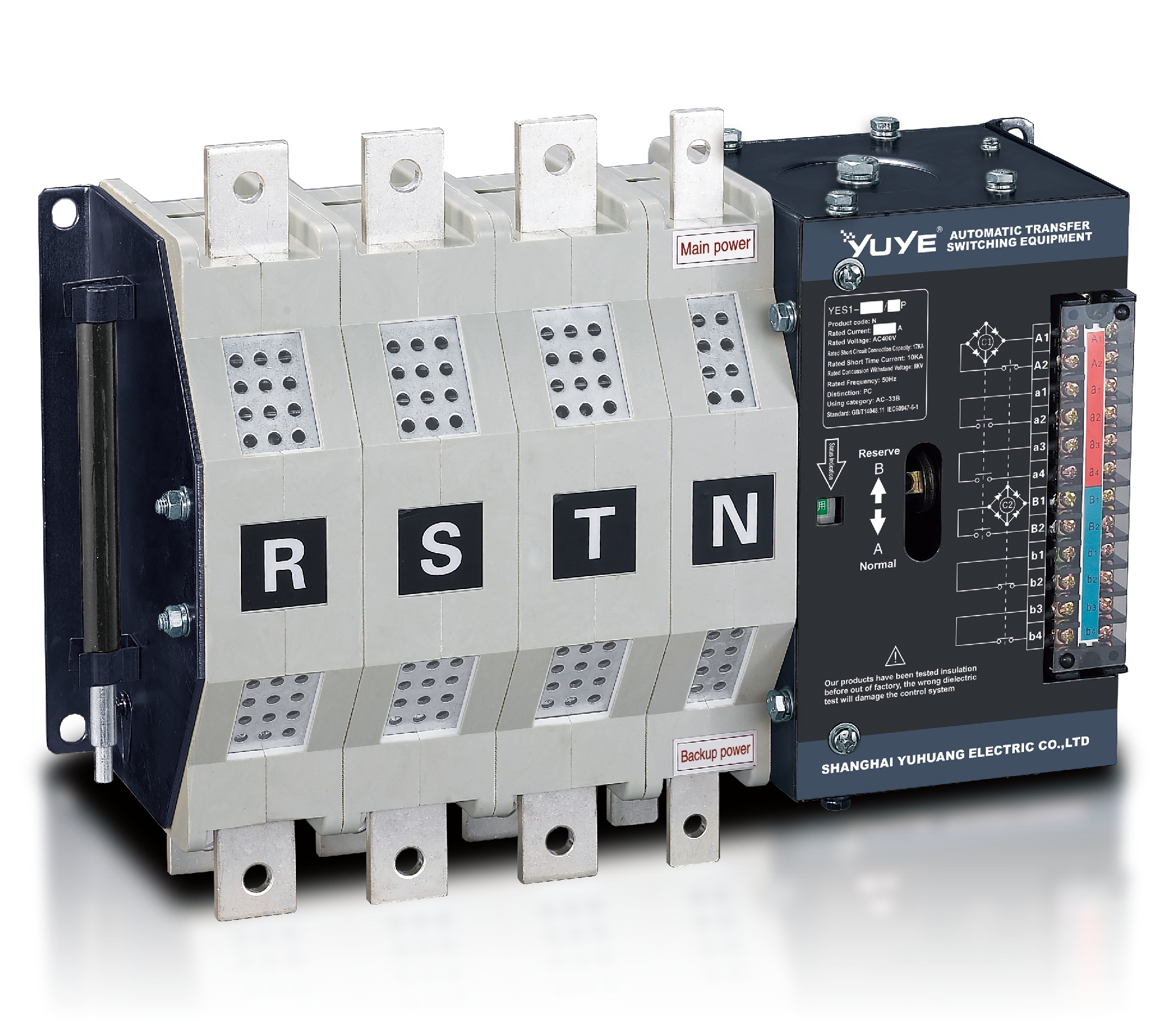 Solenoid-type ATS YES1-250~630N/NT
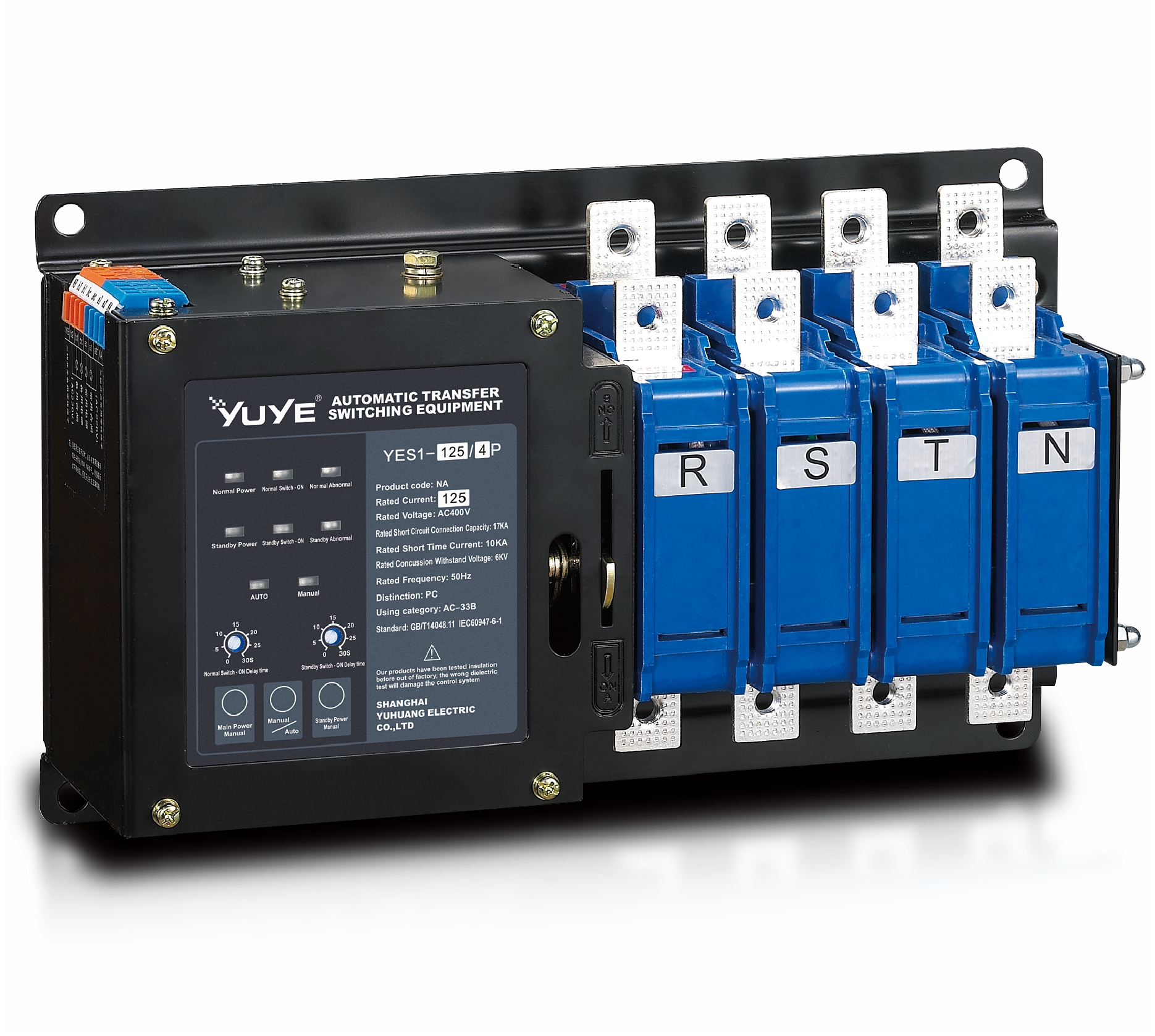 Solenoid-type ATS YES1-32~125NA
 Solenoid-type ATS YES1-63~630SN
 Solenoid-type ATS YES1-1250~4000SN
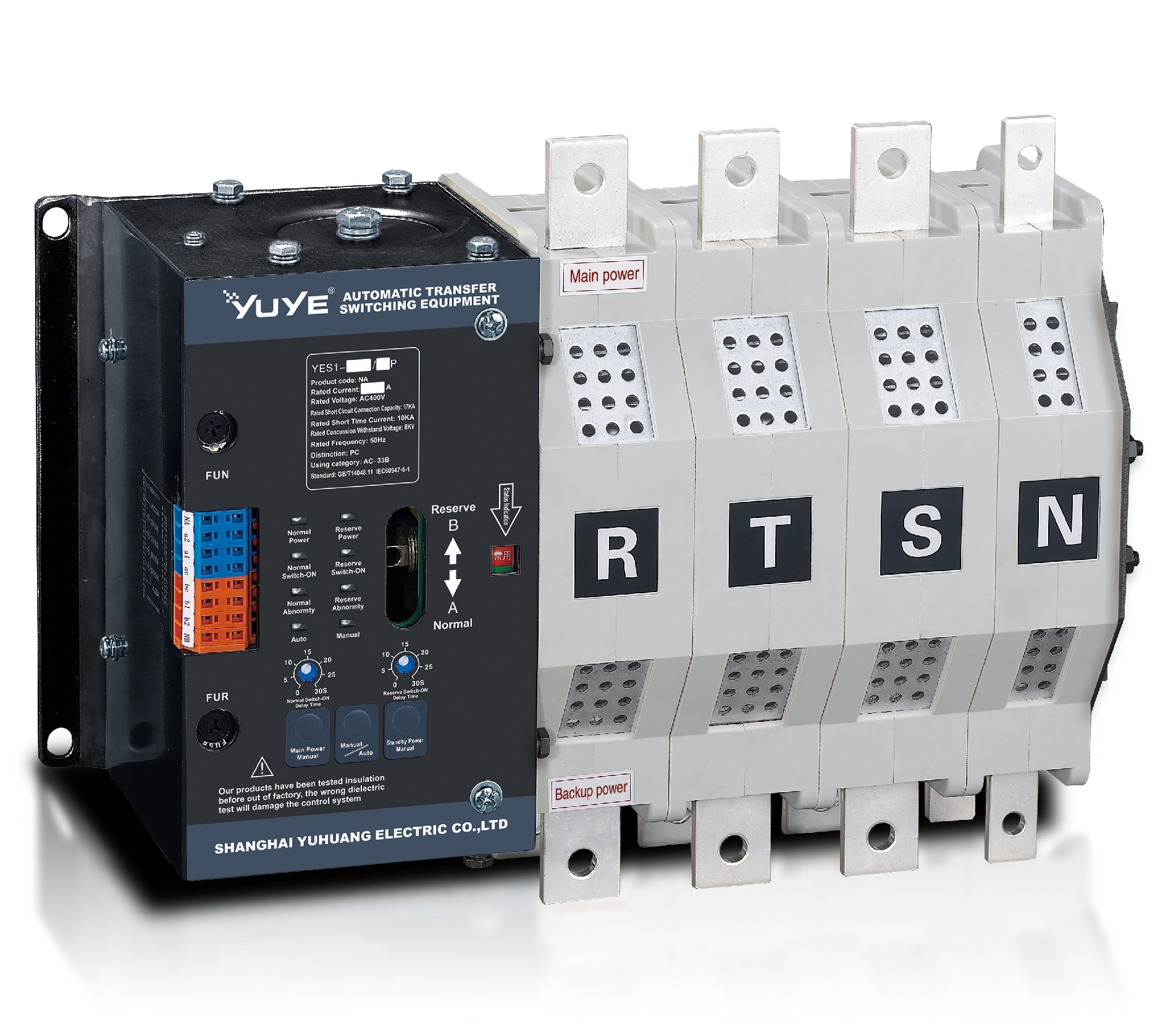 Solenoid-type ATS YES1-250~630NA/NAT
 Solenoid-type ATS YES1-63NJT
 PC ATS YES1-100~1600GN1/GN/GNF
 PC ATS YES1-2000~3200GN/GNF
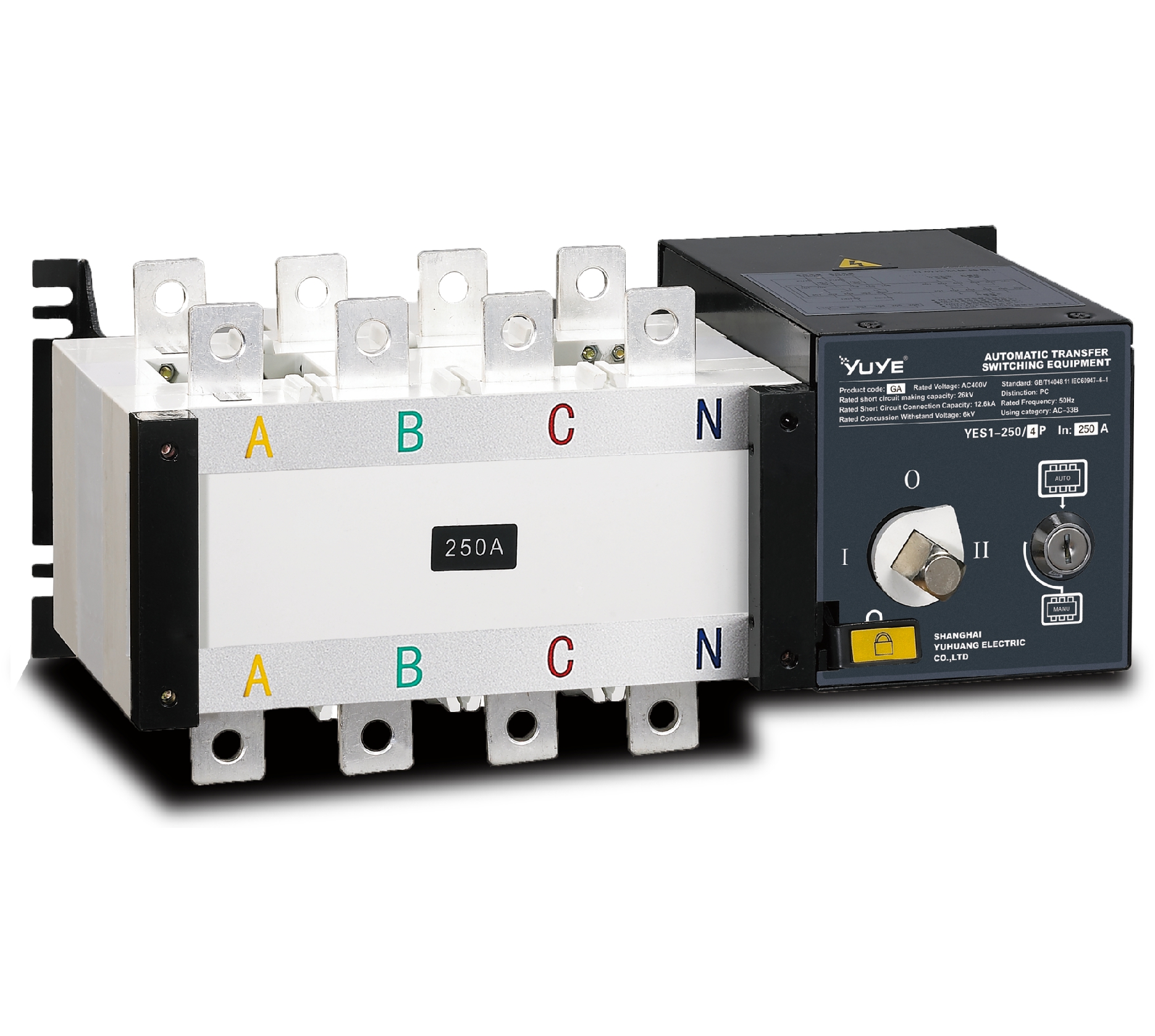 PC ATS YES1-100~3200GA1/GA
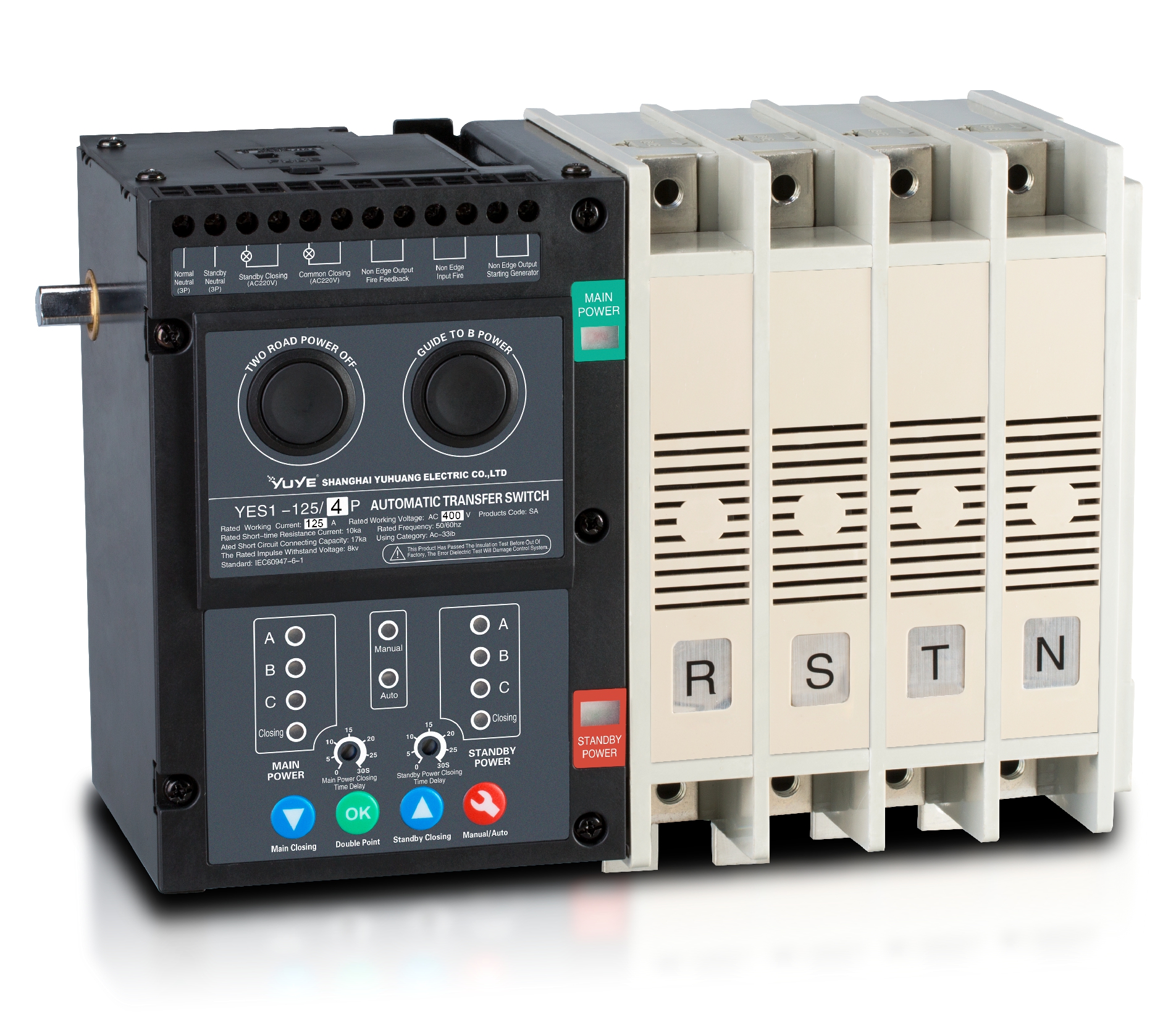 Solenoid-type ATS YES1-63~630SA
 Solenoid-type ATS YES1-63~630L/LA
 Solenoid-type ATS YES1-63~630LA3
 Solenoid-type ATS YES1-63MA
 PC ATS YES1-630~1600M
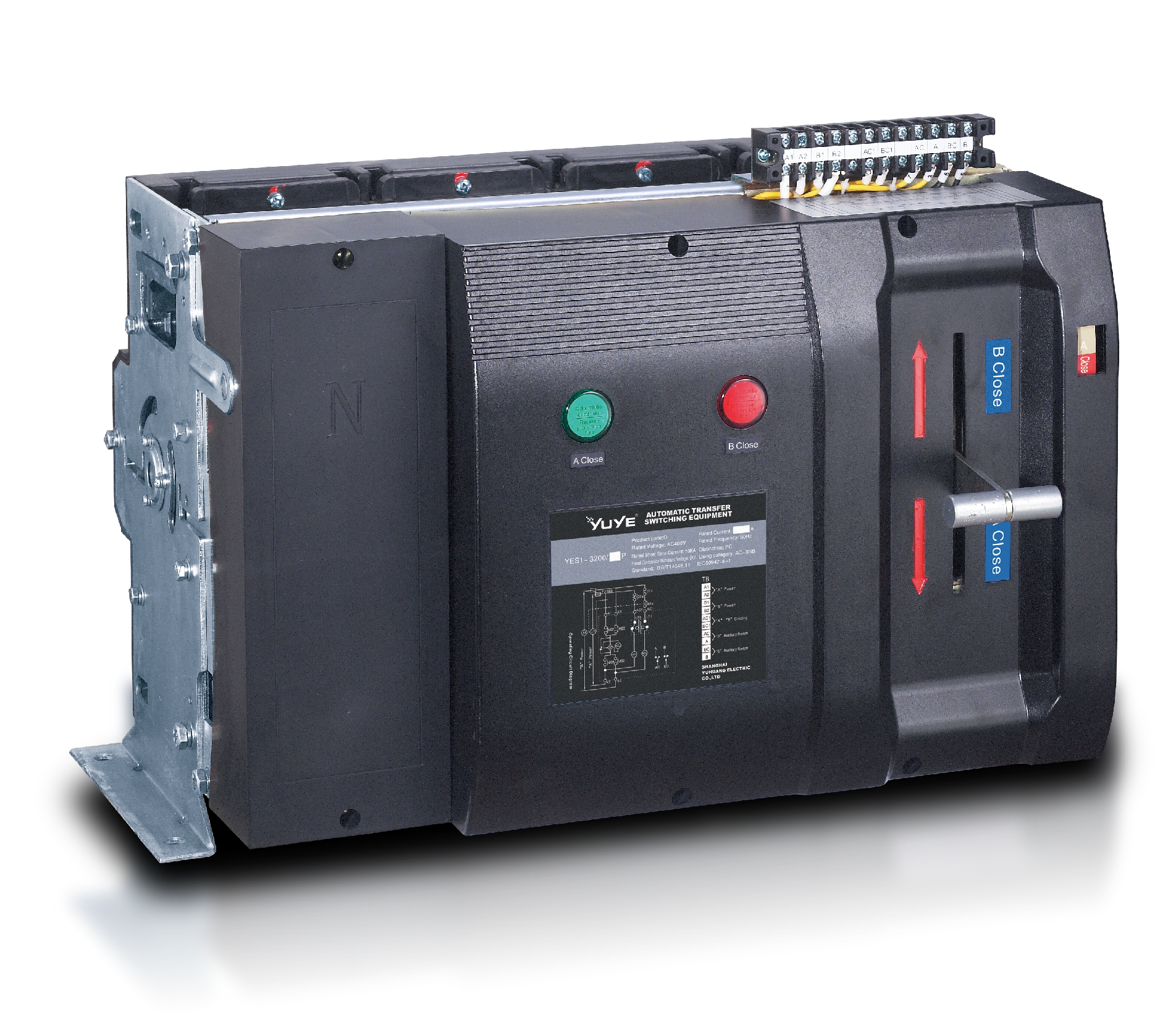 PC ATS YES1-3200Q
 Solenoid-type ATS YES1-4000~6300Q
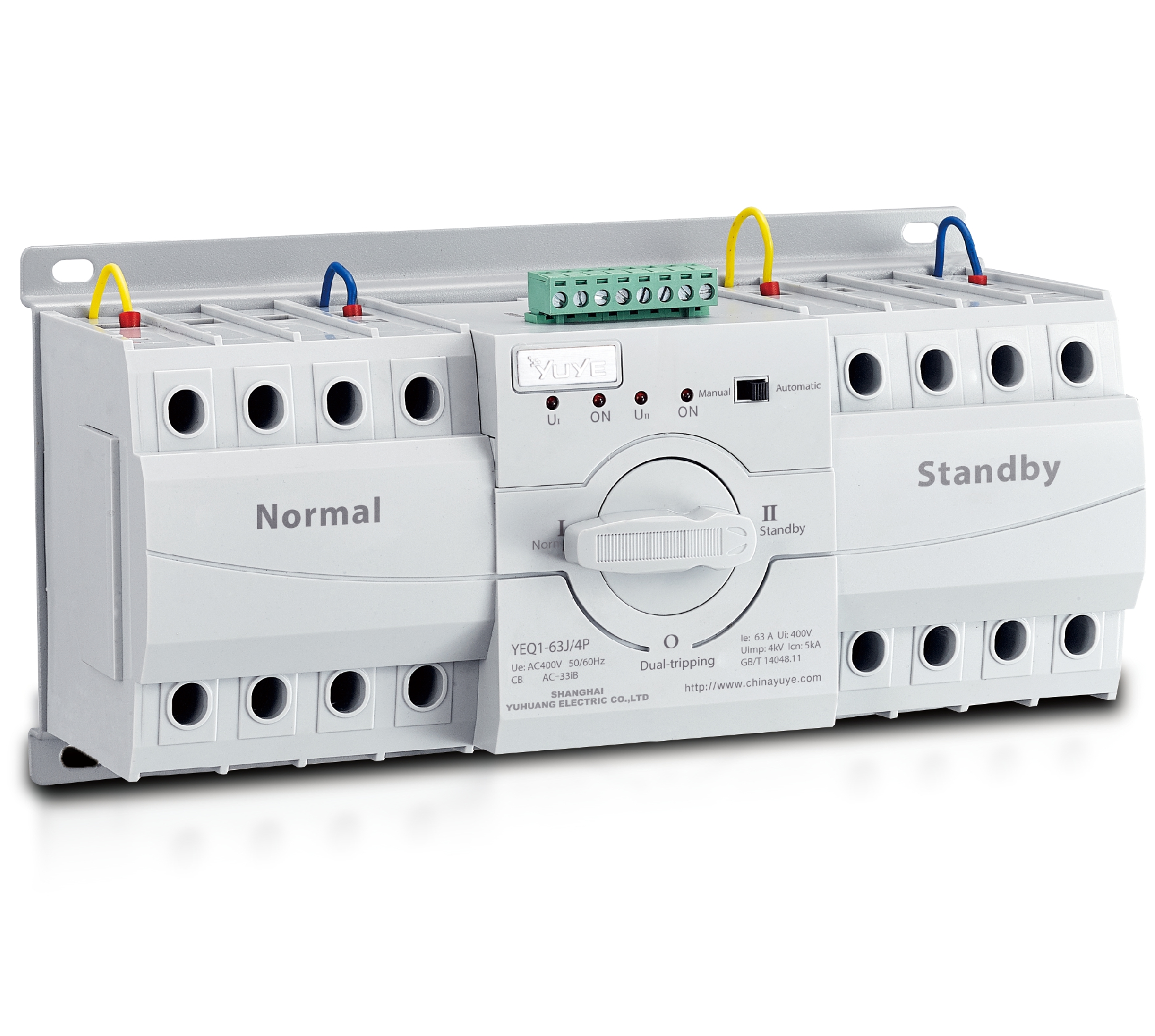 CB ATS YEQ1-63J
 CB ATS YEQ2Y-63
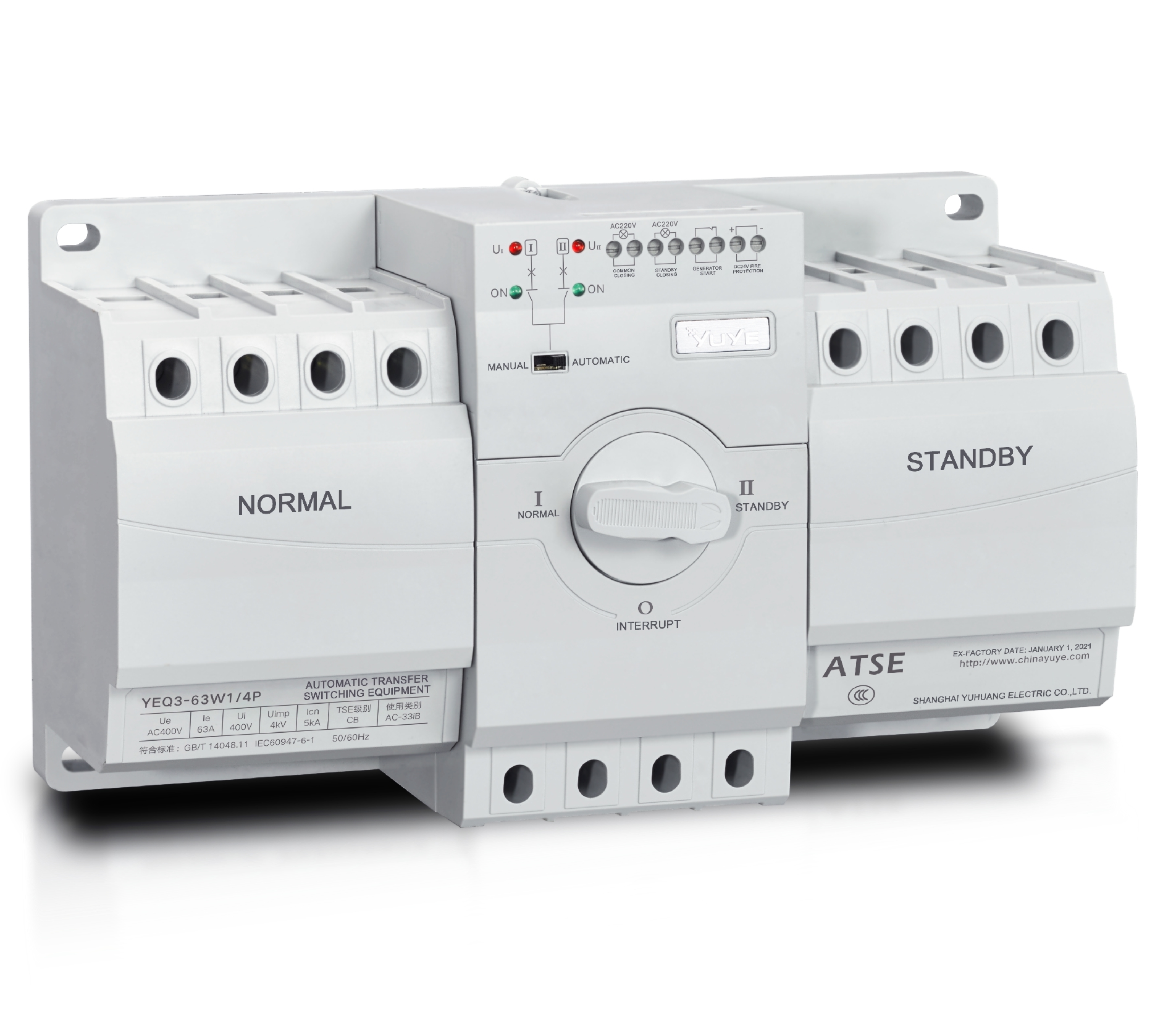 CB ATS YEQ3-63W1
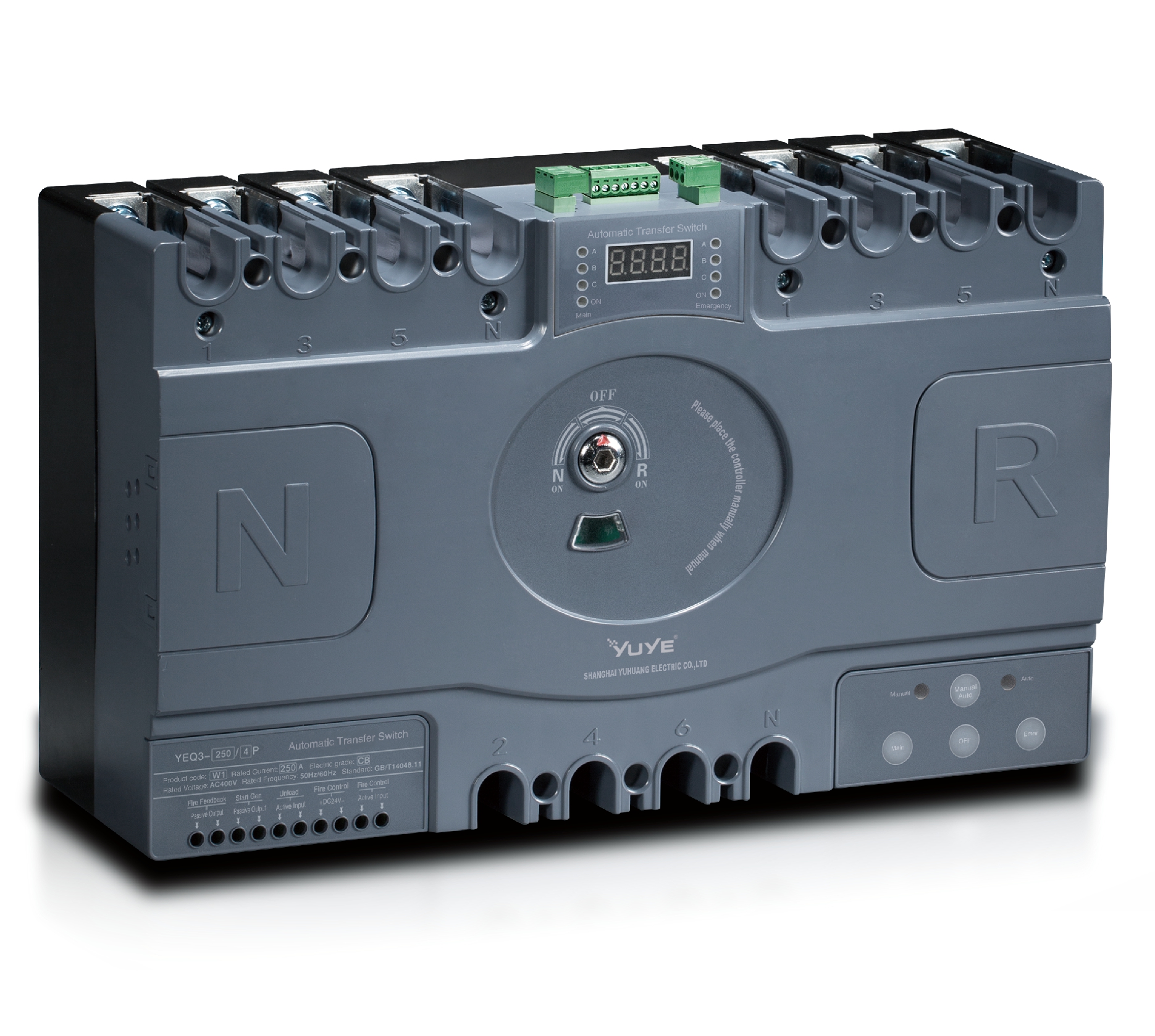 CB ATS YEQ3-125~630W1
 ATS controller Y-700
 ATS Controller Y-700N
 ATS Controller Y-701B
 ATS Controller Y-703N
 ATS Controller Y-800
 ATS Controller W2/W3 Series
 ATS switch Cabinet floor-to-ceiling
 ATS switch cabinet
 JXF-225A power Cbinet
 JXF-800A power Cbinet
 YEM3-125~800 Plastic Shell Type MCCB
 YEM3L-125~630 Leakage Type MCCB
 YEM3Z-125~800 Adjustable Type MCCB
 YEM1-63~1250 Plastic Shell Type MCCB
 YEM1E-100~800 Electronic Type MCCB
 YEM1L-100~630 Leakage Type MCCB
 Miniature circuit breaker YEMA2-6~100
 Miniature circuit breaker YEB1-3~63
 Miniature circuit breaker YEB1LE-3~63
 Miniature circuit breaker YEPN-3~32
 Miniature circuit breaker YEPNLE-3~32
 Miniature circuit breaker YENC-63~125
 Air Circuit Breaker YEW1-2000~6300
 Air Circuit Breaker YEW3-1600
 Load isolation switch YGL-63~3150
 Load Isolation Switch YGL2-63~3150
 Manual Changeover Switch YGL-100~630Z1A
 Manual Changeover Switch YGLZ1-100~3150
 YECPS2-45~125 LCD
 YECPS-45~125 Digital
 CNC Milling/Turning-OEM
 DC relay MDC-300M
 DC Isolation Switch YEGL3D-630
An Ats Dual Power Automatic Transfer Switch is a key component in any modern power protection system. It continuously monitors the availability of the primary supply and automatically transfers the load to the backup source whenever abnormalities occur. This ensures uninterrupted operation of critical equipment. However, during extended operation, the ATS may face different types of malfunctions. If these issues are not resolved promptly, the stability and safety of the entire power system may be compromised.
This article summarizes the most common ATS problems and provides practical solutions based on engineering experience and standard regulations.
I. Why an ATS May Fail to Switch Properly — Causes and Corrective Actions
One frequently encountered issue is that the ATS does not transfer the load even though both power sources appear normal. This can lead to prolonged downtime and unexpected system risks, especially in facilities relying on an Ats Dual Power Automatic Transfer Switch.
1. Possible Causes
-
Faulty voltage detection circuit: The internal sensing module misreads the incoming voltage, preventing the ATS from confirming the power status.
-
Improper or loose wiring: Weak connections at terminals or signal lines disrupt normal detection.
-
Mechanical blockage: The internal actuator may wear out, jam, or move sluggishly.
-
Incorrect mode configuration: The system may remain in manual mode or be locked out from automatic operation.
2. Recommended Solutions
-
Ensure the input voltage and frequency meet requirements specified in standards such as IEC 60947-6-1.
-
Inspect and secure all sampling lines and control wiring.
-
Test the operating mechanism, lubricate moving parts, or replace damaged components.
-
Re-check operation mode settings and restore factory parameters if needed.
II. Understanding Switching Delays or Failed Transfers
When the ATS takes too long to switch, or fails to switch at all, sensitive loads may experience unexpected outages—critical environments like hospitals and server rooms are especially vulnerable.
1. Typical Symptoms
-
Slow reaction time beyond the programmed delay.
-
Noticeable hesitation or abnormal movement during operation.
-
Outage duration that exceeds the acceptable limit.
2. Likely Reasons
-
Improper delay settings: The configured switching delay does not align with the real load requirement.
-
Control logic malfunction: Issues in the CPU or logic circuitry prevent timely decision-making.
-
Mechanical resistance: Worn transmission components cause sluggish operation.
3. How to Fix It
-
Adjust the switching delay according to the nature of the connected load.
-
Replace defective logic modules or update the controller firmware.
-
Clean or replace worn mechanical parts to restore smooth operation.
III. Troubleshooting the ATS Control Module When Errors Occur
As the core of the ATS system, the control module handles monitoring, processing, and execution. If it becomes unstable, the Ats Dual Power Automatic Transfer Switch will not operate properly.
1. Signs of Malfunction
-
Controller display does not light up.
-
Incorrect or corrupted interface data.
-
Frequent alarms or inconsistent event logs.
2. Root Causes
-
Unstable auxiliary power supply: Fluctuating DC power interferes with logic operation.
-
Incorrect parameter settings: Misconfigured values cause faulty switching behavior.
-
Harsh environmental conditions: Excess heat or humidity leads to electronic component failure.
3. Recommended Solutions
-
Verify the stability of DC24V or AC control sources.
-
Restore default factory configurations and reprogram where necessary.
-
Improve ventilation, temperature control, and humidity management inside the enclosure.
IV. Preventing and Addressing Contact Wear and Mechanical Jamming
Mechanical ATS units experience natural contact wear over time. If the erosion becomes severe, the ATS may fail to establish stable electrical contact.
1. Observable Issues
-
Burnt or overheating smell from the switch.
-
Noticeable discoloration or pitting on the contact points.
-
Increased resistance or stiffness when the mechanism operates.
2. Causes
-
Continuous operation beyond rated load capacity.
-
Switching too frequently, accelerating mechanical deterioration.
-
Selecting an ATS with insufficient current rating for actual application.
3. Solutions
-
Repair lightly worn contacts by cleaning or polishing.
-
Replace heavily damaged contacts and consider upgrading to a higher-rated ATS.
-
Reassess system design to reduce unnecessary switching cycles.
V. Why ATS Units May Experience Frequent Misoperations — and How to Solve Them
Unstable switching behavior not only disrupts power but may also damage equipment and cause repeated system interruptions.
1. Symptoms
-
Frequent transfers despite a stable power supply.
-
Numerous over-voltage or under-voltage entries in monitoring logs.
-
Repeated switching back to the original power source shortly after transfer.
2. Analysis
-
Voltage fluctuation on the grid, especially in long or overloaded distribution lines.
-
Excessively tight sensitivity thresholds.
-
Strong electrical noise or interference affecting the ATS controller.
3. Optimization Measures
-
Broaden the acceptable voltage tolerance to avoid unnecessary switching.
-
Add filtering equipment or isolation transformers to suppress interference.
-
Update firmware to enhance stability and noise resistance.
References (Recommended for Citation)
-
IEC 60947-6-1 — Transfer Switching Equipment
-
IEC 60947-1 — General Rules for Low-voltage Switchgear and Controlgear
-
GB/T 14048.11 — Automatic Transfer Switching Standards
-
IEEE Xplore — ATS Fault and Switching Reliability Studies
-
ResearchGate — Operational Research on Transfer Switching Equipment