
 PC ATS YECT1-2000G
 PC ATS YES2-63~250GN1
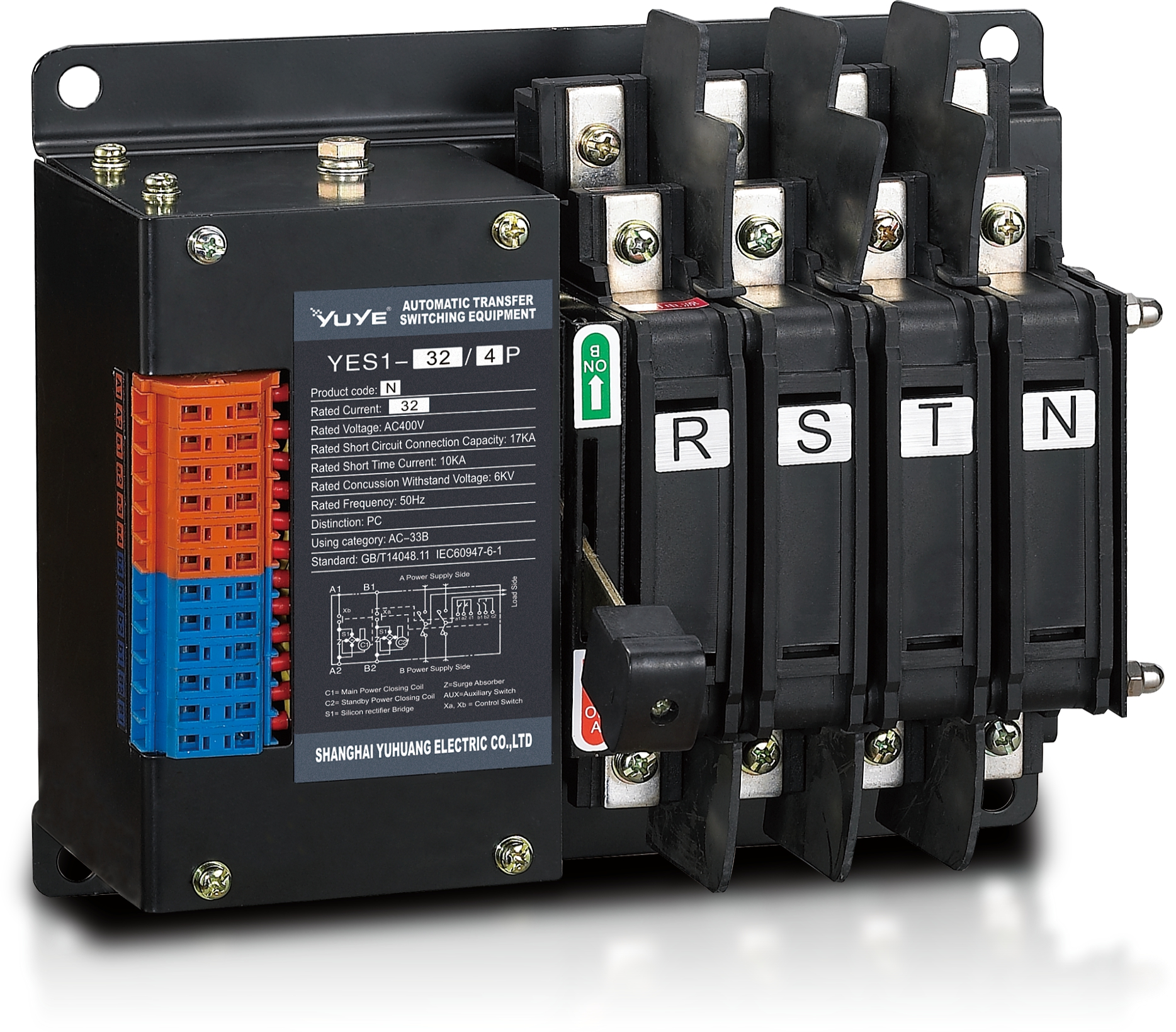 Solenoid-type ATS YES1-32~125N
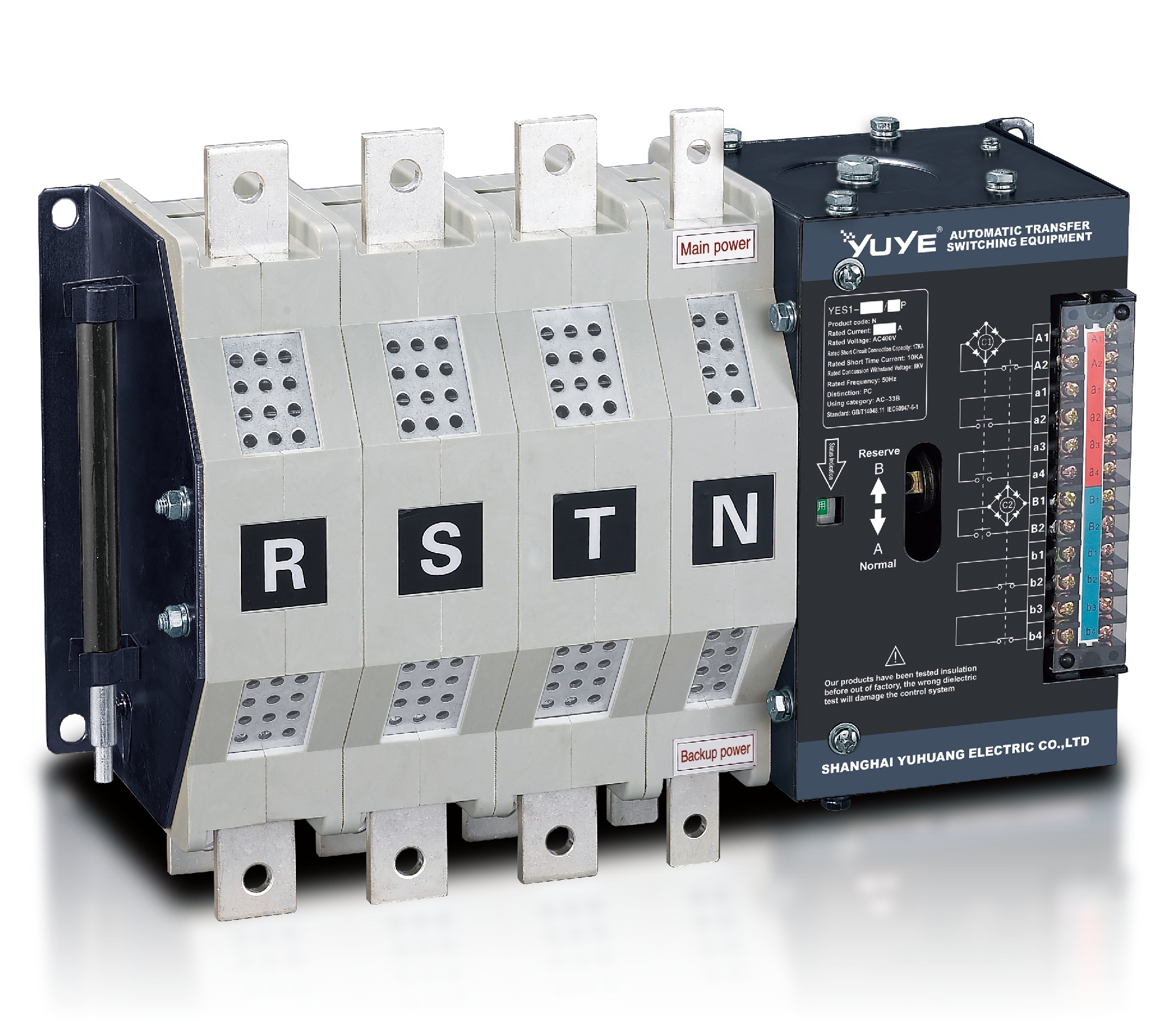 Solenoid-type ATS YES1-250~630N/NT
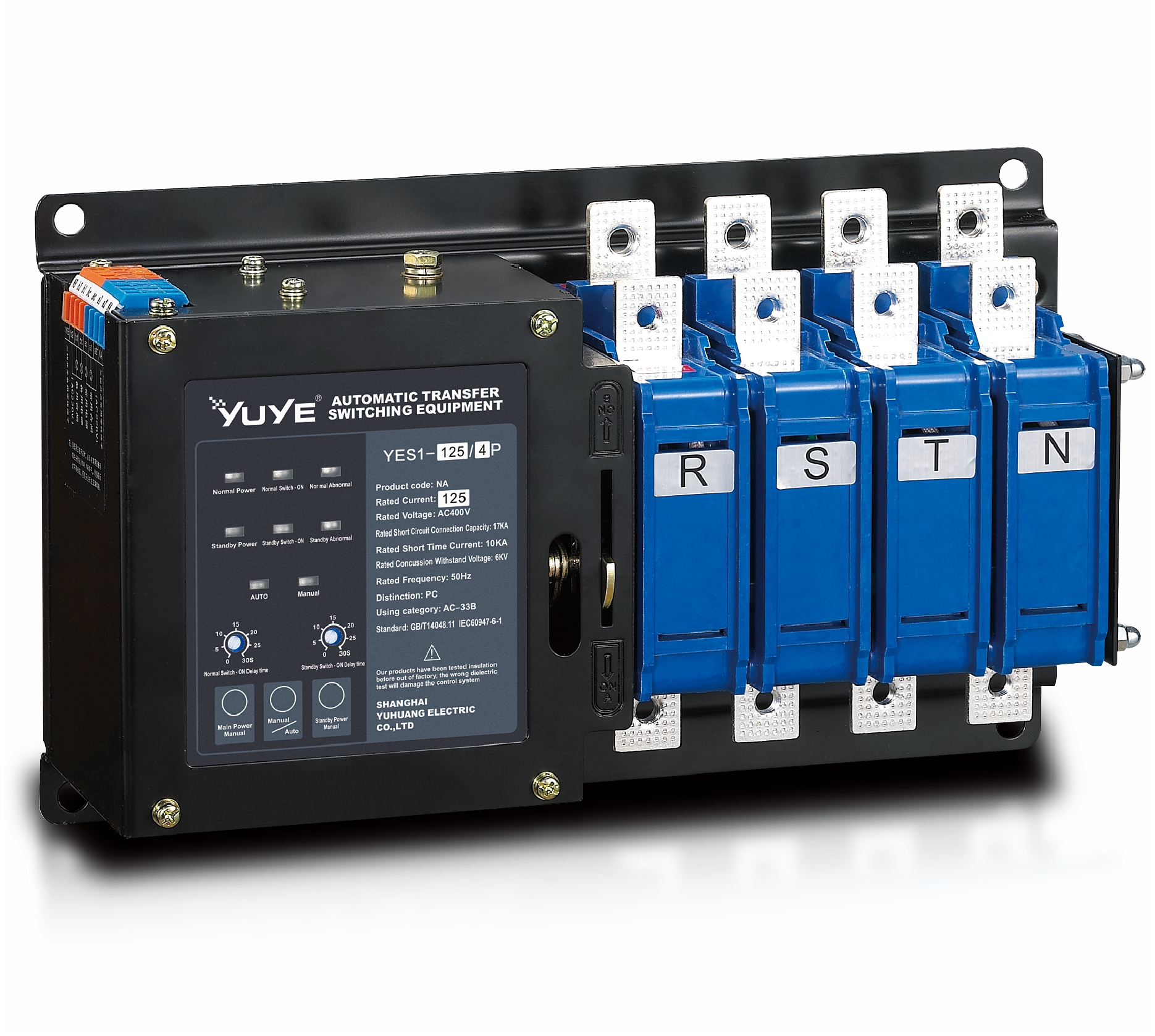 Solenoid-type ATS YES1-32~125NA
 Solenoid-type ATS YES1-63~630SN
 Solenoid-type ATS YES1-1250~4000SN
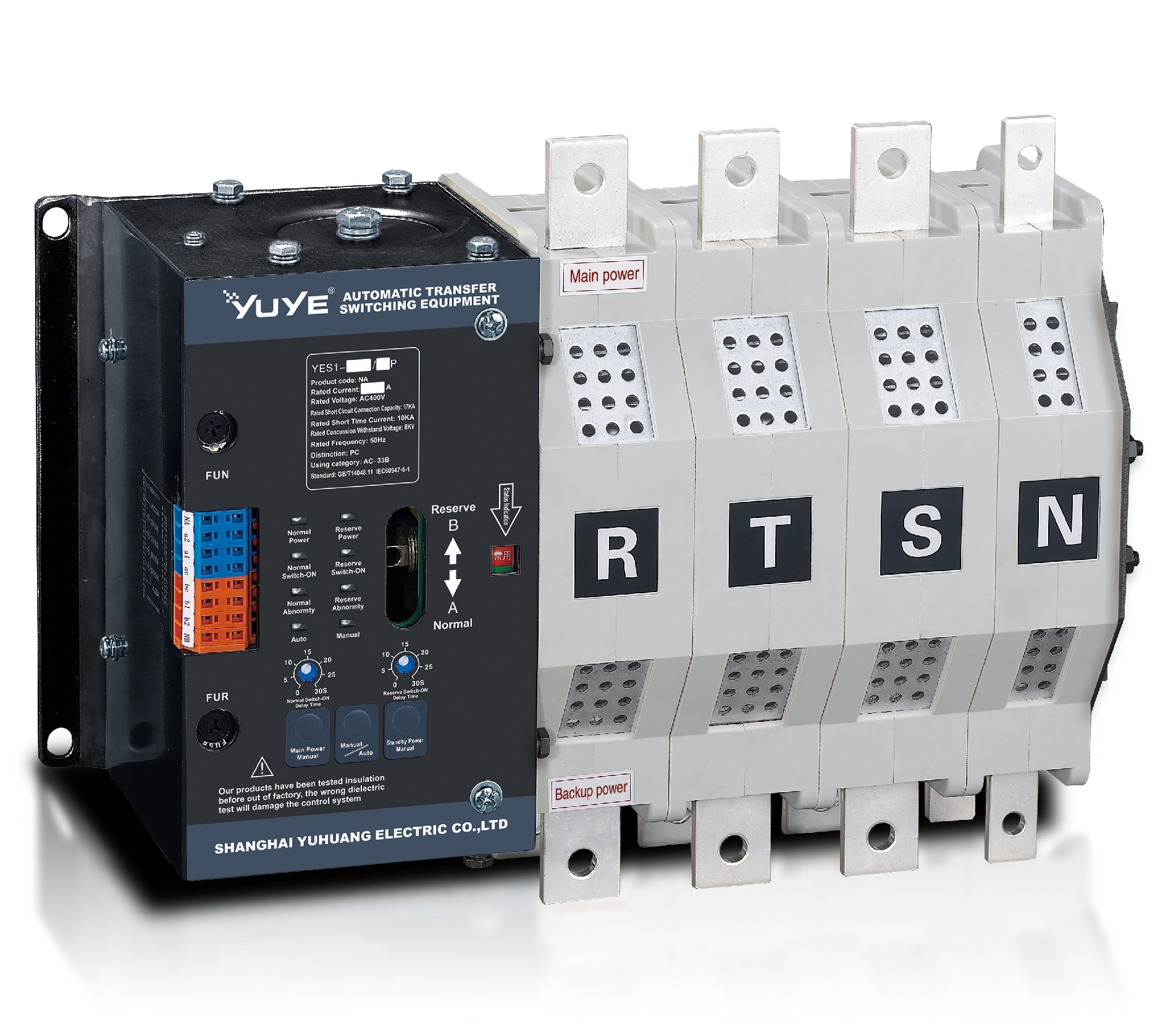 Solenoid-type ATS YES1-250~630NA/NAT
 Solenoid-type ATS YES1-63NJT
 PC ATS YES1-100~1600GN1/GN/GNF
 PC ATS YES1-2000~3200GN/GNF
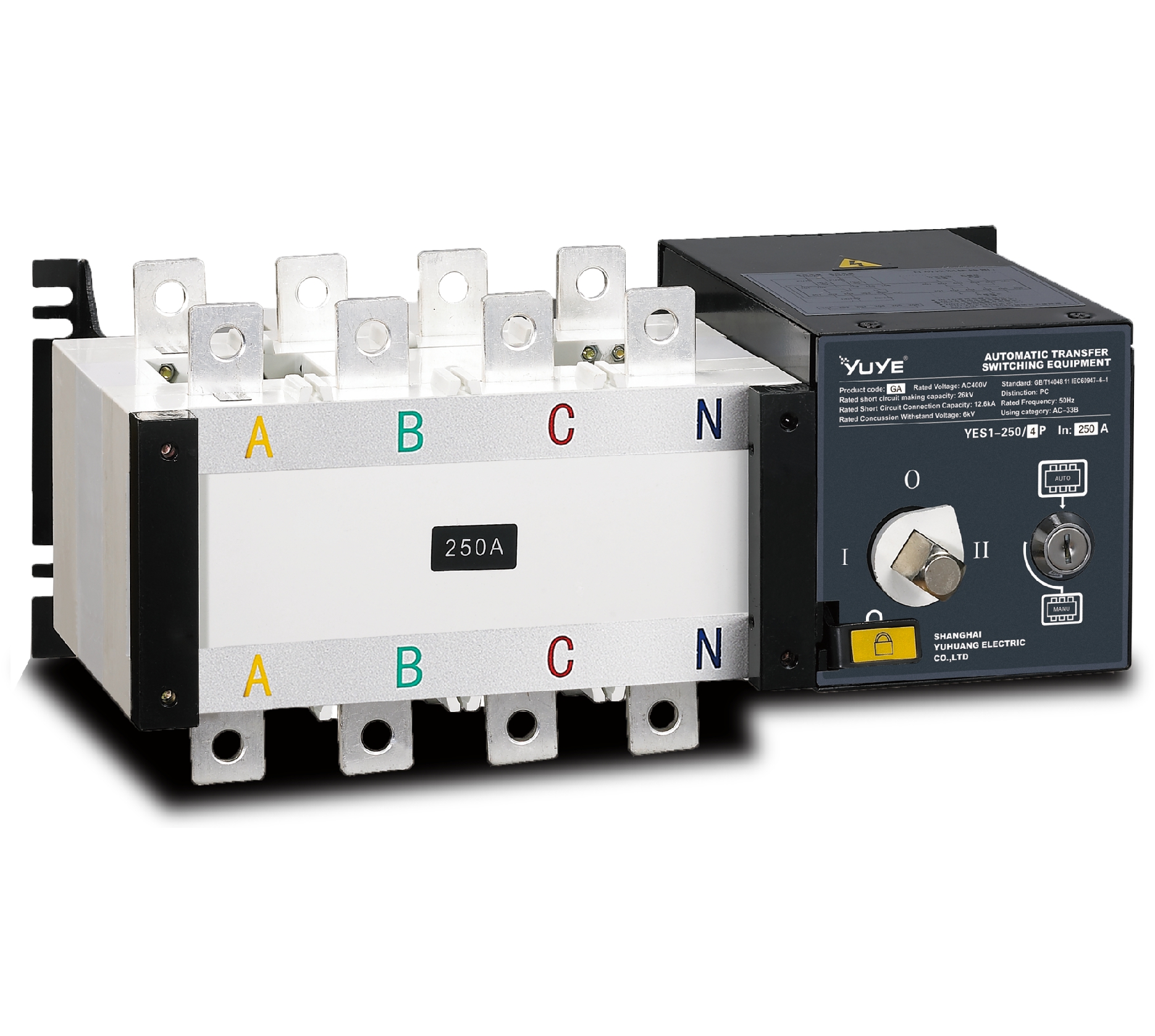 PC ATS YES1-100~3200GA1/GA
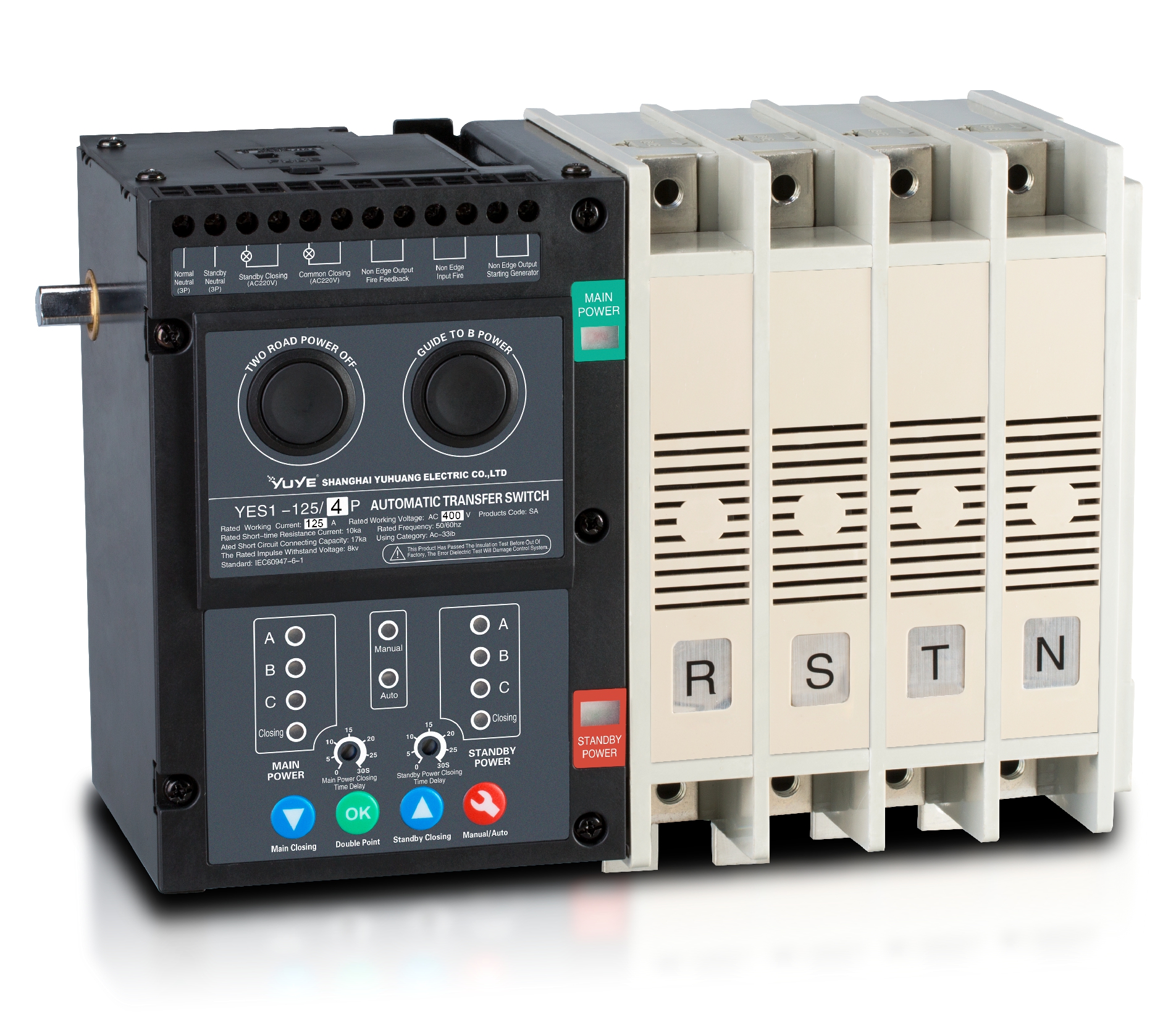 Solenoid-type ATS YES1-63~630SA
 Solenoid-type ATS YES1-63~630L/LA
 Solenoid-type ATS YES1-63~630LA3
 Solenoid-type ATS YES1-63MA
 PC ATS YES1-630~1600M
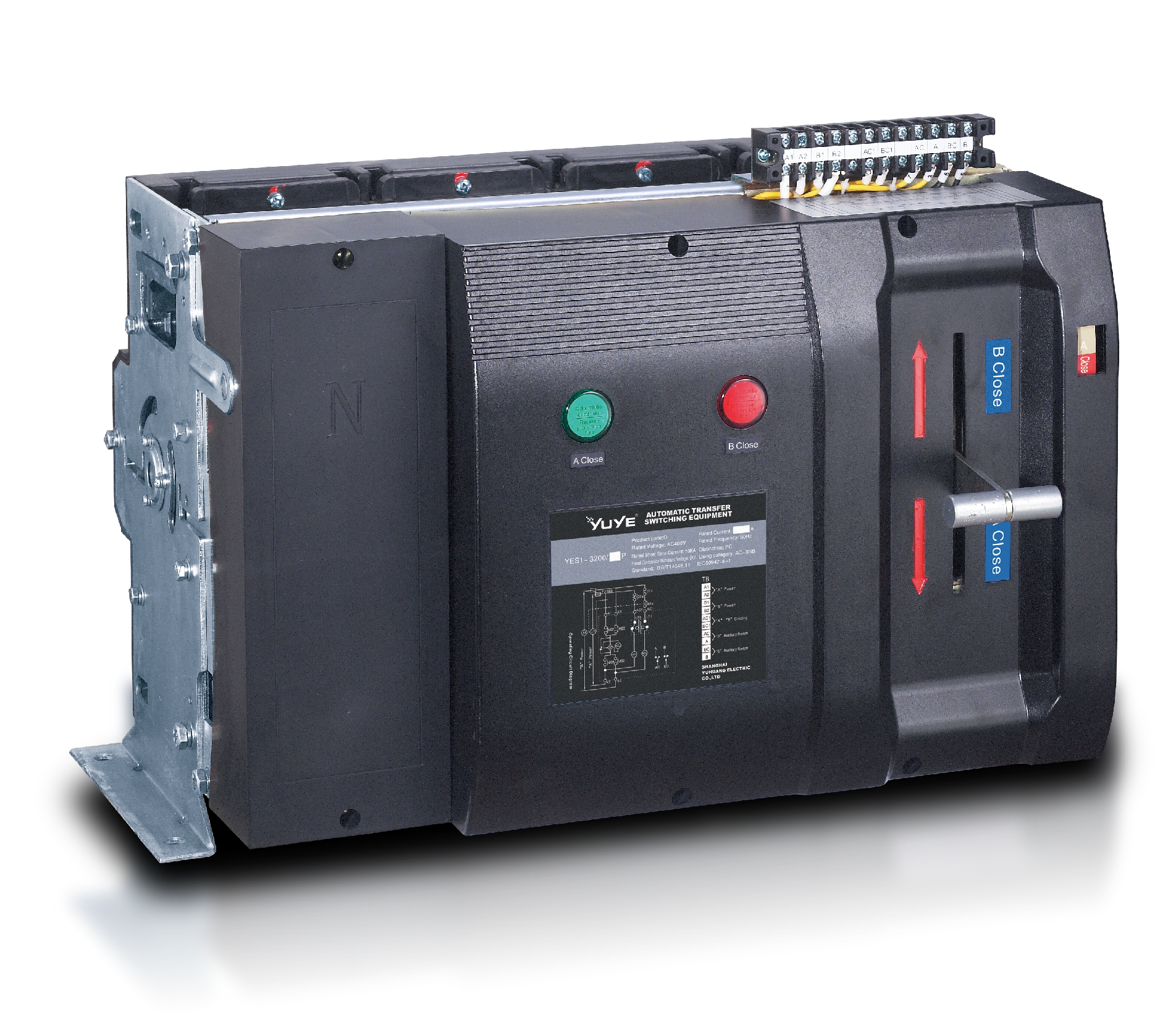 PC ATS YES1-3200Q
 Solenoid-type ATS YES1-4000~6300Q
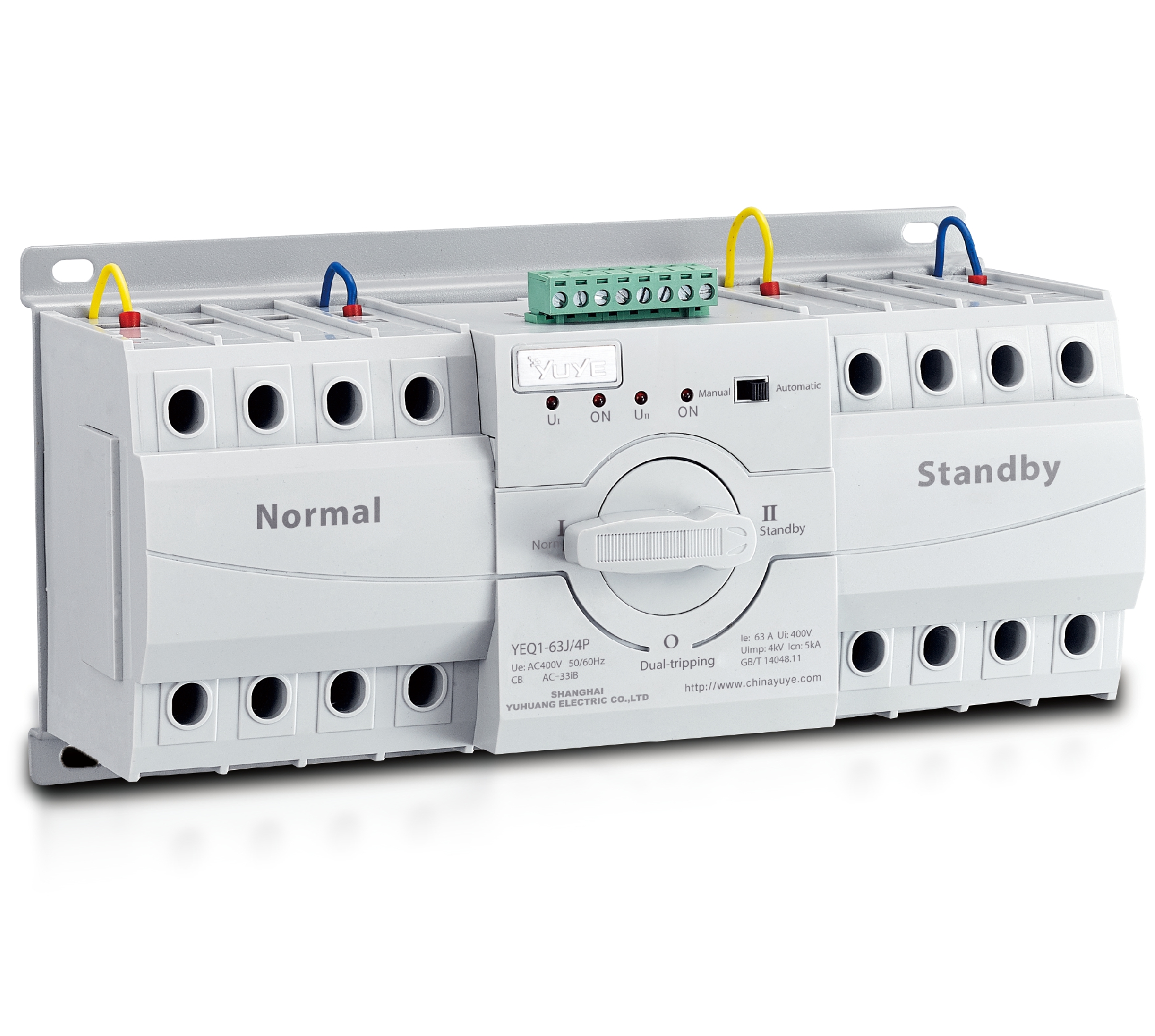 CB ATS YEQ1-63J
 CB ATS YEQ2Y-63
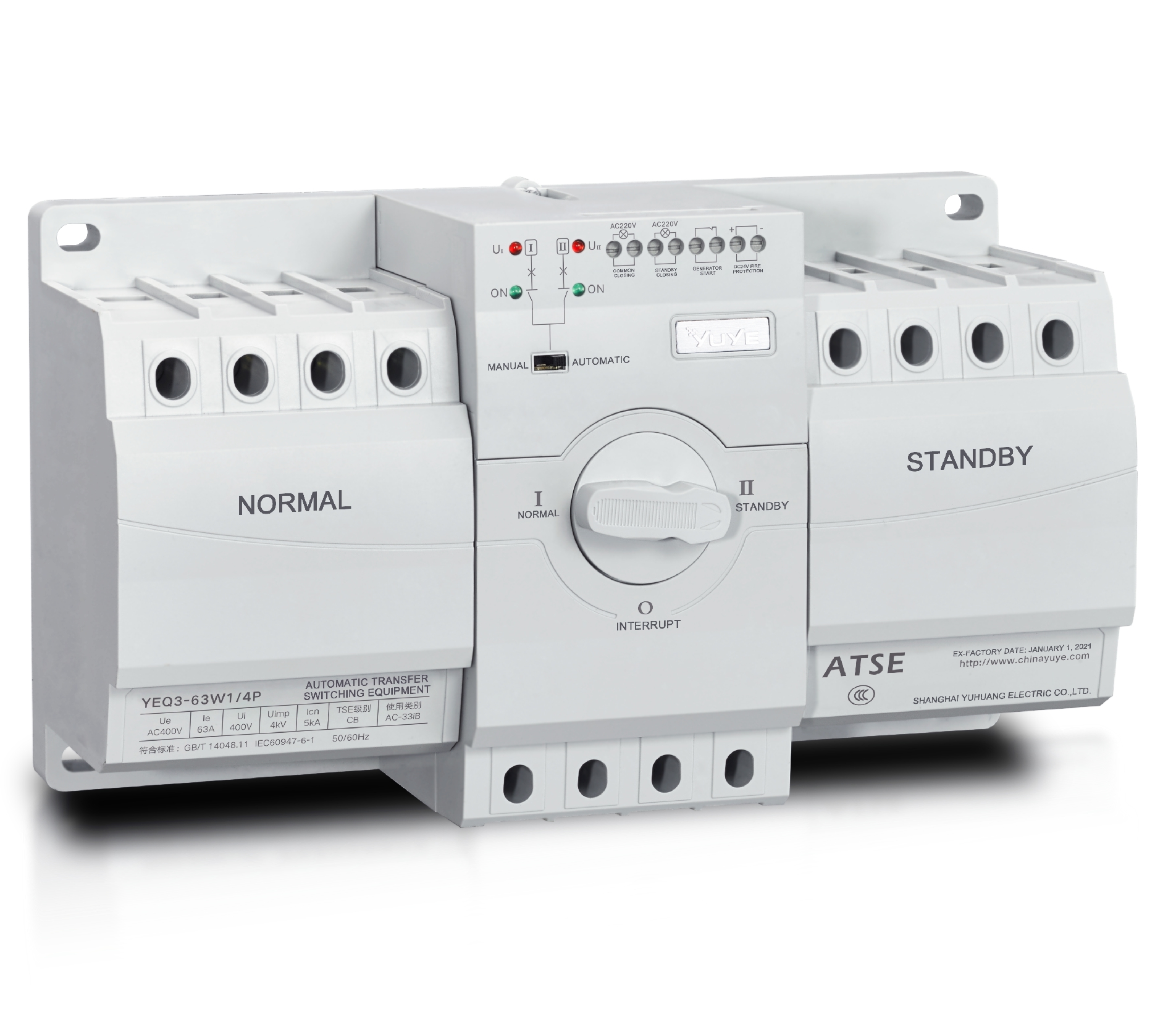 CB ATS YEQ3-63W1
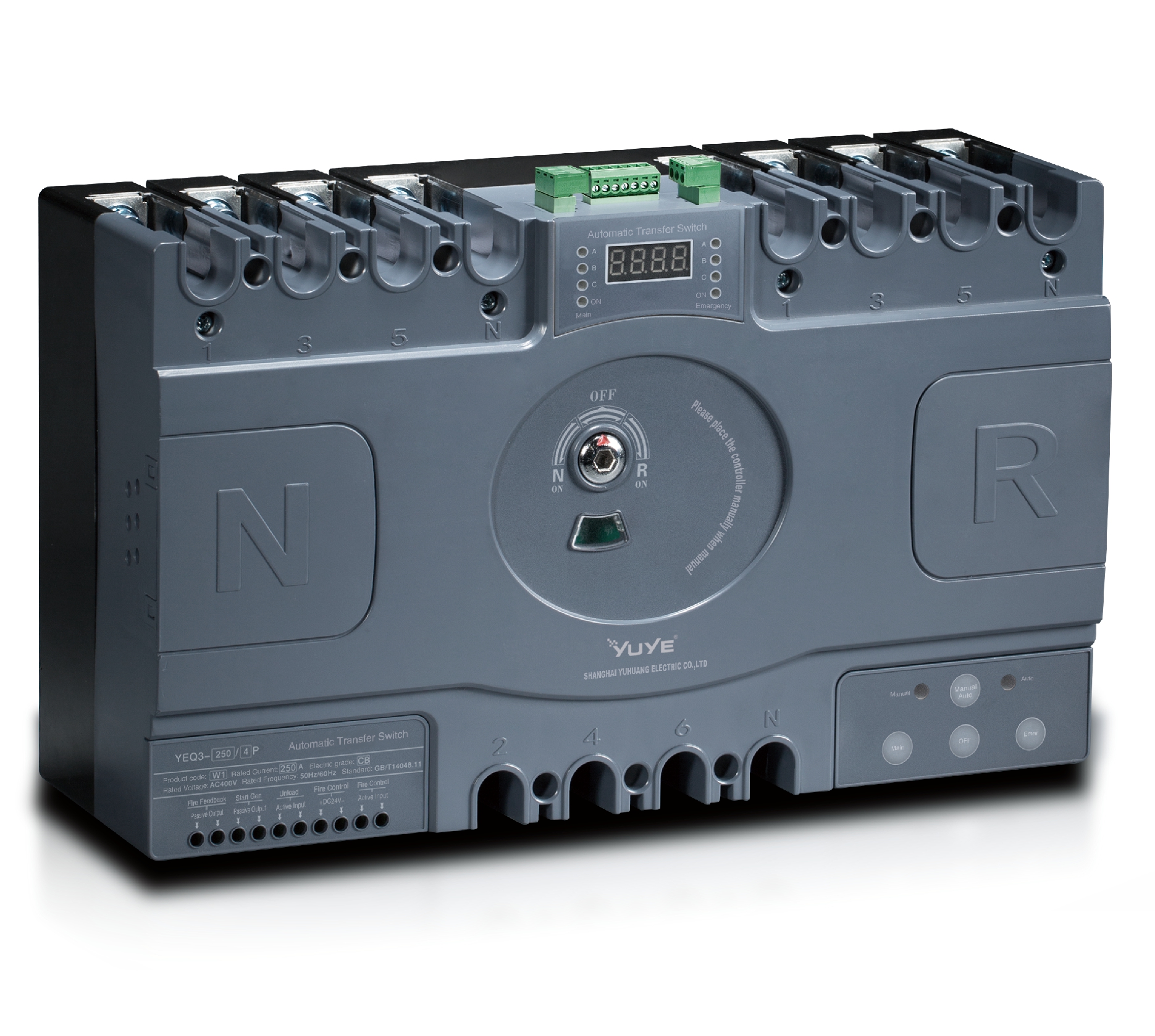 CB ATS YEQ3-125~630W1
 ATS controller Y-700
 ATS Controller Y-700N
 ATS Controller Y-701B
 ATS Controller Y-703N
 ATS Controller Y-800
 ATS Controller W2/W3 Series
 ATS switch Cabinet floor-to-ceiling
 ATS switch cabinet
 JXF-225A power Cbinet
 JXF-800A power Cbinet
 YEM3-125~800 Plastic Shell Type MCCB
 YEM3L-125~630 Leakage Type MCCB
 YEM3Z-125~800 Adjustable Type MCCB
 YEM1-63~1250 Plastic Shell Type MCCB
 YEM1E-100~800 Electronic Type MCCB
 YEM1L-100~630 Leakage Type MCCB
 Miniature circuit breaker YEMA2-6~100
 Miniature circuit breaker YEB1-3~63
 Miniature circuit breaker YEB1LE-3~63
 Miniature circuit breaker YEPN-3~32
 Miniature circuit breaker YEPNLE-3~32
 Miniature circuit breaker YENC-63~125
 Air Circuit Breaker YEW1-2000~6300
 Air Circuit Breaker YEW3-1600
 Load isolation switch YGL-63~3150
 Load Isolation Switch YGL2-63~3150
 Manual Changeover Switch YGL-100~630Z1A
 Manual Changeover Switch YGLZ1-100~3150
 YECPS2-45~125 LCD
 YECPS-45~125 Digital
 CNC Milling/Turning-OEM
 DC relay MDC-300M
 DC Isolation Switch YEGL3D-630
Electricity is the core energy source for production and daily life, but power outages caused by grid failures, maintenance, or natural disasters can lead to severe losses. As an intelligent bridge between primary and backup power sources, the Automatic Transfer Switch (ATS) continuously monitors and rapidly switches power to ensure critical equipment remains operational. This article briefly explains the role of ATS in terms of its functions, principles, applications, selection, and development trends.
I. Key Functions: Comprehensive Protection from Monitoring to Switching
The core mission of ATS is to ensure continuous power supply to critical equipment, which can be summarized in four steps: “Monitor-Judge-Switch-Recover”.
1. Constantly Monitoring Power Status
ATS uses high-precision sensors to monitor key parameters of primary and backup power sources (such as voltage, frequency, and phase) 24/7. It immediately triggers a judgment mechanism when voltage fluctuations exceed ±10%, frequency deviates by ±0.5Hz, or abnormalities like phase loss, overvoltage, or undervoltage occur.
2. Fault Judgment and Rule-Based Operation
ATS judges power quality based on preset logic: For example, it will switch immediately if the voltage drops to 180V (rated 220V) for ICU equipment, while allowing brief fluctuations for general lighting to avoid frequent backup power activation. This judgment logic can be customized to suit different load requirements.
3. Fast and Safe Power Switching
In case of primary power failure, ATS first disconnects the primary power supply and then connects the backup power. Switching time is a core indicator, categorized into three levels:
- Millisecond-level (0.1-10ms): Suitable for data center servers, requiring a Static Transfer Switch (STS);
- Second-level (1-10s): Used for factory motors, elevators, etc., with standard electromagnetic ATS;
- Delayed switching (>10s): Adapted for slow-start backup power sources like diesel generators, switching after stabilization.
4. Automatic Switchback to Primary Power
After the primary power supply stabilizes (for 10-30 seconds), ATS automatically switches back to primary power. Some models support manual reset to prevent frequent switching due to unstable primary power.
5. Multiple Safety Protections
ATS includes overload, short-circuit, and undervoltage lockout protections to prevent equipment damage from current surges. For example, it cuts off output during backup power overload and uses soft start for inductive loads like motors to reduce inrush current.
II. Working Principle
The ATS workflow is simplified into three steps: “Monitor→Decide→Execute”:
Normal State: Primary power supplies loads, backup power stands by, and ATS continuously monitors primary power parameters;
Fault Trigger: When primary power parameters exceed thresholds, ATS starts the backup power source (e.g., generator);
Switch Execution: After backup power stabilizes, it opens primary power contacts and closes backup power contacts;
Recovery Switching: Switches back to primary power after recovery and stops the backup power source.
By switching mechanism, ATS is categorized into PC (switching only, requiring a circuit breaker) and CB (integrated circuit breaker with protection). The former is for low-power loads, while the latter is for high-power industrial scenarios.
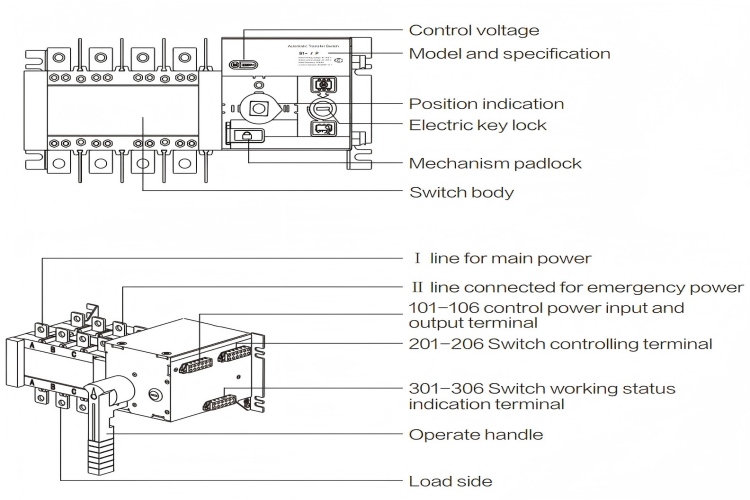
III. Application Scenarios
ATS is mainly used in scenarios requiring high power continuity, matching load characteristics:
1. Data Centers and Communication Towers
Data centers require ≤5ms fast switching (with STS) and synchronous switching to prevent surges; communication towers link batteries/photovoltaics to ensure uninterrupted signals.
2. Hospital Equipment
Operating rooms, ICUs, and MRI machines in hospitals need zero-interruption power. ATS must predict utility abnormalities and start backup power in advance to avoid medical risks.
3. Factory Production Lines
Production lines require 100-500ms switching time based on equipment type and support priority switching to ensure core equipment power supply.
4. Public Emergency Facilitiesd
Fire systems, elevators, and other public facilities need fire linkage to force switch to backup power during fires, ensuring emergency equipment operation.
5. New Energy and Energy Storage Systems
In solar power plants and microgrids, ATS coordinates switching between utility, solar, and energy storage power. It switches to utility or storage when solar output is insufficient and ensures critical loads during utility outages, enabling seamless off-grid/on-grid transitions.

IV. Selection: Matching Functions with Requirements
Key parameters for selection to match application scenarios:
- Switching Time: ≤10ms for precision equipment, 1-5s for general motors, 5-10s with generators;
- Rated Current: ≥1.2 times total load current (considering starting current), match phase for three-phase equipment, and modular ATS for high power;
- Power Compatibility: Support single/three-phase, AC/DC, and adapt to generators, batteries, photovoltaics, etc.;
- Intelligence Level: Support remote monitoring (e.g., via Modbus protocol), self-diagnosis, and data logging;
- Environmental Adaptability: IP54 protection, -30℃~70℃ temperature range for industrial use, and corrosion-resistant materials for coastal areas;
V. Future Development: From “Reactive Switching” to “Proactive Prediction”
With smart grid development, ATS is upgrading toward intelligence, modularization, and green technology:
- AI Predictive Maintenance: Predict failures using power big data, shifting from reactive to proactive switching;
- Modular Design: Support hot-swappable modules for reduced maintenance downtime and distributed power integration;
- Extreme Environment Adaptation: Develop ATS resistant to high/low temperatures and vibration for offshore wind and polar expeditions;
- Green Energy Efficiency: Optimize mechanisms to reduce energy consumption, prioritize clean energy, and lower carbon emissions;
Conclusion
As the intelligent guardian of power systems, ATS ensures critical equipment power supply through real-time monitoring and rapid switching. From healthcare to industry, ATS has become indispensable in modern society. In the future, it will evolve into a core hub of smart grids, supporting global energy transition and power security.