
 PC ATS YECT1-2000G
 PC ATS YES2-63~250GN1
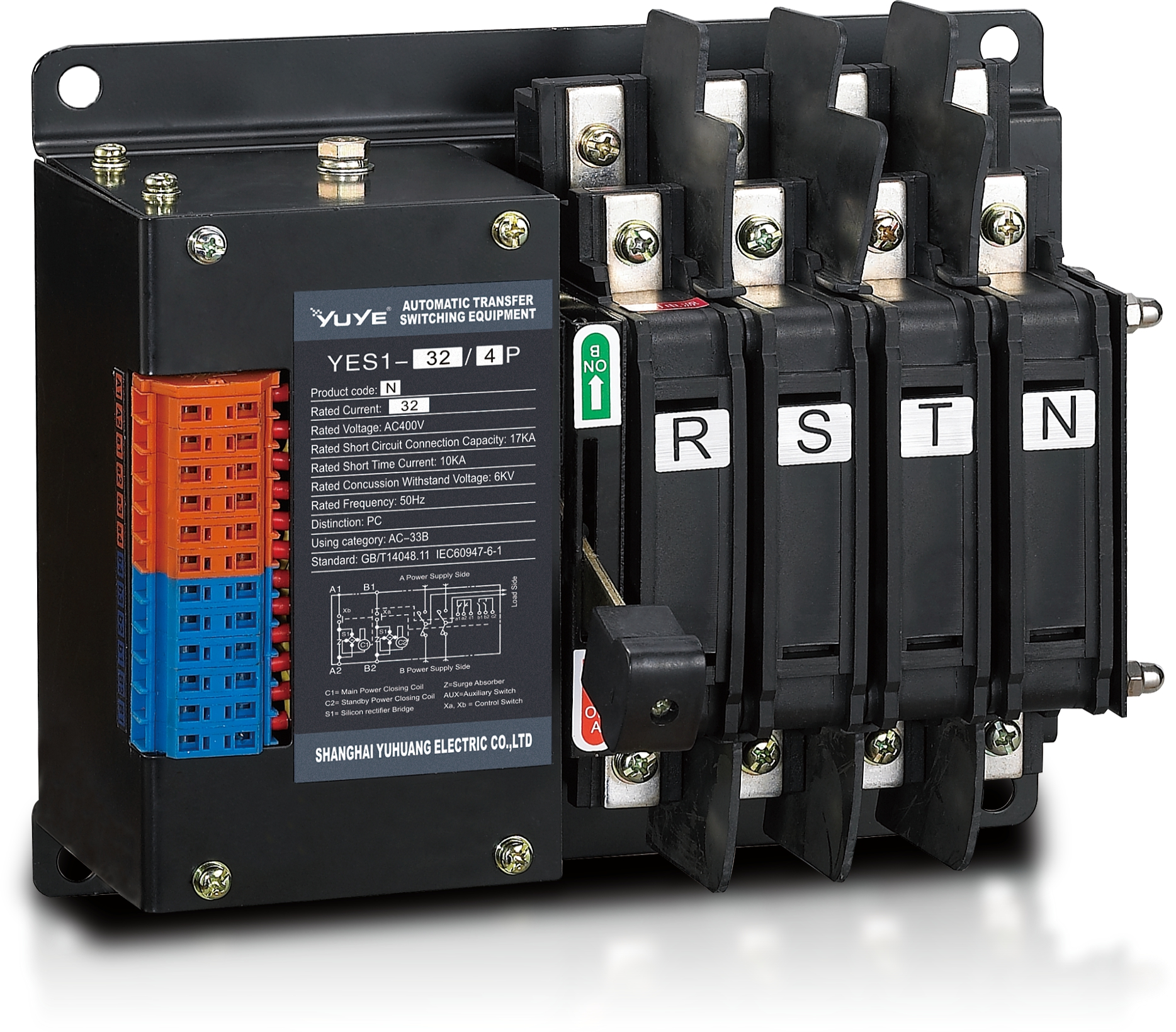 Solenoid-type ATS YES1-32~125N
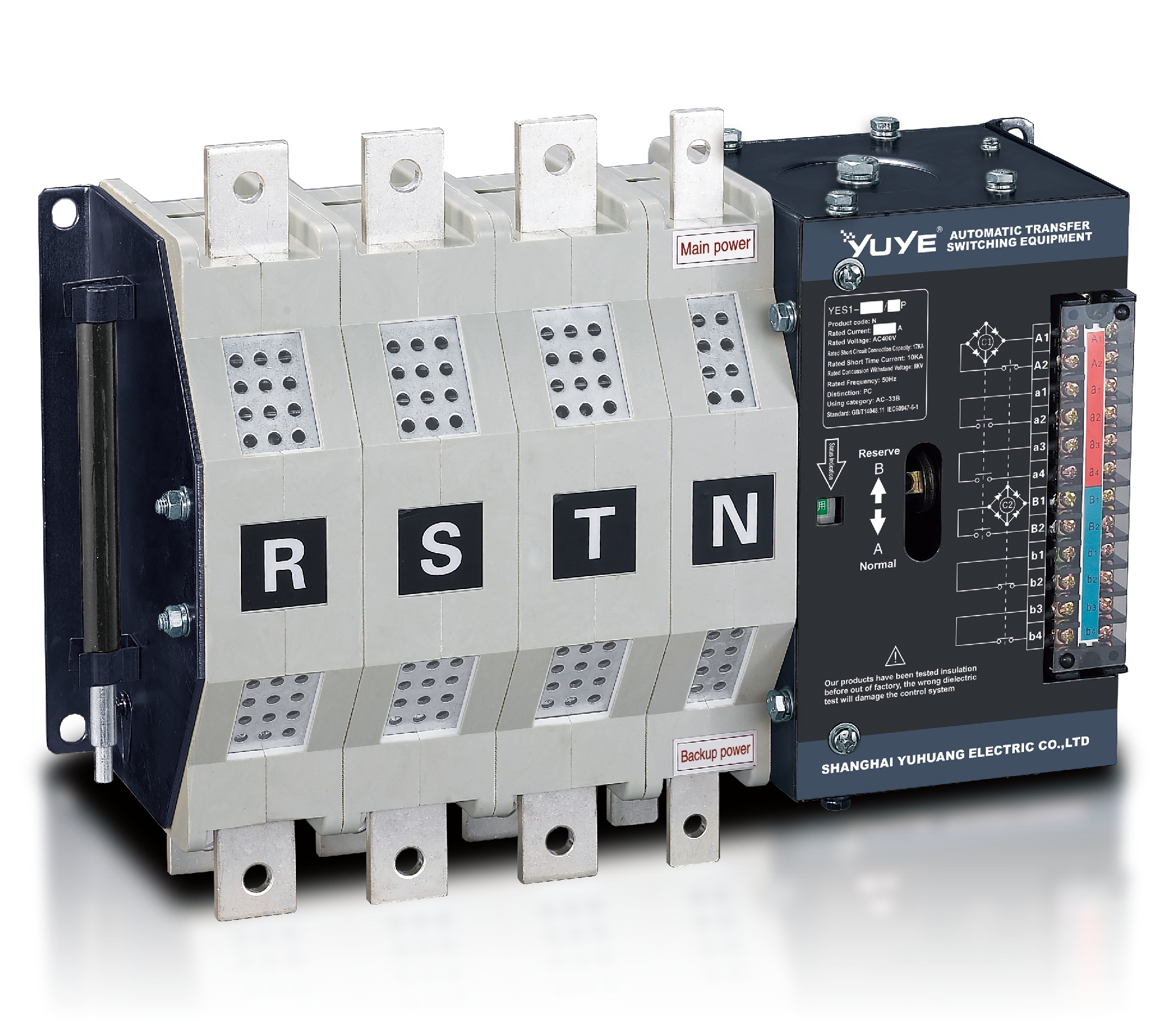 Solenoid-type ATS YES1-250~630N/NT
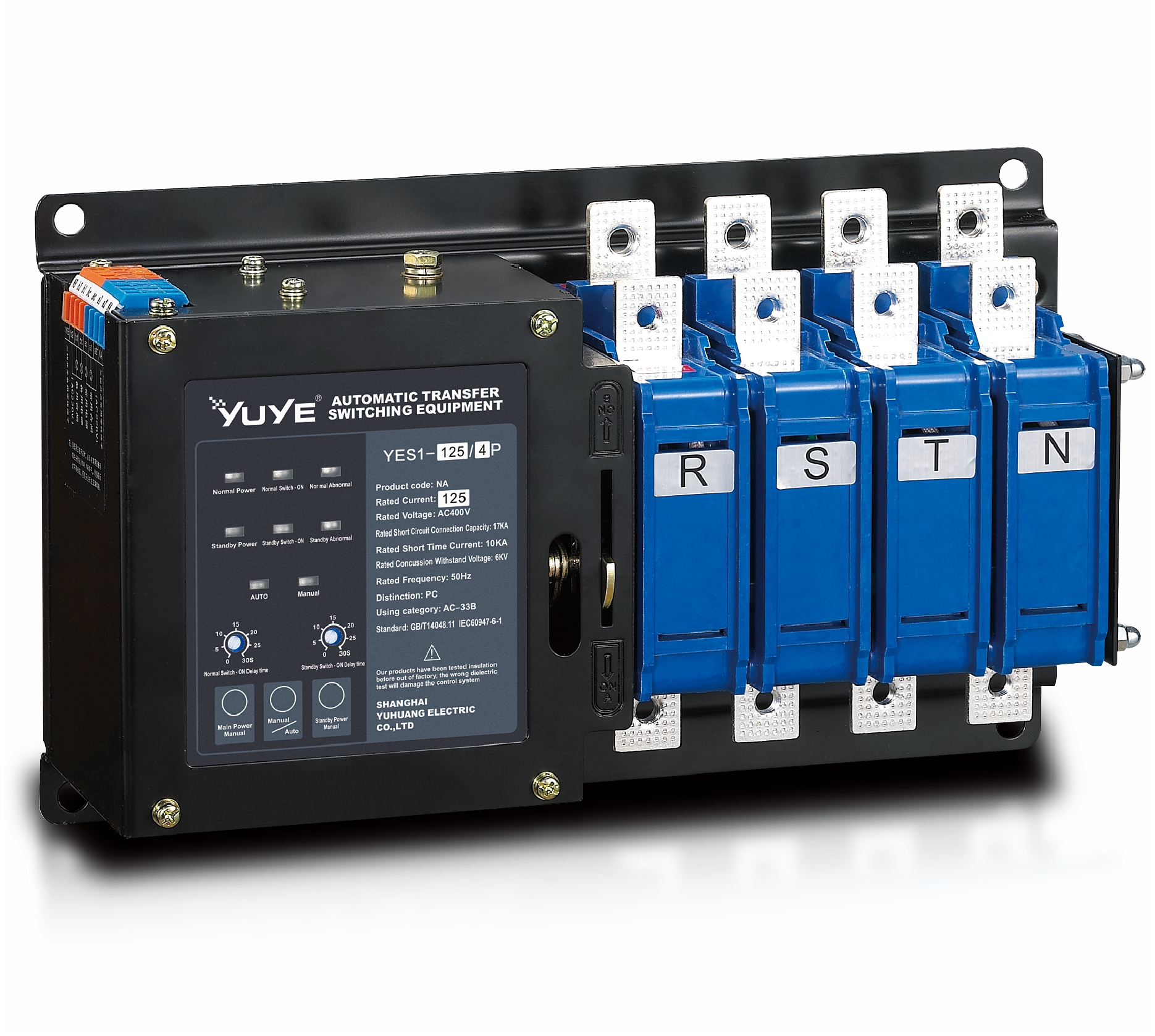 Solenoid-type ATS YES1-32~125NA
 Solenoid-type ATS YES1-63~630SN
 Solenoid-type ATS YES1-1250~4000SN
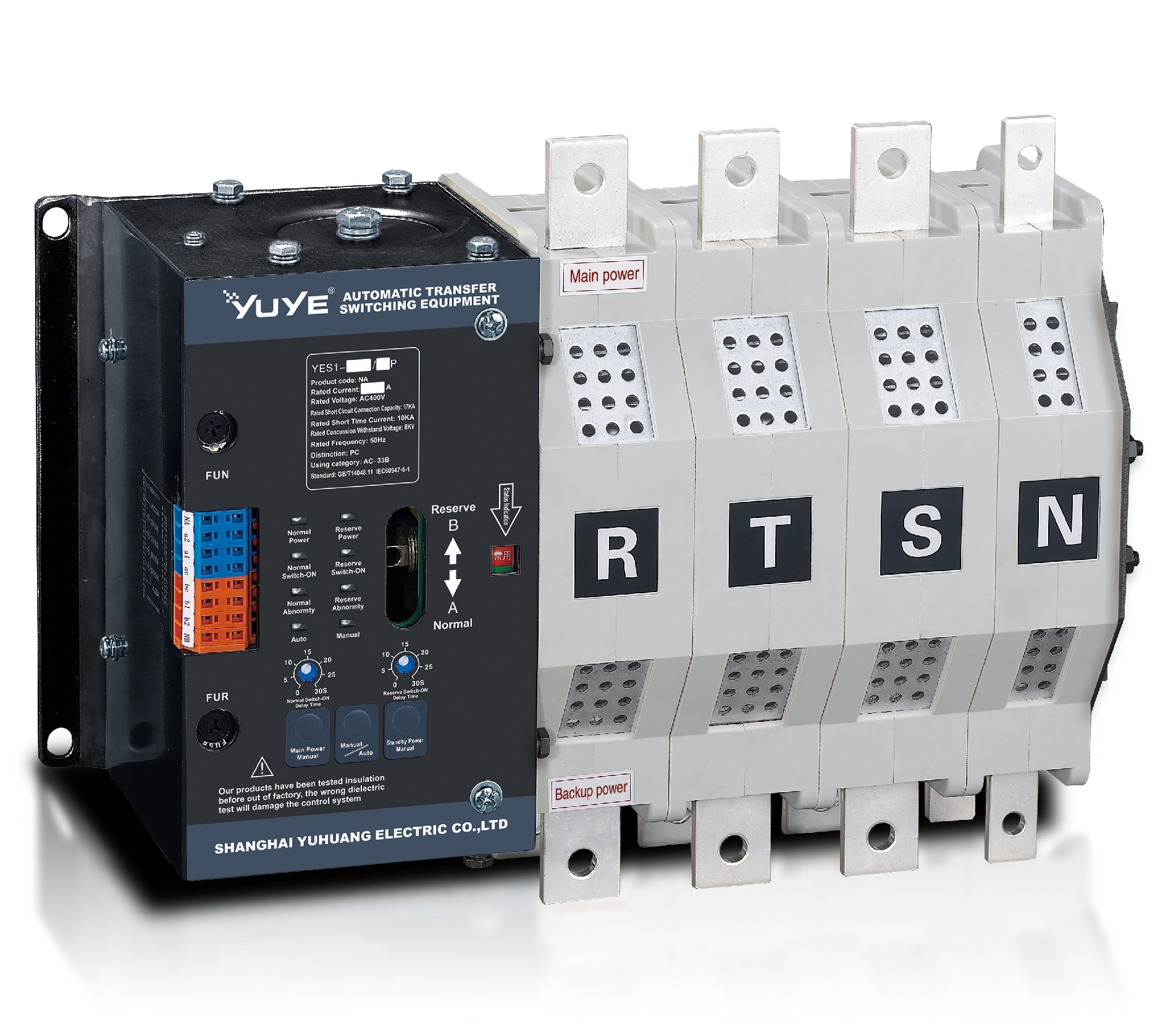 Solenoid-type ATS YES1-250~630NA/NAT
 Solenoid-type ATS YES1-63NJT
 PC ATS YES1-100~1600GN1/GN/GNF
 PC ATS YES1-2000~3200GN/GNF
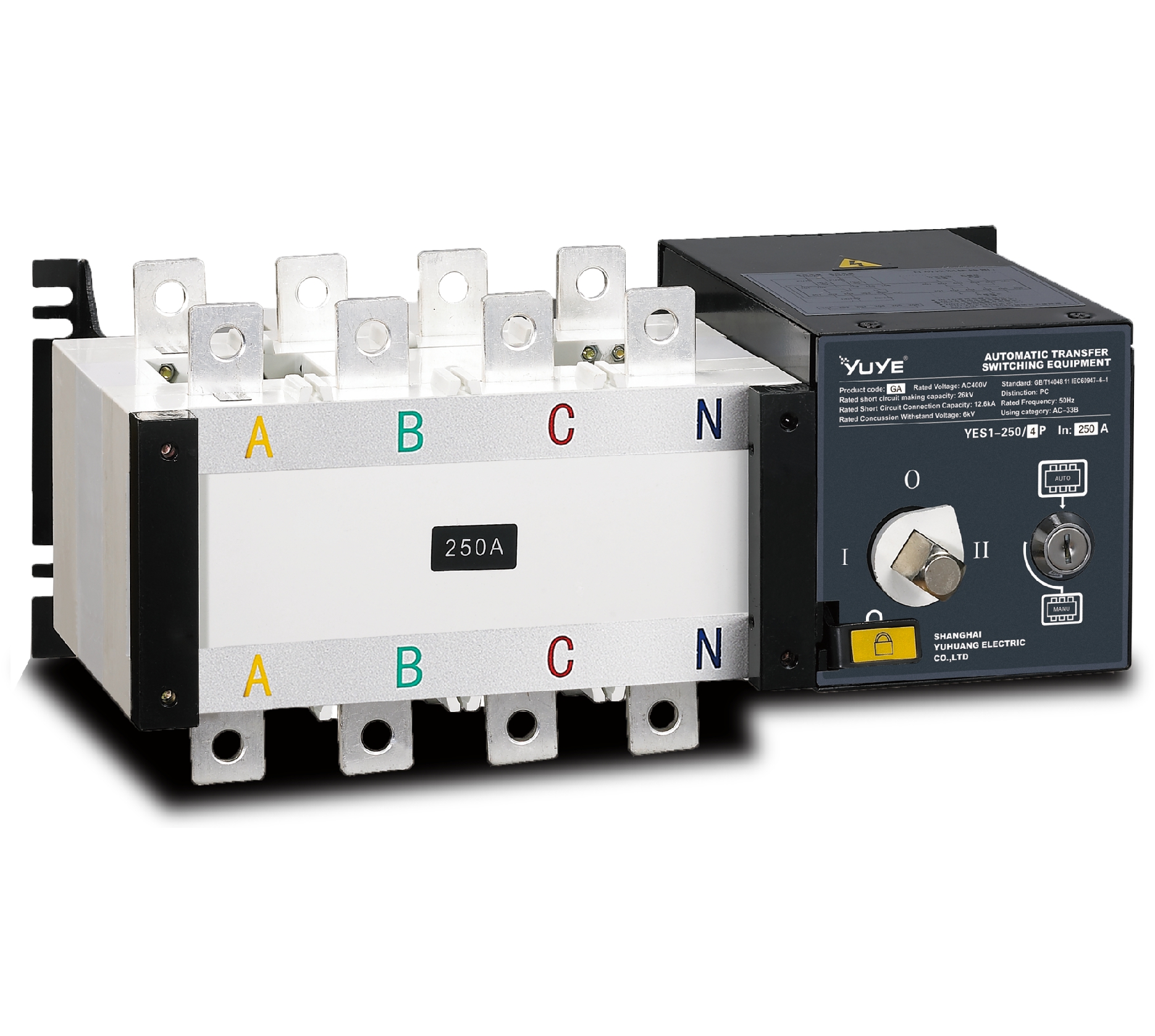 PC ATS YES1-100~3200GA1/GA
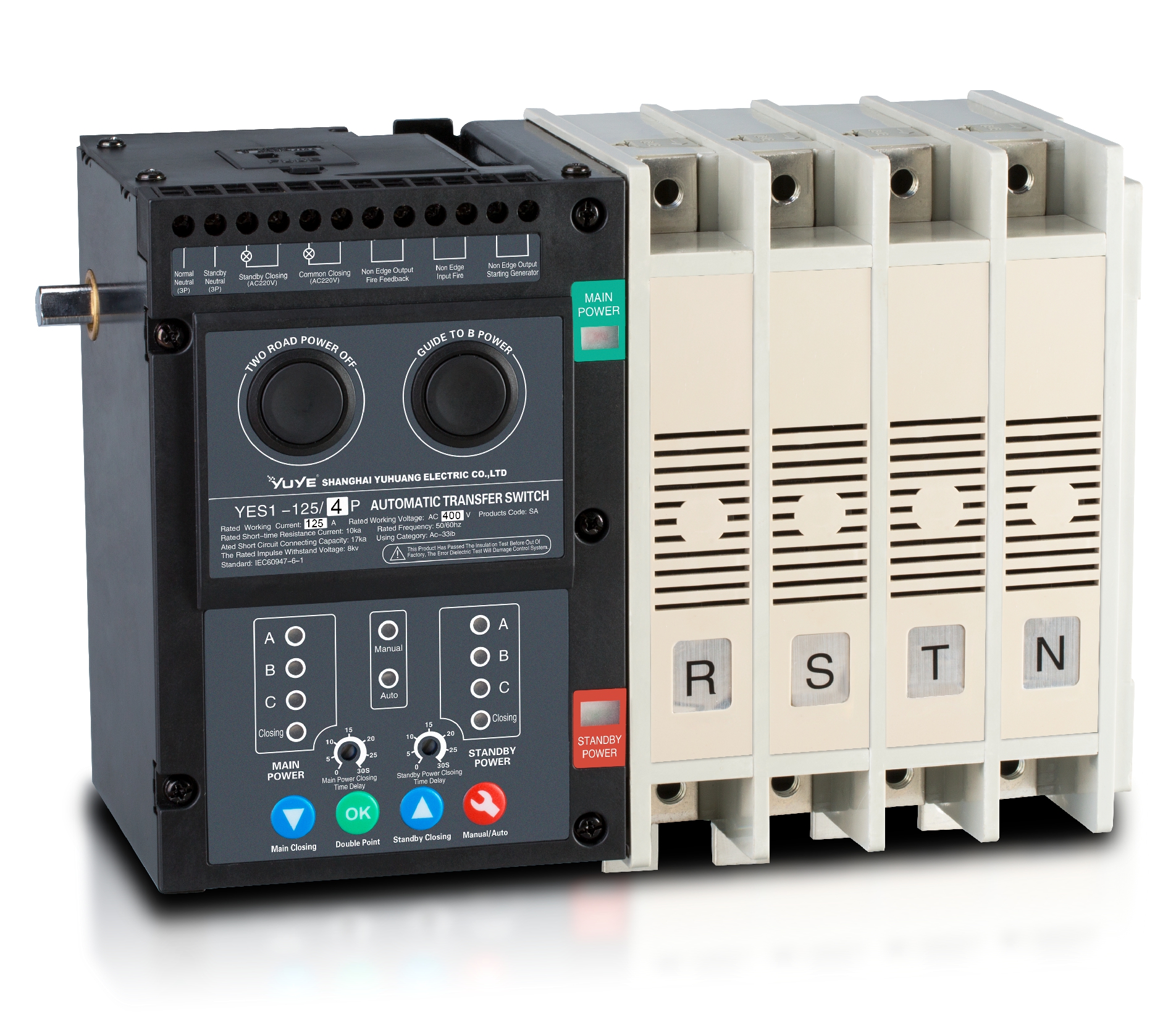 Solenoid-type ATS YES1-63~630SA
 Solenoid-type ATS YES1-63~630L/LA
 Solenoid-type ATS YES1-63~630LA3
 Solenoid-type ATS YES1-63MA
 PC ATS YES1-630~1600M
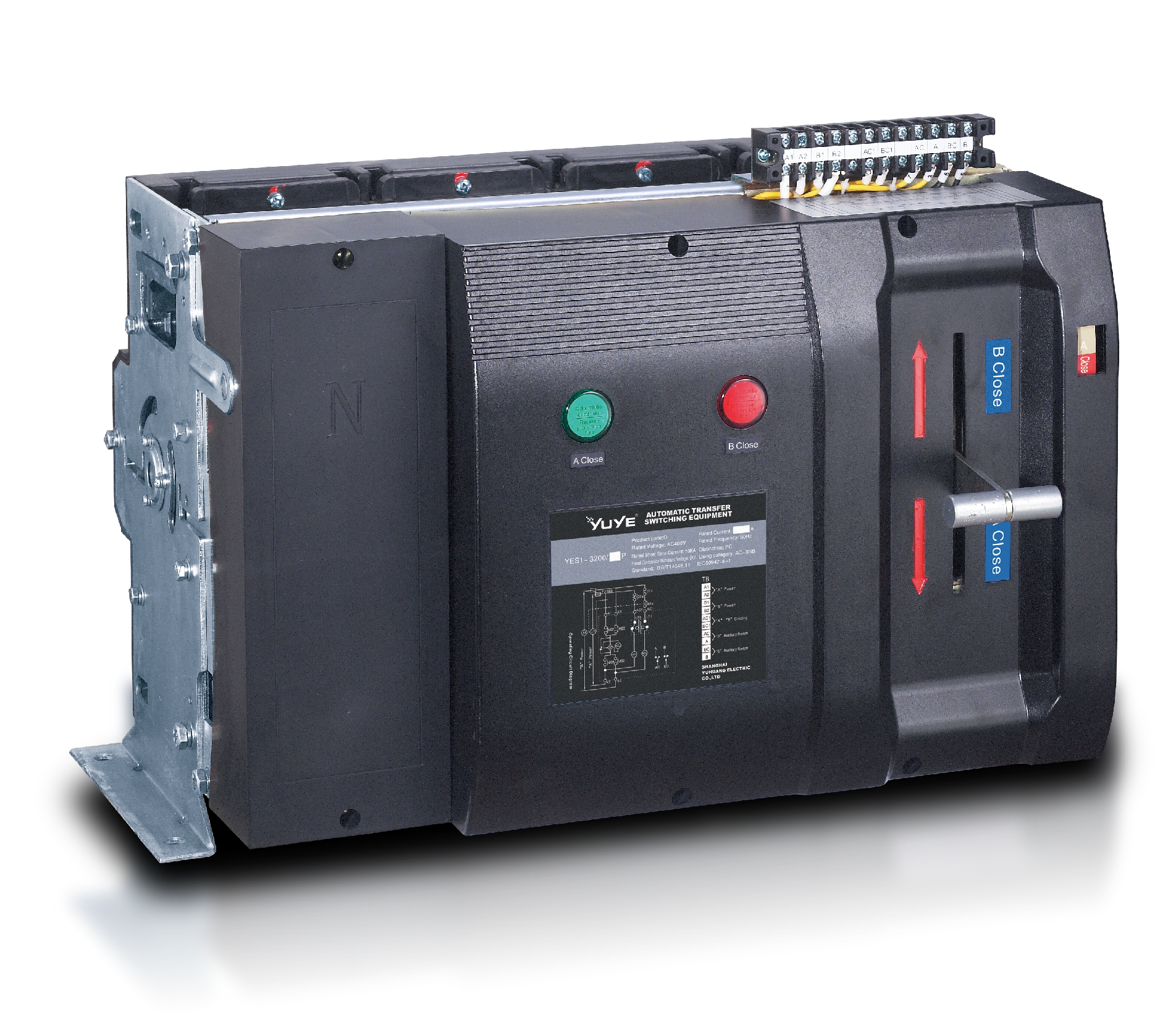 PC ATS YES1-3200Q
 Solenoid-type ATS YES1-4000~6300Q
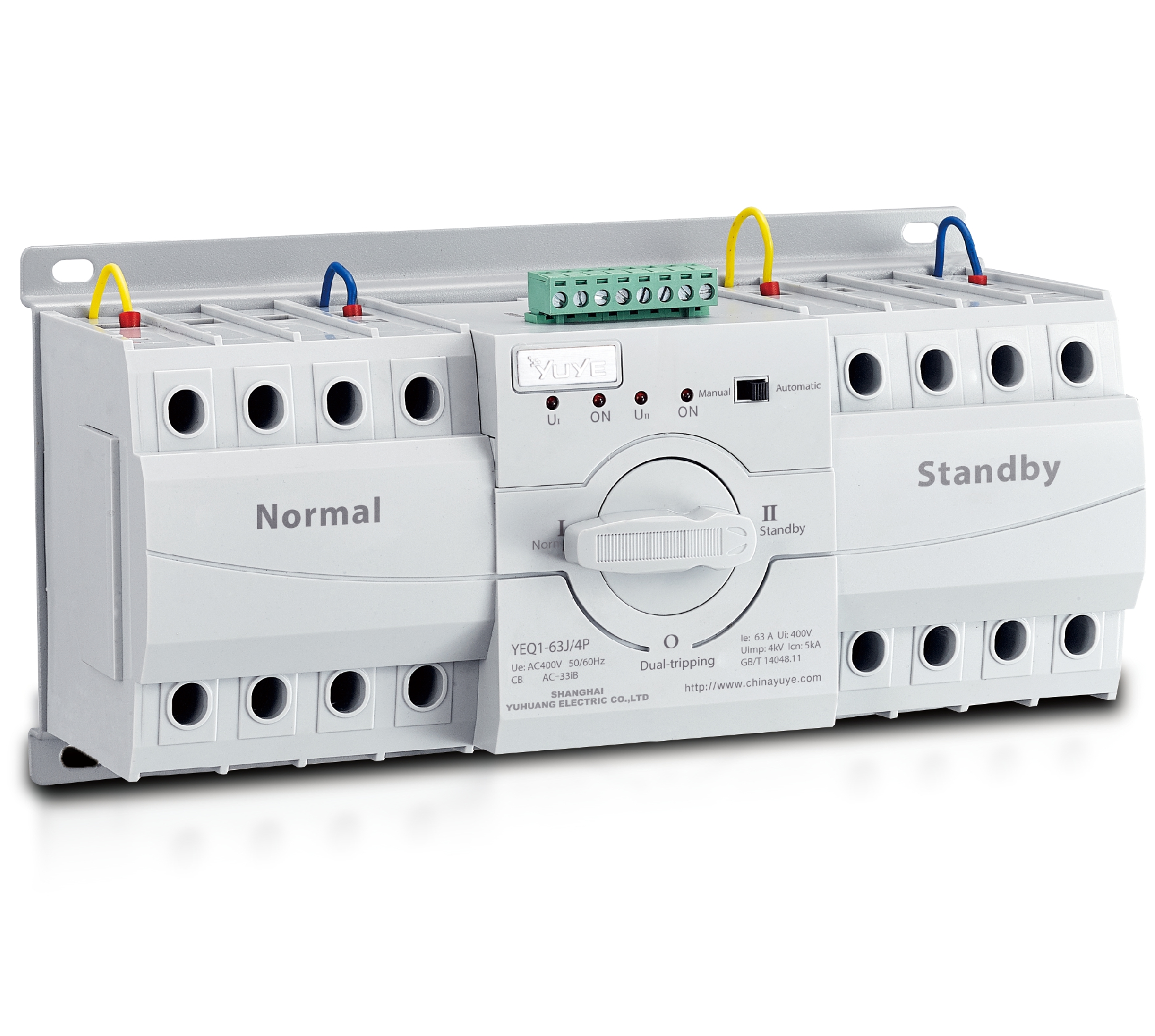 CB ATS YEQ1-63J
 CB ATS YEQ2Y-63
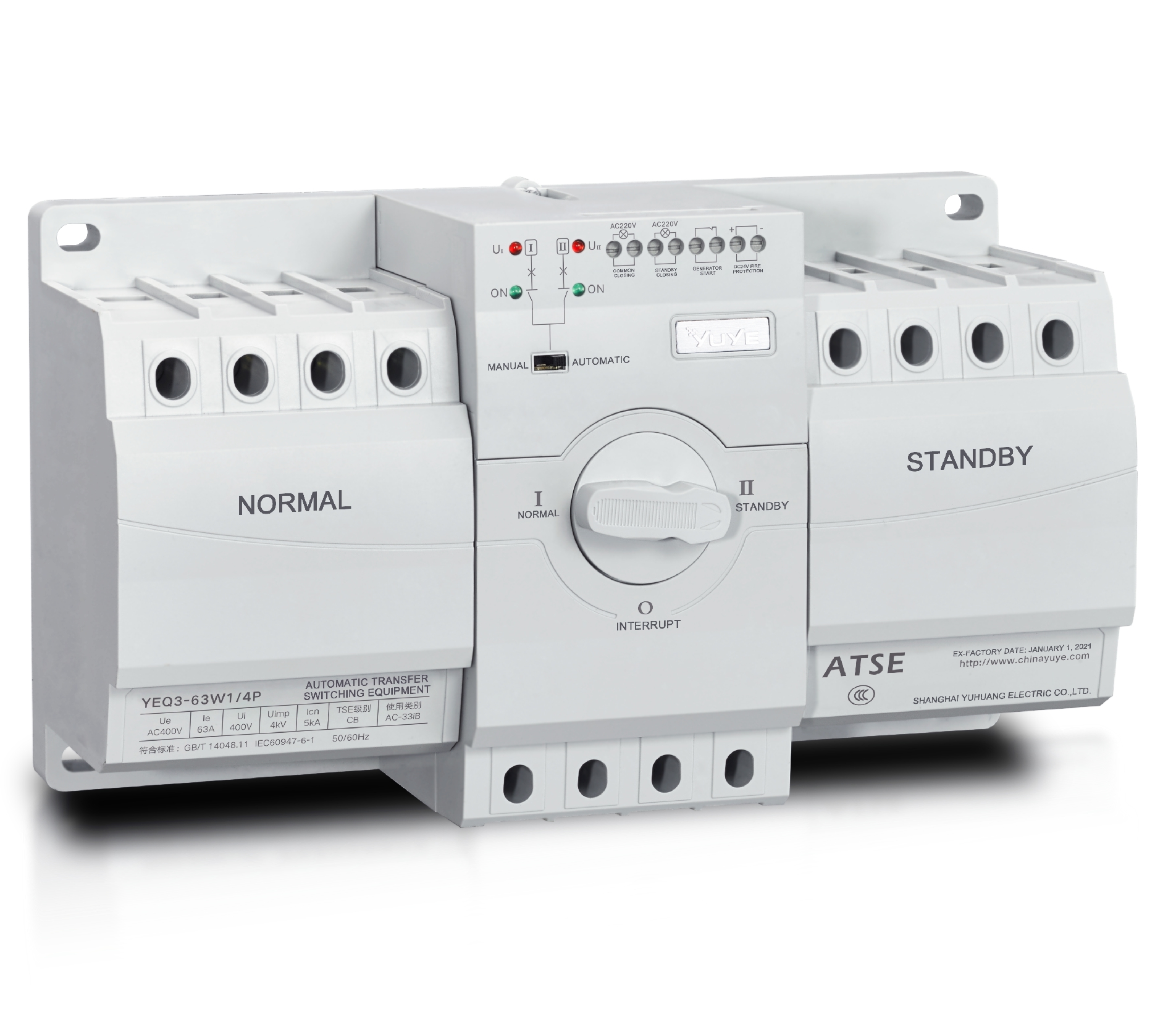 CB ATS YEQ3-63W1
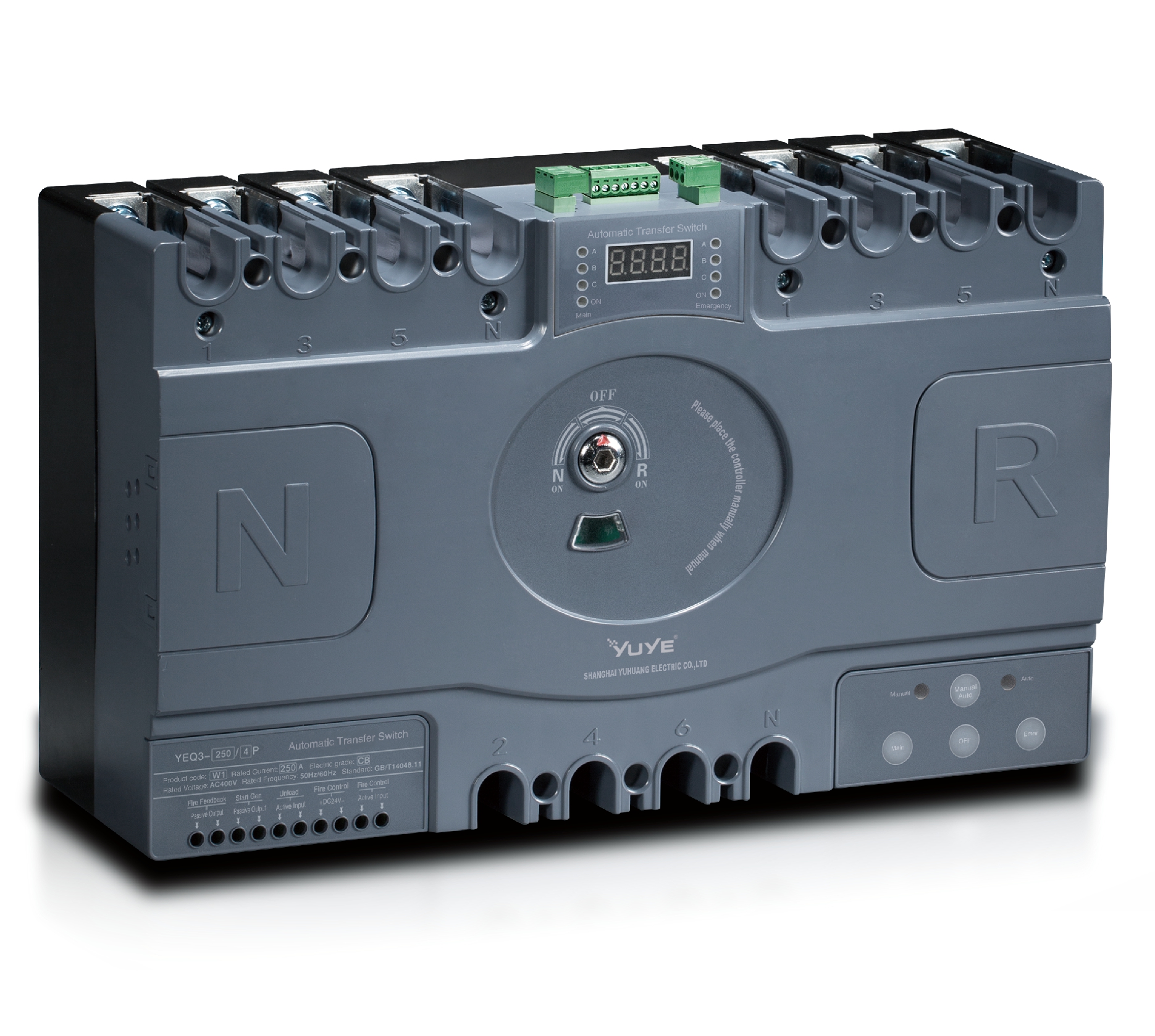 CB ATS YEQ3-125~630W1
 ATS controller Y-700
 ATS Controller Y-700N
 ATS Controller Y-701B
 ATS Controller Y-703N
 ATS Controller Y-800
 ATS Controller W2/W3 Series
 ATS switch Cabinet floor-to-ceiling
 ATS switch cabinet
 JXF-225A power Cbinet
 JXF-800A power Cbinet
 YEM3-125~800 Plastic Shell Type MCCB
 YEM3L-125~630 Leakage Type MCCB
 YEM3Z-125~800 Adjustable Type MCCB
 YEM1-63~1250 Plastic Shell Type MCCB
 YEM1E-100~800 Electronic Type MCCB
 YEM1L-100~630 Leakage Type MCCB
 Air Circuit Breaker YEW1-2000~6300
 Air Circuit Breaker YEW3-1600
 Miniature circuit breaker YEMA2-6~100
 Miniature circuit breaker YEB1-3~63
 Miniature circuit breaker YEB1LE-3~63
 Miniature circuit breaker YEPN-3~32
 Miniature circuit breaker YEPNLE-3~32
 Miniature circuit breaker YENC-63~125
 Load isolation switch YGL-63~3150
 Load Isolation Switch YGL2-63~3150
 DC relay YDC-P20
 DC relay YDC-P250
 DC relay YDC-P400
 DC relay MDC-300M
 DC relay YDC-M400
 DC Isolation Switch YEGL3D-630
 YECPS2-45~125 LCD
 YECPS-45~125 Digital
 CNC Milling/Turning-OEM
Introduction
Consistent and reliable power supply is critical to modern industrial manufacturing and automated production. Even brief power outages or unstable power switching can cause unplanned downtime, equipment damage, product loss and significant financial losses. Most traditional industrial backup systems rely on manual or semi-automatic switching, which suffers from slow response, unstable power transition and unnecessary energy waste. As industrial power management becomes smarter and more efficient, automated control solutions have become essential. As a core power control device, Automatic Transfer Switch Controller resolves the common flaws of traditional backup systems through precise monitoring and fully automatic switching, effectively boosting the overall efficiency and reliability of industrial power backup operations. This article explores its working principles, application benefits, scenario adaptability and intelligent advantages with support from industrial power research.
1. Core Working Principles: How ATS Controller Realizes Fast and Stable Industrial Power Switching
Industrial power backup requires stable, zero-impact power switching to sustain continuous production, a standard far higher than civilian power demands. Complex factory environments with high loads and electromagnetic interference demand accurate and reliable switching logic (Misan University, 2024).
Unlike basic manual switches, industrial ATS controllers integrate high-precision monitoring modules, intelligent logic chips and stable execution components to form a fully automatic closed-loop system. It continuously tracks the voltage, frequency and stability of both mains and standby generator power. Once power failure or abnormal fluctuation is detected, the system instantly outputs precise switching commands without human intervention.
The device operates in two core modes: emergency power failure switching and automatic mains reset. During a blackout, it safely disconnects the faulty mains circuit to avoid reverse current damage before switching loads to generator power. When mains power recovers and remains stable for a preset period, the controller automatically restores municipal power and shuts down idle generators. This standardized mechanism ensures safe, smooth and efficient power conversion for high-load industrial equipment.
2. Reduce Industrial Downtime: Efficiency Improvements Brought by Intelligent Power Backup Switching
Industrial production is highly continuous, so any power interruption triggers cascading losses. Traditional manual power switching requires on-site staff to diagnose faults, start generators and complete switching, a process that often takes minutes. For chemical processing, precision manufacturing and automated assembly lines, such delays result in irreversible production losses and equipment wear.
ATS controllers eliminate manual delay with millisecond-level automatic switching. High-sensitivity sensors capture power anomalies instantly to minimize outage duration. Meanwhile, built-in intelligent algorithms distinguish temporary voltage fluctuations from genuine power failures, preventing unnecessary switching and secondary equipment impact.
Real industrial application data proves its value: factories equipped with ATS controllers reduce power-related downtime by over 90%. Stable automatic switching greatly improves production line continuity and overall operational efficiency.
3. Industrial Scenario Adaptation: Why ATS Controllers Are Suitable for High-Load Power Backup Systems
Industrial working conditions feature high current loads, high temperatures, dust and strong electromagnetic interference, requiring robust and adaptable power switching hardware. Automatic Transfer Switch Controller is purpose-built for industrial high-load scenarios, delivering far stronger stability and environmental adaptability than ordinary civilian switches.
Industrial-grade structural design supports high-power load operation suitable for large factory equipment and centralized distribution systems. Dust-proof, heat-resistant and anti-interference casing ensures stable long-term operation in harsh workshop environments without malfunction.
Moreover, modern ATS controllers offer excellent compatibility with traditional diesel generators and new energy hybrid systems including solar power. Customizable parameters for switching delay and power priority allow tailored power backup strategies for different production lines and industrial equipment.
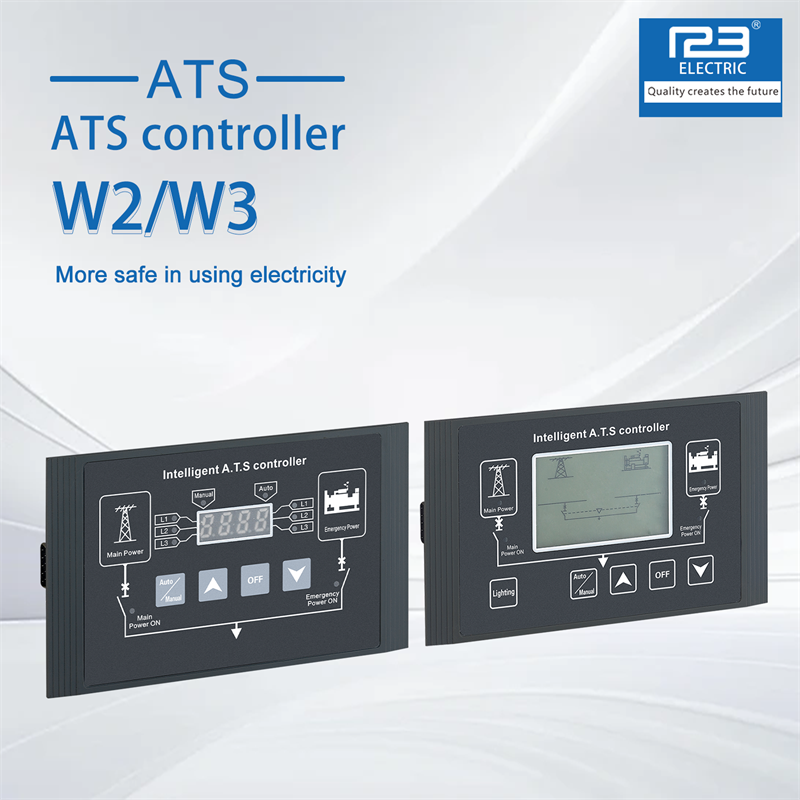
4. Energy Saving and Cost Reduction: Hidden Efficiency Advantages of Modern ATS Controller in Industrial Power Management
Power consumption and equipment maintenance account for a large proportion of industrial operational costs. Conventional backup systems often cause energy waste due to unregulated generator idling and rigid switching logic, increasing long-term factory operating expenses.
ATS controllers optimize backup power operation through intelligent scheduling. The system dynamically identifies actual load demand, activating standby generators only during genuine outages. Once mains power stabilizes, it automatically stops generator idling to eliminate ineffective energy consumption, achieving precise load matching and energy-efficient operation.
Smooth and controlled power switching also reduces frequent current impact on electrical components, lowering equipment failure rates and extending system service life. Industry data shows that ATS deployment helps industrial enterprises cut annual energy and maintenance costs by 15%–20%, delivering sustainable economic benefits (WPRC Archives, 2025).
5. Intelligent Upgrade: How Smart ATS Controller Improves the Stability and Efficiency of Industrial Emergency Power Supply
With the development of smart factory technology, industrial power backup has evolved from basic switching to intelligent full-process management. Upgraded smart Automatic Transfer Switch Controller integrates remote monitoring, data analysis, fault early warning and intelligent scheduling, greatly improving emergency power stability and efficiency.
Remote real-time monitoring enables unattended power system management. Operators can check mains and generator status remotely, grasp operational data and conduct real-time supervision. The built-in self-diagnosis module detects hidden risks such as voltage instability and circuit aging, sending early warnings to support timely maintenance.
In emergency outage scenarios, intelligent load prioritization ensures core production equipment receives power first, minimizing operational losses. Future ATS systems will combine big data and AI to achieve more accurate power prediction and refined industrial power allocation.
Conclusion
Overall, ATS controllers comprehensively optimize industrial power backup efficiency through fast automatic switching, strong industrial adaptability, intelligent energy saving and smart system management. They effectively reduce production downtime, lower operational costs and enhance power system stability. As intelligent manufacturing and new energy systems develop, ATS controllers will remain essential infrastructure for safe, efficient and cost-effective industrial power supply.
FAQs
1. What is the switching speed of industrial-grade ATS controller?
Industrial ATS controllers complete power switching within 20–50 milliseconds. The ultra-fast transition prevents equipment shutdown and program reset caused by brief power interruptions, fully meeting the continuous operation demands of precision industrial equipment and automated production lines.
2. Can ATS controller adapt to new energy hybrid industrial power supply systems?
Yes. Modern ATS controllers support both traditional generator backup and new energy hybrid systems such as solar and wind power. They intelligently identify different power sources and execute adaptive switching, fitting the trend of green industrial power upgrading.
3. What maintenance work does industrial ATS controller need in daily operation?
ATS controllers feature stable performance and low maintenance requirements. Daily management includes regular line inspections, quarterly switching function tests and routine dust cleaning to ensure heat dissipation. Simple maintenance guarantees long-term stable operation with low failure rates.
References
[1] Misan University. Automatic Transfer Switch (ATS) Using Programmable Logic Controller (PLC)[R]. 2024.
[2] WPRC Archives. A Practical Guide: Design and Protection Considerations for Developing Reliable Automatic Transfer Schemes (ATSs)[J]. 2025.
[3] International Journal of Computer Applications. Design of a SCADA-Based Monitoring Framework for ATS System[J]. 2026.
