
 PC ATS YECT1-2000G
 PC ATS YES2-63~250GN1
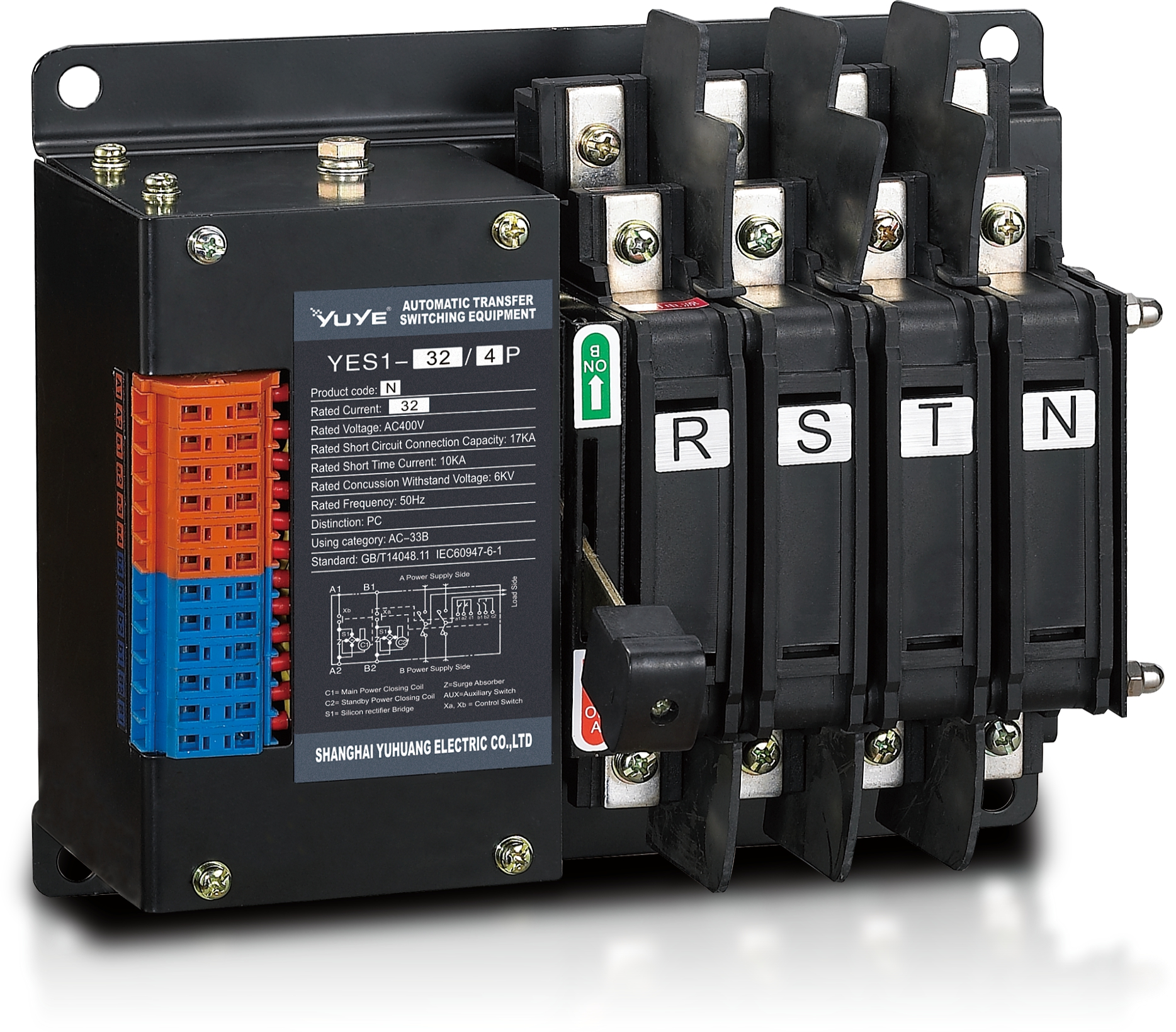 Solenoid-type ATS YES1-32~125N
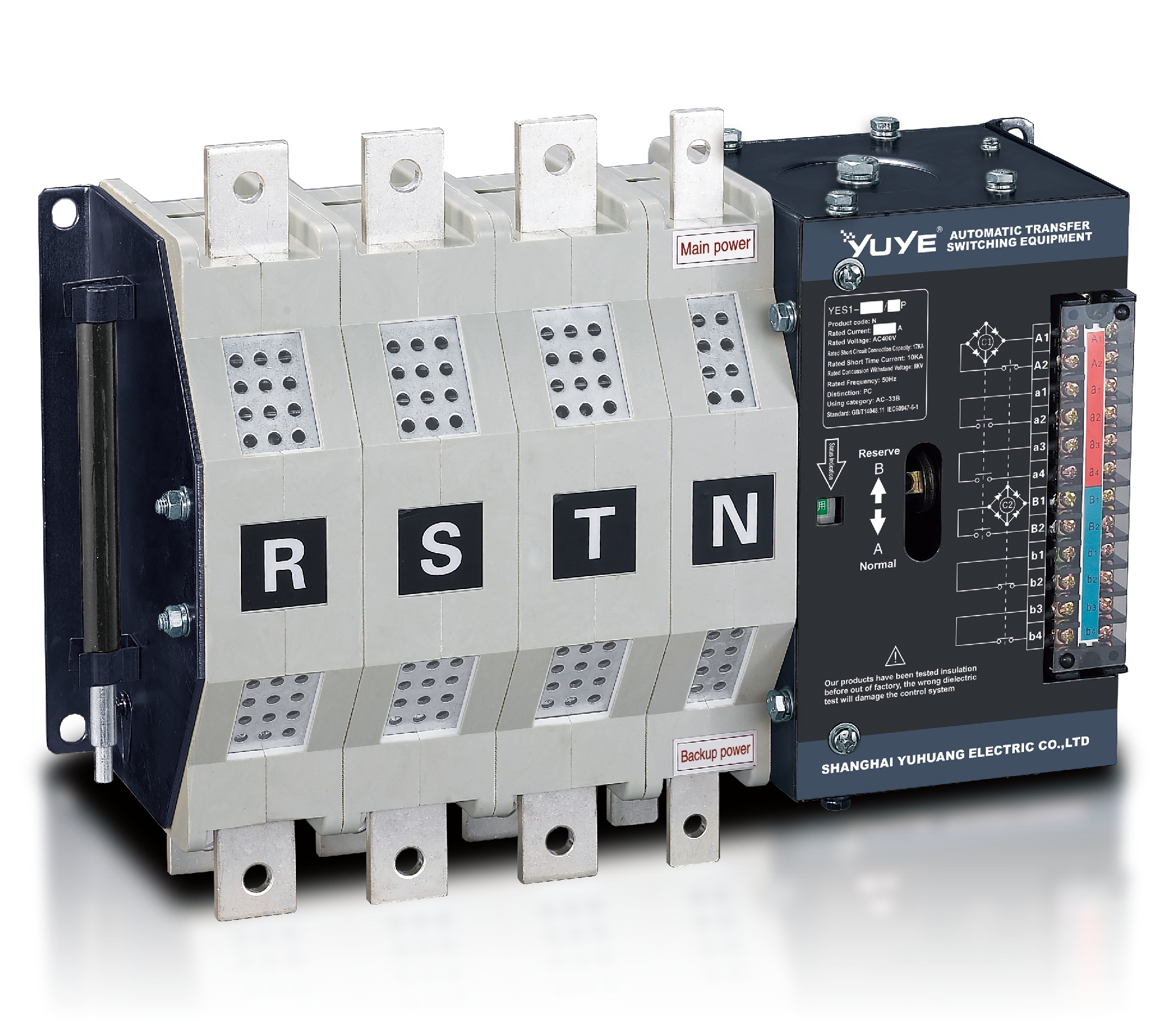 Solenoid-type ATS YES1-250~630N/NT
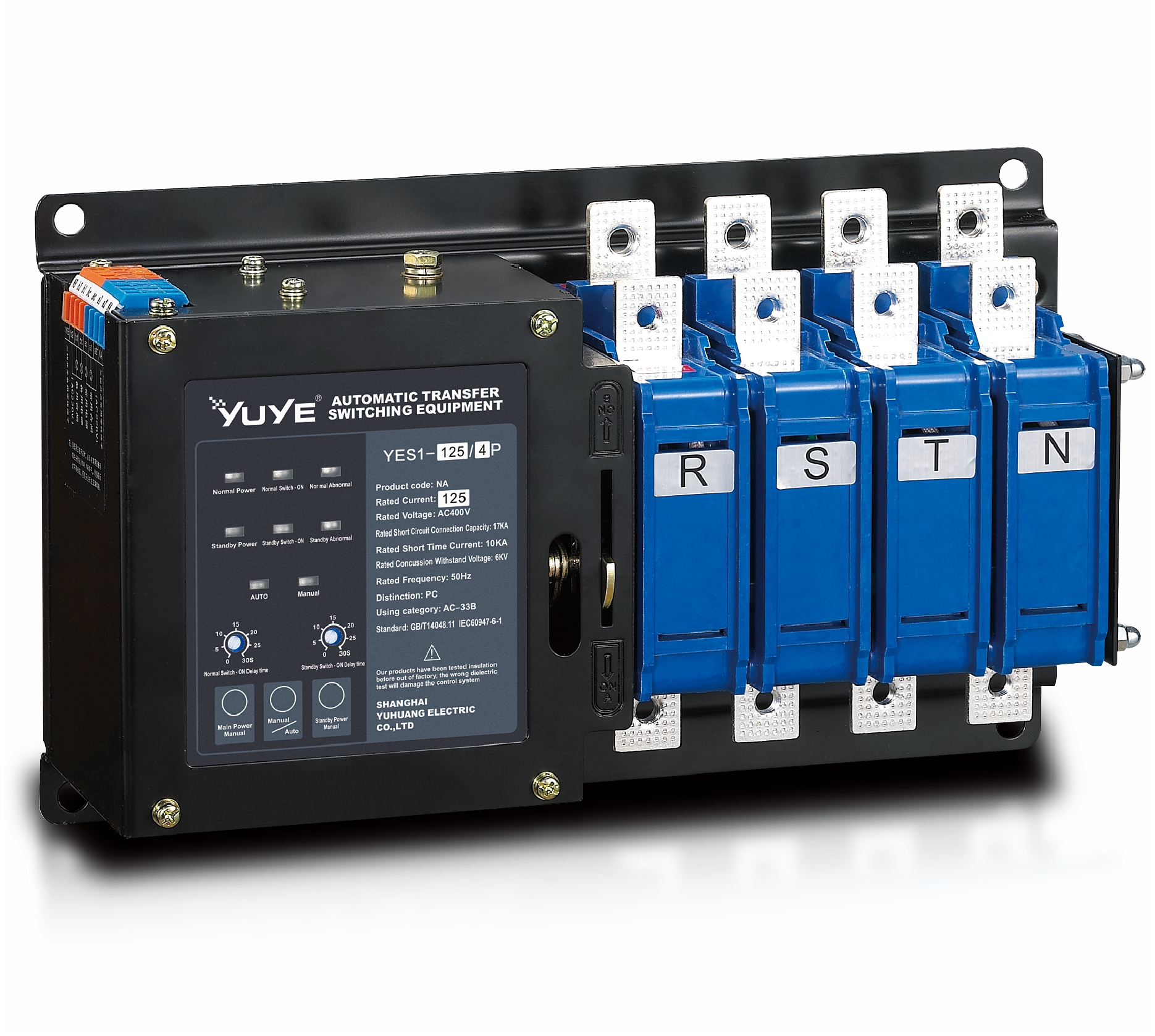 Solenoid-type ATS YES1-32~125NA
 Solenoid-type ATS YES1-63~630SN
 Solenoid-type ATS YES1-1250~4000SN
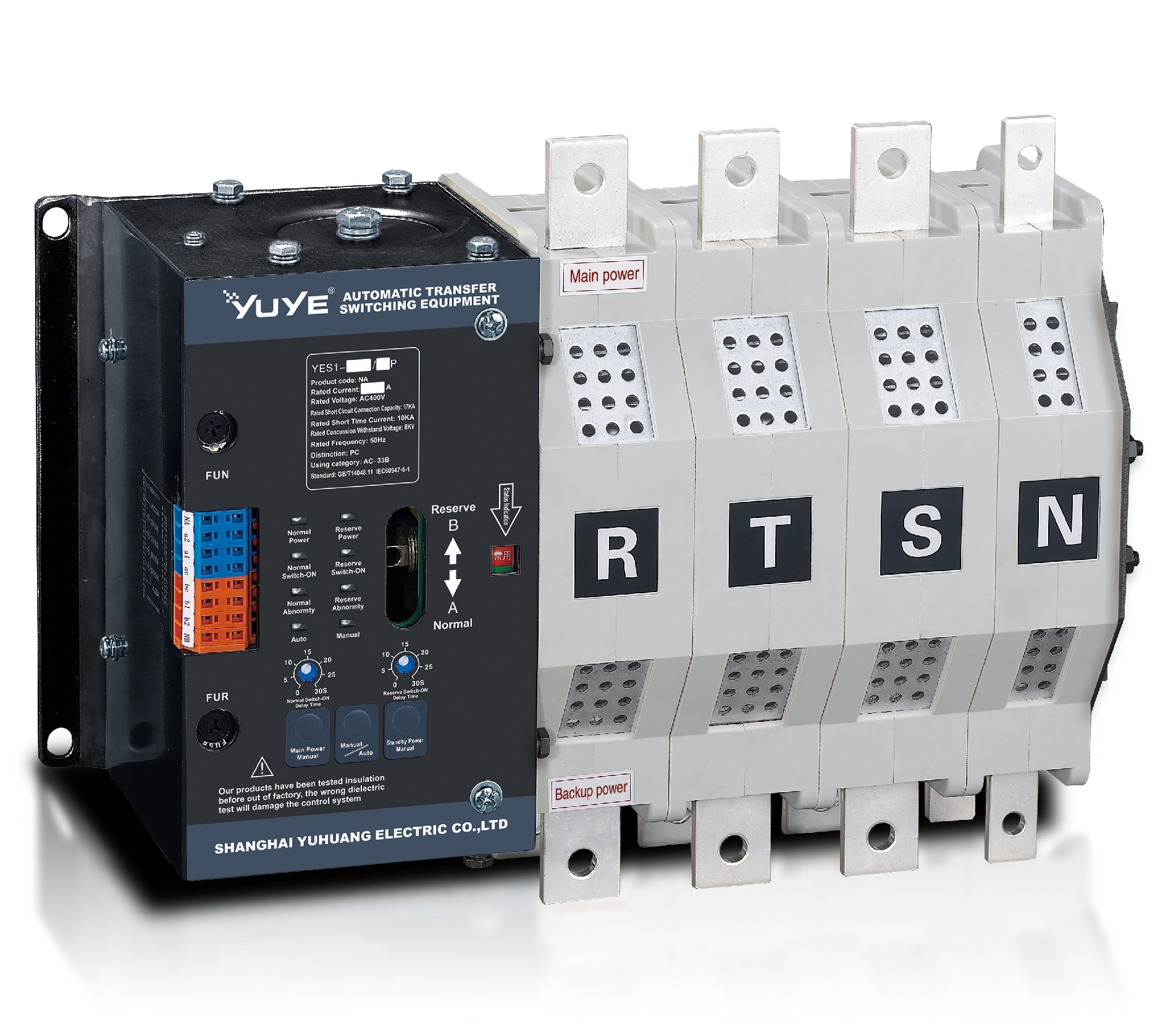 Solenoid-type ATS YES1-250~630NA/NAT
 Solenoid-type ATS YES1-63NJT
 PC ATS YES1-100~1600GN1/GN/GNF
 PC ATS YES1-2000~3200GN/GNF
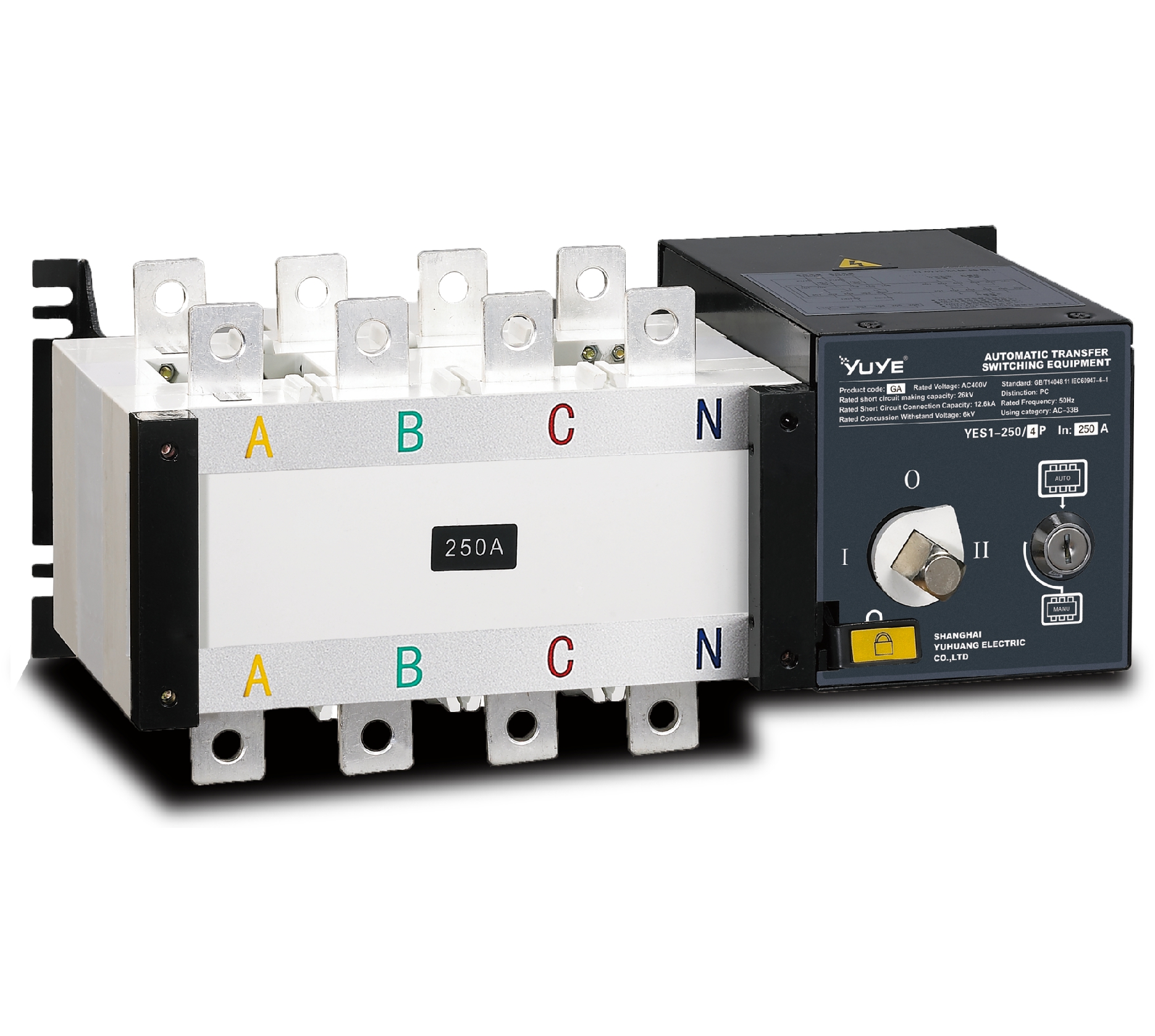 PC ATS YES1-100~3200GA1/GA
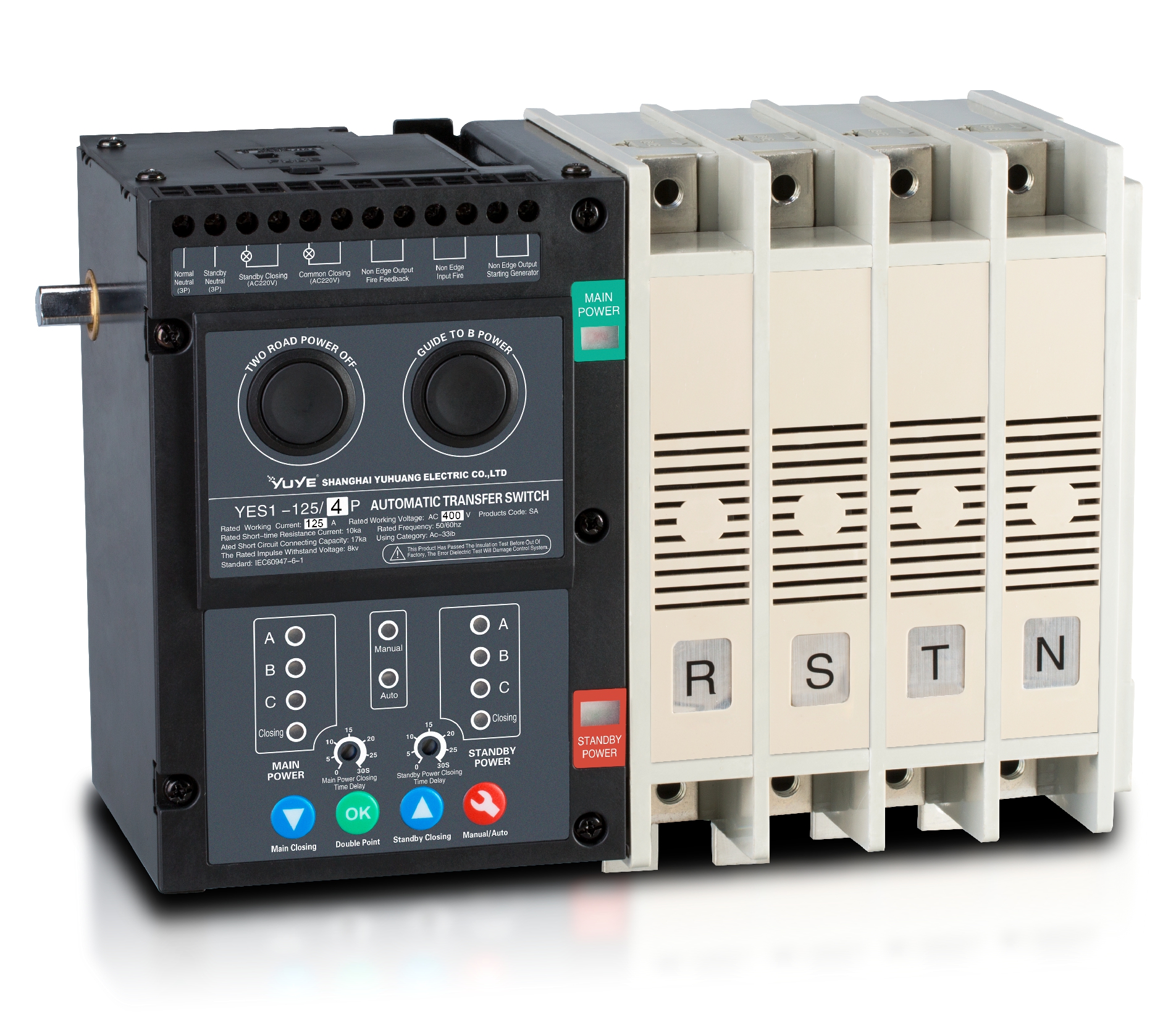 Solenoid-type ATS YES1-63~630SA
 Solenoid-type ATS YES1-63~630L/LA
 Solenoid-type ATS YES1-63~630LA3
 Solenoid-type ATS YES1-63MA
 PC ATS YES1-630~1600M
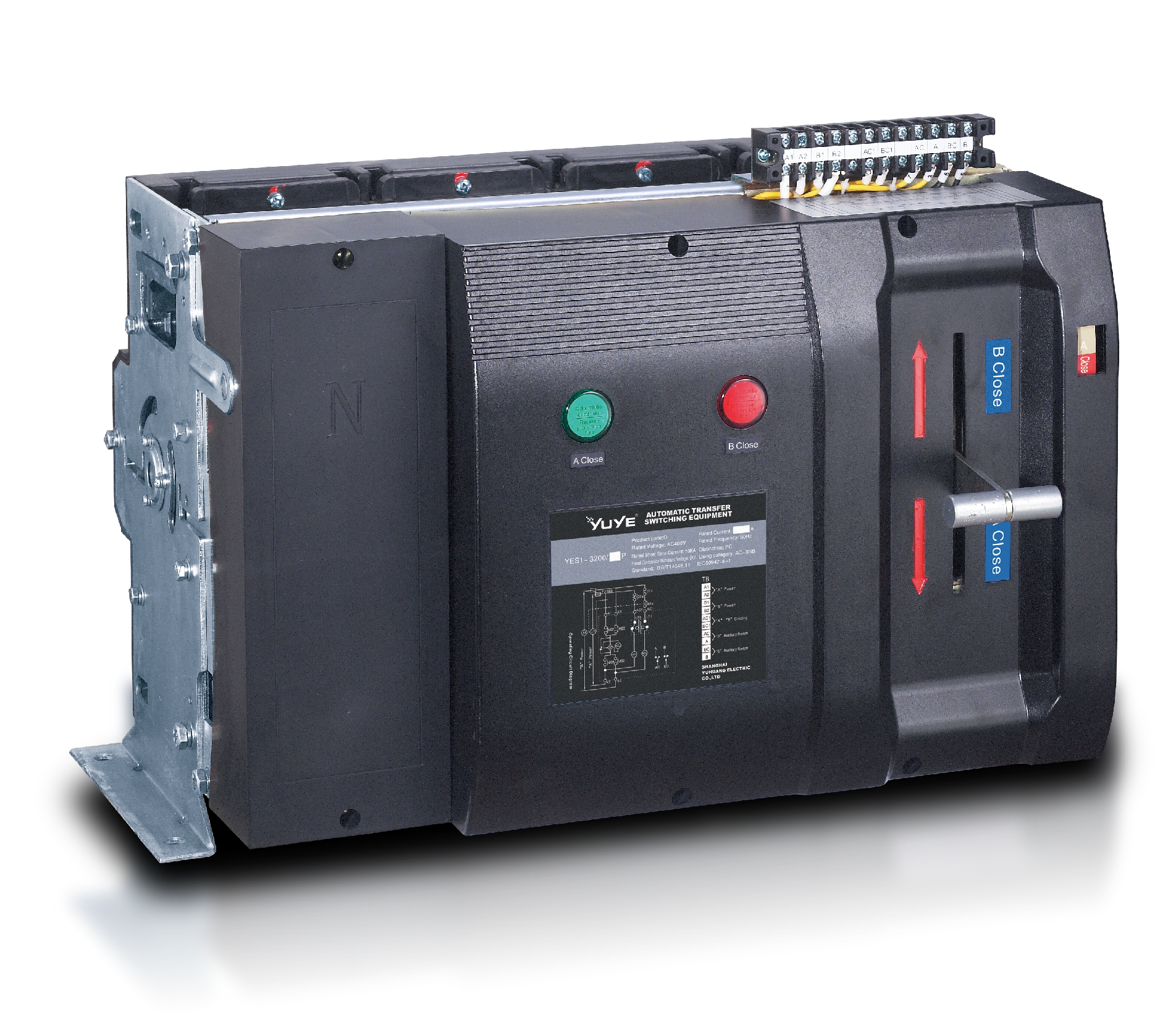 PC ATS YES1-3200Q
 Solenoid-type ATS YES1-4000~6300Q
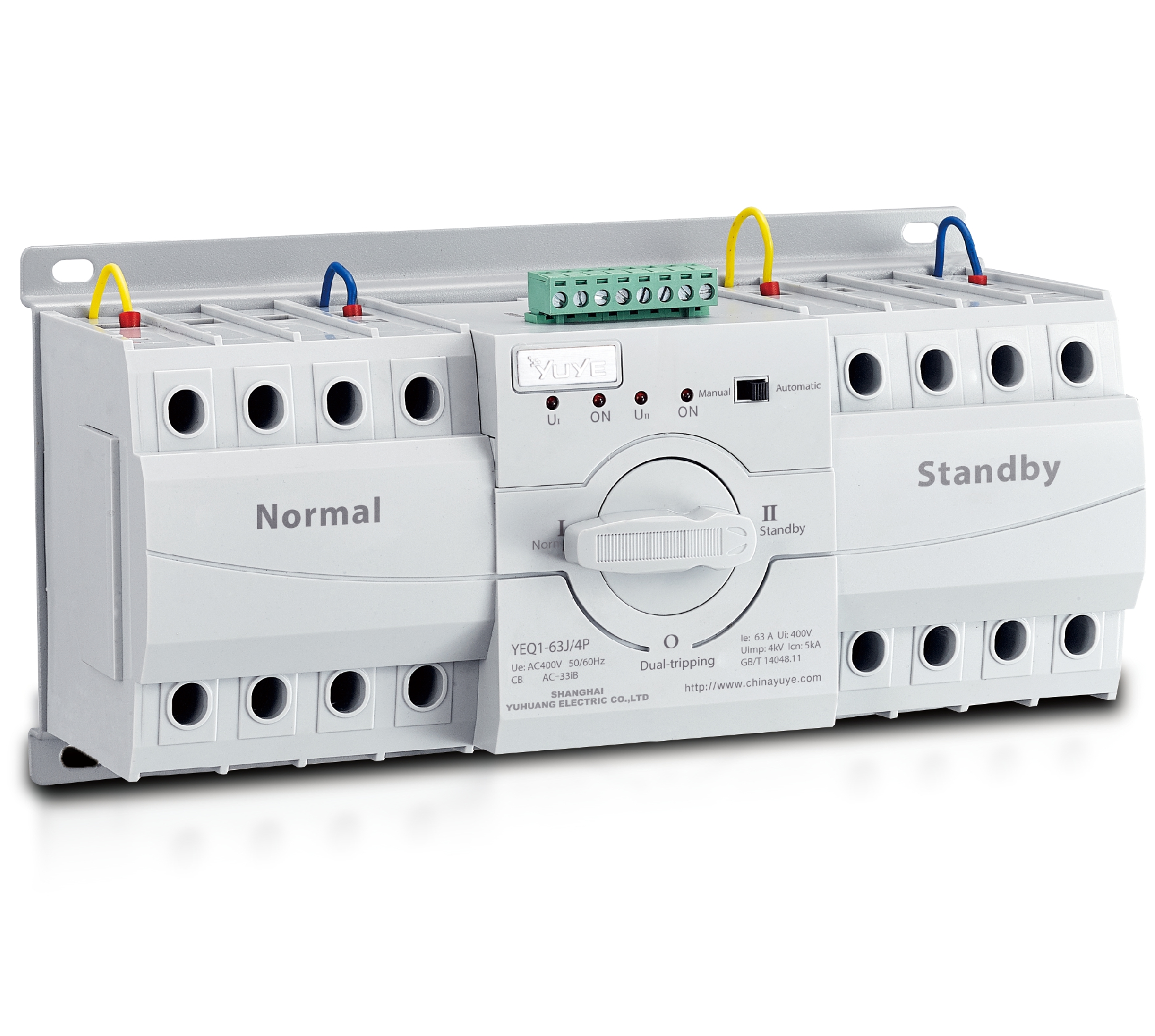 CB ATS YEQ1-63J
 CB ATS YEQ2Y-63
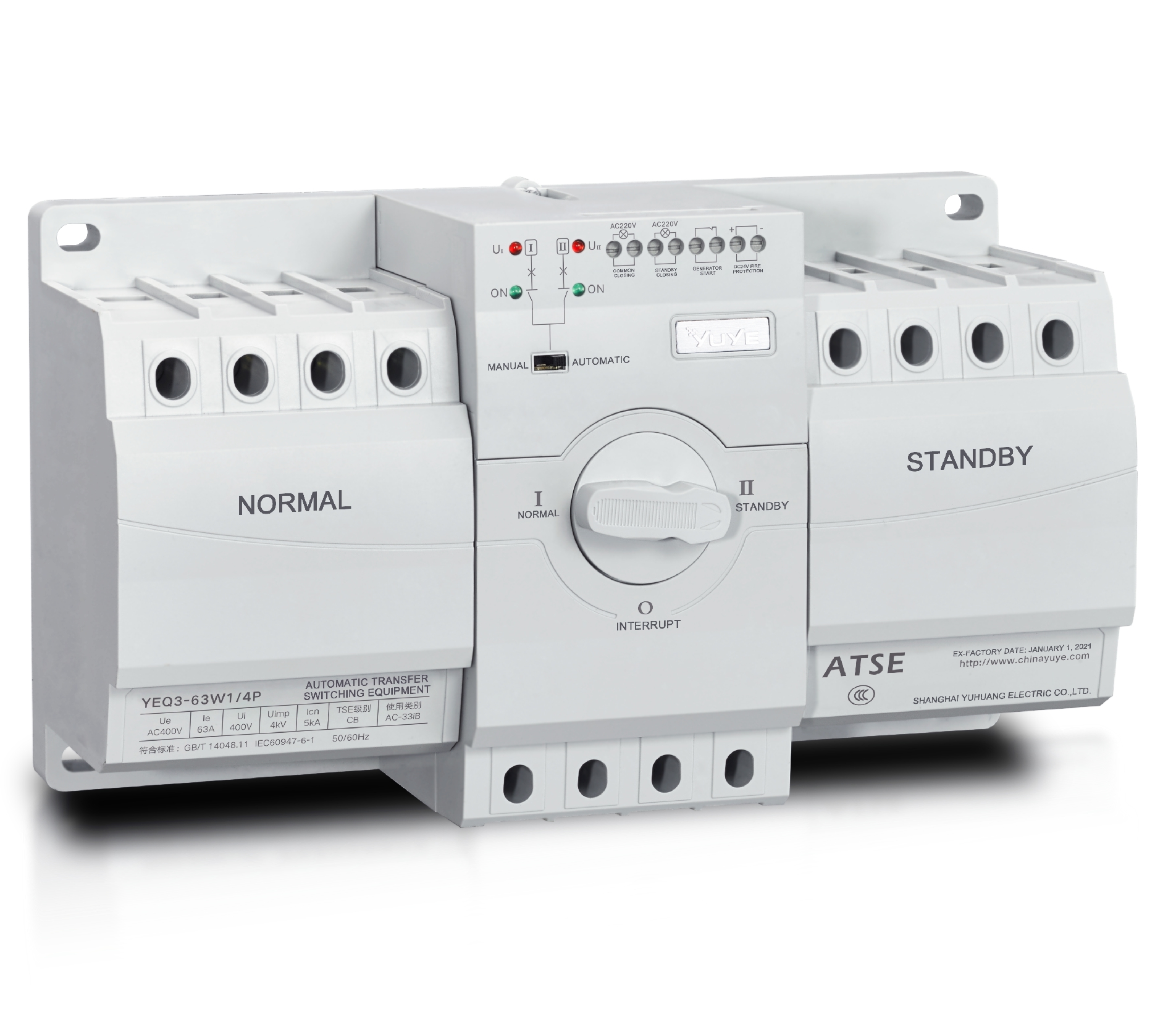 CB ATS YEQ3-63W1
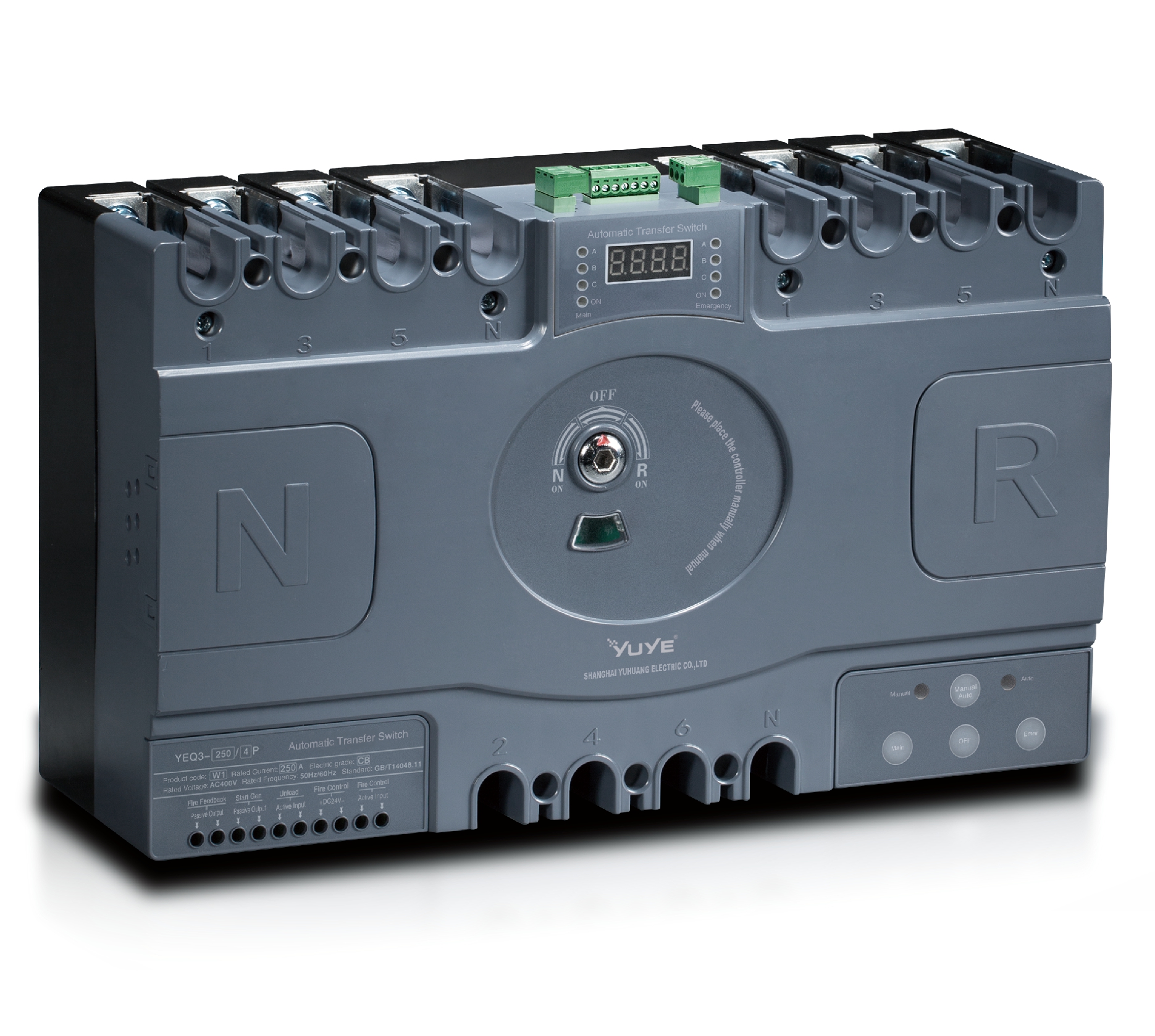 CB ATS YEQ3-125~630W1
 ATS controller Y-700
 ATS Controller Y-700N
 ATS Controller Y-701B
 ATS Controller Y-703N
 ATS Controller Y-800
 ATS Controller W2/W3 Series
 ATS switch Cabinet floor-to-ceiling
 ATS switch cabinet
 JXF-225A power Cbinet
 JXF-800A power Cbinet
 YEM3-125~800 Plastic Shell Type MCCB
 YEM3L-125~630 Leakage Type MCCB
 YEM3Z-125~800 Adjustable Type MCCB
 YEM1-63~1250 Plastic Shell Type MCCB
 YEM1E-100~800 Electronic Type MCCB
 YEM1L-100~630 Leakage Type MCCB
 Air Circuit Breaker YEW1-2000~6300
 Air Circuit Breaker YEW3-1600
 Miniature circuit breaker YEMA2-6~100
 Miniature circuit breaker YEB1-3~63
 Miniature circuit breaker YEB1LE-3~63
 Miniature circuit breaker YEPN-3~32
 Miniature circuit breaker YEPNLE-3~32
 Miniature circuit breaker YENC-63~125
 Load isolation switch YGL-63~3150
 Load Isolation Switch YGL2-63~3150
 DC relay YDC-P20
 DC relay YDC-P250
 DC relay YDC-P400
 DC relay MDC-300M
 DC relay YDC-M400
 DC Isolation Switch YEGL3D-630
 YECPS2-45~125 LCD
 YECPS-45~125 Digital
 CNC Milling/Turning-OEM
Stable power supply is critical for commercial, industrial and critical electrical equipment to avoid downtime and economic loss. A Motorized ATS is a key dual-power switching device that enables safe, automatic power transfer between utility mains and standby generators. This article covers its structure, working logic, safety design, operation modes and basic maintenance tips.
1. Core Components and Mechanical Structure
This automatic transfer switch is a mechatronic device composed of core modular parts, including a motor actuator, arc-resistant contact assembly, intelligent control board, position sensors and protective cabinet. The motor actuator provides stable power for switching actions, offering smoother operation and better long-term stability than traditional solenoid-driven ATS. The control board acts as the core controller to monitor power status and send operation commands, while sensors feedback real-time switch positions to prevent misoperation. All components work together to complete reliable power source switching.
2. Working Switching Logic of Motor-Driven ATS
The device follows a standard automatic switching logic, including power failure transfer and mains recovery reset. The controller continuously monitors mains voltage and frequency. Once power failure, undervoltage or phase loss is detected and lasts beyond the preset delay, the system cuts off the mains circuit and waits for the standby generator to stabilize. It then switches the load to generator power automatically. The adjustable delay function effectively avoids frequent switching caused by transient power fluctuations. When mains power recovers steadily, the system will switch the load back to utility power and shut down the generator automatically.
3. Safety Interlock Mechanism
Dual-power systems face the risk of short circuit if mains and generator power supply in parallel. To eliminate this hazard, the device adopts dual mechanical and electrical interlock protection. The rigid mechanical interlock physically locks one set of contacts when the other is closed, preventing simultaneous connection. The electrical interlock provides auxiliary signal-level protection to block wrong operation commands. This dual-insurance design completely avoids power parallel faults and ensures switching safety in automatic, manual and maintenance scenarios.

4. Common Operation Modes
The device supports three practical operation modes to fit different usage scenarios. Automatic mode is for daily unattended operation, suitable for factories, buildings and data centers with stable backup power demands. Manual test mode allows technicians to simulate switching tests to check equipment performance without affecting normal load power supply. Locked-off mode isolates the switch fully, disabling all automatic and manual functions to guarantee safety during equipment maintenance and repair.
5. Installation and Maintenance Guidelines
Standard installation and simple daily maintenance are essential for the stable operation of Motorized ATS. During installation, workers need to standardize wiring, fasten terminals and verify phase sequence consistency, and debug delay and interlock functions before official use. For daily upkeep, regular dust cleaning, mechanical part lubrication and interlock function inspection can effectively reduce failure rates. Timely replacement of aging components ensures long-term stable operation and extends the service life of the equipment.
References
1. Onah, C.O., Kpochi, P.K., Goodman, A.O. (2020). Design and Implementation of an Automatic Changeover Switch with Generator Trip-off Mechanism. International Journal of Engineering Science Invention.
2. IEEE Standards Association. IEEE 1001-2018: Standard for Automatic Transfer Switches for Low-Voltage Power Systems, 2018.
3. LSP Global. Technical Guide: ATS Structure, Working Principle and Maintenance Specification, 2025.
FAQ
Q1: What are the advantages of motorized ATS over solenoid ATS?
A1: It features more stable switching performance, lower noise and better durability. It supports adjustable delay and frequent repeated operation, making it more suitable for long-term commercial and industrial use.
Q2: Does motorized ATS support single-phase and three-phase systems?
A2: Yes. It covers mainstream 220V single-phase and 380V three-phase low-voltage systems, compatible with household, commercial and industrial power supply scenarios.
Q3: Does ATS switching cause power interruption?
A3: It has a short transient power cut, which has no impact on ordinary loads. Critical precision loads need to be matched with UPS for zero-interruption power supply.
Q4: Is regular ATS maintenance necessary?
A4: Yes. Regular cleaning, lubrication and function testing prevent mechanical jamming and protection failure, ensuring long-term operational safety.
Q5: Can it work in harsh environments?
A5: Standard models apply to indoor conventional environments. High temperature, humid or dusty scenarios require enhanced waterproof and dustproof customized models.
Q6: What are the common ATS faults?
A6: Common issues include unsmooth mechanical switching, loose terminal faults and aging interlock failure, most of which can be avoided with standardized maintenance.
Conclusion As a reliable dual-power switching device,Motorized ATS ensures continuous power supply through scientific structure, precise logic and reliable safety interlock. Proper installation and regular maintenance can maximize its performance and guarantee stable power system operation.
