
 PC ATS YECT1-2000G
 PC ATS YES2-63~250GN1
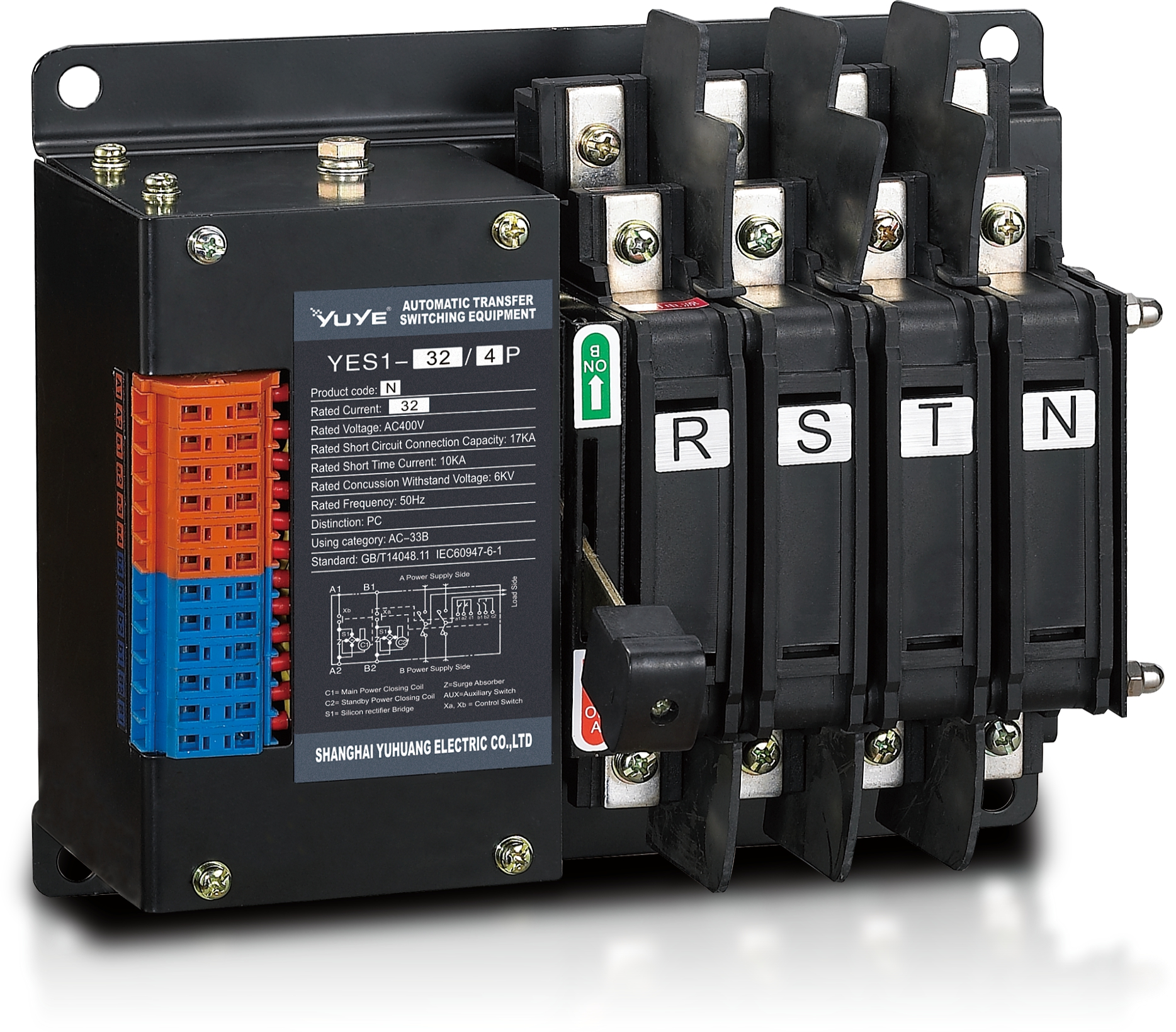 Solenoid-type ATS YES1-32~125N
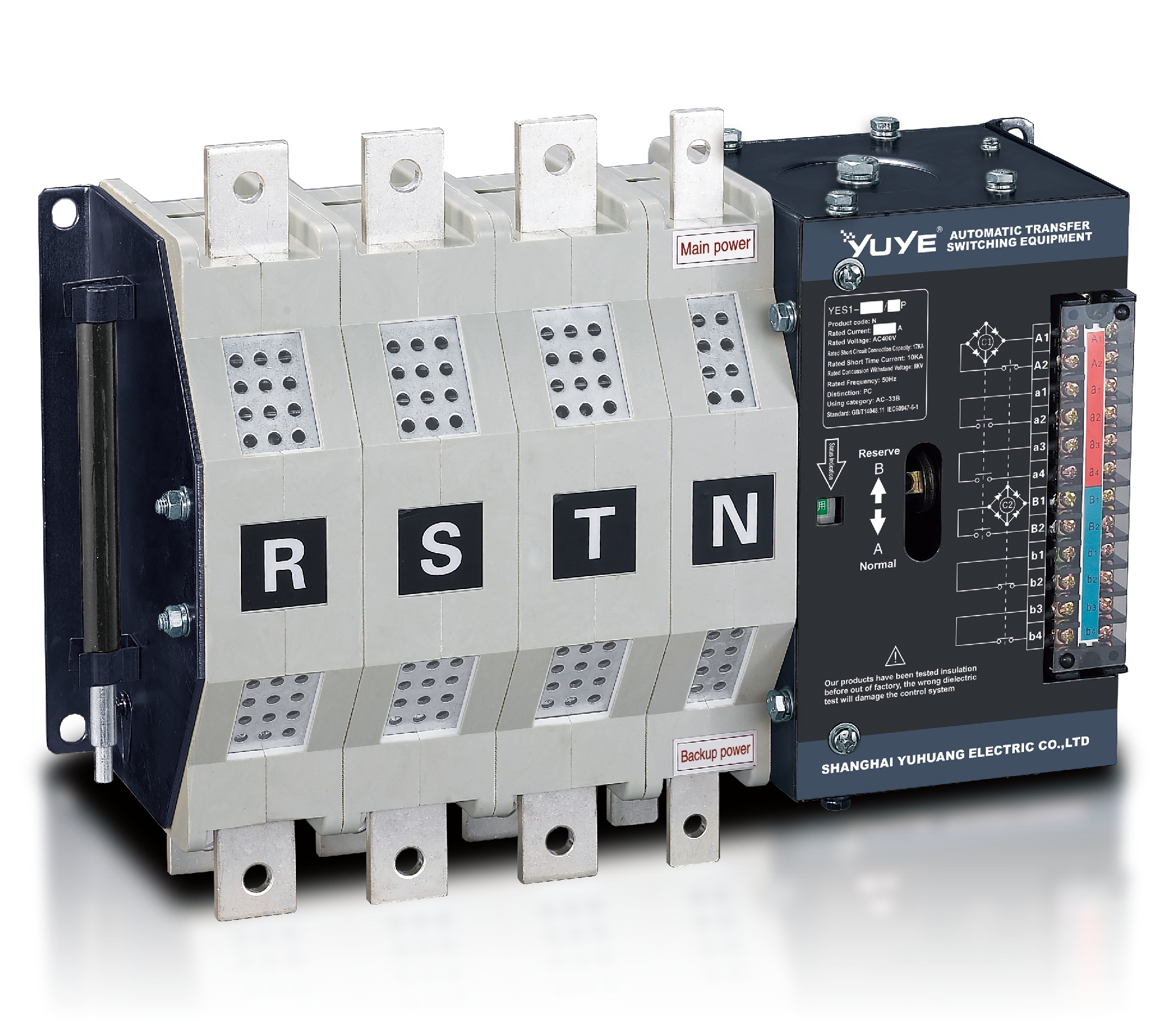 Solenoid-type ATS YES1-250~630N/NT
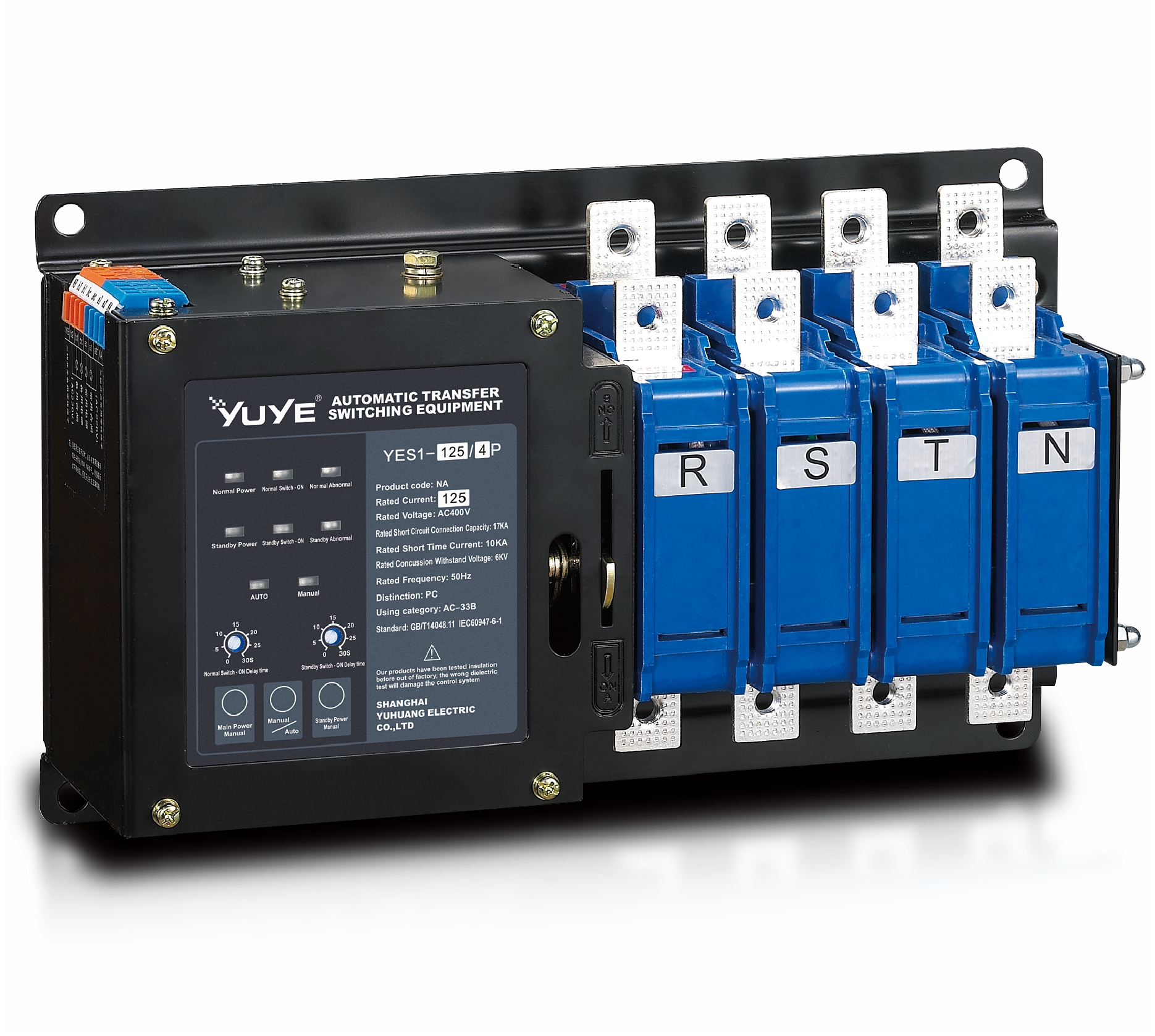 Solenoid-type ATS YES1-32~125NA
 Solenoid-type ATS YES1-63~630SN
 Solenoid-type ATS YES1-1250~4000SN
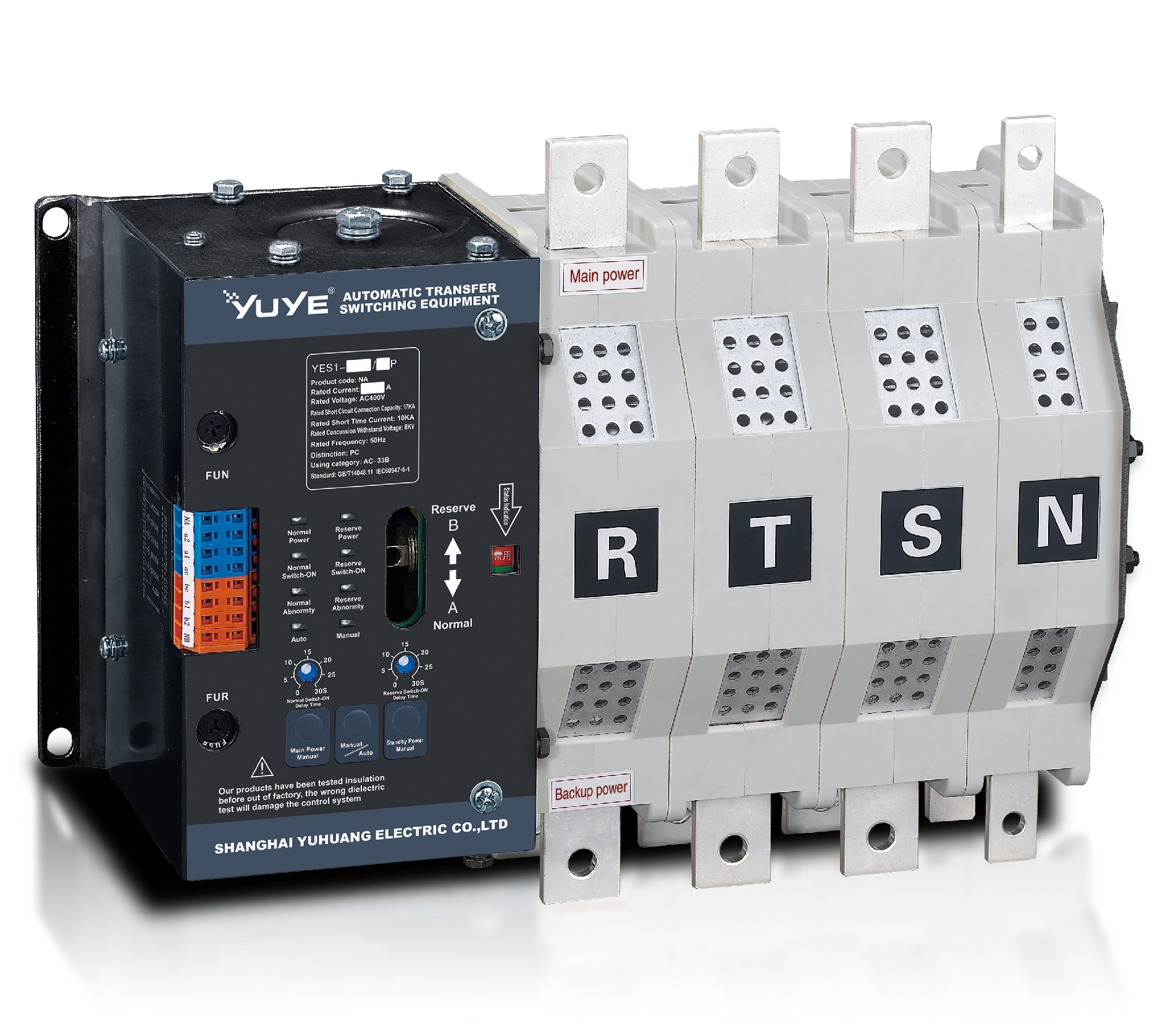 Solenoid-type ATS YES1-250~630NA/NAT
 Solenoid-type ATS YES1-63NJT
 PC ATS YES1-100~1600GN1/GN/GNF
 PC ATS YES1-2000~3200GN/GNF
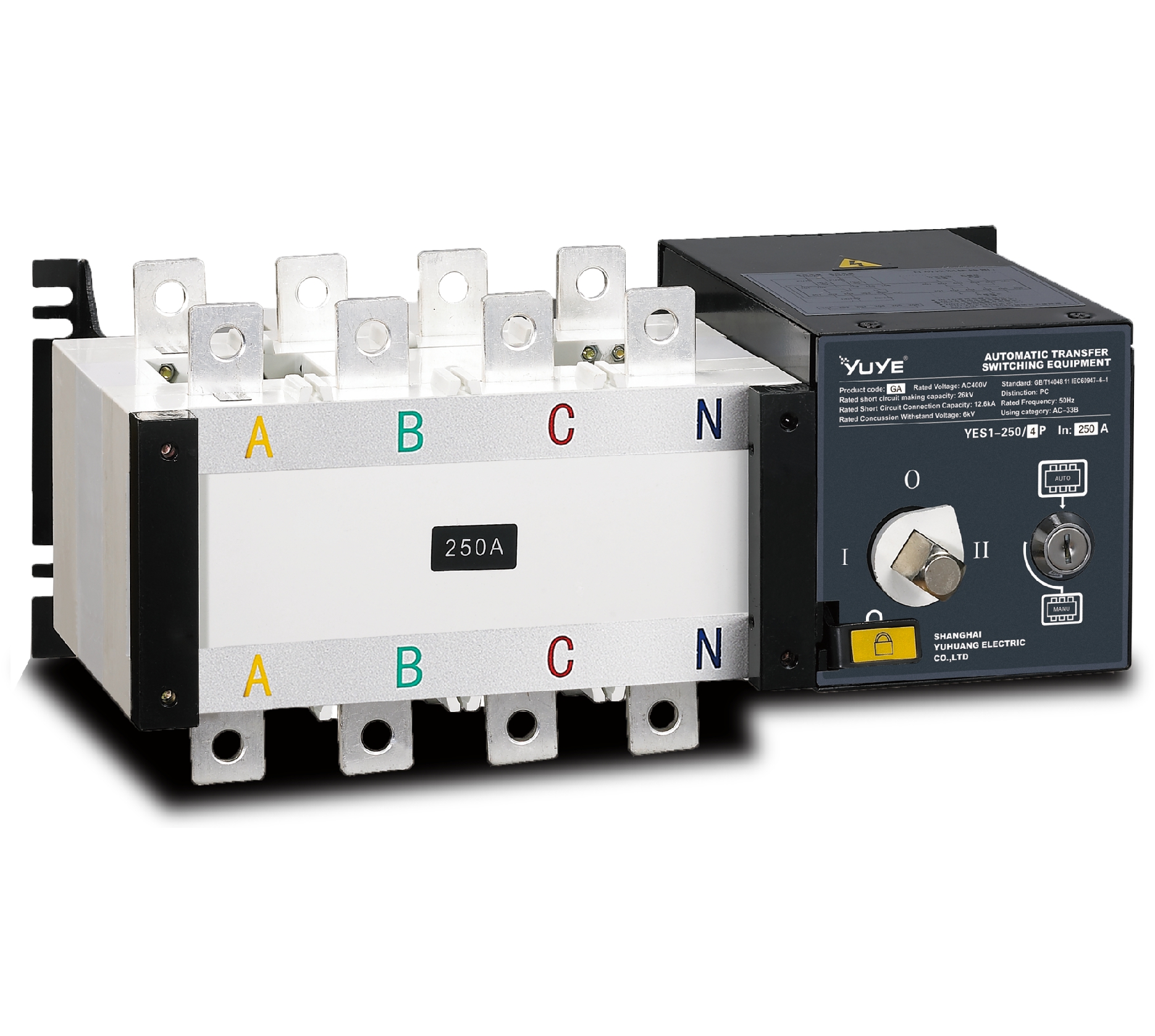 PC ATS YES1-100~3200GA1/GA
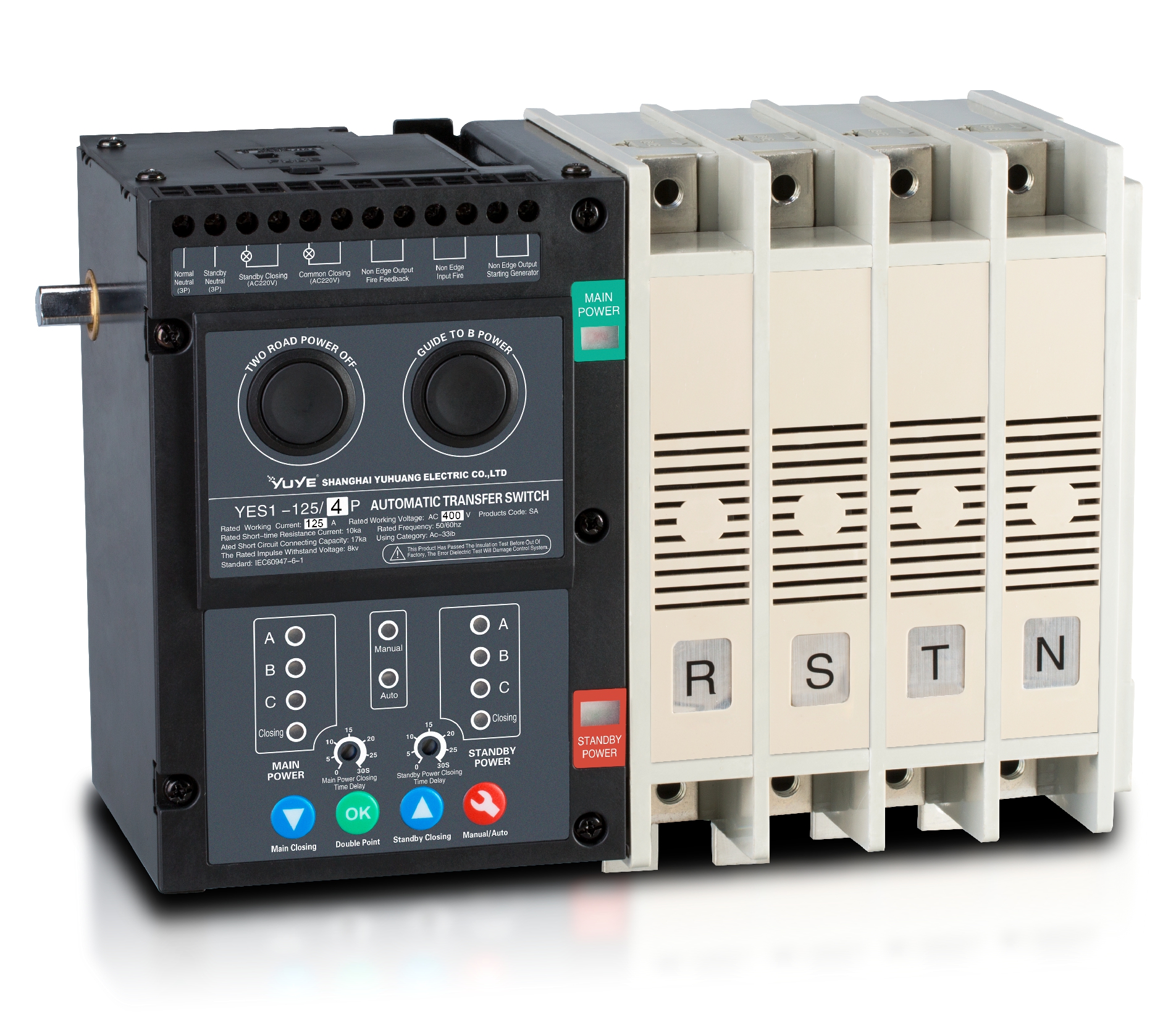 Solenoid-type ATS YES1-63~630SA
 Solenoid-type ATS YES1-63~630L/LA
 Solenoid-type ATS YES1-63~630LA3
 Solenoid-type ATS YES1-63MA
 PC ATS YES1-630~1600M
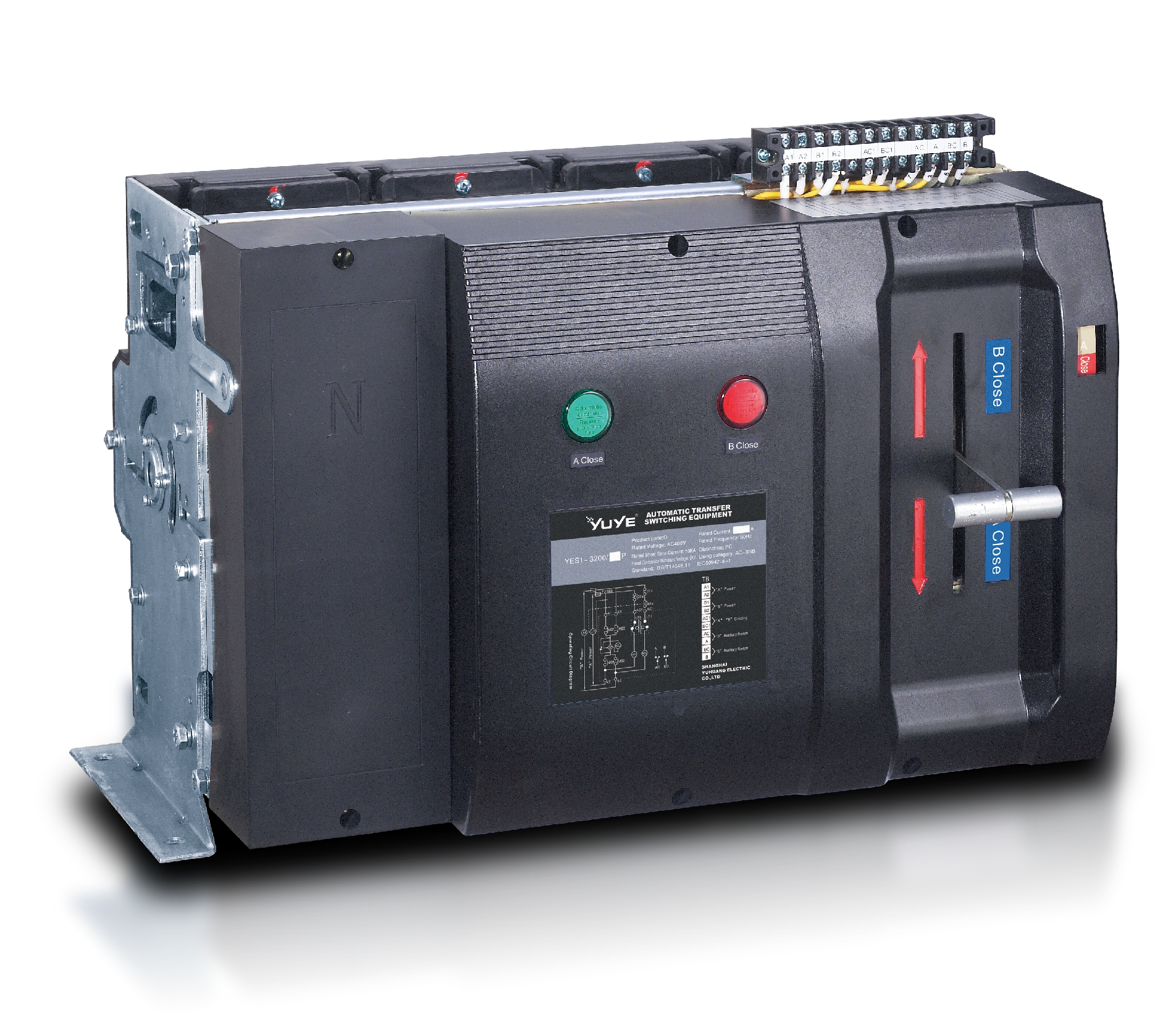 PC ATS YES1-3200Q
 Solenoid-type ATS YES1-4000~6300Q
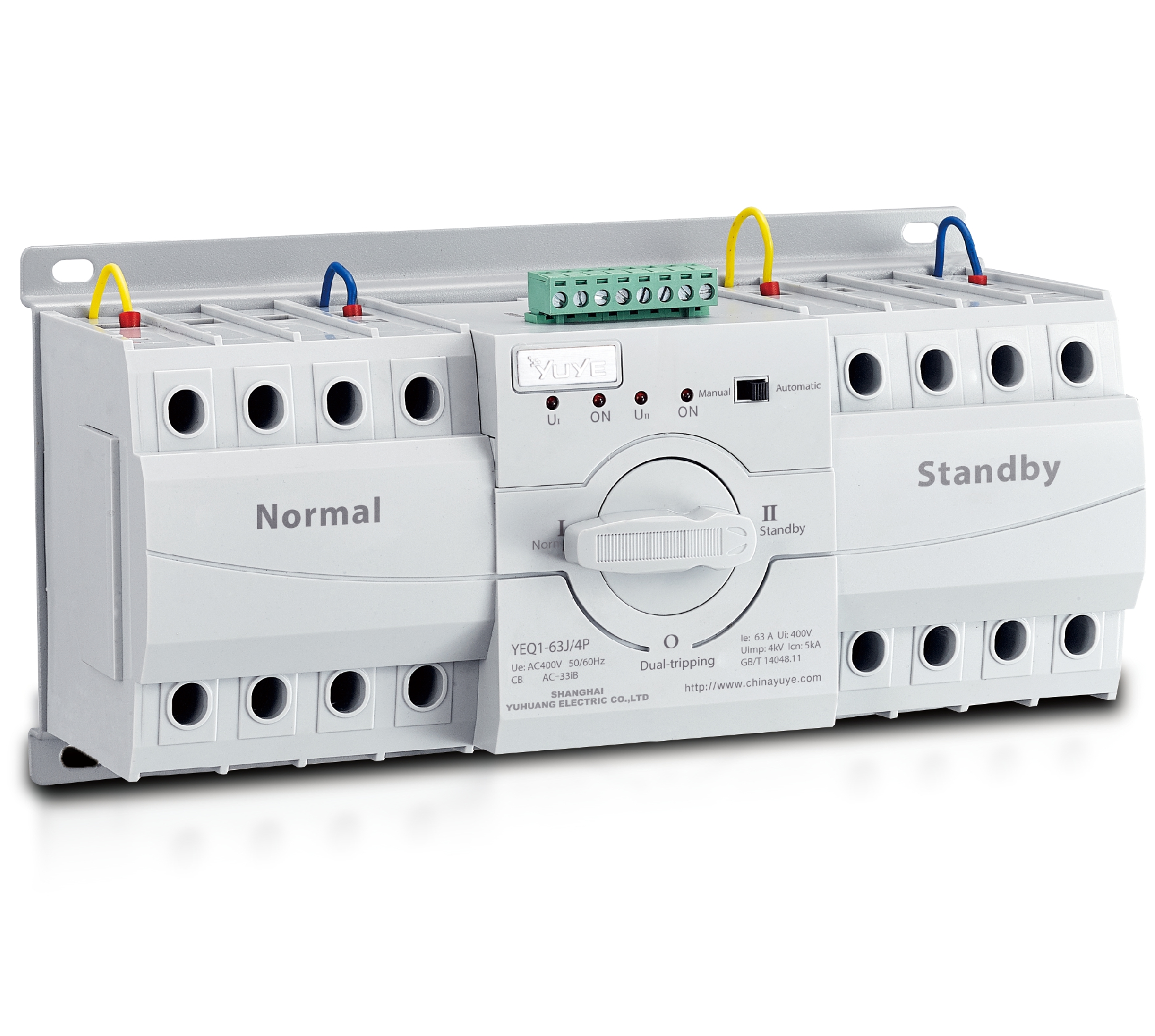 CB ATS YEQ1-63J
 CB ATS YEQ2Y-63
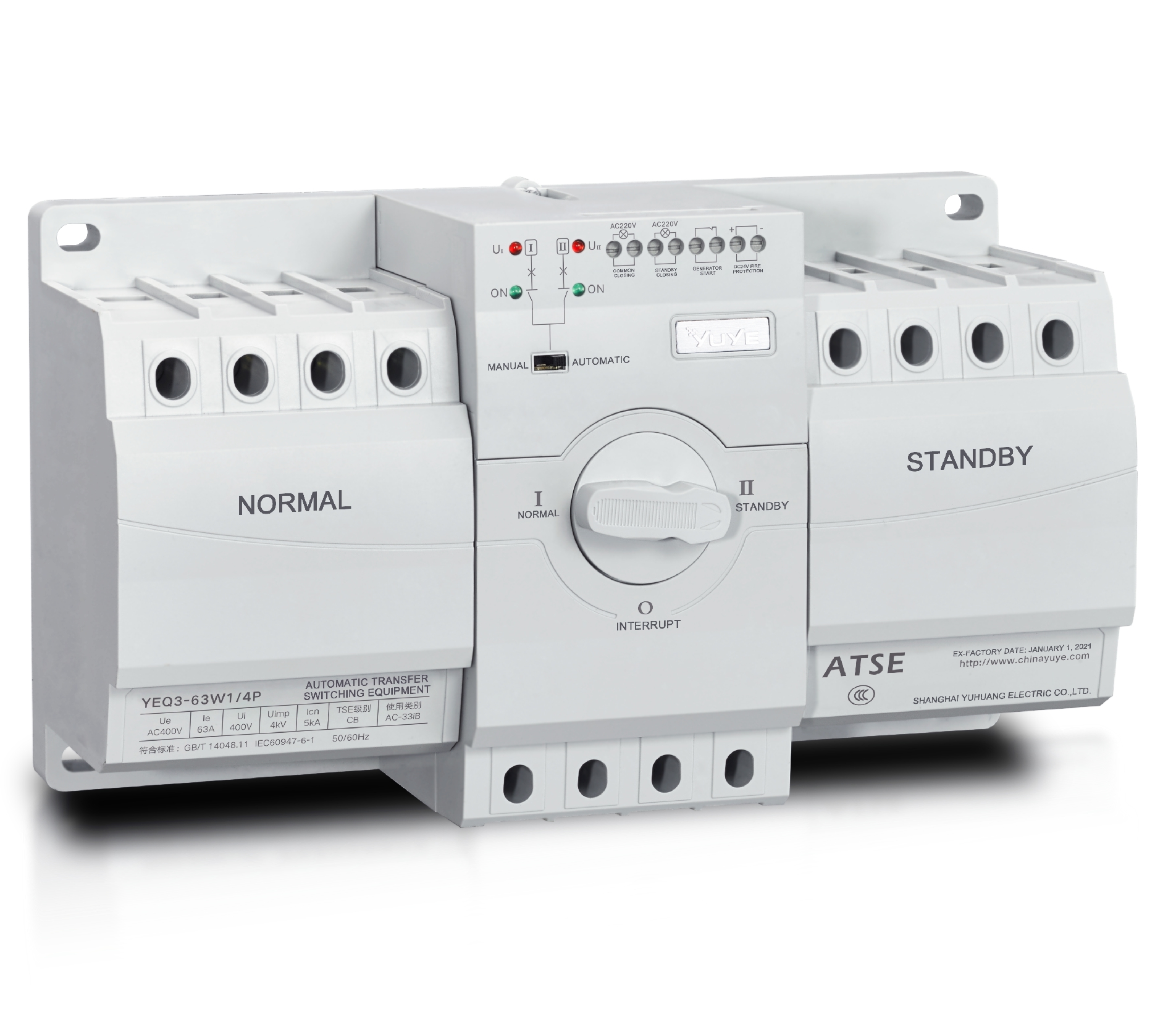 CB ATS YEQ3-63W1
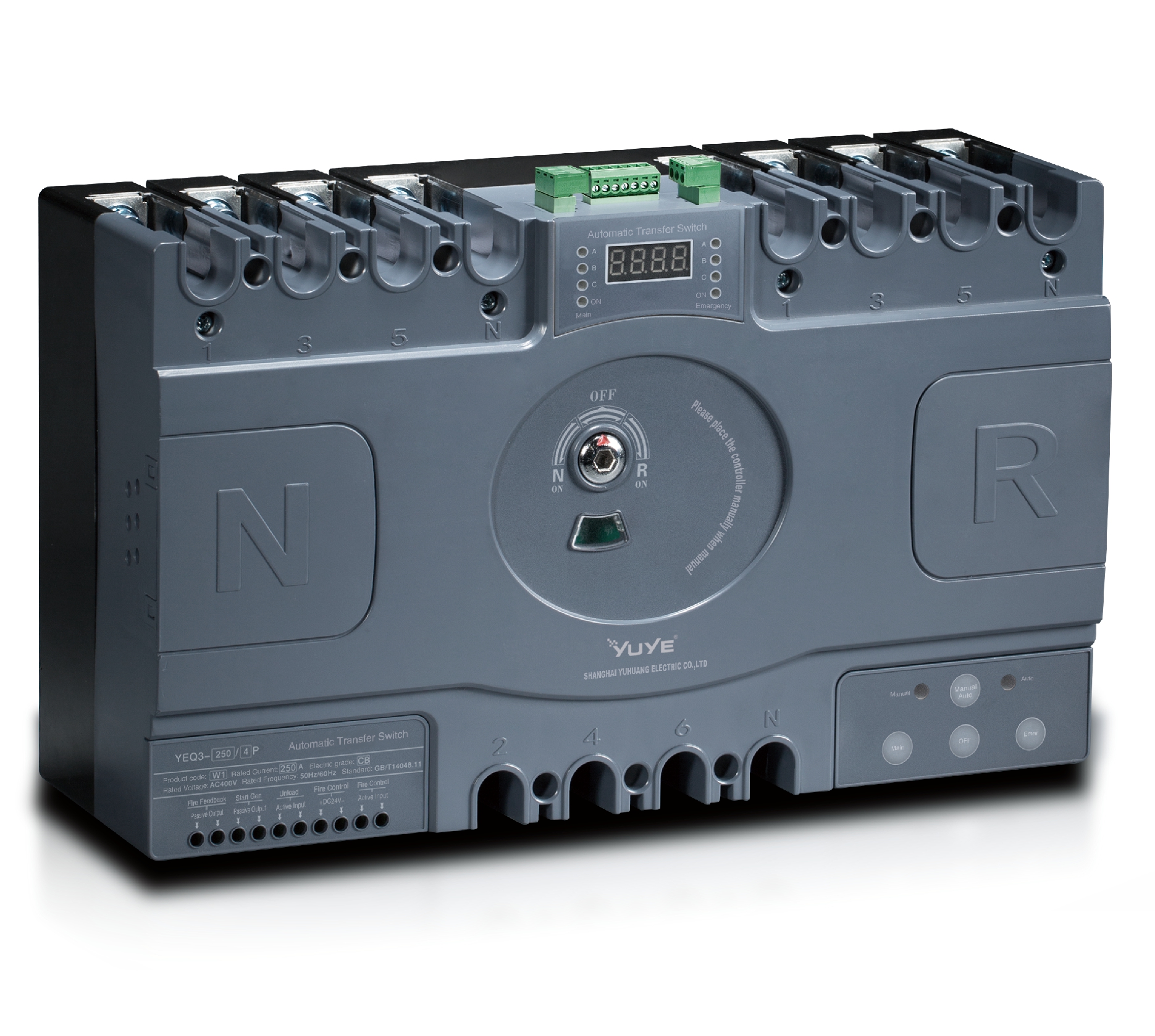 CB ATS YEQ3-125~630W1
 ATS controller Y-700
 ATS Controller Y-700N
 ATS Controller Y-701B
 ATS Controller Y-703N
 ATS Controller Y-800
 ATS Controller W2/W3 Series
 ATS switch Cabinet floor-to-ceiling
 ATS switch cabinet
 JXF-225A power Cbinet
 JXF-800A power Cbinet
 YEM3-125~800 Plastic Shell Type MCCB
 YEM3L-125~630 Leakage Type MCCB
 YEM3Z-125~800 Adjustable Type MCCB
 YEM1-63~1250 Plastic Shell Type MCCB
 YEM1E-100~800 Electronic Type MCCB
 YEM1L-100~630 Leakage Type MCCB
 Air Circuit Breaker YEW1-2000~6300
 Air Circuit Breaker YEW3-1600
 Miniature circuit breaker YEMA2-6~100
 Miniature circuit breaker YEB1-3~63
 Miniature circuit breaker YEB1LE-3~63
 Miniature circuit breaker YEPN-3~32
 Miniature circuit breaker YEPNLE-3~32
 Miniature circuit breaker YENC-63~125
 Load isolation switch YGL-63~3150
 Load Isolation Switch YGL2-63~3150
 DC relay YDC-P20
 DC relay YDC-P250
 DC relay YDC-P400
 DC relay MDC-300M
 DC relay YDC-M400
 DC Isolation Switch YEGL3D-630
 YECPS2-45~125 LCD
 YECPS-45~125 Digital
 CNC Milling/Turning-OEM
Solenoid Type ATS (Electromagnetic Automatic Transfer Switch) is a key equipment to ensure the continuity of power supply, widely used in various core scenarios. The scientific nature of its selection directly determines the reliability and operational efficiency of the power supply system. Mastering its selection logic and practical points is of great practical significance for relevant practitioners.
I. Core Parameter Analysis: Essential Current, Voltage and Switching Time Requirements for Solenoid Type ATS Selection
1.1 Current Parameter Selection: Reserve 10%-20% margin for rated current; short-circuit withstand current shall exceed the maximum expected value.
1.2 Voltage Parameter Adaptation: Rated voltage shall match the power system; select wide-voltage products for large voltage fluctuations.
1.3 Switching Time Requirements: 100ms-500ms for general scenarios; ≤100ms for core scenarios; comply with fire codes for emergency scenarios.
1.4 Core Parameter Linkage: Clarify priority; prioritize switching time and short-circuit current for core scenarios, economy for general ones.
II. Electromagnetic Drive Characteristics: Adaptation Principles and Practical Skills of Drive Mode in Solenoid Type ATS Selection
2.1 Electromagnetic Drive Advantages: Solenoid Type ATS has fast response, high reliability, low maintenance and energy-saving features.
2.2 Drive Voltage Selection: It is divided into DC (DC 24V, 110V) and AC (AC 220V, 380V). DC drive has strong anti-interference ability and is suitable for industrial scenarios; AC drive is convenient for wiring and suitable for general scenarios, and the stability of drive voltage shall be ensured.
2.3 Reliability Consideration of Drive Module: Priority shall be given to products with copper coils and high sealing grade, and reference shall be made to the service life parameters of the drive module (≥100,000 times) to reduce maintenance costs.
2.4 Matching of Drive Mode and Load: High-power drive modules shall be selected for heavy-load loads, conventional modules can be used for light-load loads, and anti-fatigue design modules shall be selected for frequent switching scenarios.

III. Practical Scenario Adaptation: Parameter Adjustment and Precautions for Solenoid Type ATS Selection in Different Industries
3.1 Industrial Scenario Selection: It shall be adapted to heavy-load and strong-interference environments, with more than 20% margin reserved for rated current, DC drive preferred, switching time of 200ms~500ms, protection grade ≥IP54, and compliance with relevant industrial safety standards.
3.2 Data Center Scenario Selection: Focus on high reliability and fast switching, switching time ≤100ms, 15% margin reserved for rated current, and select compliant products with large short-circuit withstand current and redundant design of drive module.
3.3 Fire Emergency Scenario Selection: It shall pass CCCF certification, have forced start and fault feedback functions, switching time ≤300ms, comply with fire protection specifications, and ensure smooth linkage with the fire control system.
3.4 Differences between General and Special Scenarios: Priority shall be given to economy in general scenarios, and targeted adjustments shall be made for special scenarios. For outdoor scenarios, the protection grade shall be ≥IP65, and suitable materials and modules shall be selected for high and low temperature scenarios.
IV. Selection Verification Methods: On-site Detection and Compliance Judgment of Core Parameters of Solenoid Type ATS
4.1 On-site Detection Process: Use multimeters, oscilloscopes and other tools to detect current, voltage, switching time and drive module reliability to ensure that parameters meet requirements and the mechanism operates smoothly.
4.2 Verification Standards and Qualification Judgment: According to relevant standards, the current error shall be ≤±5%, the voltage fluctuation shall be ≤±10%, the switching time error shall be ≤±10%, and the stable operation of the equipment shall be qualified.
4.3 Compliance Judgment: Check the product certificate, test report and parameter identification to ensure compliance with relevant IEC/GB standards, and special scenarios shall meet corresponding industry specifications.
4.4 Adjustment for Unqualified Verification: According to the reasons for disqualification, recalculate the load, replace the adapted equipment or adjust parameters, optimize the selection scheme and re-verify.
V. Common Selection Mistakes: Pitfall Avoidance Guide and Optimization Scheme for Solenoid Type ATS Parameter Selection
5.1 Mistake 1: Ignoring working condition adaptation. The optimization scheme is to investigate the actual working conditions and reasonably reserve parameter margins.
5.2 Mistake 2: Ignoring the matching between drive voltage and power supply system. The optimization scheme is to clarify the power supply type and voltage, select the adapted drive mode, and add voltage stabilizing equipment if necessary.
5.3 Mistake 3: Unreasonable scenario adaptation. The optimization scheme is to clarify the core needs of the scenario and select targeted products.
5.4 Pitfall Avoidance and Optimization: Select compliant and certified products, refer to manufacturer’s technical manuals and industry cases, establish a full-process selection system, and ensure the stable operation of the selected Solenoid Type ATS.
Conclusion
1. Core of Selection: Follow the logic of “parameter adaptation, scenario matching and compliance verification”, clarify the requirements of core parameters, and adjust strategies according to drive characteristics and scenarios.
2. Selection Suggestions: Investigate working conditions, avoid mistakes, give priority to products from technologically mature and reputable manufacturers, and invite professional engineers to participate in complex scenarios.
3. Outlook: With the intelligent development of the power system, the selection of Solenoid Type ATS will be upgraded to intelligence, improving selection efficiency and equipment reliability.
Content Sources
1. “Low-voltage Switchgear and Controlgear – Part 1: General Rules” (GB 14048.1)
2. “Low-voltage Switchgear and Controlgear – Part 6-1: Multi-function Equipment – Automatic Transfer Switchgear” (GB/T 14048.11)
3. “Code for Fire Protection Design of Tall Buildings”
4. “Technical Standard for Fire Emergency Lighting and Evacuation Indicating System”
5. “Code for Design of Data Centers” (GB 50174)
6. “Code for Design of Low-voltage Distribution Systems” (GB 50054)
7. Technical manuals of mainstream equipment manufacturers such as YUYE and Lvma Electric
8. ATS technical data released by PAKTECHPOINT
FAQ
Q1: Compared with mechanically driven ATS, which one should be preferred when selecting Solenoid Type ATS?
A1: Core scenarios: Solenoid Type ATS; General scenarios: Mechanically driven ATS.
Q2: How to accurately calculate the rated current of Solenoid Type ATS?
A2: Rated current = Calculated current × (1.1~1.2); consider starting current for inductive loads.
Q3: In addition to parameter adaptation, what other requirements should be noted in the selection of Solenoid Type ATS for fire scenarios?
A3: Pass CCCF certification, have forced start/fault feedback, comply with fire codes, IP≥IP54.
Q4: If the on-site verification fails after the selection of Solenoid Type ATS, how to adjust it quickly?
A4: Replace adapted equipment/adjust parameters, then re-verify.
Q5: What is the main basis for selecting DC or AC drive voltage for Solenoid Type ATS?
A5: Based on power system type and electromagnetic interference; DC for industry, AC for general use.
