
 PC ATS YECT1-2000G
 PC ATS YES2-63~250GN1
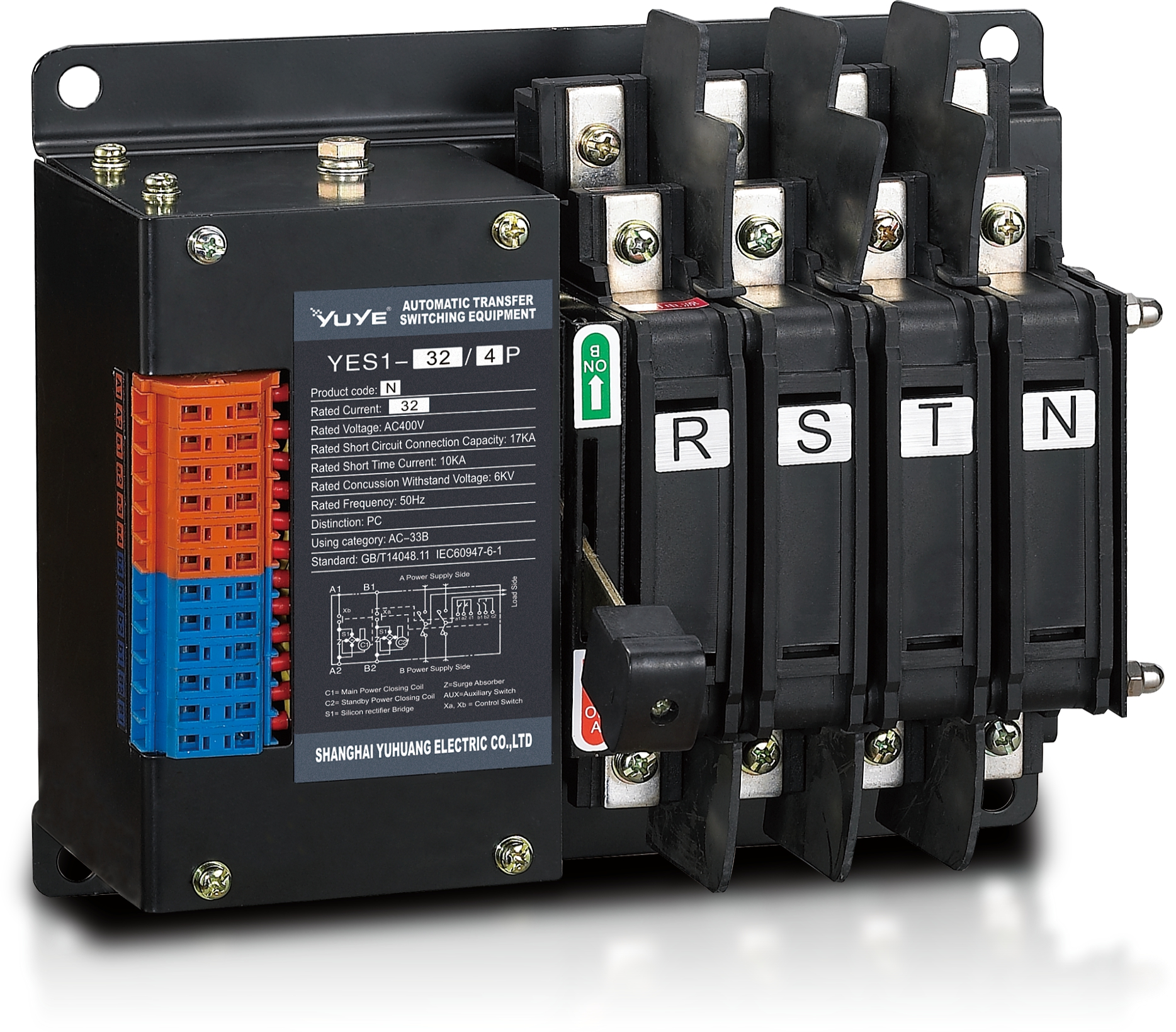 Solenoid-type ATS YES1-32~125N
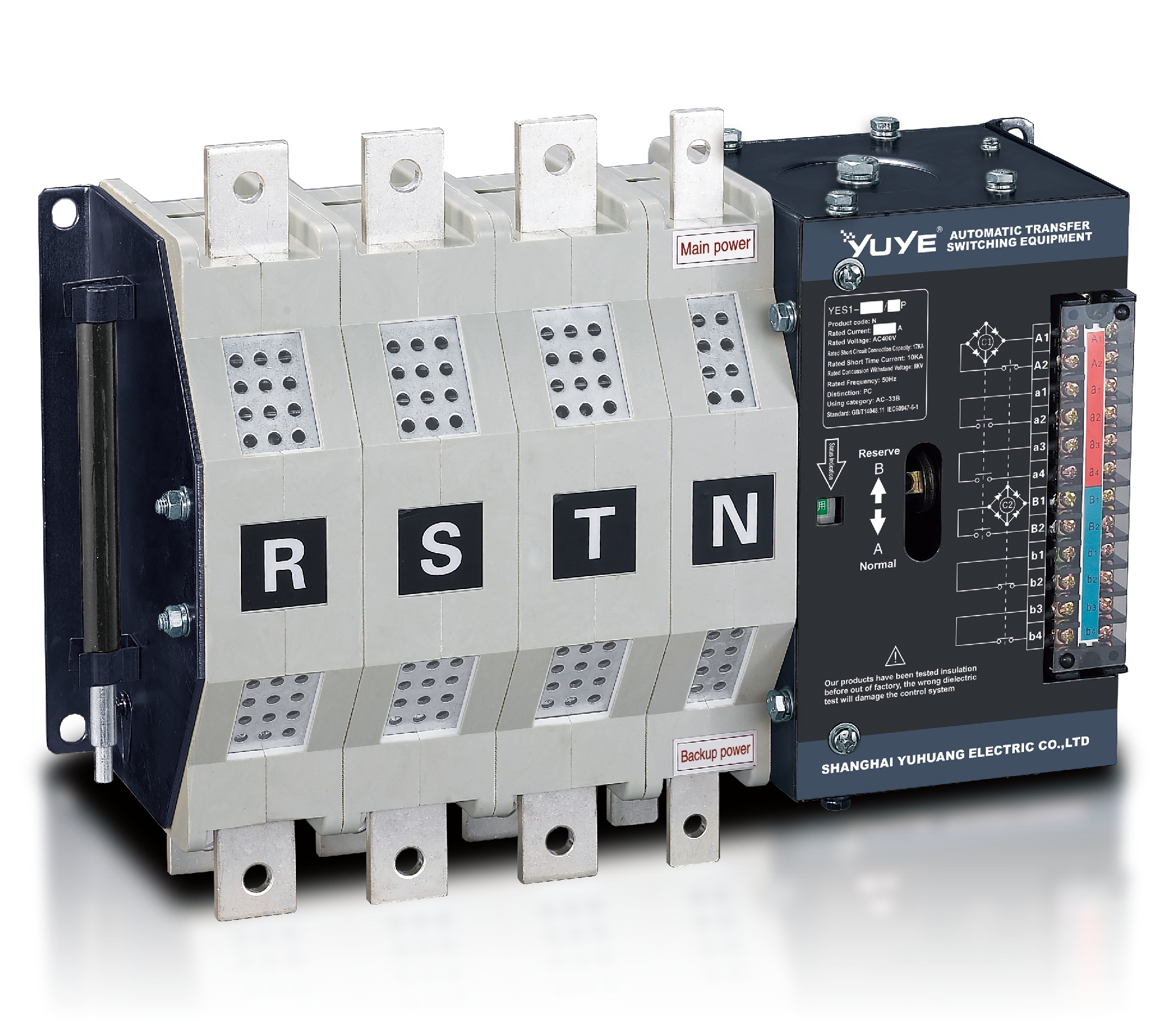 Solenoid-type ATS YES1-250~630N/NT
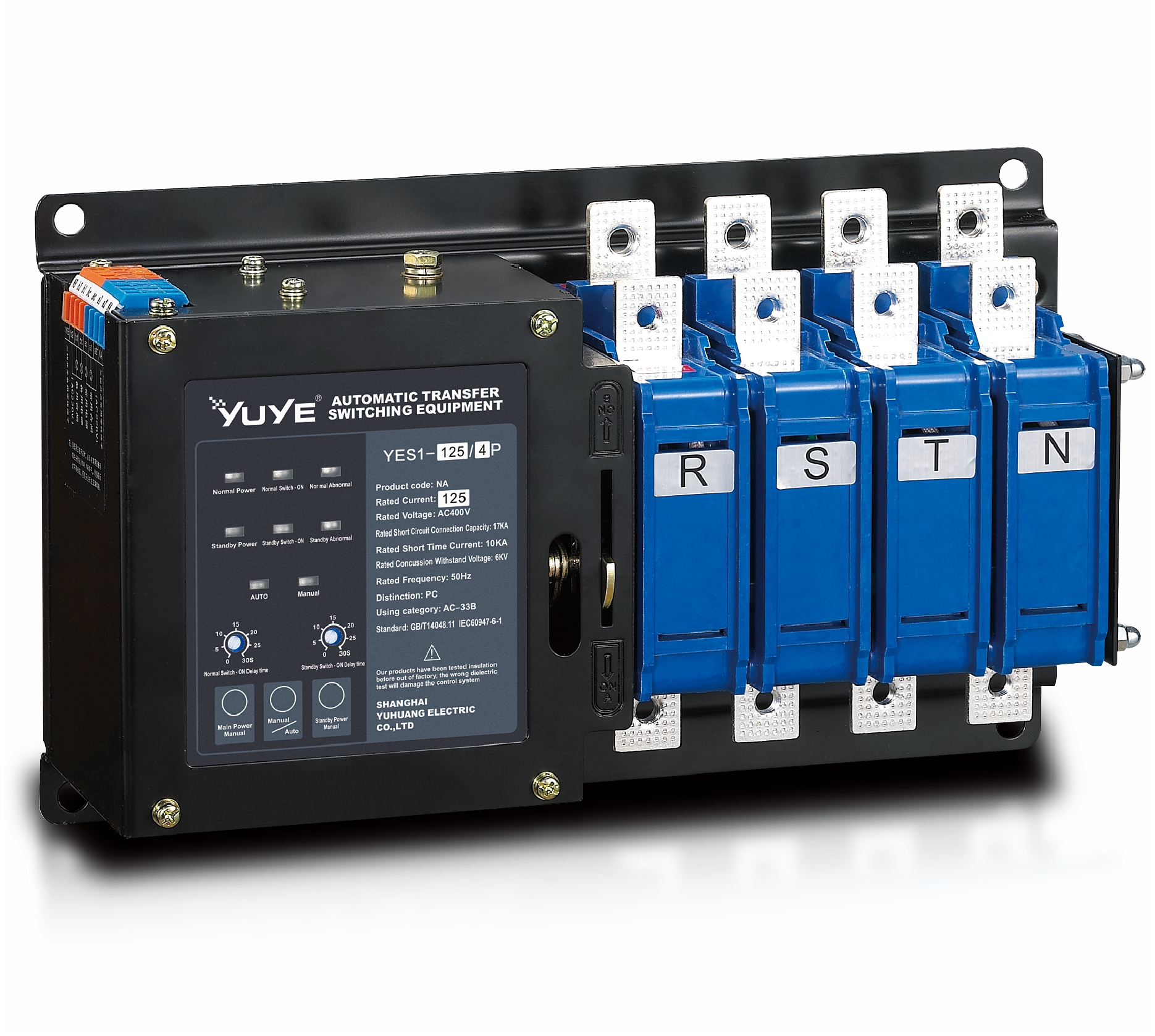 Solenoid-type ATS YES1-32~125NA
 Solenoid-type ATS YES1-63~630SN
 Solenoid-type ATS YES1-1250~4000SN
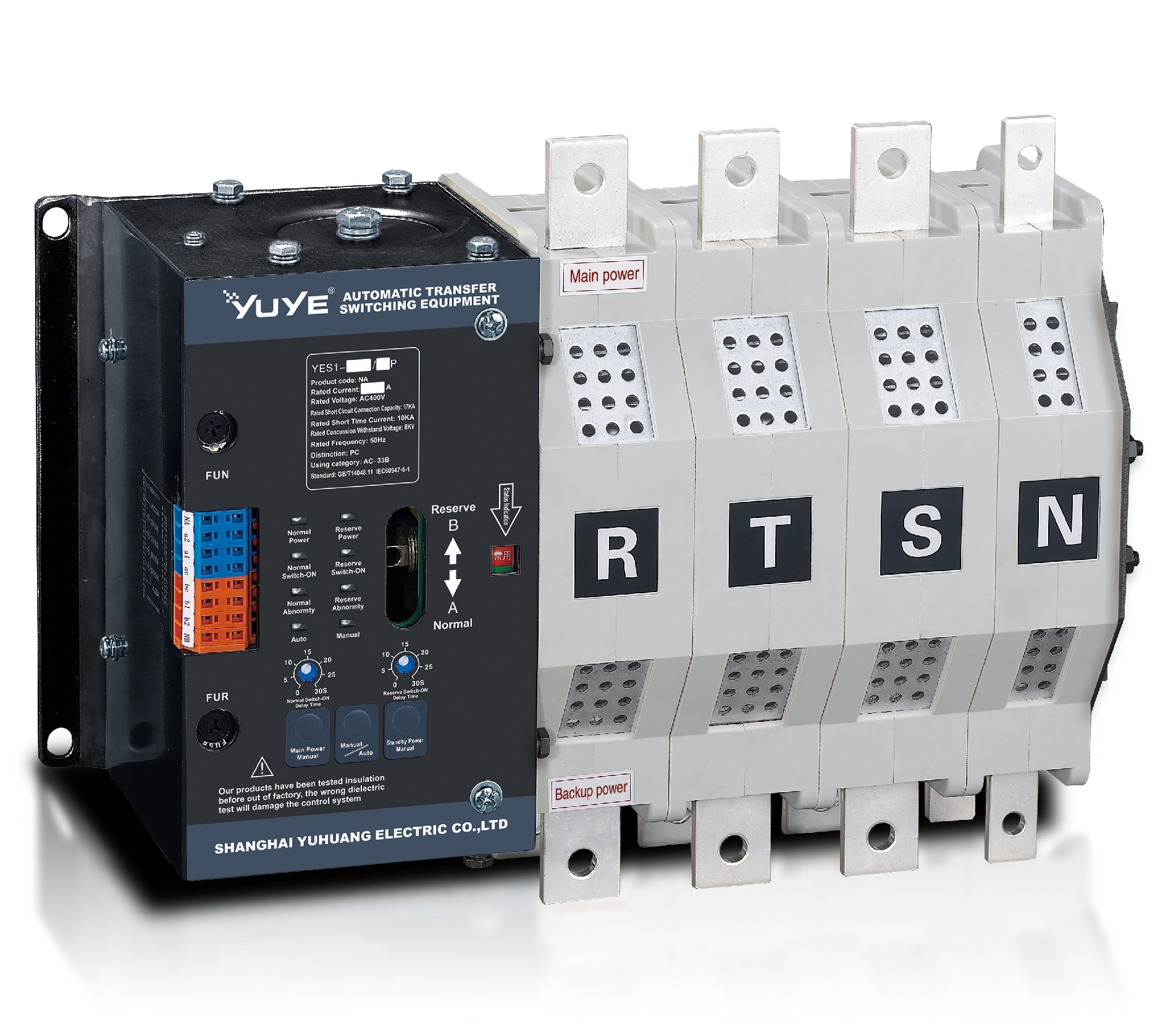 Solenoid-type ATS YES1-250~630NA/NAT
 Solenoid-type ATS YES1-63NJT
 PC ATS YES1-100~1600GN1/GN/GNF
 PC ATS YES1-2000~3200GN/GNF
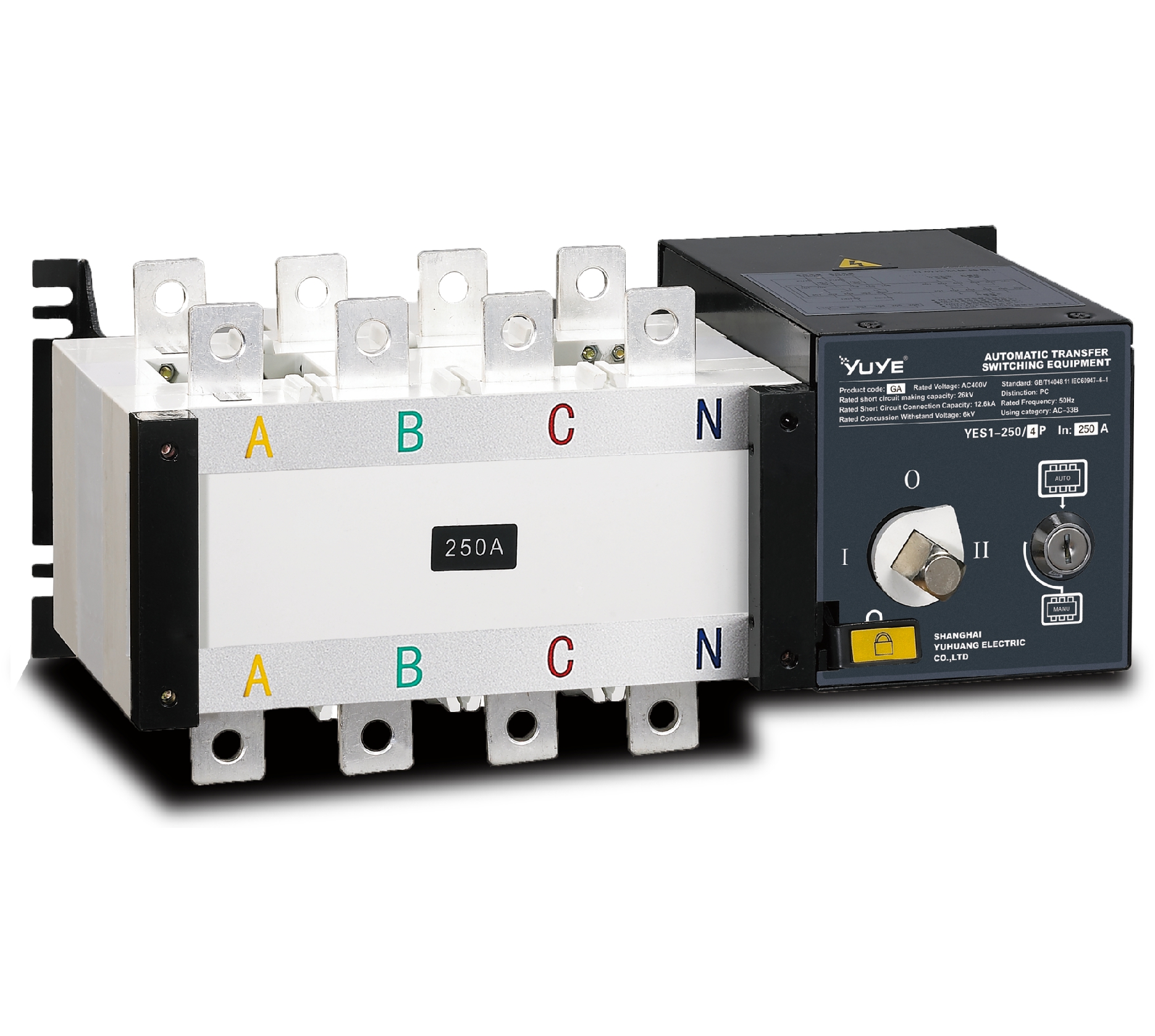 PC ATS YES1-100~3200GA1/GA
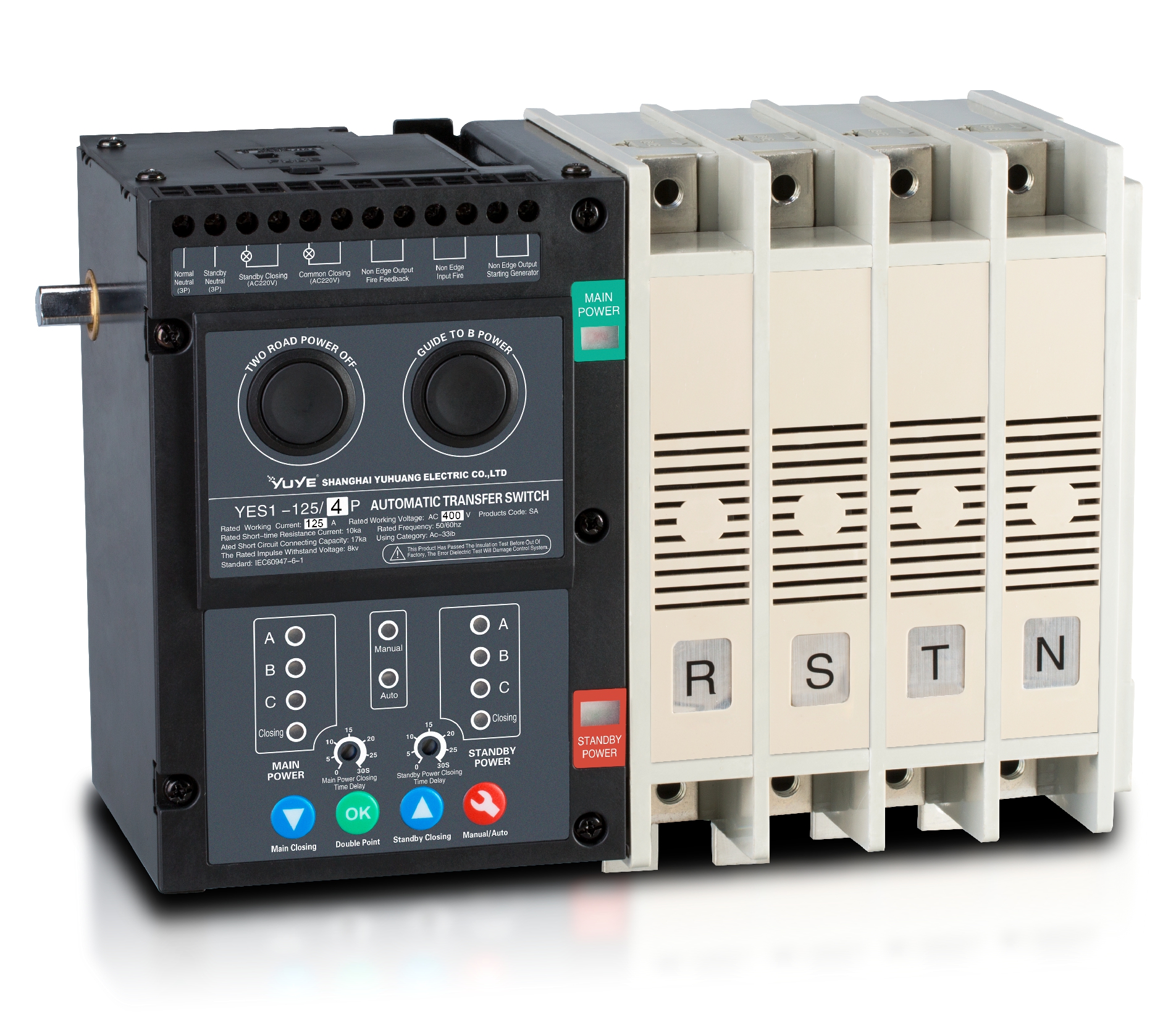 Solenoid-type ATS YES1-63~630SA
 Solenoid-type ATS YES1-63~630L/LA
 Solenoid-type ATS YES1-63~630LA3
 Solenoid-type ATS YES1-63MA
 PC ATS YES1-630~1600M
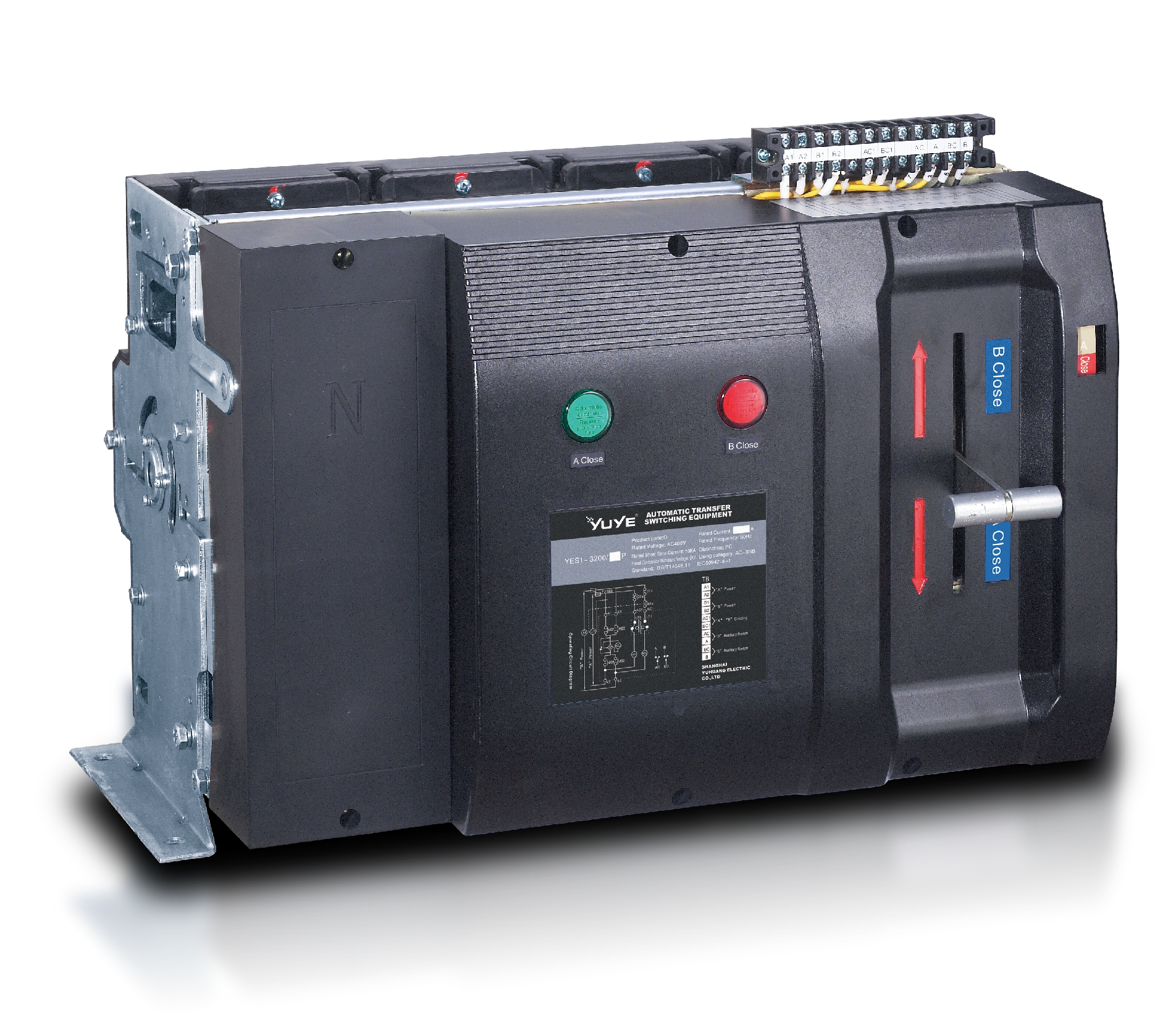 PC ATS YES1-3200Q
 Solenoid-type ATS YES1-4000~6300Q
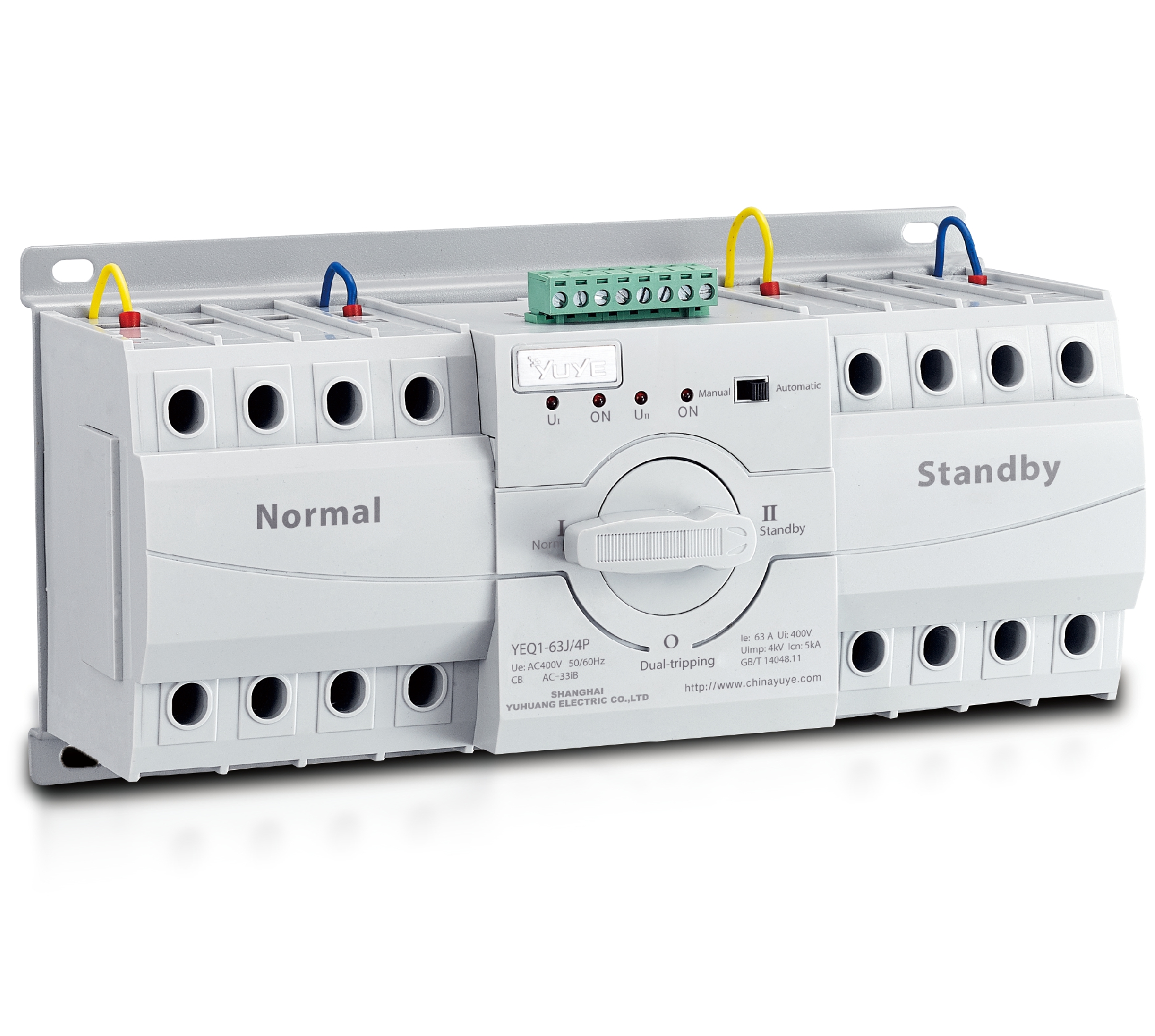 CB ATS YEQ1-63J
 CB ATS YEQ2Y-63
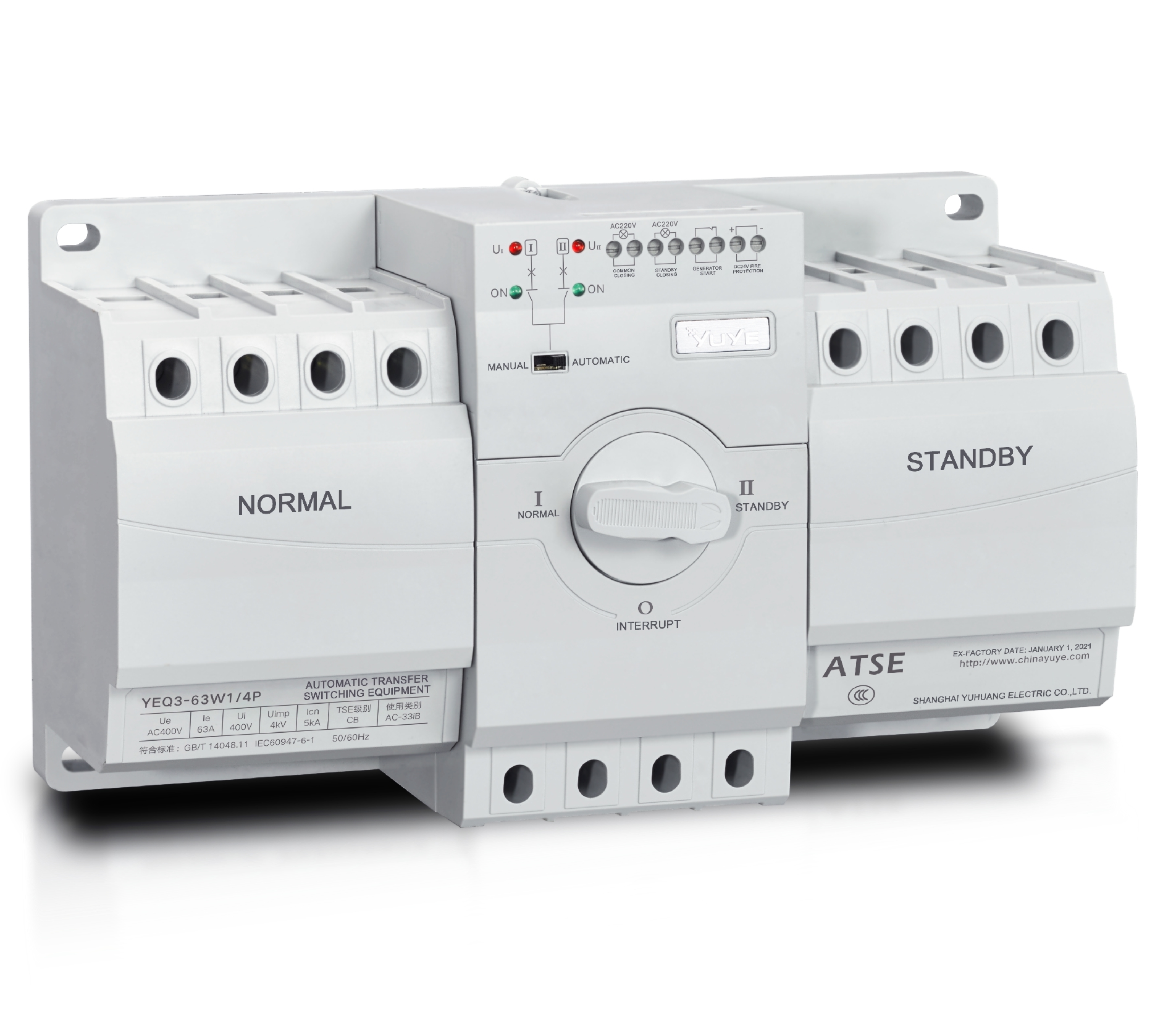 CB ATS YEQ3-63W1
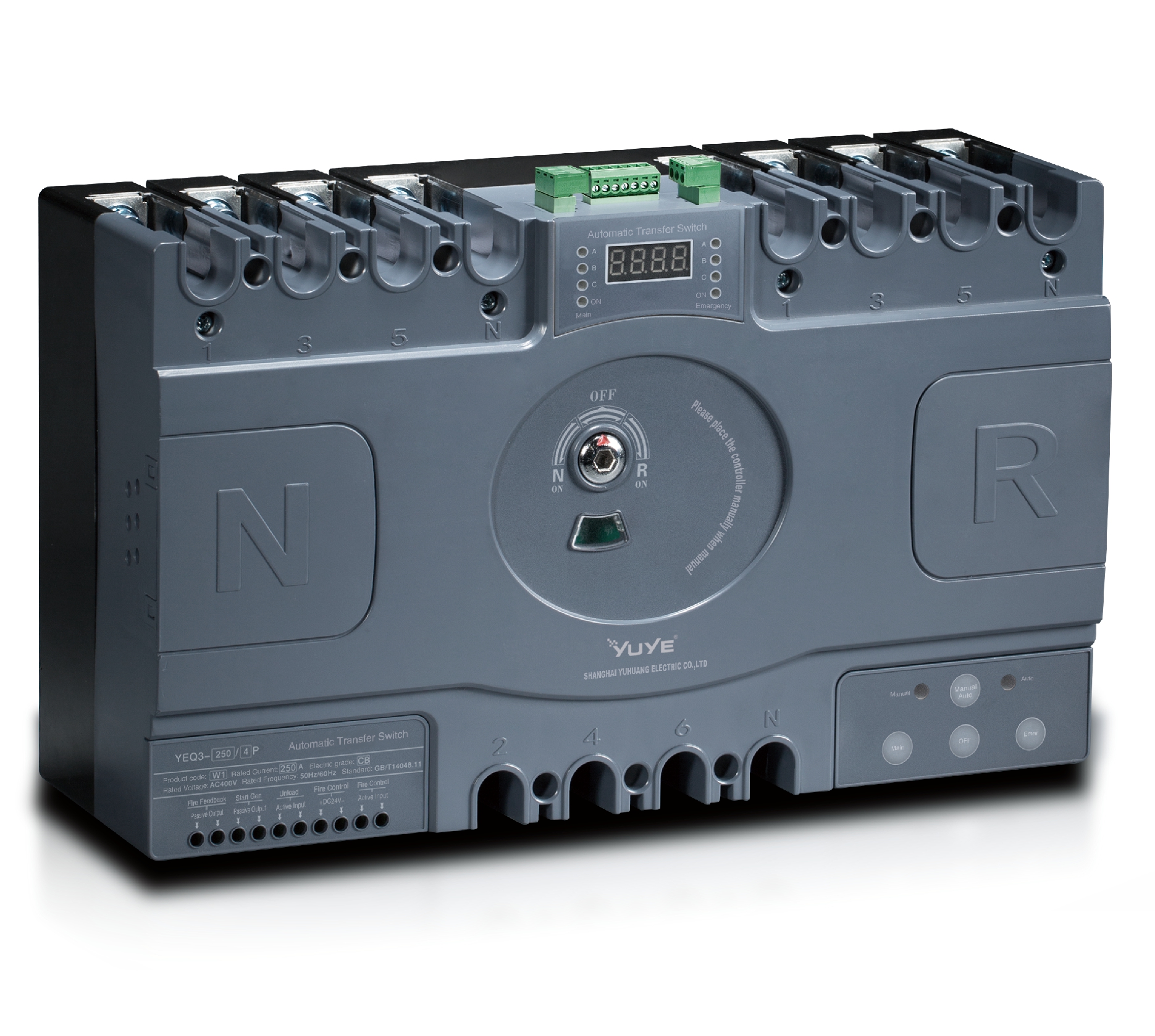 CB ATS YEQ3-125~630W1
 ATS controller Y-700
 ATS Controller Y-700N
 ATS Controller Y-701B
 ATS Controller Y-703N
 ATS Controller Y-800
 ATS Controller W2/W3 Series
 ATS switch Cabinet floor-to-ceiling
 ATS switch cabinet
 JXF-225A power Cbinet
 JXF-800A power Cbinet
 YEM3-125~800 Plastic Shell Type MCCB
 YEM3L-125~630 Leakage Type MCCB
 YEM3Z-125~800 Adjustable Type MCCB
 YEM1-63~1250 Plastic Shell Type MCCB
 YEM1E-100~800 Electronic Type MCCB
 YEM1L-100~630 Leakage Type MCCB
 Air Circuit Breaker YEW1-2000~6300
 Air Circuit Breaker YEW3-1600
 Miniature circuit breaker YEMA2-6~100
 Miniature circuit breaker YEB1-3~63
 Miniature circuit breaker YEB1LE-3~63
 Miniature circuit breaker YEPN-3~32
 Miniature circuit breaker YEPNLE-3~32
 Miniature circuit breaker YENC-63~125
 Load isolation switch YGL-63~3150
 Load Isolation Switch YGL2-63~3150
 DC relay YDC-P20
 DC relay YDC-P250
 DC relay YDC-P400
 DC relay MDC-300M
 DC relay YDC-M400
 DC Isolation Switch YEGL3D-630
 YECPS2-45~125 LCD
 YECPS-45~125 Digital
 CNC Milling/Turning-OEM
I. Preface
In modern industrial automation systems, the Solenoid Type Ats is a critical executive component that controls medium flow and ensures system operation. Its installation quality directly impacts operational stability, reliability, and equipment service life. Improper installation causes malfunctions, safety risks, and higher maintenance costs. This article analyzes its core installation points (direction, fixing, commissioning), with references and concise FAQs to guide on-site technicians.
II. Direction Control: Medium Flow and Installation Angle
Correct installation direction is essential, involving medium flow and angle. Strictly follow the valve body’s arrow to align medium flow; reverse installation jams the valve core, causes leakage, and accounts for 30% of early failures, so confirm inlet/outlet directions repeatedly.
Install vertically upward (horizontal allowed for special cases) to ensure flexible valve core reset. Avoid inclined installation and place the equipment away from dripping water, high temperature, and strong vibration to protect internal components.
Avoid common mistakes: ignoring the flow arrow, excessive angle deviation, and improper positioning. Use a level to calibrate the angle and choose a maintenance-friendly position.
III. Fixing Method Details
Fixing stability affects vibration and accuracy. Select fixing points based on equipment size: small Solenoid Type Ats on wall/pipeline brackets, large ones on the ground or dedicated bases, avoiding interfaces and reserving operation space.
Use matching wrenches; control torque (M8:15-20N·m; M10:25-30N·m) to prevent deformation or looseness. For concrete walls, use expansion bolts; for brick walls, use lengthened bolts; for ground installation, pour a level base and add shock-absorbing pads.

IV. Core Commissioning Steps
Post-installation commissioning includes no-load and load stages. Pre-commissioning: check installation integrity, pipeline cleanliness, and wiring; prepare tools and record forms.
No-load commissioning: energize, test start-stop (3-5 times) for flexible action and normal electrical parameters. Load commissioning: simulate working conditions, introduce medium, check for leakage, and compare recorded parameters with standards.
V. Direction and Fixing Correlation
Direction and fixing are interdependent. Direction deviation causes abnormal vibration, loosening bolts; adjust direction, correct angle, and re-fasten bolts. Irregular fixing tilts equipment; adjust fixing first, then re-calibrate direction.
VI. Common Commissioning Troubleshooting
Common faults: abnormal start-stop, stuck action, abnormal signals. Troubleshoot installation first (direction, fixing, wiring), then equipment and working conditions. Adjust direction/wiring, calibrate angle, or replace components as needed; conduct regular maintenance.
VII. Summary
Solenoid Type Ats installation relies on direction, fixing, and commissioning. Standard operation ensures stable performance. Grasping installation details exerts the design performance of the Solenoid Type Ats and ensures system efficiency.
VIII. Reference Sources
1. Zhonglong Dingkong®. How to Select Solenoid Valves and Installation Notes [EB/OL]. 2023-09-18. (Core: Installation direction and protection)
2. Shunqi Network. American ASCO Solenoid Valve Maintenance [EB/OL]. 2026-04-10. (Core: Commissioning troubleshooting)
3. Engineering Lecture Hall. Non-standard Selection Document [EB/OL]. 2025-11-20. (Core: Fixing torque and brackets)
4. Zhaoyang Talks About Safety. Pneumatic Actuator Guide [EB/OL]. 2019-10-26. (Core: Installation and commissioning process)
5. Guofuzi Non-standard Automation. Pneumatic System Maintenance [EB/OL]. 2024-01-13. (Core: Fixing strength and vibration protection)
IX. FAQ
Q1: What happens if medium flow is reverse during installation?
A1: Reverse flow jams the Solenoid Type Ats valve core and causes damage, so follow the arrow.
Q2: What’s the impact of excessive fastening torque?
A2: Excessive torque deforms the valve body and damages seals, so control it as required.
Q3: Why does action get stuck during commissioning?
A3: It’s mainly caused by angle deviation, loose fixing, impurities or damaged seals.
Q4: Need to regularly check direction and fixing?
A4: Yes, monthly checks prevent bolt looseness and angle deviation affecting the Solenoid Type Ats.
Q5: What’s the use of commissioning parameter records?
A5: They help with later maintenance and fault diagnosis to extend equipment life.
