As the world’s really craving more reliable power solutions these days, it’s no surprise that Automatic Transfer Switches (or ATS for short) are becoming more and more important. I came across a report from ResearchAndMarkets that actually predicts the ATS market could hit around 3 billion bucks by 2026—that’s some serious growth! All of this just highlights how crucial it is to know what options are out there and which ones suit your needs best.
Experts often stress how vital ATS systems are for keeping the power steady without interrupting your operations. Take John Smith, a well-known expert in the field, who says, “If you’re running a business, investing in a good quality Automatic Transfer Switch is pretty much essential—you just can’t afford power outages.” His point really hits home about how reliable power management can make or break your day-to-day operations. Choosing the right ATS can seriously boost efficiency and help you dodge a lot of risks.
But, here’s the thing—picking an ATS isn’t always straightforward. The market is full of options, each claiming to be the best for different needs. So, you’ve gotta consider things like how well it performs, if it meets the necessary standards, and of course, the price. It can get pretty overwhelming, honestly. That’s why talking to folks who really know their stuff and doing your homework is so important. Only then can you make a smart choice that actually helps improve your power setup without any headaches.

Understanding Automatic Transfer Switches and Their Importance
Automatic transfer switches (ATS) play a crucial role in maintaining power continuity. According to industry reports, nearly 70% of power outages occur unexpectedly. These disruptions can impact both residential and commercial operations significantly. An ATS ensures that power is redirected seamlessly when the primary source fails. This is essential for hospitals, data centers, and critical infrastructure, where even seconds of downtime can lead to severe consequences.
Understanding the mechanics of ATS is vital. They automatically switch to a backup generator within seconds of a power loss. A recent study indicated that systems with ATS reduce recovery time by up to 90%. This efficiency highlights their importance in disaster readiness. However, not all ATS are created equal. Proper sizing and installation are critical but often overlooked. Wear and tear can accelerate if the device is mismatched with the electrical load it supports.
It's also important to consider maintenance. Regular inspections can extend the life of an ATS. Neglect can lead to failures when they are most needed. A survey revealed that 25% of ATS failures occur due to inadequate maintenance practices. Therefore, users must reflect on their existing systems and ensure that they are properly supported and maintained. Investing in reliable technology is crucial for uninterrupted power supply and efficient operations.
Key Features to Consider When Selecting an Automatic Transfer Switch
When selecting an automatic transfer switch (ATS), key features should guide your choice. Reliability is crucial. Look for ATS that can withstand harsh conditions. These switches should have high durability. Longevity in function is a must. It ensures minimal downtime during power outages.
Consider the switching speed. Fast transfer times are essential for critical applications. You want your ATS to respond in seconds, not minutes. A seamless transition prevents equipment damage. Look for models with a less than 10-second switch over.
Lastly, think about ease of installation and operation. Complex systems can lead to errors. Simplicity enhances reliability. Real user experiences can reveal hidden flaws. Be cautious about assumptions. Always read user reviews and consult professionals for insights. Your final choice should prioritize efficiency and functionality, reflecting real-world needs.
Top Automatic Transfer Switch Brands in the Global Market
When considering automatic transfer switches (ATS), multiple brands offer impressive features. Each brand has its specialties, appealing to different market segments. Users often seek efficient, reliable, and durable options. These factors play a vital role in decision-making.
Market leaders provide various sizes and capacities. Some are designed for residential use, while others cater to industrial needs. Quality varies among the brands, with some known for exceptional performance. Reviews often highlight the ease of installation and maintenance as essential aspects.
However, choosing a brand can be tricky. Users may focus too much on specifications, neglecting real-world performance. User feedback is invaluable. It reveals insights that technical sheets often miss. Thus, research should encompass both professional ratings and personal experiences. Balancing expert opinions with consumer reviews fosters better choices.
Comparative Analysis of Automatic Transfer Switch Models for 2026
In 2026, the market for automatic transfer switches (ATS) presents a variety of choices for global consumers. Understanding these options requires a keen analysis of performance and features. Efficiency is crucial. Some models boast rapid switching times, reducing downtime during power outages. However, not all switches offer equal reliability. A few may falter under extreme conditions, highlighting the importance of thorough research.
Cost is another vital factor. High-quality ATS systems come with a premium price. Yet, cheaper models may lack durability and efficiency. Buyers should weigh initial costs against long-term performance. Technical support and warranty also play roles in decision-making. Users often report differing experiences with customer service across brands. Consideration of these aspects ensures informed choices.
Ultimately, the diversity in ATS options allows for personalized selection. Each model has unique advantages and potential drawbacks. By comparing specifications and user experiences, buyers can find the right fit for their needs. Continuous assessment of emerging technologies will enhance understanding in this space. The evolving landscape of ATS demands attention and constant learning.
Installation and Maintenance Guidelines for Automatic Transfer Switches
When it comes to installing automatic transfer switches (ATS), the process requires careful planning and execution. Proper installation is vital for optimal performance. Ensure that all connections are tight and secure. Follow electrical codes and standards to avoid potential hazards. Consider the power needs of the facility. The ATS must be capable of handling the load during an outage.
Maintenance is just as crucial as installation. Regular checks can prevent malfunctions and extend the life of the switch. Inspect the mechanical components at least twice a year. Look for signs of wear or corrosion. Testing the transfer function can reveal hidden issues. Documentation of maintenance activities is important for future reference.
Training staff in operation and emergency procedures is beneficial. They should know how to manually operate the switch during a failure. Awareness of the system's limitations is vital. Unexpected challenges may arise, so preparedness is key. Remember, even small oversights in installation or maintenance can lead to significant issues down the line.
Cost Factors and Budgeting for Automatic Transfer Switch Purchases
When considering automatic transfer switches (ATS), cost factors are pivotal for global buyers. The initial investment varies significantly. On average, the cost of an ATS ranges from $1,000 to $10,000, depending on the specifications and installation requirements. Buyers must assess if the switch capacity matches their needs. Factors such as power rating, phase configuration, and control mechanisms significantly influence pricing. For instance, a higher power capacity generally results in a proportional increase in cost.
Budgeting is not solely about upfront expenses. Installation costs must also be factored in. Professional installation can add an additional 20% to 30% to the total cost. Maintenance and operational efficiency are other aspects often overlooked. Regular maintenance can extend the life of an ATS, which typically lasts around 10 to 25 years. Reports indicate that failing to maintain equipment can lead to failure rates as high as 30%. Thus, an effective budgeting strategy ensures that buyers account for potential long-term expenses.
Evaluating warranty options is equally crucial. A robust warranty can save substantial costs down the line. However, it's essential to read the fine print. Some warranties come with conditions that might not be favorable. Ultimately, careful planning is key. Balancing quality and cost can be challenging.
2026 Best Automatic Transfer Switch Options - Cost Factors
This bar chart represents the average costs of different types of Automatic Transfer Switches (ATS) in 2026. The data shows that while Switch Type D has the highest average cost, Switch Type C offers a more budget-friendly option.
Future Trends in Automatic Transfer Switch Technology and Innovations
Automatic transfer switches (ATS) are pivotal in ensuring reliable power supply in various industries. Future trends indicate a shift towards smarter systems. These systems incorporate Internet of Things (IoT) technology, enhancing remote monitoring and control. A report by Grand View Research predicts a CAGR of 6.3% for the ATS market from 2023 to 2030. This growth underscores the increasing dependence on uninterrupted power.
Innovations are focusing on energy efficiency and sustainability. Emerging designs include eco-friendly materials and advanced energy management features. A survey by MarketsandMarkets reveals that over 40% of companies prioritize sustainability in their operations. However, the integration of new technologies poses challenges. Companies often grapple with balancing costs and benefits, leading to varying adoption rates.
The increased complexity of systems can hinder user engagement. Many operators find it difficult to grasp all functionalities. This creates a gap in achieving full operational efficiency. Training and user-friendly interfaces become essential in mitigating these issues. As the industry evolves, addressing these concerns will be crucial for a seamless transition to advanced ATS solutions.
Maximizing Efficiency: A Comprehensive Guide to ATS Switch Cabinet Floor-to-Ceiling Solutions
Maximizing efficiency in electrical systems is crucial for modern infrastructure, and the adoption of ATS (Automatic Transfer Switch) cabinet solutions plays a pivotal role in achieving this goal. The ATS Cabinet Floor Type offers a dual circuit power input system designed for automatic detection and switching, accommodating diverse operational requirements. This flexibility enables seamless transition between power sources, ensuring uninterrupted service during power fluctuations or outages. The cabinet's wide capacity range, from 63 to 4000A, allows for tailored configurations based on specific load demands, enhancing system reliability and efficiency.
Furthermore, the ATS cabinet stands out for its reliability, employing high-quality switch devices that undergo rigorous electrical performance inspections. Integration of safety features such as lightning protection adds an essential layer of security, safeguarding equipment from unforeseen electrical surges. The intelligent monitoring system, featuring a user-friendly 4.3-inch touch screen, empowers users with real-time data on current, power, and energy consumption. This capability not only enhances operational oversight but also supports proactive maintenance strategies, ultimately leading to cost savings and improved system longevity.
Maintenance of the ATS cabinet is designed with convenience in mind, supporting access from both the front and back sides, which simplifies routine inspections and service. Coupled with complete quality certification, these features position the ATS Cabinet Floor Type as an optimal solution for maximizing efficiency in any electrical installation, ensuring safety and performance standards are consistently met.
FAQS
utomatic Transfer Switch (ATS)?
An ATS can switch to a backup generator within seconds of a power loss.
Nearly 70% of power outages occur unexpectedly, impacting many operations significantly.
Mismatched ATS can cause wear and tear, leading to accelerated failures.
Inadequate maintenance can lead to failures during critical times. Regular inspections are essential.
Look for ATS with switch-over times of less than 10 seconds for critical applications.
Consider reliability, durability, switching speed, and ease of installation.
User feedback reveals real-world performance that specifications may not cover.
Yes, neglecting reviews might lead to overlooking hidden flaws in ATS systems.
Focusing too much on specifications can result in poor real-world performance.
Conclusion
The article explores the significance and functionality of Automatic Transfer Switches (ATS), which play a crucial role in ensuring uninterrupted power supply during outages. It outlines key features to consider when selecting an ATS, including load capacity, switching speed, and ease of installation. Furthermore, the article provides a comparative analysis of the leading ATS models available in 2026, helping global buyers to make informed decisions.
Additionally, it highlights important installation and maintenance guidelines to ensure optimal performance and longevity of the devices. Cost factors and budgeting considerations are also discussed, emphasizing the importance of planning for such investments. Finally, the article looks ahead at future trends in ATS technology, showcasing innovations that could enhance efficiency and reliability in power management systems.

 PC ATS YECT1-2000G
 PC ATS YES2-63~250GN1
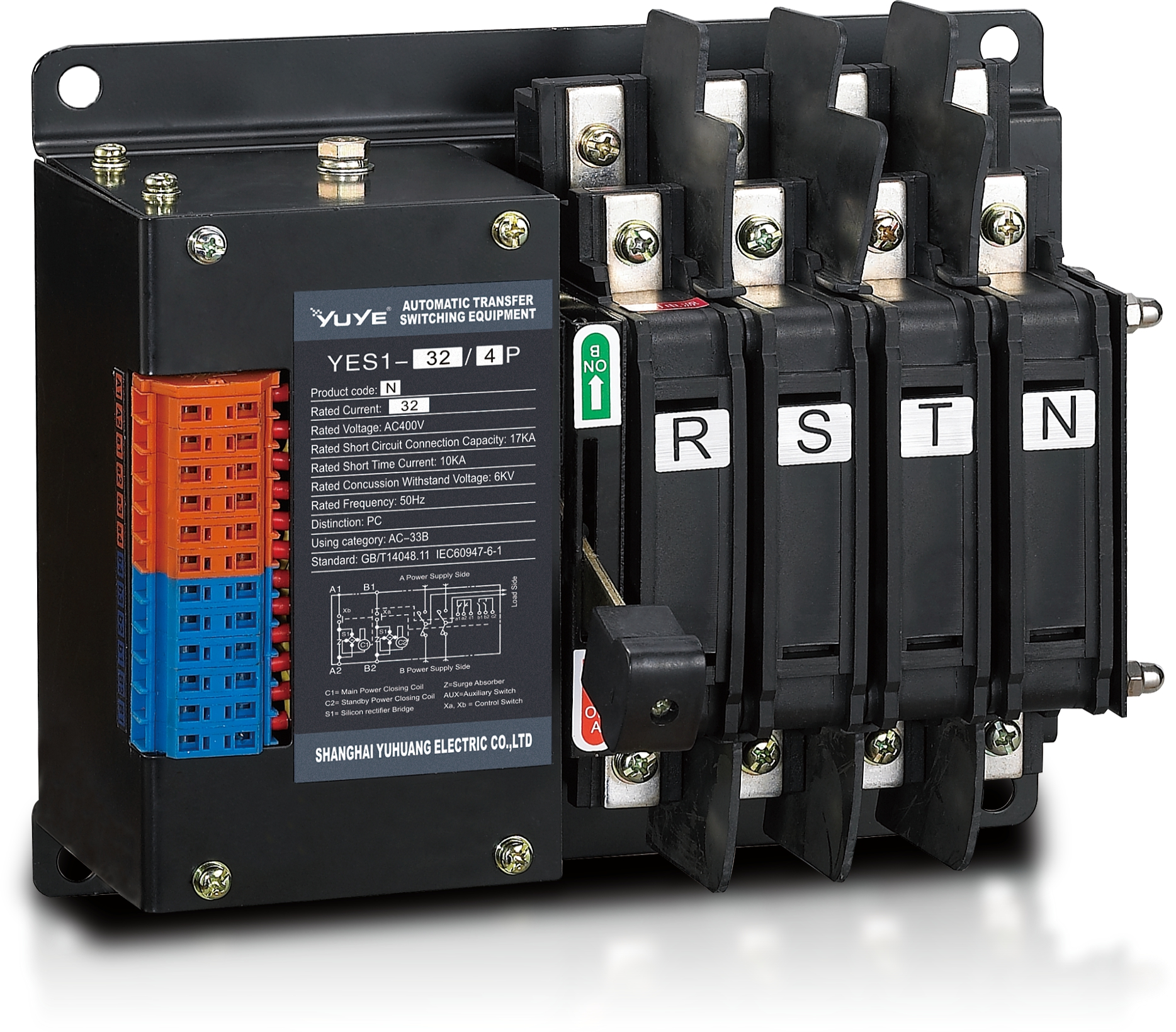 Solenoid-type ATS YES1-32~125N
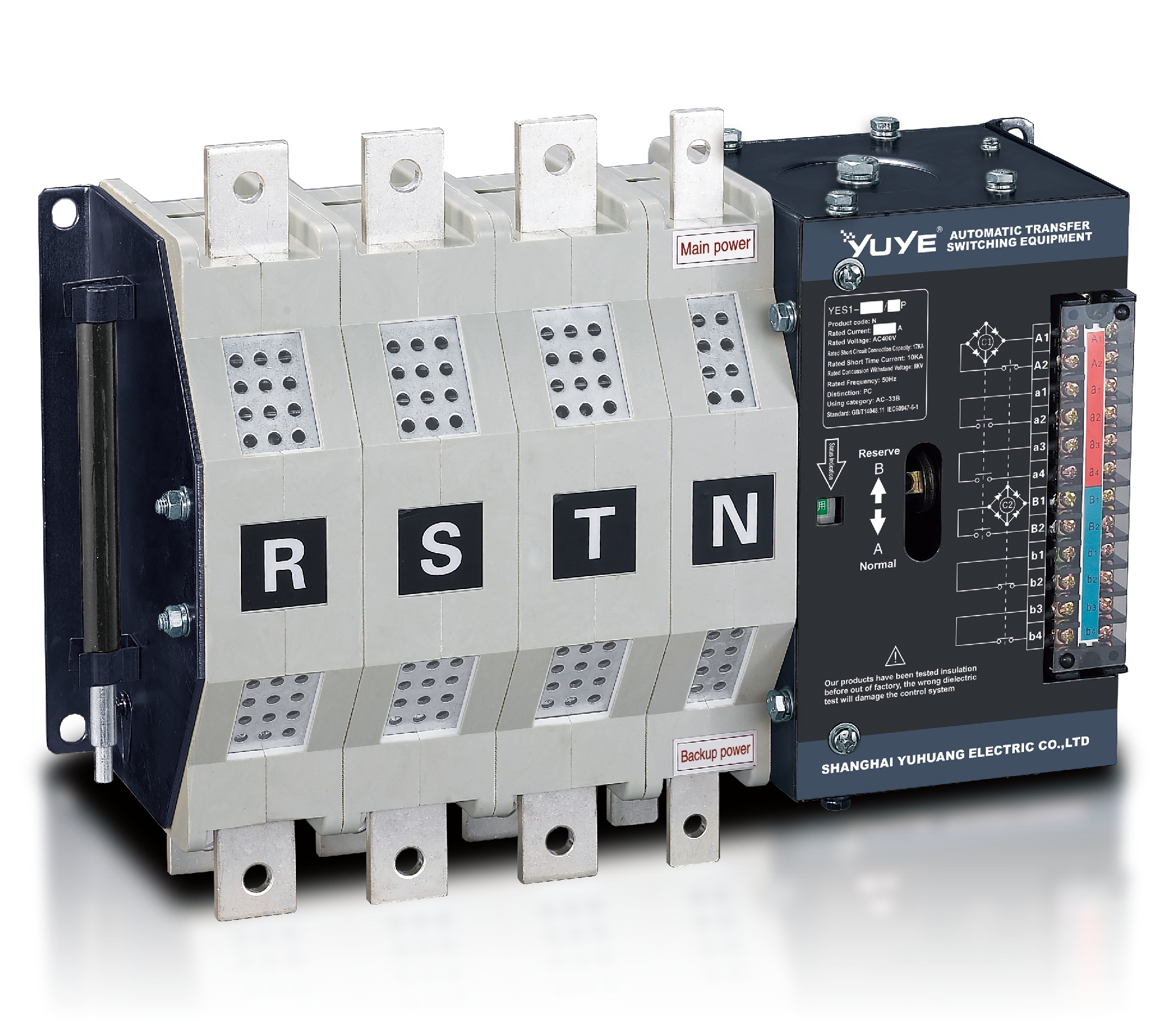 Solenoid-type ATS YES1-250~630N/NT
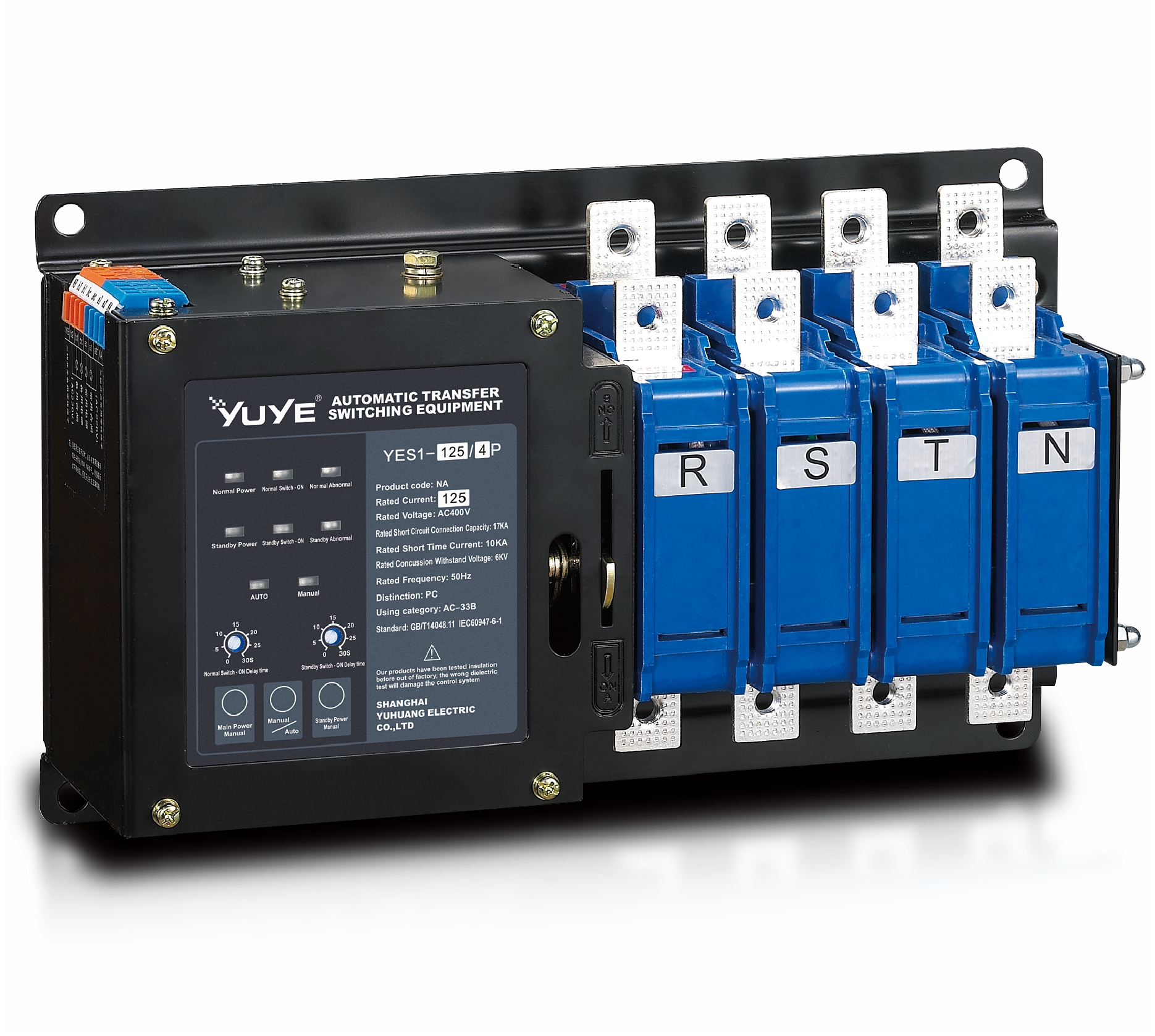 Solenoid-type ATS YES1-32~125NA
 Solenoid-type ATS YES1-63~630SN
 Solenoid-type ATS YES1-1250~4000SN
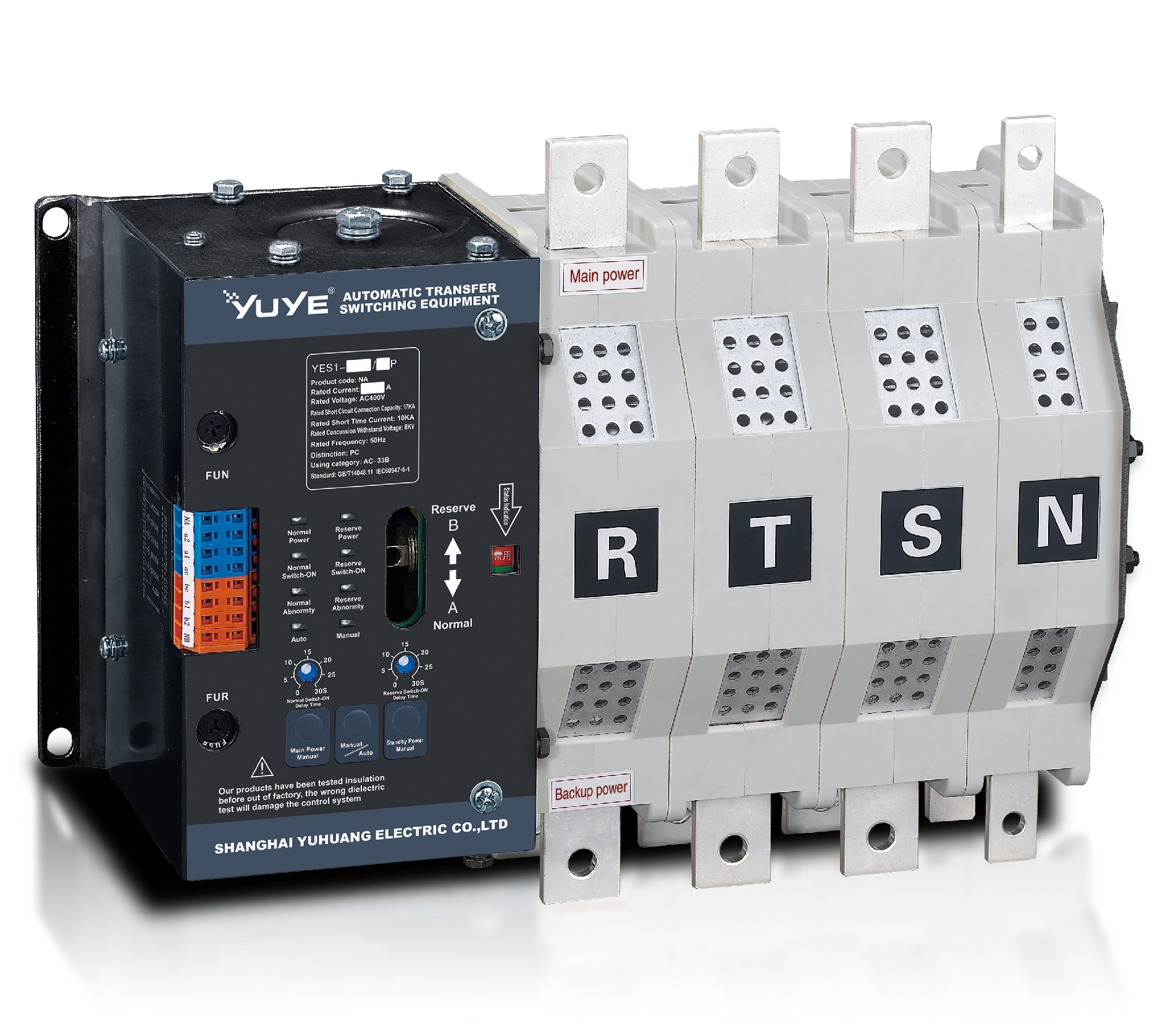 Solenoid-type ATS YES1-250~630NA/NAT
 Solenoid-type ATS YES1-63NJT
 PC ATS YES1-100~1600GN1/GN/GNF
 PC ATS YES1-2000~3200GN/GNF
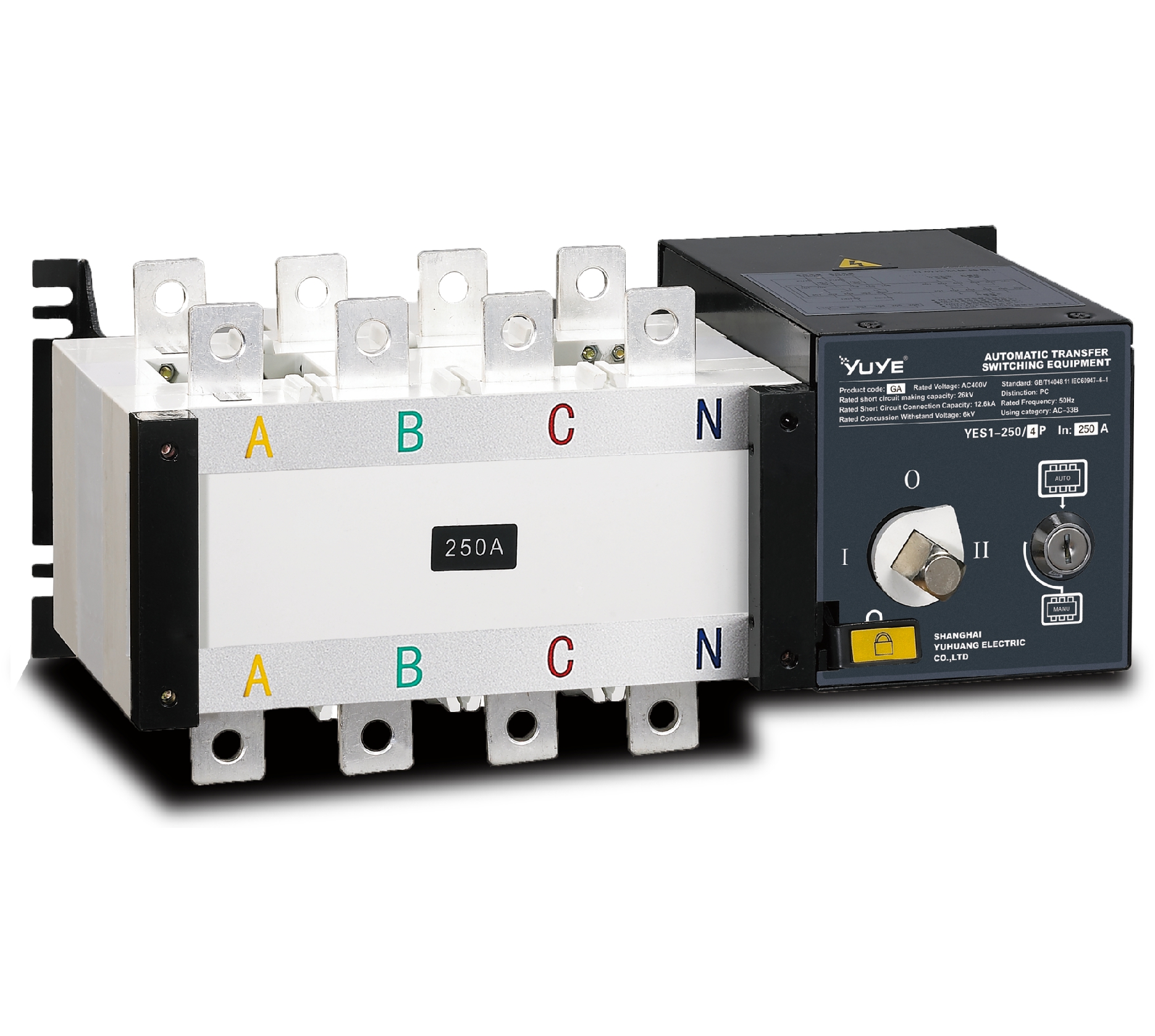 PC ATS YES1-100~3200GA1/GA
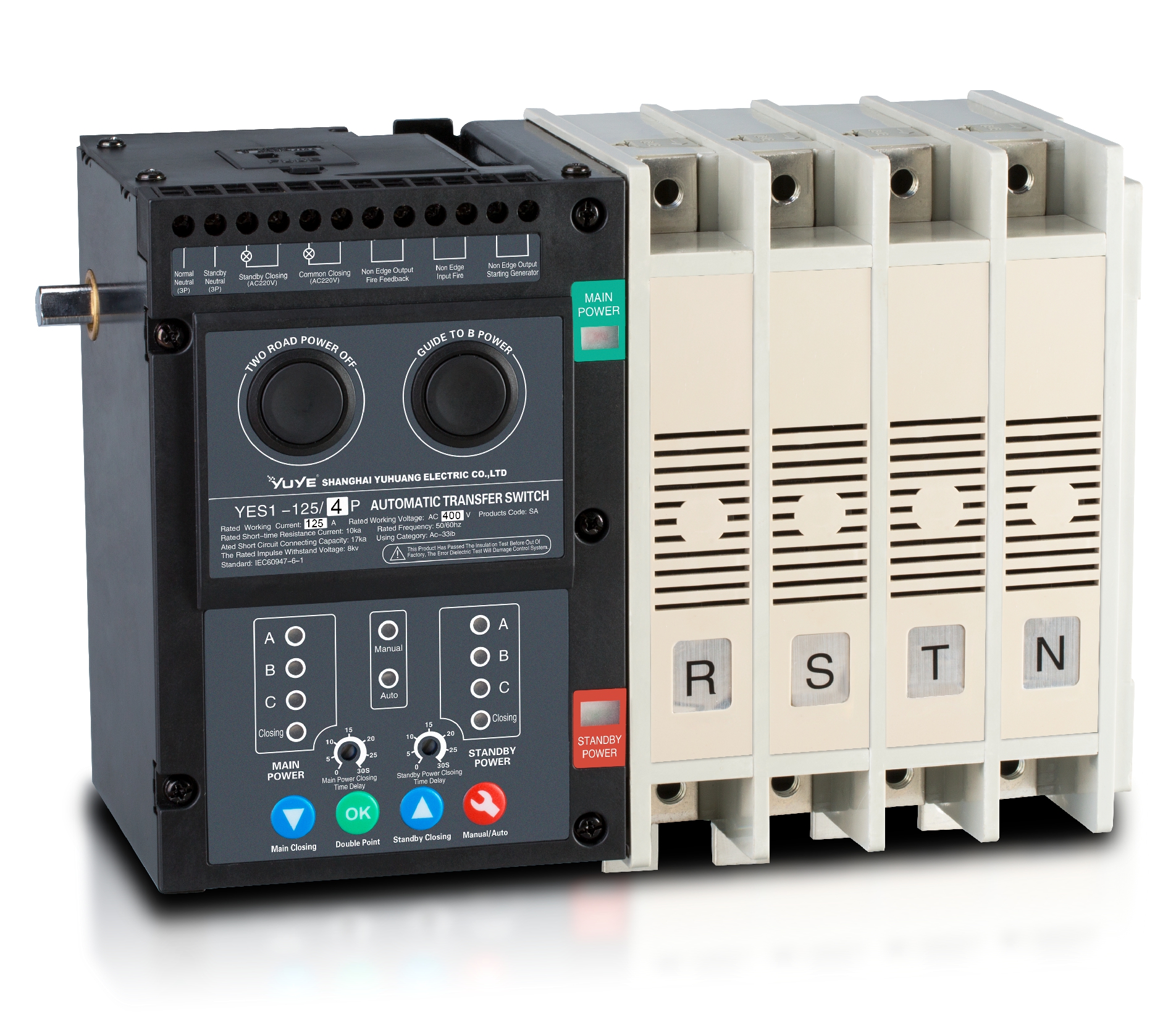 Solenoid-type ATS YES1-63~630SA
 Solenoid-type ATS YES1-63~630L/LA
 Solenoid-type ATS YES1-63~630LA3
 Solenoid-type ATS YES1-63MA
 PC ATS YES1-630~1600M
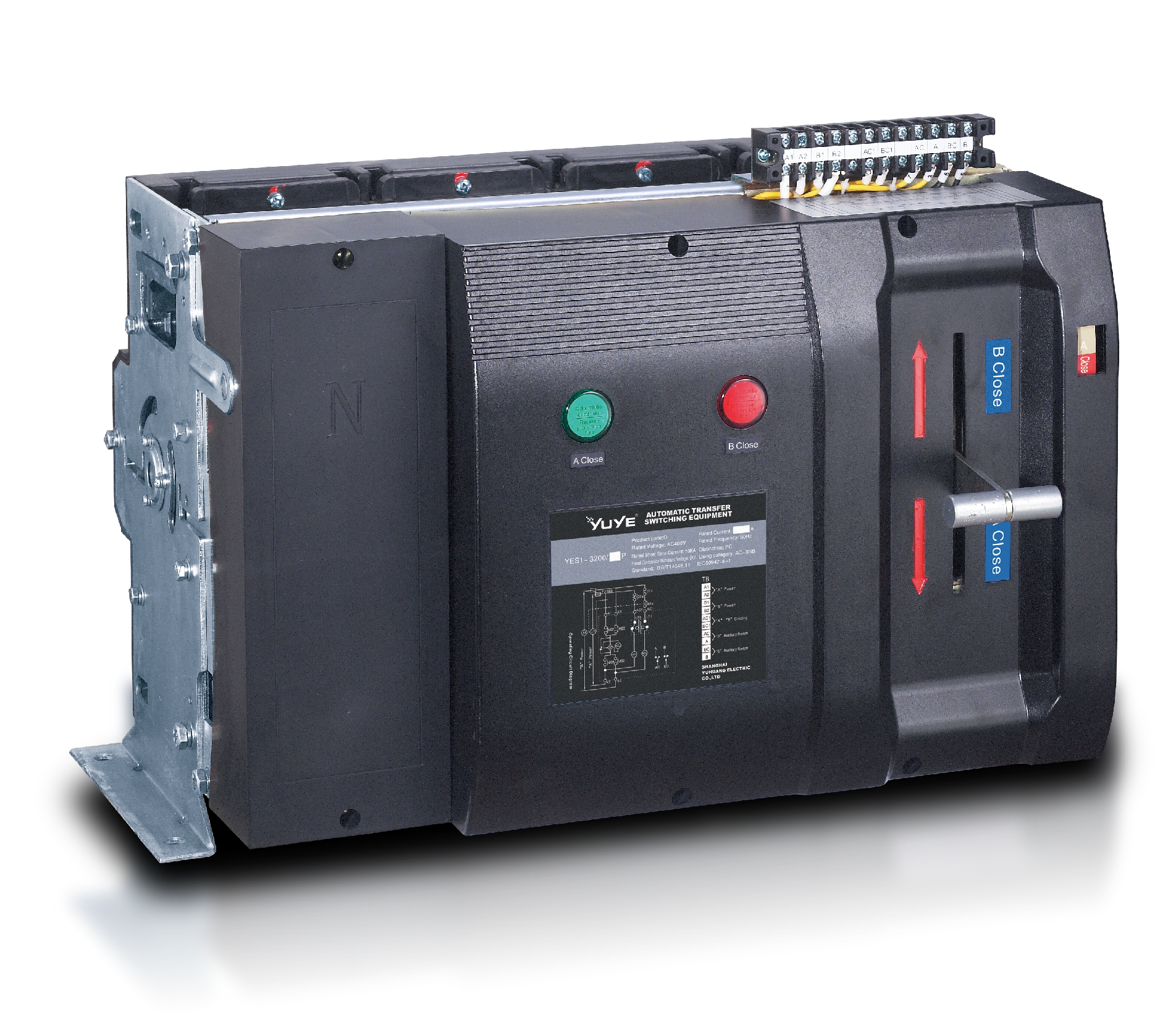 PC ATS YES1-3200Q
 Solenoid-type ATS YES1-4000~6300Q
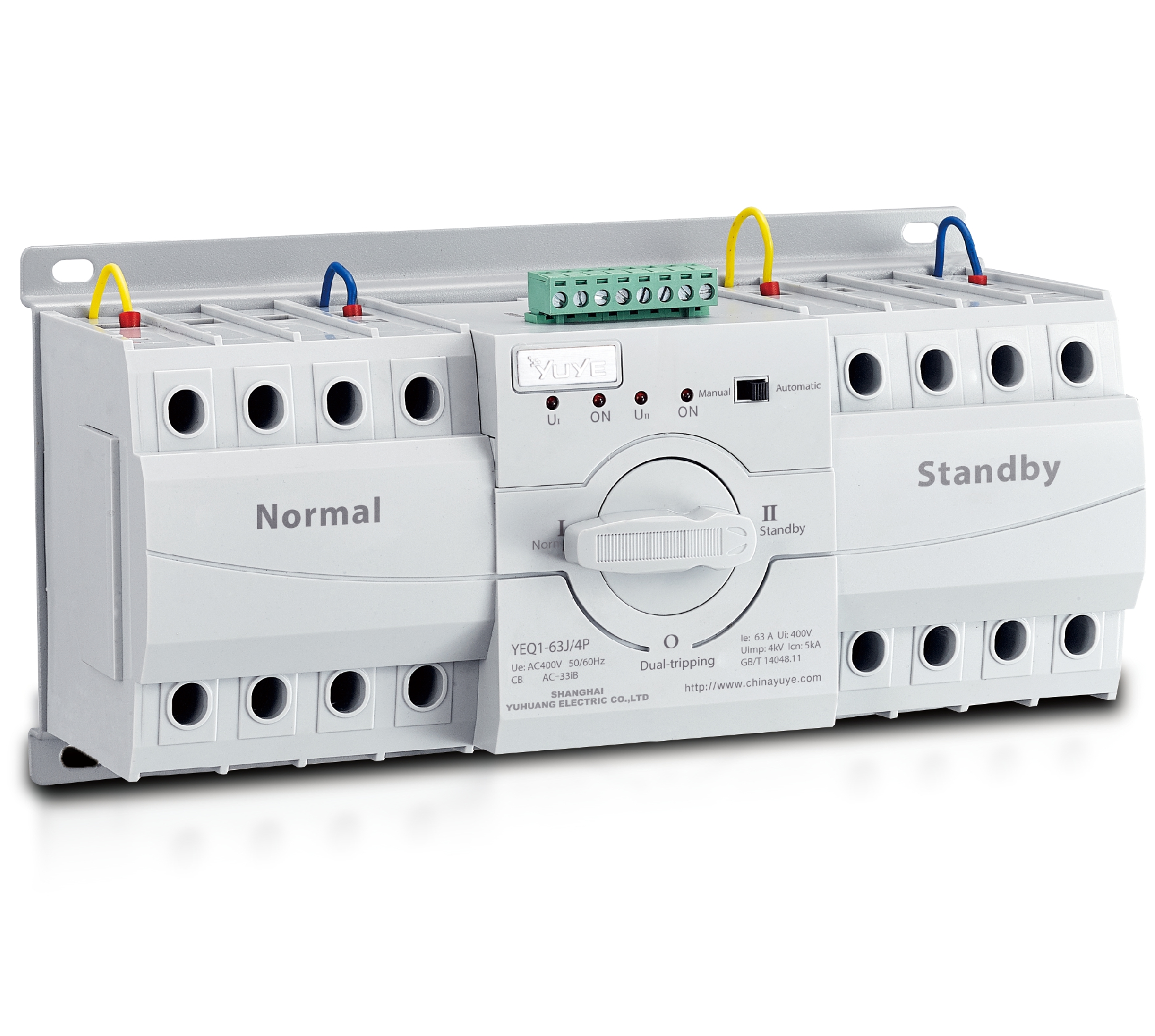 CB ATS YEQ1-63J
 CB ATS YEQ2Y-63
 CB ATS YEQ3-63W1
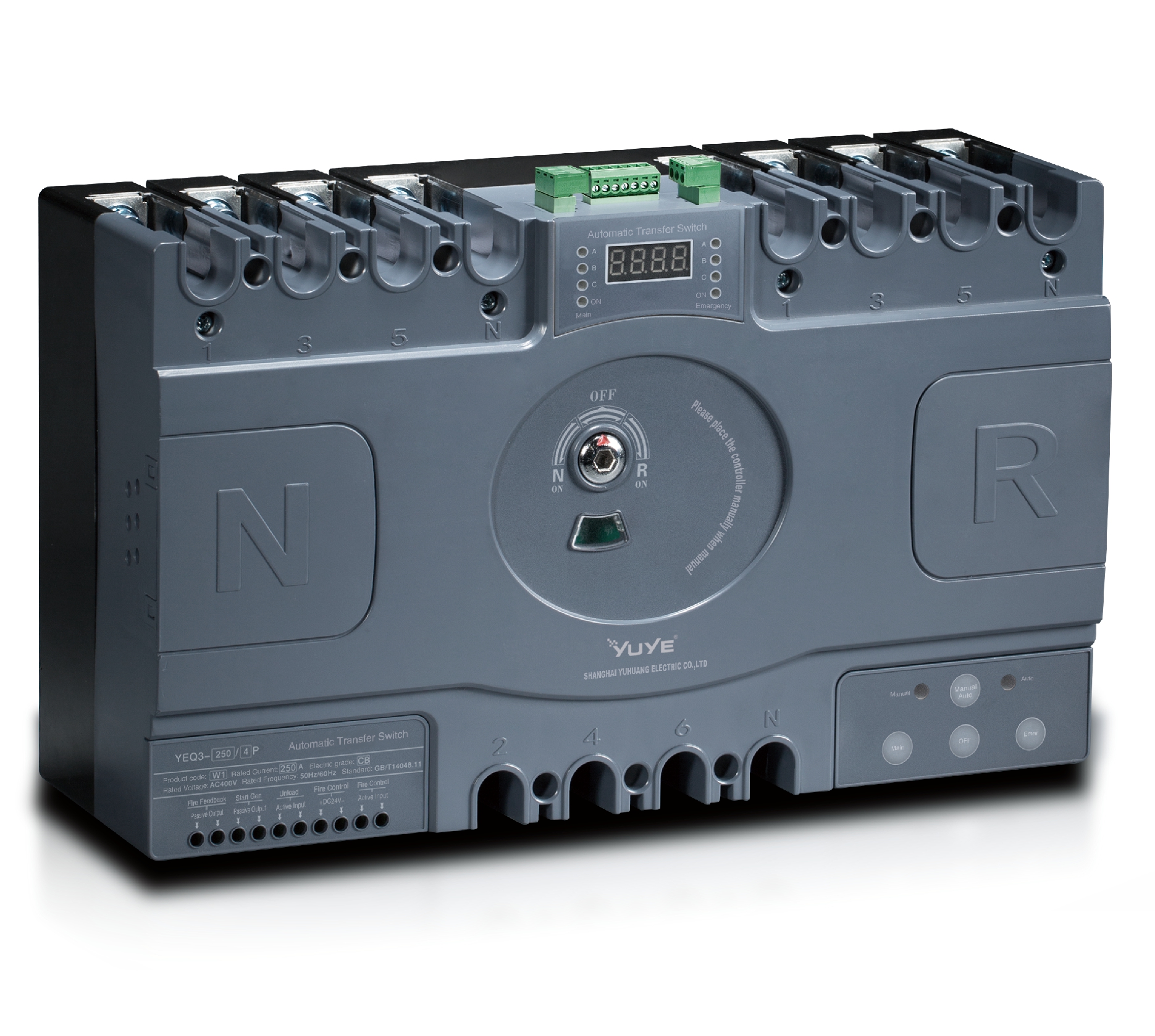 CB ATS YEQ3-125~630W1
 ATS controller Y-700
 ATS Controller Y-700N
 ATS Controller Y-701B
 ATS Controller Y-703N
 ATS Controller Y-800
 ATS Controller W2/W3 Series
 ATS switch Cabinet floor-to-ceiling
 ATS switch cabinet
 JXF-225A power Cbinet
 JXF-800A power Cbinet
 YEM3-125~800 Plastic Shell Type MCCB
 YEM3L-125~630 Leakage Type MCCB
 YEM3Z-125~800 Adjustable Type MCCB
 YEM1-63~1250 Plastic Shell Type MCCB
 YEM1E-100~800 Electronic Type MCCB
 YEM1L-100~630 Leakage Type MCCB
 Air Circuit Breaker YEW1-2000~6300
 Air Circuit Breaker YEW3-1600
 Miniature circuit breaker YEMA2-6~100
 Miniature circuit breaker YEB1-3~63
 Miniature circuit breaker YEB1LE-3~63
 Miniature circuit breaker YEPN-3~32
 Miniature circuit breaker YEPNLE-3~32
 Miniature circuit breaker YENC-63~125
 Load isolation switch YGL-63~3150
 Load Isolation Switch YGL2-63~3150
 DC relay YDC-P20
 DC relay YDC-P250
 DC relay YDC-P400
 DC relay MDC-300M
 DC relay YDC-M400
 DC Isolation Switch YEGL3D-630
 YECPS2-45~125 LCD
 YECPS-45~125 Digital
 CNC Milling/Turning-OEM


