0%

Picking out a 3-pole Automatic Transfer Switch isn’t just about flipping through a catalog. It’s more like matching the right gear to the real-life conditions where it’ll actually run. Whether it’s a hospital, data center, factory, or remote pump station — each place faces its own quirks and risks. Some might deal with voltage imbalances, generator start delays, dust, heat, or limited access for maintenance. So, you can’t just rely on specs alone.

Mike Holt, a well-known figure in the electrical safety world, often says, “Safety isn’t expensive — it’s priceless.” That’s a good reminder when you’re choosing transfer switches. A solid product should provide stable switching, easy-to-read status indicators, reliable mechanical interlocks, and simple testing. Plus, it’s important to check things like short-circuit ratings, control options, enclosure protection, quality of terminals, and how easy it is to get support. Little details really matter — for example, a confusingly labeled terminal can slow you down in an emergency.

This guide highlights the top 10 three-pole automatic transfer switches for global buyers. We’ve looked at trusted manufacturers, how flexible they are for different applications, control precision, ease of installation, and long-term support. Brands like Schneider Electric, Eaton, ABB, Siemens — they all have options that might fit your project’s needs. But remember, no single model is perfect. Sometimes, a switch with great ratings might not perform well if its voltage range, frequency handling, neutral setup, or environmental ratings aren’t a good match for your site. That’s something to seriously think about.

At the end of the day, making the right choice needs more than just specs and price tags. It’s about real-world experience, factory documentation, installation conditions, and your maintenance plans. Sometimes, choosing the cheapest model can cost you more later — maybe it’s harder to set up, or support takes longer when you need it. On the flip side, a fancy, high-end switch might be overkill for a small commercial setup. The smartest choice is one that’s balanced, traceable, and tested beforehand — because nobody wants to find out its weaknesses when you're already in a bind during an outage.

Top 10 3P Automatic Transfer Switches for Global Buyers

Understanding Three-Pole Automatic Transfer Switches and Their Core Functions

Top 10 3P Automatic Transfer Switches for Global Buyers

Understanding Three-Pole Automatic Transfer Switches and Their Core Functions

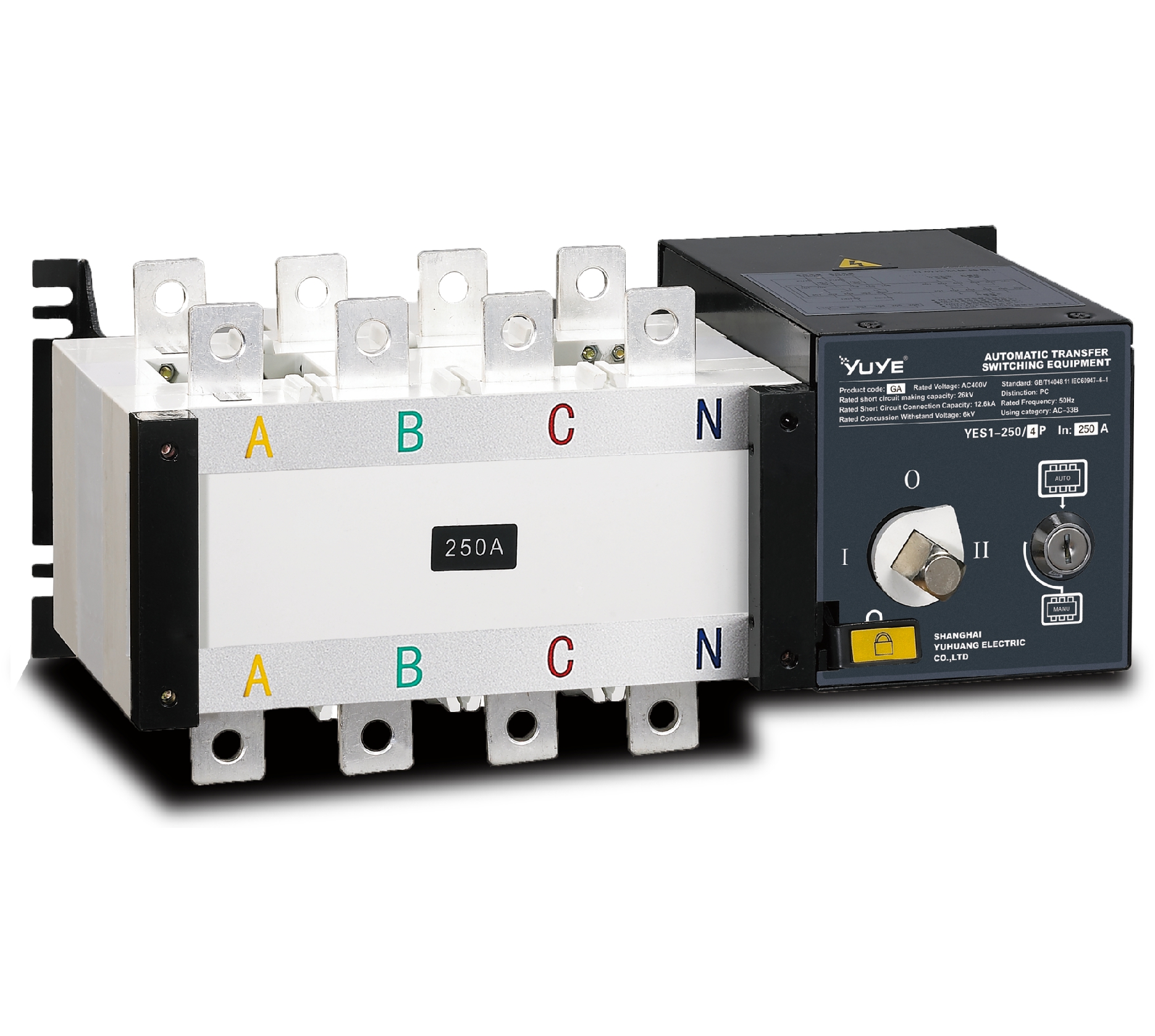
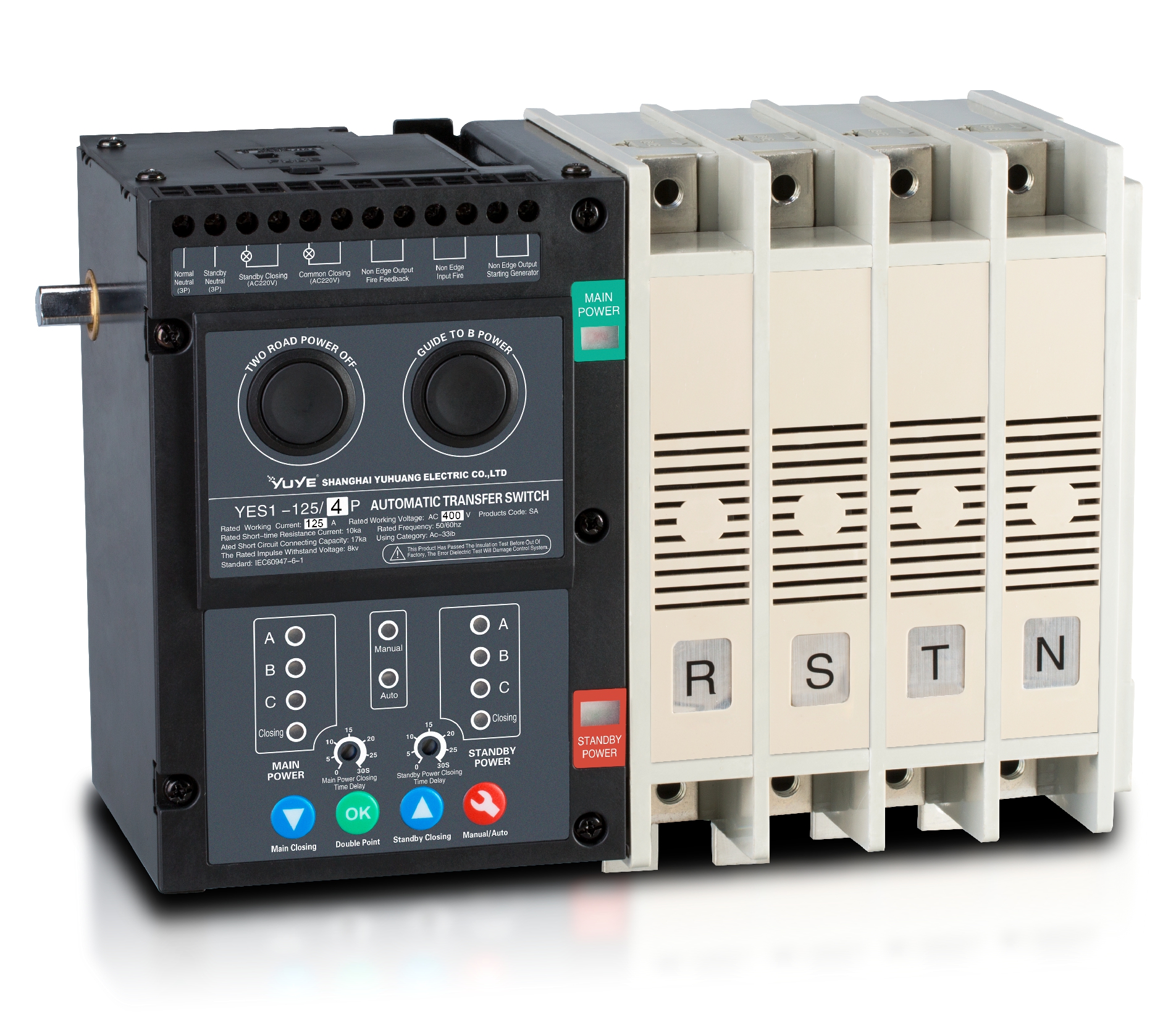
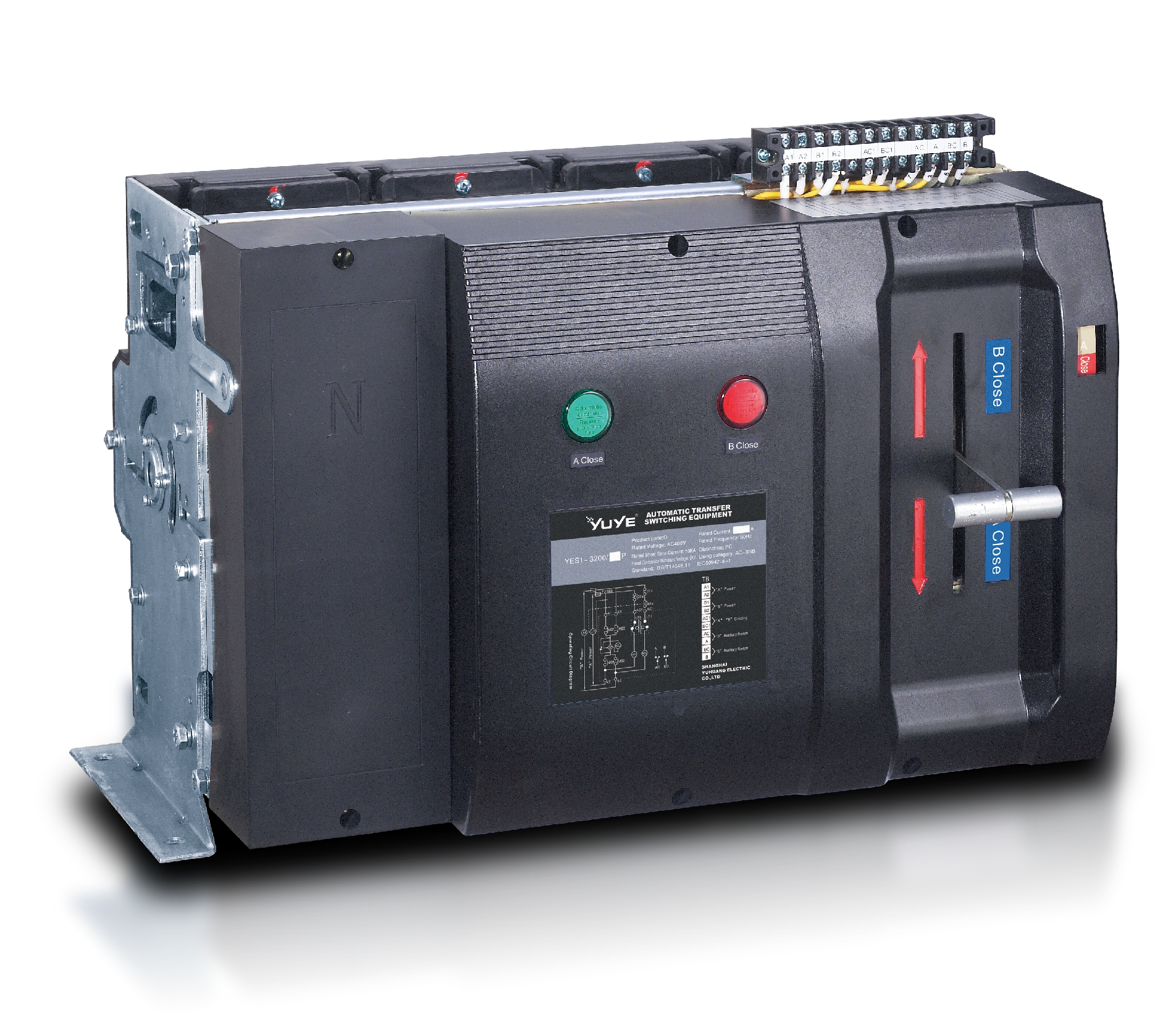
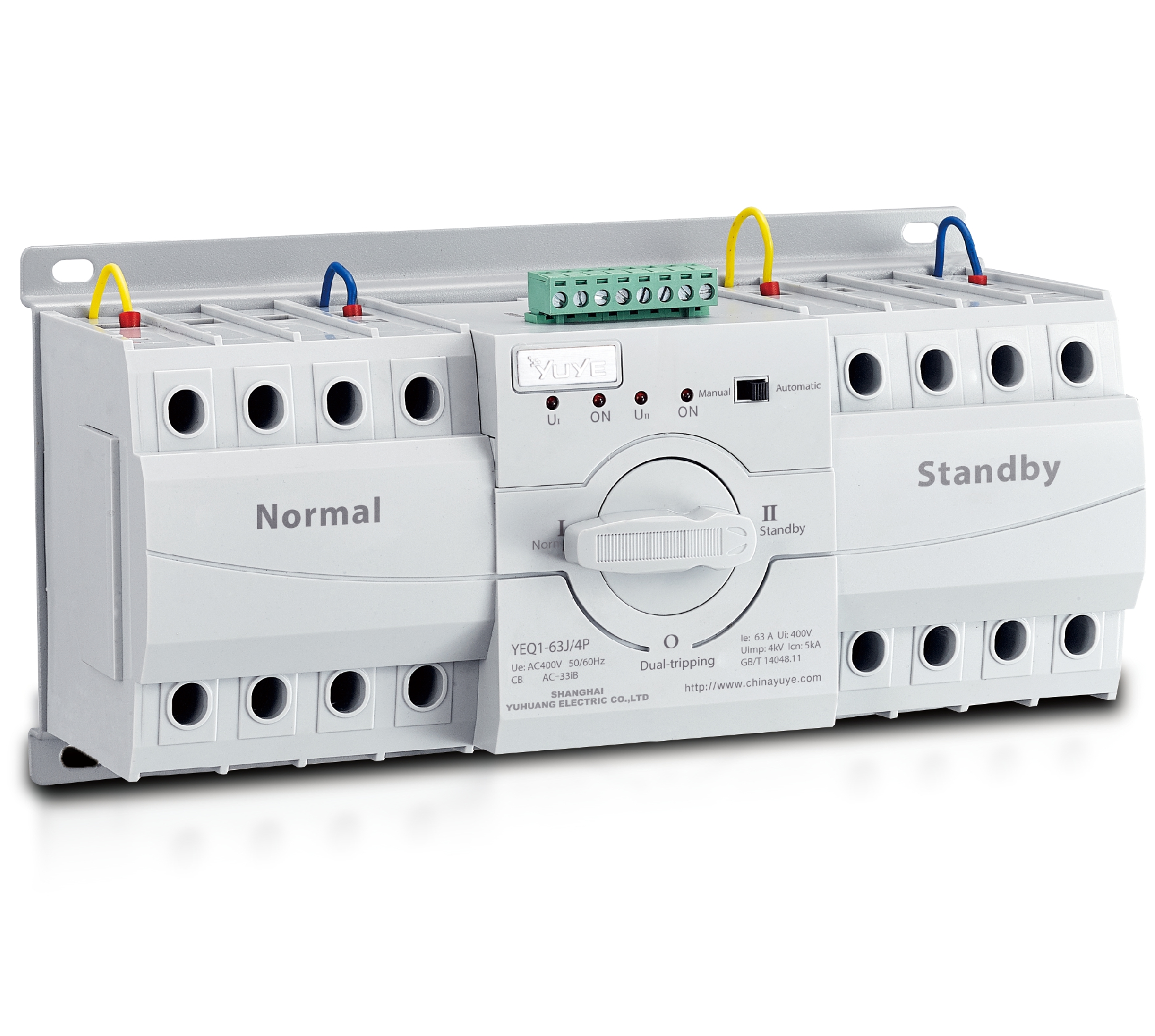
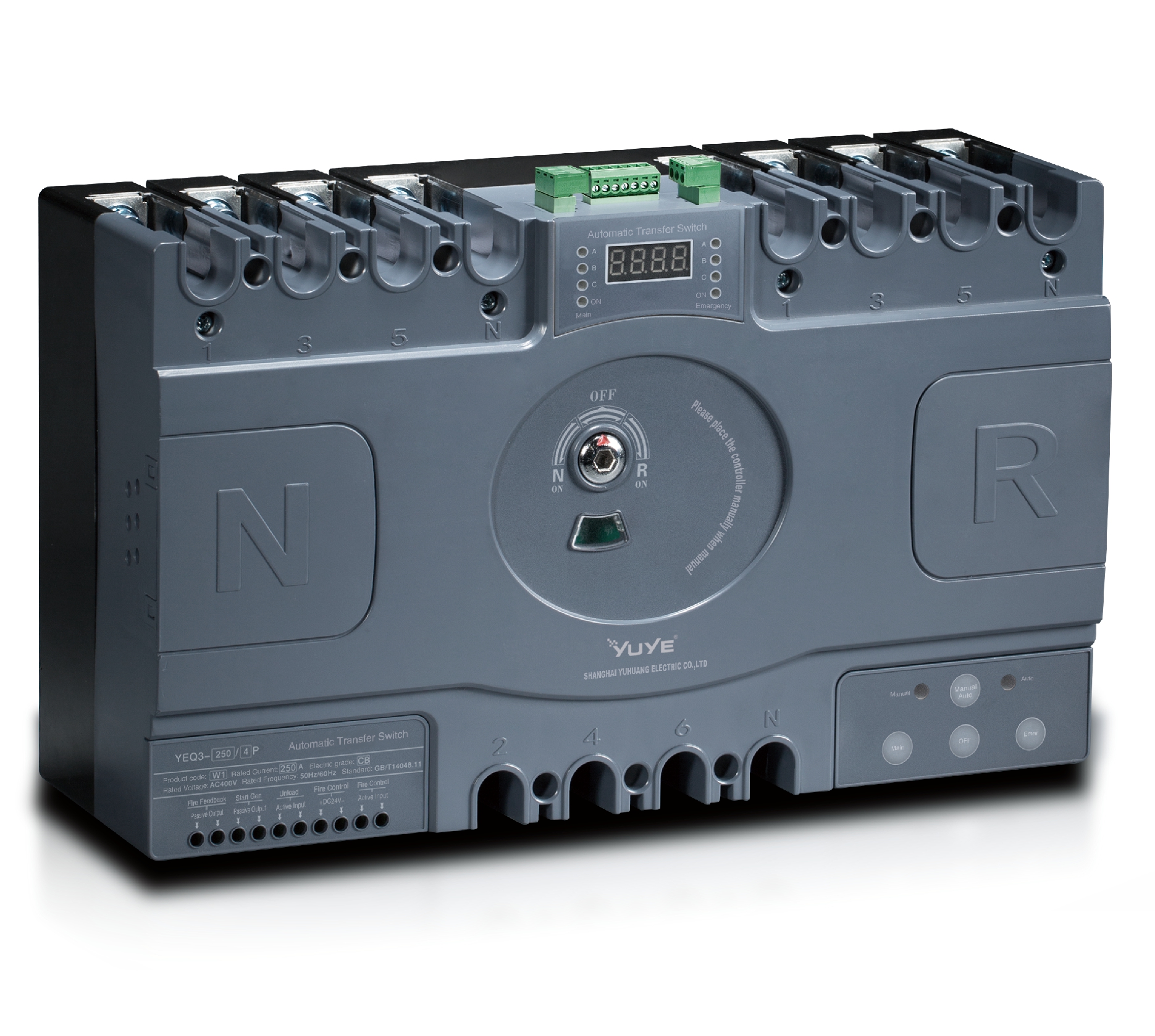
A three-pole automatic transfer switch controls three live conductors between normal and emergency power sources. It monitors voltage, frequency, and phase conditions continuously. When utility power fails, the controller starts the standby generator and transfers the load after a programmed delay. The fourth conductor remains unswitched in many systems. That choice depends on grounding design and local electrical rules. IEC 60947-6-1 provides the key performance framework for transfer switching equipment.

The switch must prevent both sources from connecting simultaneously. Mechanical and electrical interlocks provide this protection. Adjustable time delays also reduce nuisance transfers during short voltage dips. In hospitals, data centers, and industrial plants, these settings need site testing, not guesswork. Uptime Institute’s Global Data Center Survey repeatedly identifies power problems as major causes of costly outages. MarketsandMarkets also projects steady growth in the global automatic transfer switch market through the decade. Demand is rising, but installation quality still matters more than a polished specification sheet.

A practical inspection should verify terminal temperature, enclosure rating, contact wear, and generator compatibility. Check phase rotation before energizing the load. Small mistakes can become expensive. Three-pole switching is not automatically suitable for every neutral arrangement. Engineers should review fault levels, earthing methods, bypass requirements, and maintenance access. In field commissioning, documentation is often incomplete. That is an uncomfortable lesson. Reliable selection combines standards, measured site conditions, and realistic transfer testing.

Key Criteria for Evaluating 3P Automatic Transfer Switches Worldwide

A reliable 3P automatic transfer switch assessment begins with electrical fit, not online rankings. Confirm voltage, frequency, current rating, and the system’s short-circuit withstand capacity. Three-pole switching must match the installation’s neutral arrangement and grounding method. Phase sequence matters too. A small wiring mismatch can stop critical equipment.

Look for compliance with relevant standards, such as IEC 60947-6-1, while checking local grid and installation requirements. Evaluate transfer speed, open or closed transition, generator compatibility, and adjustable delay settings. The controller should detect phase loss, under-voltage, over-voltage, and abnormal frequency. Clear status indicators help technicians work safely in dim control rooms. For global projects, review operating temperature, altitude, humidity, enclosure protection, and available replacement parts. Do not trust a promising datasheet alone. Field conditions are often less polite.

Tips: Ask for factory test records and genuine endurance data. Check terminal markings, wiring diagrams, and maintenance access before purchase. Test automatic and manual operation with a realistic load. A switch may perform well in a clean laboratory but struggle near dust, heat, or unstable generators. Also examine communication options, alarm contacts, and event logging for remote sites. I would document every assumption, because overlooked details usually become expensive revisions.

Top 10 3P Automatic Transfer Switches: Features and Best Use Cases

Top 10 3P Automatic Transfer Switches for Global Buyers

Top 10 3P Automatic Transfer Switches: Features and Best Use Cases

A practical top-ten comparison should begin with operating conditions, not catalog claims. The first choice is current rating, matched to measured load and future expansion. The second is short-circuit withstand capacity for industrial panels. Third, select a controller with adjustable voltage and frequency limits. Fourth, check transition time for servers, pumps, and medical support systems. The fifth feature is a reliable mechanical and electrical interlock. It prevents unsafe source connection. Sixth, consider switched neutral designs for sensitive single-phase loads. They can reduce unwanted voltage problems. Seventh, choose an enclosure suited to dust, moisture, and heat. Indoor and outdoor sites need different protection levels.

The eighth option is a bypass-isolation arrangement for maintenance without a long outage. The ninth is communication support, such as dry contacts or network monitoring. It helps operators record transfer events and alarms. Tenth, confirm generator compatibility, including warm-up and retransfer delays. Small commercial buildings often need compact 3P units with simple controls. Data rooms need fast transfer, clear alarms, and stable sensing. Factories may require higher fault ratings and service access. Remote facilities benefit from rugged enclosures and manual override functions. Verify testing records, terminal quality, and applicable certification before purchase. A low price can hide weak sensing or difficult maintenance. I would not choose by rating alone. Installation conditions often change the real result. Even strong equipment may fail when cables, grounding, or settings are poorly reviewed.

Top 10 3P Automatic Transfer Switches: Features and Best Use Cases

Comparison of common three-pole automatic transfer switch current ratings used in commercial, industrial, infrastructure, and backup-power installations. The ratings shown are standardized market capacities and are not brand-specific rankings.

Lower-current 3P ATS units are typically used for small commercial panels, telecom systems, and light industrial loads. Mid-range units suit offices, retail facilities, pumps, and HVAC equipment, while high-current configurations are commonly specified for data centers, hospitals, factories, and critical infrastructure. Typical selection factors include rated current, transfer time, controller modes, source monitoring, bypass functionality, short-circuit withstand capability, and compatibility with generator systems.

Comparing Transfer Speed, Ratings, Controls, and Safety Systems

Top 10 3P Automatic Transfer Switches for Global Buyers

Comparing Transfer Speed, Ratings, Controls, and Safety Systems

A practical comparison starts with transfer speed, but speed alone can mislead. Many 3P automatic transfer switches move between sources within 10 to 100 milliseconds. Sensitive equipment may need faster operation, while motors often require controlled delays. Check sensing accuracy, adjustable timers, and retransfer settings. A rushed transfer can create nuisance switching or damage connected loads.

Ratings deserve equal attention. Confirm the continuous current, short-circuit withstand rating, insulation level, and switching category. A 400A unit may perform poorly if installation conditions exceed its thermal limits. Three-pole switching also requires careful neutral planning. In some systems, the neutral remains solid; in others, a switched neutral improves source separation. Local electrical standards should guide that decision.

Controls reveal real operating quality. Look for automatic, manual, and test modes, plus clear source-available indicators. Remote contacts, event logs, and communication ports help maintenance teams diagnose failures. Safety systems should include mechanical interlocking, electrical interlocking, source isolation, and visible position feedback. During site reviews, technicians often find that labels are too small or alarms are unclear. That detail matters. I would also question impressive specifications without documented test results, because field conditions rarely match a clean laboratory setup.

Regional Standards, Certifications, and Installation Requirements

Top 10 3P Automatic Transfer Switches for Global Buyers

For global buyers, certification matters as much as switching speed. In North America, UL 1008 evaluates transfer-switch construction, endurance, temperature rise, and short-circuit performance. NFPA 110, 2022 Edition, requires emergency power to become available within 10 seconds for many Level 1 systems. That timing must be verified during commissioning, not copied from a brochure.

In Europe and many export markets, IEC 60947-6-1 provides the main reference for transfer switching equipment. Buyers should check CE documentation, declaration of conformity, and local low-voltage installation rules. China commonly references GB/T 14048.11, while Canada may require certification under CSA requirements. A certificate alone is not enough. The tested voltage, current, frequency, fault rating, and enclosure type must match the project.

A 3P switch disconnects three phase conductors, but usually leaves the neutral continuous. That design can be unsuitable where separately derived sources create neutral-current or grounding concerns. Engineers should confirm whether a 4P arrangement is required by local codes. Installation also needs correct phase rotation, mechanical interlocking, upstream overcurrent protection, and accessible maintenance clearance. Field experience shows one recurring mistake: installers test normal-to-emergency transfer but forget emergency-to-normal return. That omission can hide control wiring faults. Regional inspection rules may also demand witnessed testing, thermal scans, and documented torque values. Some specifications remain unclear, and that uncertainty deserves correction before purchasing.

How Global Buyers Can Select and Purchase the Right 3P ATS

When comparing the Top 10 3P automatic transfer switches, global buyers should begin with the electrical system, not the product ranking. Confirm the line voltage, frequency, load current, fault level, and transfer mode. A 400 V, 50 Hz installation may need different settings from a 480 V system. Check whether the ATS switches only three phases or also requires neutral switching. This detail matters in generator-backed facilities. Review ratings for continuous current, short-circuit withstand, insulation, and mechanical endurance. Request test reports and clear wiring diagrams.

Fit matters more than a low purchase price. Ask about transfer time, adjustable delay settings, manual bypass, source monitoring, and emergency operation. The controller should detect phase loss, undervoltage, overvoltage, and frequency faults. For hospitals, factories, and data rooms, verify compatibility with generators, fire systems, and remote monitoring. Confirm certifications accepted in the destination market, such as relevant IEC requirements and local approvals. Do not trust a catalog photo alone. Inspect terminal sizes, enclosure protection, ventilation, and spare-part access. A compact enclosure may be convenient, but crowded terminals can slow maintenance. Buyers sometimes choose a higher current rating without checking cable space or heat buildup. That choice can create avoidable installation problems. Compare total cost, including freight, duties, commissioning, training, and replacement parts. Ask for a sample inspection before placing a large order. Mistakes happen. Careful verification reduces them.

Top 10 3P Automatic Transfer Switches for Global Buyers - How Global Buyers Can Select and Purchase the Right 3P ATS

Rank Representative 3P ATS Configuration Typical Rated Current Typical Voltage Range Transfer Mode Typical Transfer Time Neutral Arrangement Common Application Enclosure / Protection Relevant Standards Key Purchasing Considerations
1 Compact 3P Mains-to-Generator ATS 30–63 A 220–415 V AC Open transition; break-before-make Approximately 0.5–1.0 s, excluding generator start-up 3-pole switching; neutral normally unswitched Small commercial buildings, retail units and residential backup circuits Indoor enclosure; commonly IP30–IP40 IEC 60947-6-1; IEC 60947-1 Verify controller supply, phase-sequence monitoring, adjustable generator start delay and terminal capacity.
2 Modular 3P ATS for Distribution Panels 63–125 A 220–415 V AC Open transition; motor-operated switching Approximately 0.3–0.8 s 3-pole switching; optional switched neutral Office floors, light industrial loads and building distribution boards Panel-mounted; commonly IP40–IP55 IEC 60947-6-1; IEC 60947-1 Check busbar or cable connection method, mechanical interlocking and compatibility with upstream overcurrent protection.
3 Heavy-Duty 3P ATS for Commercial Facilities 160–400 A 380–415 V AC Open transition; electrically operated Approximately 0.5–1.5 s 3-pole or 4-pole version selected according to earthing system Hotels, shopping centers, warehouses and commercial infrastructure Floor or cabinet mounted; commonly IP54–IP65 IEC 60947-6-1; IEC 60947-1 Confirm utilization category, short-circuit withstand rating, heat dissipation, cable bending space and maintenance clearance.
4 3P ATS with Switched Neutral 100–630 A 220–415 V AC Open transition; 4-pole switching for three phases plus neutral Approximately 0.5–1.5 s Switched neutral; recommended where source neutral separation is required Generator systems with separately derived neutrals and installations requiring source isolation Indoor or outdoor cabinet; commonly IP54–IP65 IEC 60947-6-1; IEC 60947-1 Although marketed for 3-phase systems, confirm whether a switched neutral is required by the local earthing arrangement and electrical code.
5 High-Speed 3P Static Transfer Switch 30–400 A 208–415 V AC Solid-state transfer; normally open transition Typically 4–10 ms, subject to source conditions Usually 3-pole power path; neutral treatment varies by design IT equipment, control systems, telecom loads and sensitive process equipment Indoor cabinet; commonly IP20–IP31 IEC 62310 series or applicable local product standard; IEC 60947 principles where applicable Evaluate source synchronization, semiconductor heat loss, bypass capability, fault clearing and harmonic performance.
6 3P ATS with Bypass-Isolation Function 160–1,600 A 380–415 V AC Open transition with manual or motorized bypass Approximately 0.5–2.0 s 3-pole or 4-pole configuration Hospitals, data centers and facilities requiring ATS maintenance without load interruption Formed cabinet or switchboard section; commonly IP31–IP54 IEC 60947-6-1; IEC 61439 for assemblies where applicable Inspect bypass interlocking, isolation position indication, arc-flash labeling, service access and switchboard form of separation.
7 3P ATS for Motor and Pump Loads 63–800 A 220–415 V AC Open transition; delayed transfer available Approximately 0.8–3.0 s, depending on programmed delays 3-pole switching; neutral normally unswitched Fire pumps, HVAC systems, water treatment and industrial motors Indoor or outdoor enclosure; commonly IP54–IP65 IEC 60947-6-1; IEC 60947-1 Allow for motor inrush current, generator recovery time, phase-loss protection and adjustable retransfer delay.
8 3P ATS for Low-Voltage Generator Sets 250–2,500 A 380–480 V AC Open transition; automatic generator start and retransfer Approximately 0.5–2.0 s after both sources are available 3-pole or 4-pole, based on generator neutral configuration Factories, logistics centers, public buildings and utility backup systems Freestanding switchboard; commonly IP31–IP54 IEC 60947-6-1; IEC 61439; UL 1008 where North American approval is required Confirm generator interface signals, rated short-time withstand, neutral bonding, remote monitoring and local certification requirements.
9 3P ATS with Automatic Source Priority Control 100–630 A 220–480 V AC Open transition with programmable source priority Approximately 0.5–2.0 s 3-pole or 4-pole switching Dual utility feeds, renewable-energy systems and sites with multiple backup sources Panel or cabinet mounted; commonly IP40–IP65 IEC 60947-6-1; IEC 60947-1 Check source-priority logic, under-voltage and over-voltage settings, phase rotation monitoring and communication protocol.
10 Outdoor 3P ATS for Harsh Environments 63–400 A 220–415 V AC Open transition; motor-operated switching Approximately 0.5–1.5 s 3-pole or 4-pole configuration Construction sites, water facilities, remote infrastructure and outdoor generator enclosures Weather-resistant enclosure; typically IP65 or higher when correctly installed IEC 60947-6-1; IEC 60529; IEC 61439 where applicable Specify corrosion protection, operating temperature, condensation control, cable glands, UV resistance and heater requirements.
Purchasing note: The values shown are representative market ranges for common low-voltage three-phase ATS configurations, not guaranteed specifications for a particular product. Before purchase, verify the applicable local standard, rated operational current, system voltage and frequency, utilization category, short-circuit withstand rating, pole arrangement, earthing system, enclosure rating, certification documents and compatibility with the upstream protective device.

ATS Switch Cabinet Floor-to-Ceiling: Design, Installation, Safety, and Maintenance Guide

An ATS switch cabinet with a floor-to-ceiling design provides a practical solution for reliable power transfer in commercial buildings, industrial facilities, data centers, and infrastructure projects. It accepts power from two independent circuits, continuously detects their operating status, and automatically transfers the load according to the selected switching mode. With a capacity range from 63A to 4000A, the cabinet can be configured to match different downstream load requirements while maintaining an organized and space-efficient installation.

During installation, the cabinet should be placed on a level, load-bearing floor with sufficient clearance for ventilation, cable routing, inspection, and emergency operation. Proper grounding, phase identification, cable insulation, and torque settings are essential before energization. The cabinet may include lightning protection, dependable switching components, and factory electrical performance inspections to improve operational safety. Its monitoring system, featuring a 4.3-inch touchscreen or intelligent meter, can display current, power, energy consumption, and other operating data, helping technicians identify abnormal conditions quickly.

For maintenance, the front-and-rear access design allows convenient inspection, testing, cleaning, and component replacement without dismantling the entire enclosure. Operators should regularly check terminals, protective devices, switching response, display accuracy, ventilation, and grounding continuity. Scheduled functional tests should confirm that automatic transfer and return operations work correctly under defined conditions. Complete quality certifications and documented inspection records further support safe commissioning and long-term management.

FAQS

What does a three-pole automatic transfer switch control?

It controls three live conductors between normal and emergency power sources. The neutral may remain unswitched. This depends on the grounding design.

How does the switch respond to utility failure?

It monitors voltage, frequency, and phase conditions continuously. After failure, it can start a standby generator. A programmed delay then transfers the load.

How does an automatic transfer switch prevent source connection?

Mechanical and electrical interlocks block both sources from connecting simultaneously. Adjustable delays can prevent transfers during brief voltage dips. Testing still matters.

Is three-pole switching suitable for every electrical system?

No. Engineers must review neutral arrangements, grounding methods, fault levels, and local requirements. Three-pole switching is not automatically correct.

Which electrical details should buyers confirm?

Confirm voltage, frequency, load current, fault level, and transfer mode. A 400-volt, 50-hertz system may need different settings from a 480-volt system.

What features are useful in demanding facilities?

Look for source monitoring, adjustable delays, manual bypass, emergency operation, and remote monitoring. The controller should detect phase loss and frequency faults.

What physical inspection points deserve attention?

Check terminal temperature, contact wear, enclosure protection, ventilation, and terminal space. Crowded terminals can make maintenance slow and unsafe.

Why should buyers request documents before ordering?

Request wiring diagrams, test reports, ratings, and accepted certifications. Confirm generator compatibility and spare-part access. A catalog photo proves very little.

How should total purchasing cost be evaluated?

Include freight, duties, commissioning, training, and replacement parts. A low purchase price may hide installation costs. That is easy to miss.

What should happen before energizing the load?

Verify phase rotation and test realistic transfer conditions. Inspect connections and document the results. Guesswork is a poor commissioning method.

Conclusion

This guide explains how a 3p Automatic Transfer Switch supports reliable power continuity by monitoring two power sources and transferring connected loads when the primary supply fails. It outlines the core functions of three-pole systems, including source monitoring, automatic switching, mechanical interlocking, overload protection, and manual override. It also presents ten representative 3P ATS configurations, comparing their transfer speeds, current and voltage ratings, control features, enclosure designs, maintenance needs, and safety systems for applications such as commercial facilities, industrial equipment, data rooms, and standby generators.

For global buyers, the article highlights the importance of evaluating regional electrical standards, certification requirements, environmental conditions, wiring methods, and installation space before purchase. It also explains how to match the switch’s capacity, pole arrangement, switching mode, control interface, and short-circuit withstand rating with the intended system. By reviewing technical documentation, after-sales support, compatibility, delivery capabilities, and total ownership costs, buyers can select and install a dependable 3P ATS that meets operational and local compliance requirements.

Blog Tags:

Noah

Noah

Noah is a dedicated marketing professional at One Two Three Electric Co., Ltd., a distinguished manufacturer renowned for its high standards in the development and production of molded case circuit breakers and air circuit breakers. With a profound expertise in electrical solutions, Noah......
Previous 10 Tips to Choose a Generator Automatic Transfer Switch?
Click For Inquiry