Picking a reliable supplier isn’t just about chasing after the cheapest quote out there. In this guide, we’re taking a close look at China’s top manufacturers of 63A Automatic Transfer Switches—these are used in all sorts of settings, from commercial to industrial, and for backup power. We’re diving into stuff like product design, how much experience they’ve got behind the scenes, their testing processes, and how solid their support services are after you’ve bought. A good 63A switch should switch power seamlessly between the grid and a generator, no hiccups. It should also keep sensitive loads safe during voltage fluctuations or quick power outages.
Let’s be real—decisions aren’t made by reading a fancy brochure. Most of the time, they happen right in front of a crowded control panel. So, when you’re evaluating, don’t forget to check the quality of terminals, what the enclosure’s made of, how fast the switch operates, wiring diagrams, and how well manual operation works. And yes, you should carefully review certification documents, factory test reports, and whether they meet IEC standards. While certifications like ISO 9001 can give you some peace of mind, they’re not a substitute for actually verifying the product yourself. Also, communicated needs, like drawing adjustments, matter—don’t be shy to ask questions or clarify things with suppliers.
Now, let’s be honest—any ranking or list has its limits. When we talk about the 'Top 10 China Suppliers for 63A Transfer Switches,' we’re basing this on real-world criteria rather than just marketing hype. Think: manufacturing capacity, ability to customize, how reliable their shipments are, warranty details, and how quickly they respond to tech questions. It’s a good idea to ask for samples and double-check that the 63A rating actually matches your load requirements. Things like installation environment, short-circuit protection, pole setup, and how often you need to transfer power can all influence what you really need. Some suppliers might look fantastic on their website but might not have the engineering proof to back it up—don’t overlook that. This intro is a helpful starting point, but your final choice should definitely be based on actual testing, a thorough understanding of your application, and direct conversations with the supplier.

What Is a 63A Automatic Transfer Switch?
What Is a 63A Automatic Transfer Switch?
A 63A automatic transfer switch moves an electrical load between two power sources. It commonly connects a utility supply with a standby generator. When the main source fails, the switch detects abnormal voltage or frequency. It then transfers the load after a preset delay.
The 63A rating indicates the maximum continuous current the switch can carry under specified conditions.
It does not mean every 63A unit suits every 63A circuit. Ambient temperature, cable size, fault current, and load type still matter. Motors and other inductive equipment may require additional capacity.
Small details cause large failures.
In practical procurement, inspect the product datasheet, terminal layout, switching mode, and neutral arrangement. A four-pole model may disconnect the neutral when the electrical system requires it.
Break-before-make operation can reduce the risk of connecting both sources together.
Check transfer and return delays with a real load, not only a laboratory claim.
Test reports should match the exact model and rated current. Compliance with applicable IEC or national standards is also important.
Installation and Commissioning
Installation needs a qualified electrician and clear source labeling. An enclosure rated for dust, moisture, and heat improves reliability.
I would not select a supplier from price alone. Some specifications look complete but omit short-circuit withstand data. That omission deserves a question.
During commissioning, record voltage readings, transfer time, generator response, and manual override performance. Recheck these points after maintenance.
Key Standards and Features for Supplier Evaluation
For a China top 10 automatic transfer switch 63A supplier, standards matter more than catalog claims. IEC 60947-6-1 covers transfer switching equipment, while UL 1008 applies to many North American installations. NFPA 110 also defines performance expectations for emergency and standby power systems. Ask for valid certificates, test reports, and traceable laboratory records. A 63A label alone proves little. Confirm the utilization category, pole configuration, insulation voltage, short-circuit withstand rating, and transfer time. For motor or mixed loads, AC-33B performance may be more relevant than a simple resistive-load rating.
Industry demand is also expanding. Grand View Research estimated the global automatic transfer switch market at about USD 1.2 billion in 2023, with continued growth through 2030. This growth attracts capable manufacturers, but also creates uneven documentation. Evaluate enclosure protection, controller accuracy, manual override, mechanical interlocking, and event logging. Check whether the supplier performs temperature-rise, endurance, and switching tests on the exact 63A model. A report for a larger frame is not enough. I would also inspect wiring diagrams and sample units personally; paperwork can look perfect while terminal markings remain unclear.
Tips: Request three recent production samples, not only a showroom unit. Compare certificates with the nameplate and serial number. Verify factory quality systems, calibration records, spare-part availability, and response times. ISO 9001 certification supports process control, but it does not replace product testing. A lower quotation may hide weaker contacts, slower service, or incomplete local compliance. Reliability deserves a practical challenge test.
China Top 10 Automatic Transfer Switch 63A Suppliers? Key Standards and Features for Supplier Evaluation
Recommended evaluation weighting for comparing 63A automatic transfer switch suppliers. The chart is a standards-and-features checklist, not a supplier ranking.
The evaluation model prioritizes IEC 60947-6-1 and IEC 60947-1 conformity, correct 63A utilization-category ratings, short-circuit performance, transfer reliability, interlocking, enclosure protection, insulation testing, thermal performance, and production documentation. Buyers should verify the applicable ratings and test reports for the intended voltage, load type, installation environment, and local regulations.
Reference standards: IEC 60947-1, IEC 60947-6-1, and IEC 60529.
China’s Top 10 63A Automatic Transfer Switch Suppliers
China’s Top 10 63A Automatic Transfer Switch Suppliers
China’s 63A automatic transfer switch market includes manufacturers serving factories, data rooms, apartments, and small commercial buildings. A dependable supplier should provide clear ratings, stable switching performance, and traceable quality records. In practical purchasing, buyers should inspect transfer time, pole configuration, insulation strength, and controller protection. These details often matter more than a polished catalog.
A capable supplier usually offers product customization, factory testing, wiring diagrams, and responsive technical support. Experience with generator systems is valuable, especially where voltage fluctuates or loads start suddenly. Ask for routine test reports and samples before placing a large order. Some suppliers claim broad compliance, but documentation can be incomplete. That is worth questioning. An honest review should also admit that price comparisons may hide differences in copper content, enclosure quality, and testing depth.
Tips: Confirm whether 63A is a continuous rating or only a short-duration limit. Check the switching mechanism under realistic load conditions. Request spare controller details and installation guidance. Compare warranty terms carefully, because service speed can vary between regions. A small pilot order may reveal communication problems before they become expensive. Keep records of specifications, test results, and agreed delivery dates.
Supplier Comparison by Products, Certifications, and Services
China’s top 10 automatic transfer switch 63A suppliers should be compared beyond price and catalog images. Review product ranges covering 2-pole, 4-pole, motorized, bypass, and dual-power models. Check rated voltage, switching time, short-circuit withstand, and mechanical endurance. A 63A switch for a 400V commercial panel may need different protection coordination than one used in a small generator system. Product drawings should show terminal sizes, enclosure dimensions, and wiring logic clearly.
Certifications deserve careful verification. Ask for current test reports linked to the exact model, not only a general certificate. IEC 60947-6-1 alignment, CE documentation, and ISO 9001 quality procedures can support technical confidence. However, certificates alone do not prove stable production. Request sample inspection records, load-test evidence, and batch traceability. Service quality also matters. Evaluate response time, English documentation, customization support, spare-part access, and warranty handling. A supplier that explains failure limits honestly may be more reliable than one offering impressive claims.
Tips:
Test one sample under realistic load conditions. Confirm neutral switching and generator interlocking requirements. Compare delivery records, packaging photos, and factory inspection options. Keep a written scoring sheet. It reduces emotional decisions. My own comparison mistake was weighting unit price too heavily; later, unclear wiring instructions created avoidable installation work.
How to Choose the Right Chinese 63A ATS Supplier
Choosing a Chinese 63A automatic transfer switch supplier requires more than comparing quotations. A 63A rating describes the switch capacity, not your complete operating condition. Confirm the system voltage, frequency, neutral arrangement, short-circuit withstand, and motor starting current. Ask for test records under resistive and inductive loads. Small details matter, such as terminal torque markings and enclosure ventilation.
Standards are a useful filter. Require documented compliance with IEC 60947-6-1, or the relevant local standard, and request recent third-party test reports. MarketsandMarkets’ 2024 Automatic Transfer Switch Market report projects steady market growth through 2029, driven by data centers, healthcare, and industrial backup systems. That growth also attracts weak assembly operations. A polished catalogue proves little. Audit production controls, relay calibration, contact inspection, and end-of-line switching tests.
Test the supplier’s practical response before signing. Send a clear specification and measure how quickly engineers identify missing information. A reliable factory should explain transfer time, mechanical interlocking, controller settings, and manual bypass options. Request samples from normal production, not specially prepared units. Check five or ten units under repeated switching cycles. One supplier once passed visual inspection but showed loose control wiring during vibration testing. That mistake was preventable. Price still matters, but a cheaper ATS can create higher installation and maintenance costs. Also verify spare-controller availability, serial-number traceability, warranty terms, and technical support for your destination market.
CB ATS YEQ1-63J: Market Insights from Grand View Research’s 2024 Automatic Transfer Switch Report
Automatic transfer switches are gaining attention as facilities place greater emphasis on power continuity, equipment protection, and automated emergency response. Market trends indicate growing demand across commercial buildings, data-related facilities, industrial sites, healthcare applications, and infrastructure projects. Users increasingly seek compact solutions that can monitor power conditions and transfer loads efficiently between a primary source and a standby supply, while also supporting straightforward installation and dependable operation.
The YEQ1-63J is designed for low-voltage automatic source switching in applications requiring stable and timely power transfer. It operates at a rated voltage of AC400V and supports rated currents from 6A to 63A, providing flexibility for different circuit capacities. Available in 3-pole and 4-pole configurations, it can accommodate varied system arrangements. As a CB-class automatic transfer switch with a motor-driven operating mechanism, the unit is suited to installations where controlled switching and clear electrical separation are important.
With CE, CB, and CCC certifications, the YEQ1-63J is developed for use in markets that require recognized conformity and safety requirements. Compliance with IEC 60947-6-1 further supports its application in low-voltage transfer-switching systems. Its combination of adjustable current ratings, multiple pole options, and motorized operation makes it a practical choice for projects prioritizing continuity, standardized integration, and efficient power management.
Conclusion
This guide explains what an Automatic Transfer Switch 63a is and how it automatically transfers electrical loads between a primary power source and a backup source when an interruption, voltage problem, or frequency abnormality occurs. It introduces the main operating principles, switching modes, safety functions, enclosure options, control features, and installation considerations for 63A applications in residential, commercial, and light industrial environments.
The article also presents a practical framework for evaluating China-based suppliers without focusing on any specific brand. It compares suppliers by product range, manufacturing capability, certifications, testing procedures, customization options, warranty policies, technical support, delivery capacity, and after-sales service. By reviewing key standards and performance features, buyers can assess reliability, compatibility, response time, and long-term maintenance needs. The final section offers a clear supplier-selection checklist to help users choose a suitable 63A ATS solution according to system requirements, project budget, operating conditions, and expected service quality.

 PC ATS YECT1-2000G
 PC ATS YES2-63~250GN1
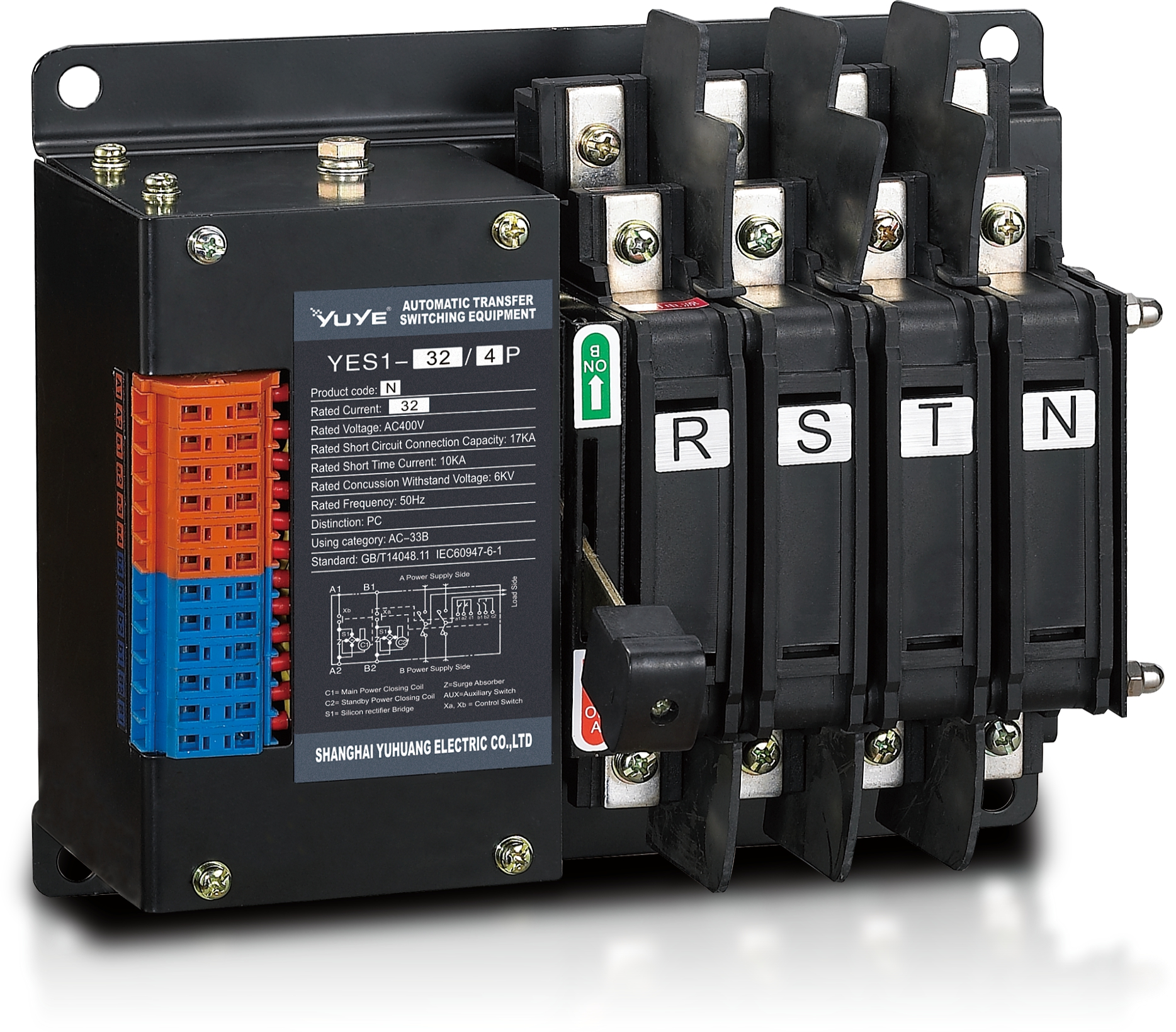 Solenoid-type ATS YES1-32~125N
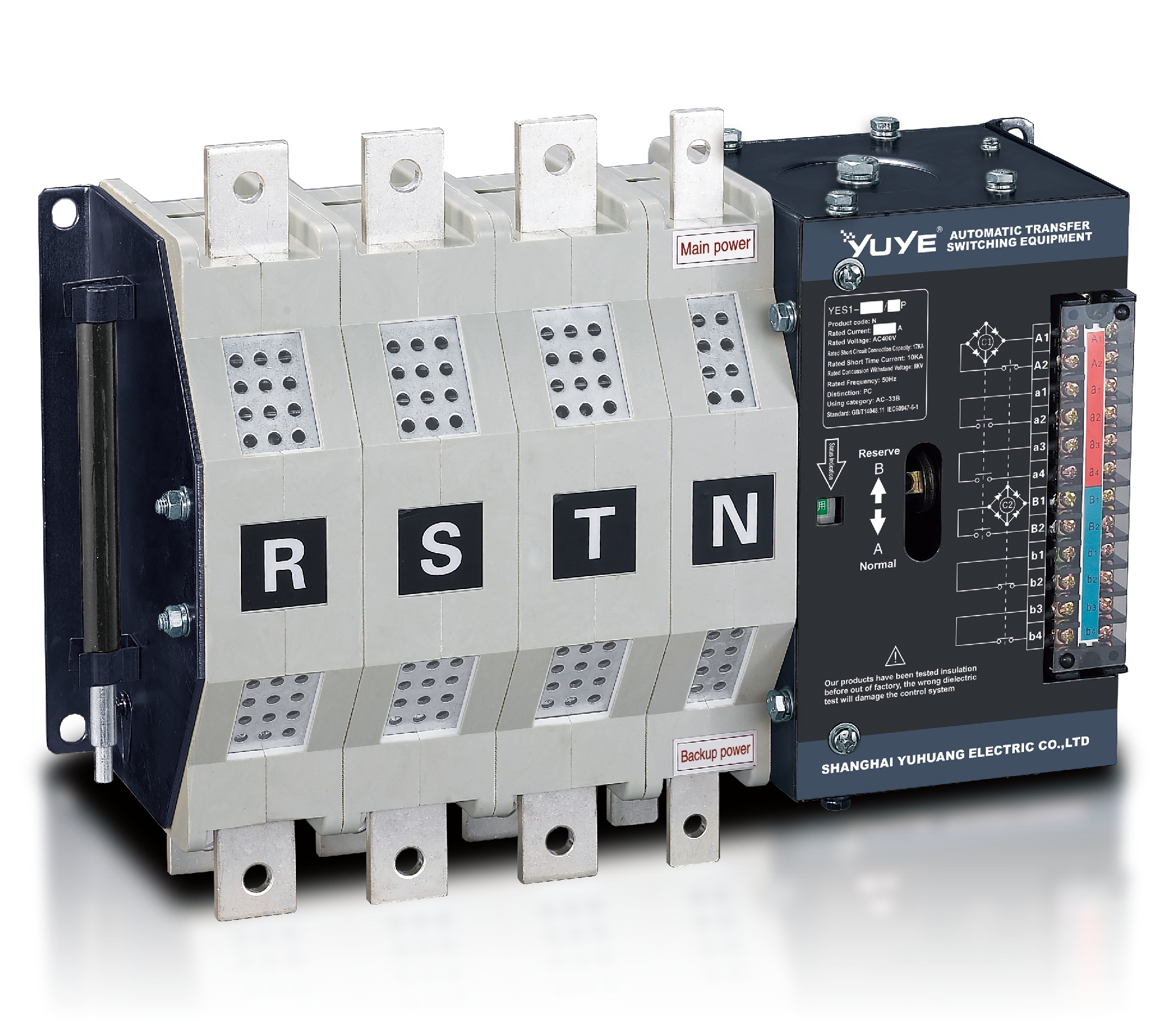 Solenoid-type ATS YES1-250~630N/NT
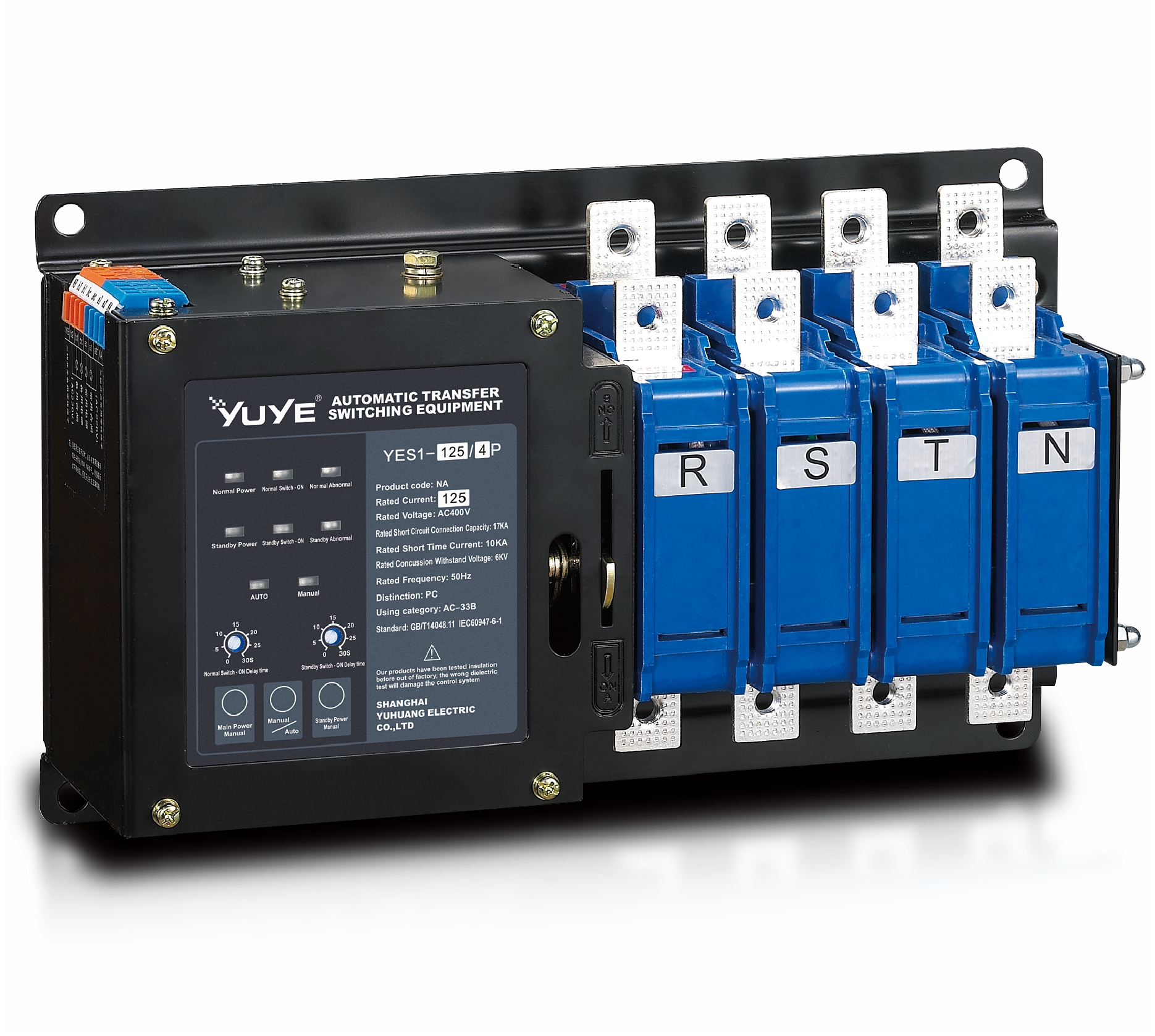 Solenoid-type ATS YES1-32~125NA
 Solenoid-type ATS YES1-63~630SN
 Solenoid-type ATS YES1-1250~4000SN
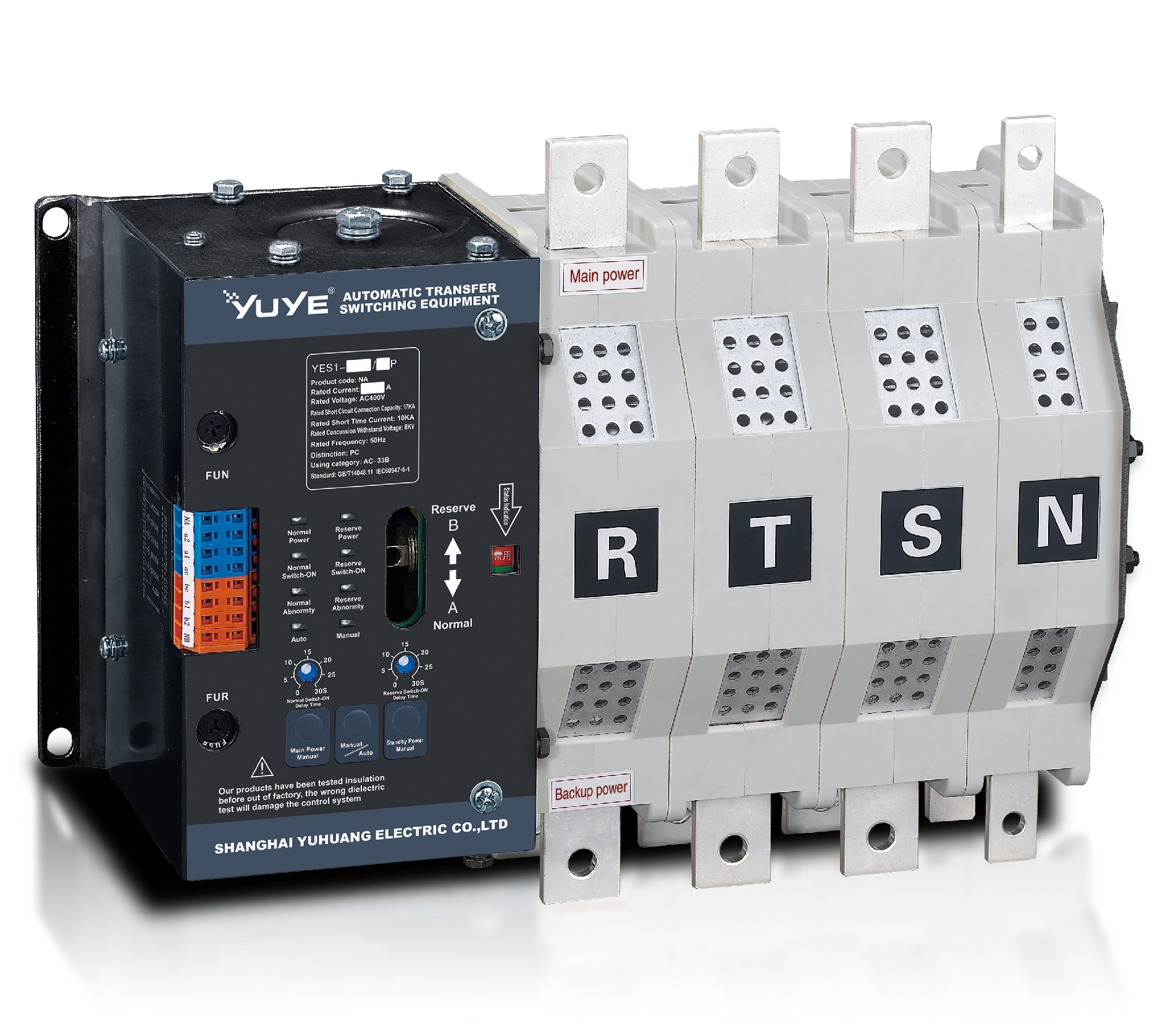 Solenoid-type ATS YES1-250~630NA/NAT
 Solenoid-type ATS YES1-63NJT
 PC ATS YES1-100~1600GN1/GN/GNF
 PC ATS YES1-2000~3200GN/GNF
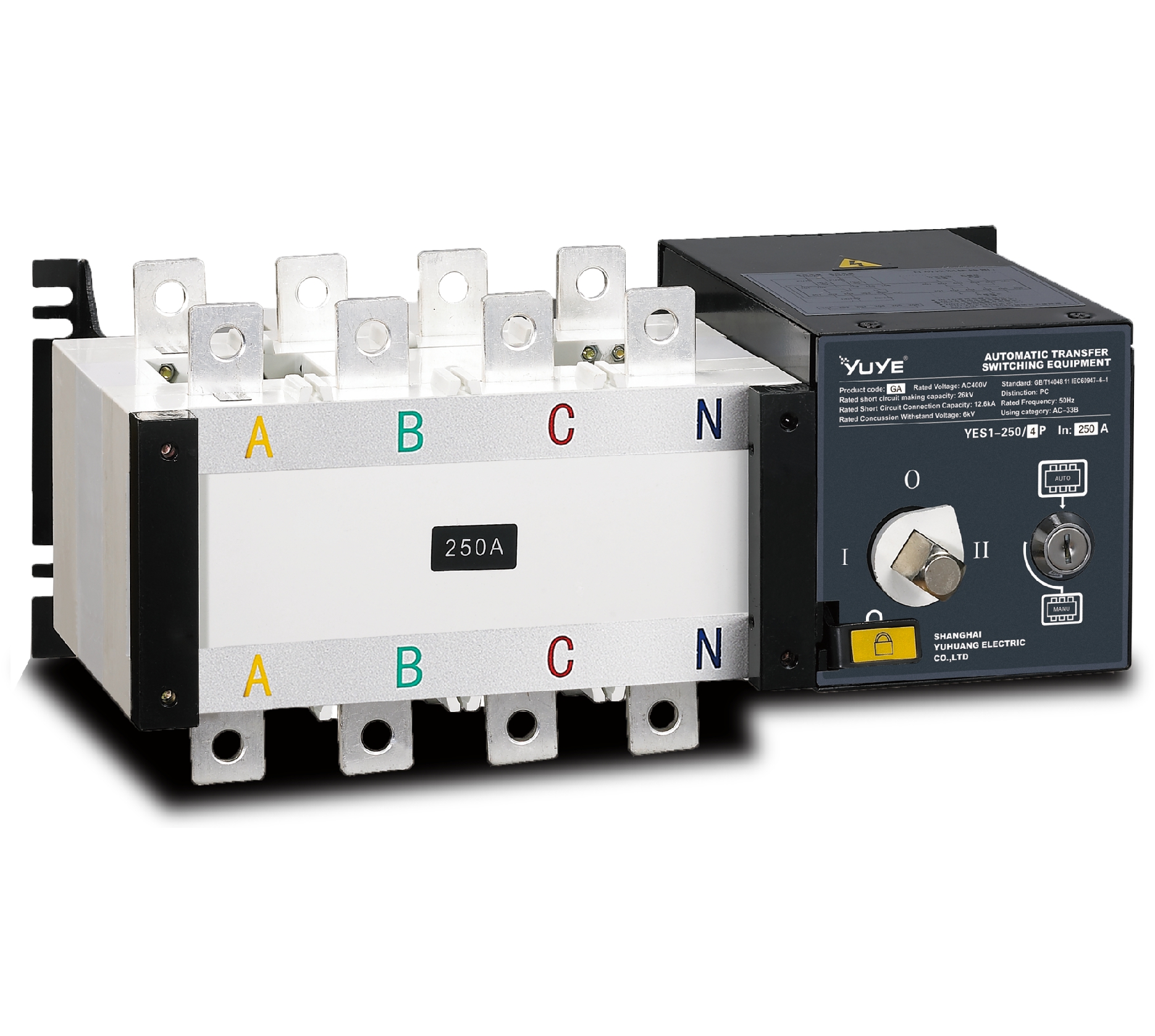 PC ATS YES1-100~3200GA1/GA
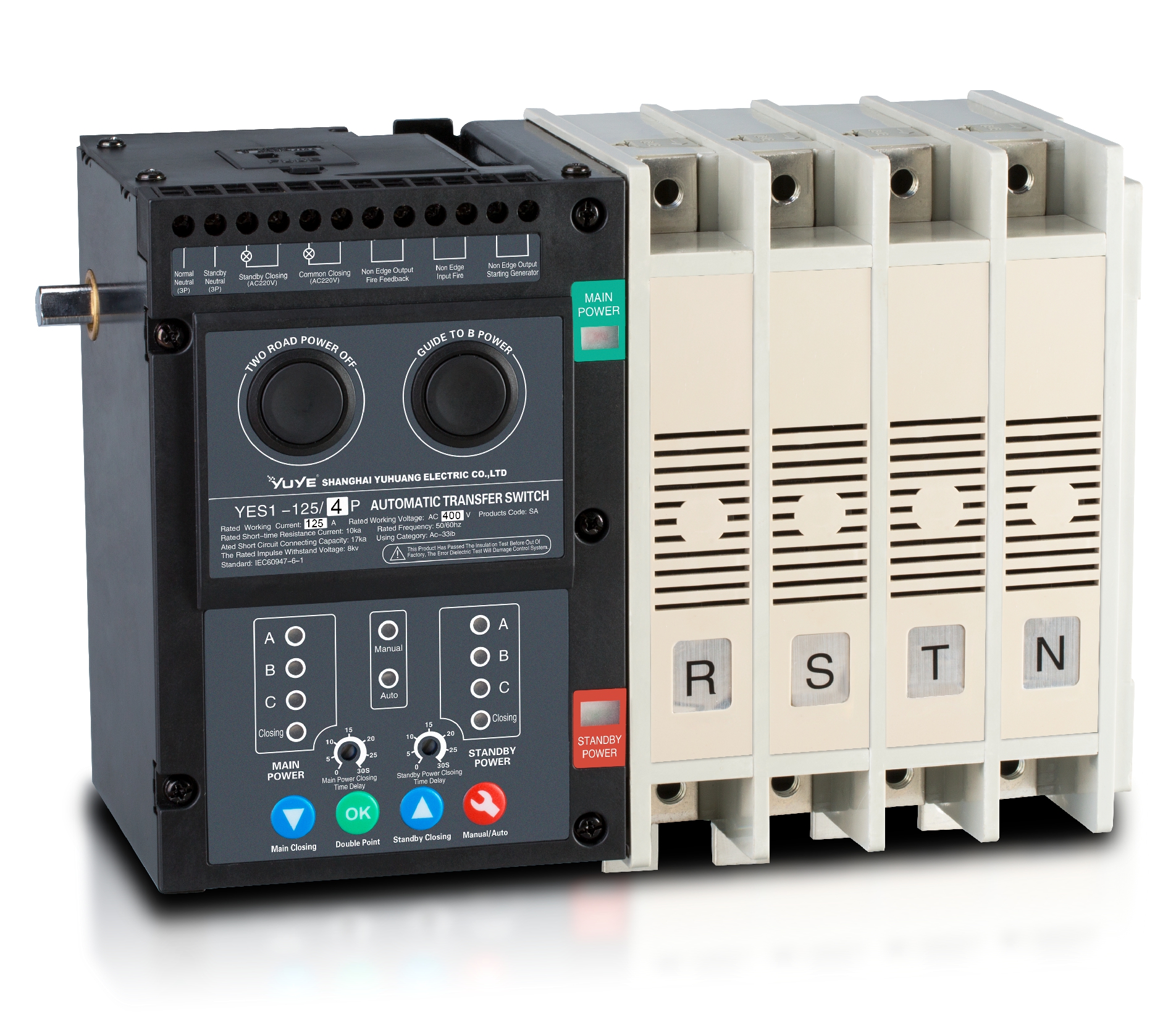 Solenoid-type ATS YES1-63~630SA
 Solenoid-type ATS YES1-63~630L/LA
 Solenoid-type ATS YES1-63~630LA3
 Solenoid-type ATS YES1-63MA
 PC ATS YES1-630~1600M
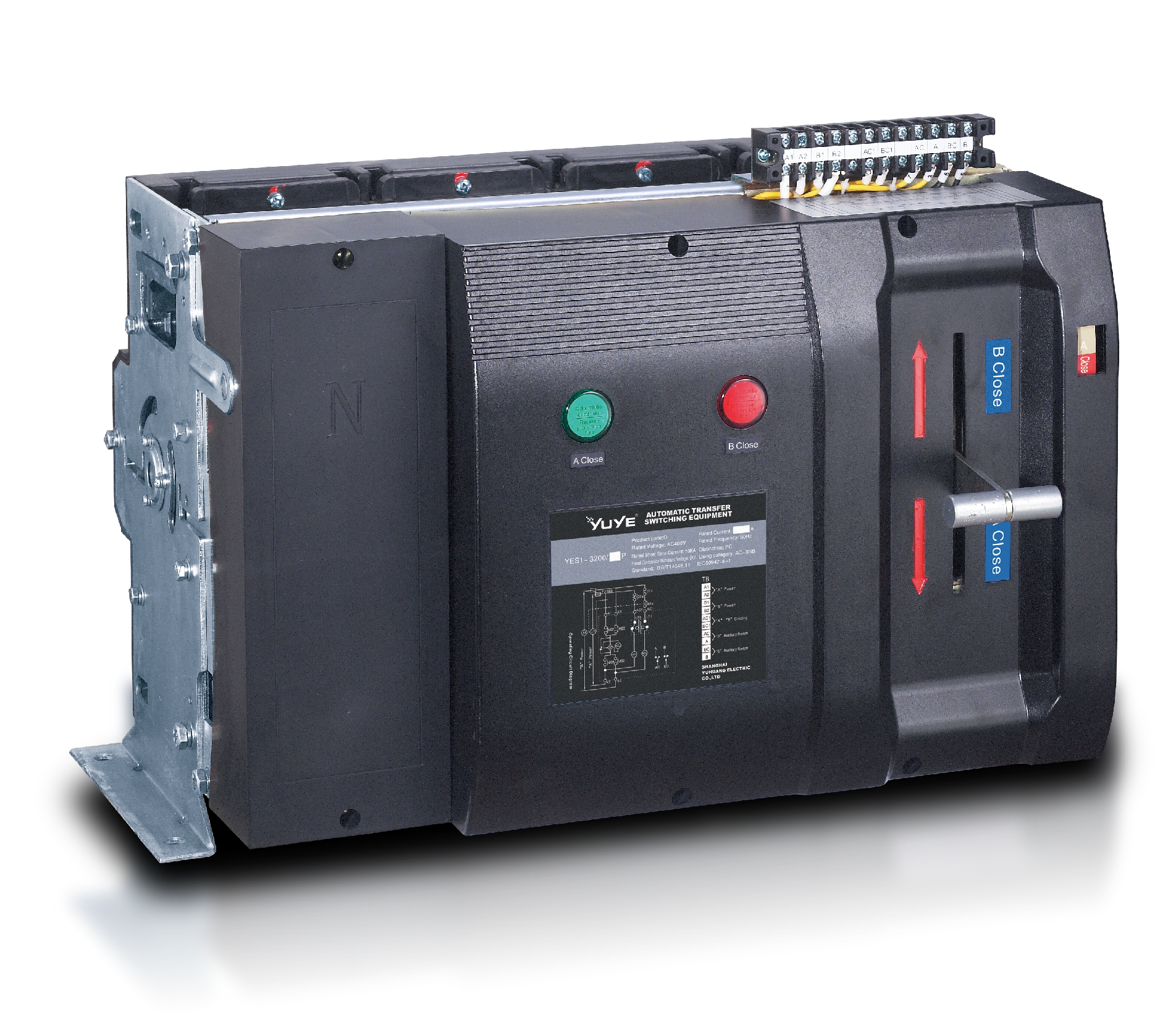 PC ATS YES1-3200Q
 Solenoid-type ATS YES1-4000~6300Q
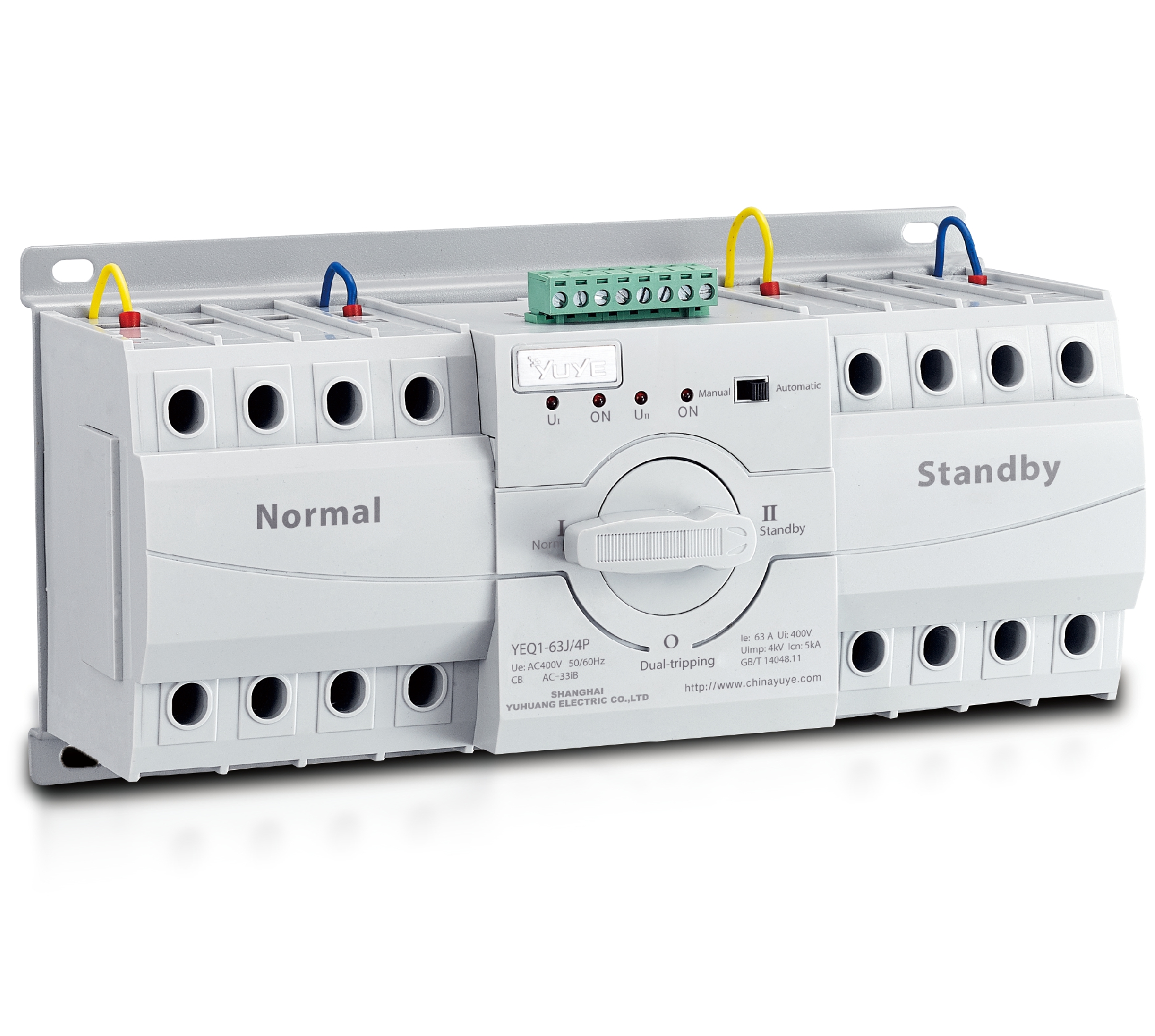 CB ATS YEQ1-63J
 CB ATS YEQ2Y-63
 CB ATS YEQ3-63W1
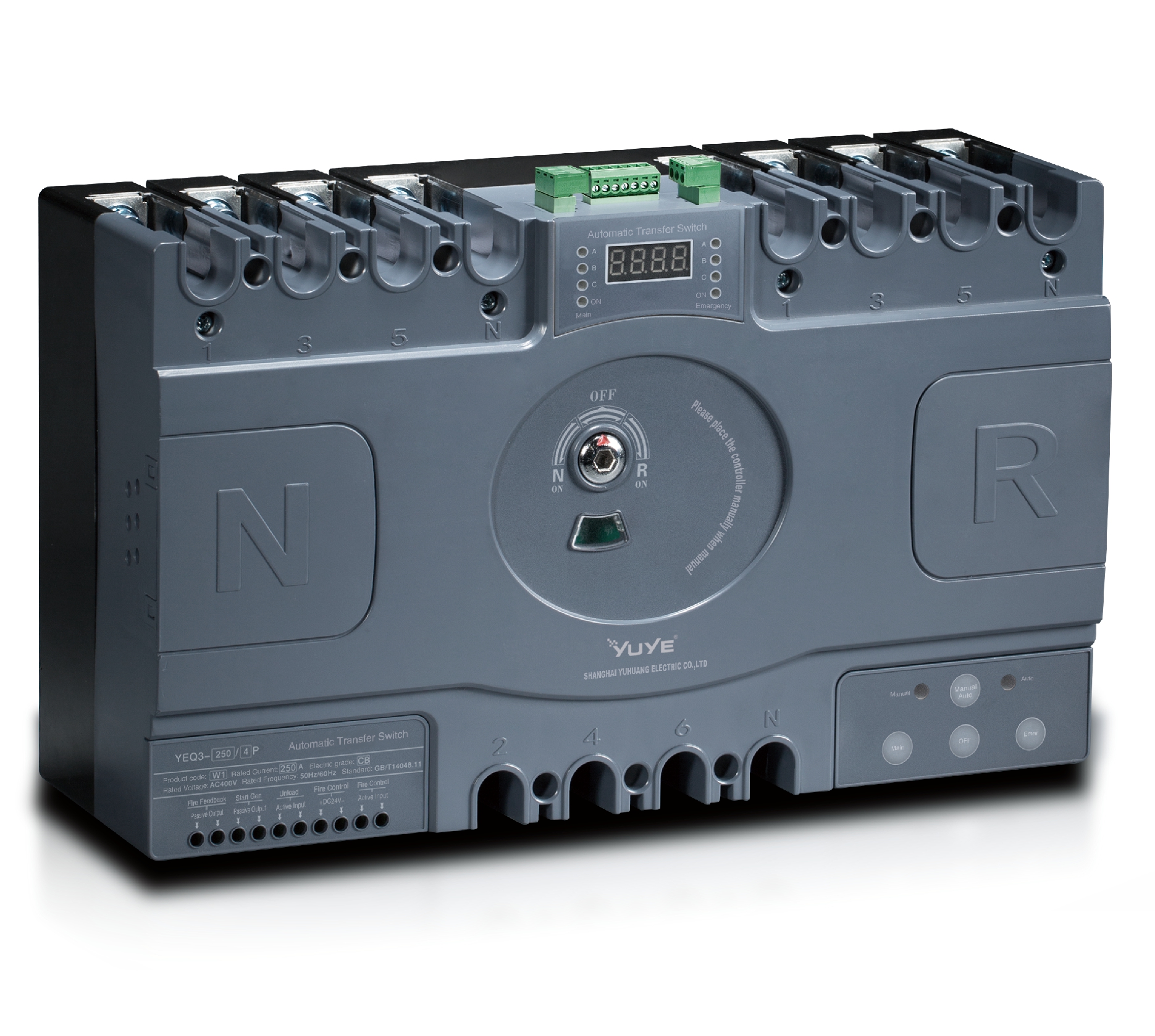 CB ATS YEQ3-125~630W1
 ATS controller Y-700
 ATS Controller Y-700N
 ATS Controller Y-701B
 ATS Controller Y-703N
 ATS Controller Y-800
 ATS Controller W2/W3 Series
 ATS switch Cabinet floor-to-ceiling
 ATS switch cabinet
 JXF-225A power Cbinet
 JXF-800A power Cbinet
 YEM3-125~800 Plastic Shell Type MCCB
 YEM3L-125~630 Leakage Type MCCB
 YEM3Z-125~800 Adjustable Type MCCB
 YEM1-63~1250 Plastic Shell Type MCCB
 YEM1E-100~800 Electronic Type MCCB
 YEM1L-100~630 Leakage Type MCCB
 Air Circuit Breaker YEW1-2000~6300
 Air Circuit Breaker YEW3-1600
 Miniature circuit breaker YEMA2-6~100
 Miniature circuit breaker YEB1-3~63
 Miniature circuit breaker YEB1LE-3~63
 Miniature circuit breaker YEPN-3~32
 Miniature circuit breaker YEPNLE-3~32
 Miniature circuit breaker YENC-63~125
 Load isolation switch YGL-63~3150
 Load Isolation Switch YGL2-63~3150
 DC relay YDC-P20
 DC relay YDC-P250
 DC relay YDC-P400
 DC relay MDC-300M
 DC relay YDC-M400
 DC Isolation Switch YEGL3D-630
 YECPS2-45~125 LCD
 YECPS-45~125 Digital
 CNC Milling/Turning-OEM


