
 PC ATS YECT1-2000G
 PC ATS YES2-63~250GN1
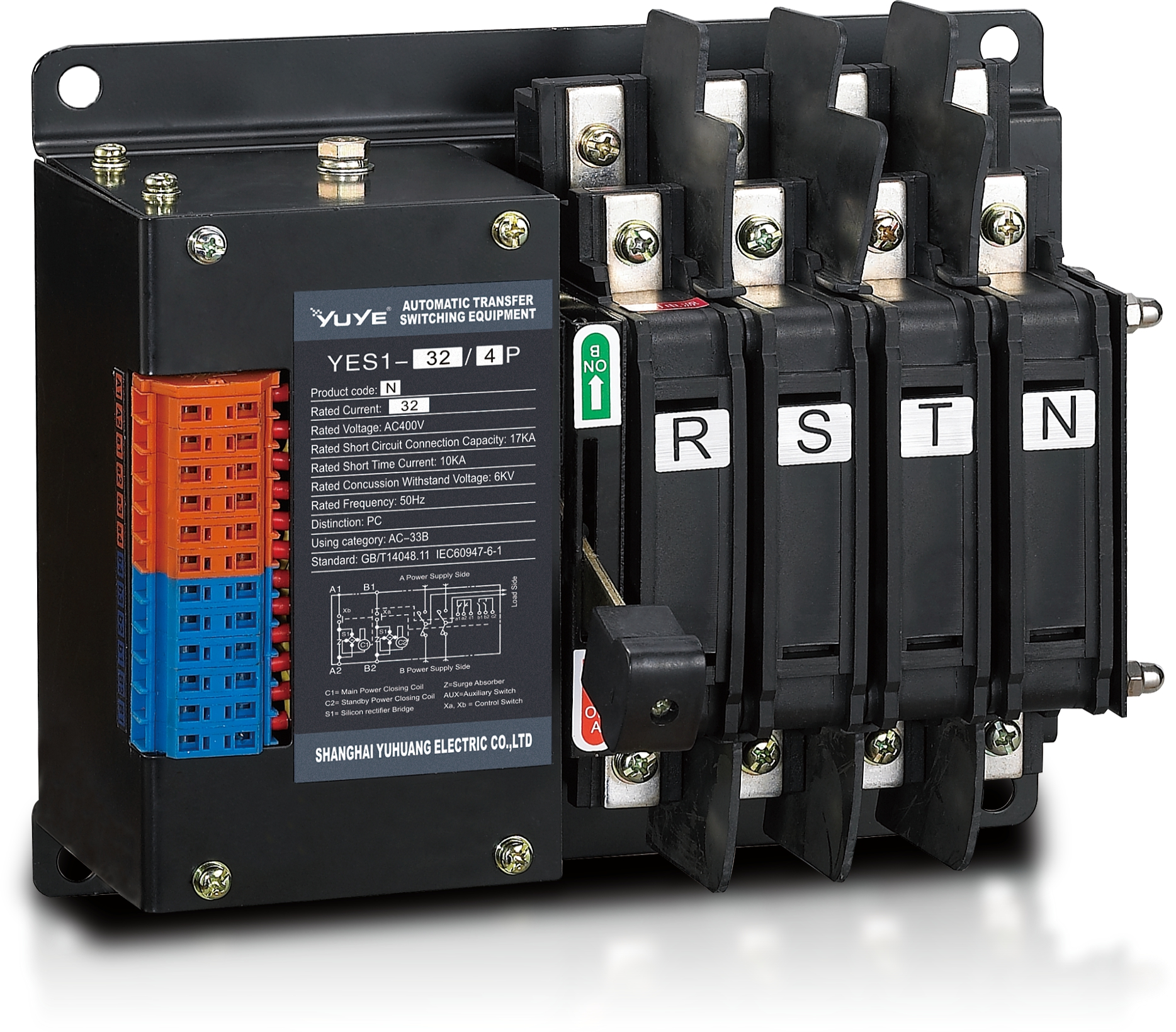 Solenoid-type ATS YES1-32~125N
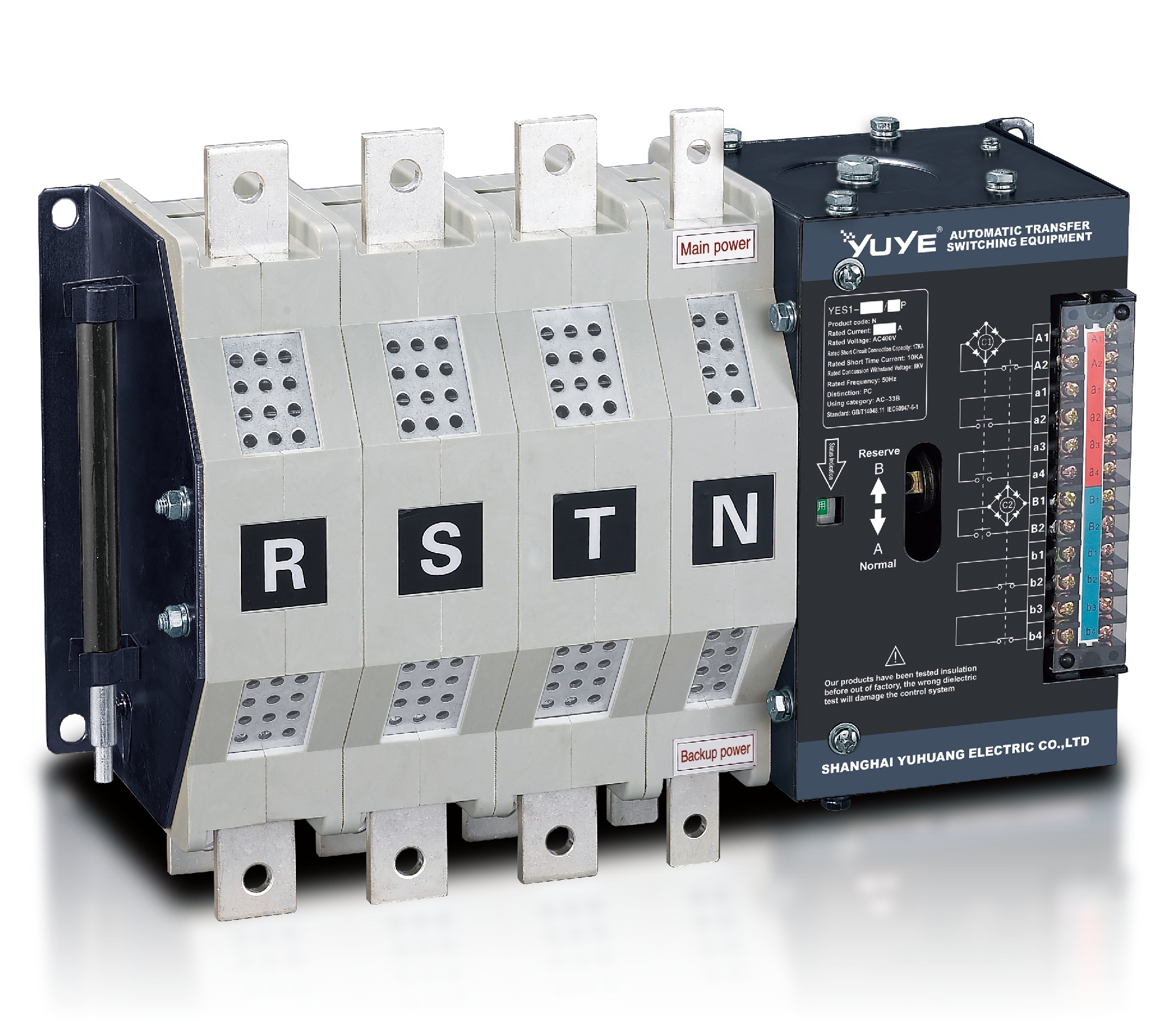 Solenoid-type ATS YES1-250~630N/NT
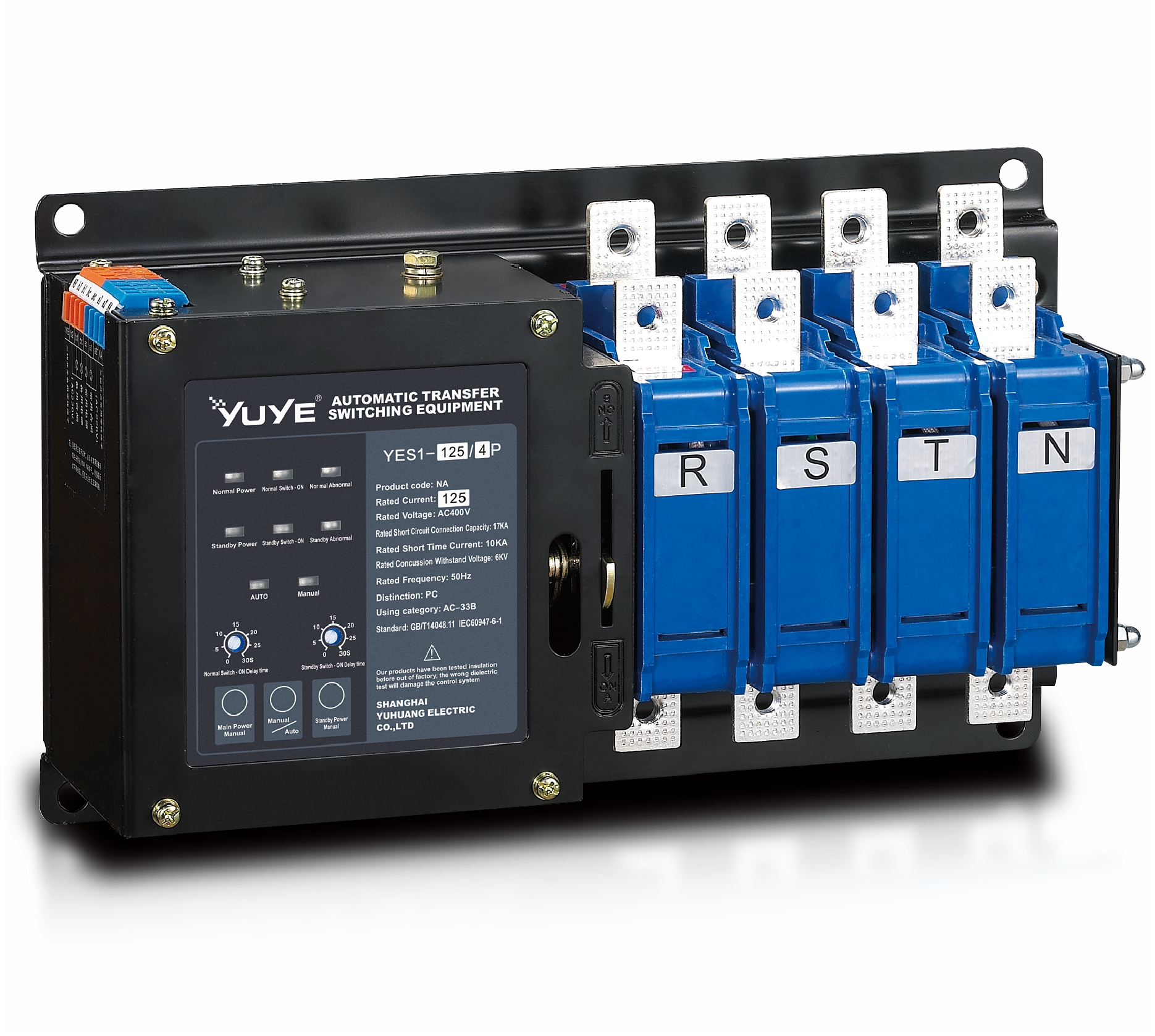 Solenoid-type ATS YES1-32~125NA
 Solenoid-type ATS YES1-63~630SN
 Solenoid-type ATS YES1-1250~4000SN
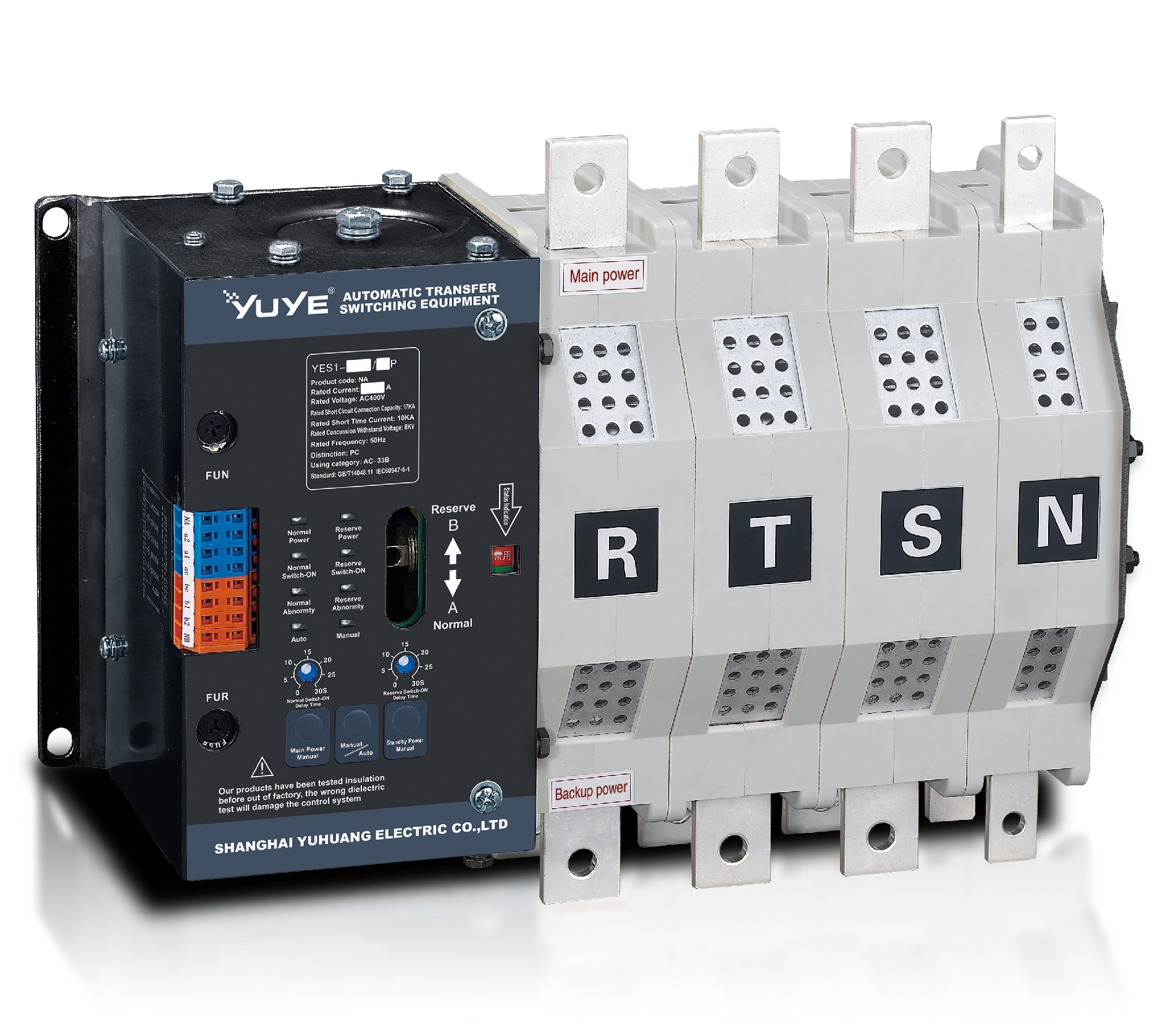 Solenoid-type ATS YES1-250~630NA/NAT
 Solenoid-type ATS YES1-63NJT
 PC ATS YES1-100~1600GN1/GN/GNF
 PC ATS YES1-2000~3200GN/GNF
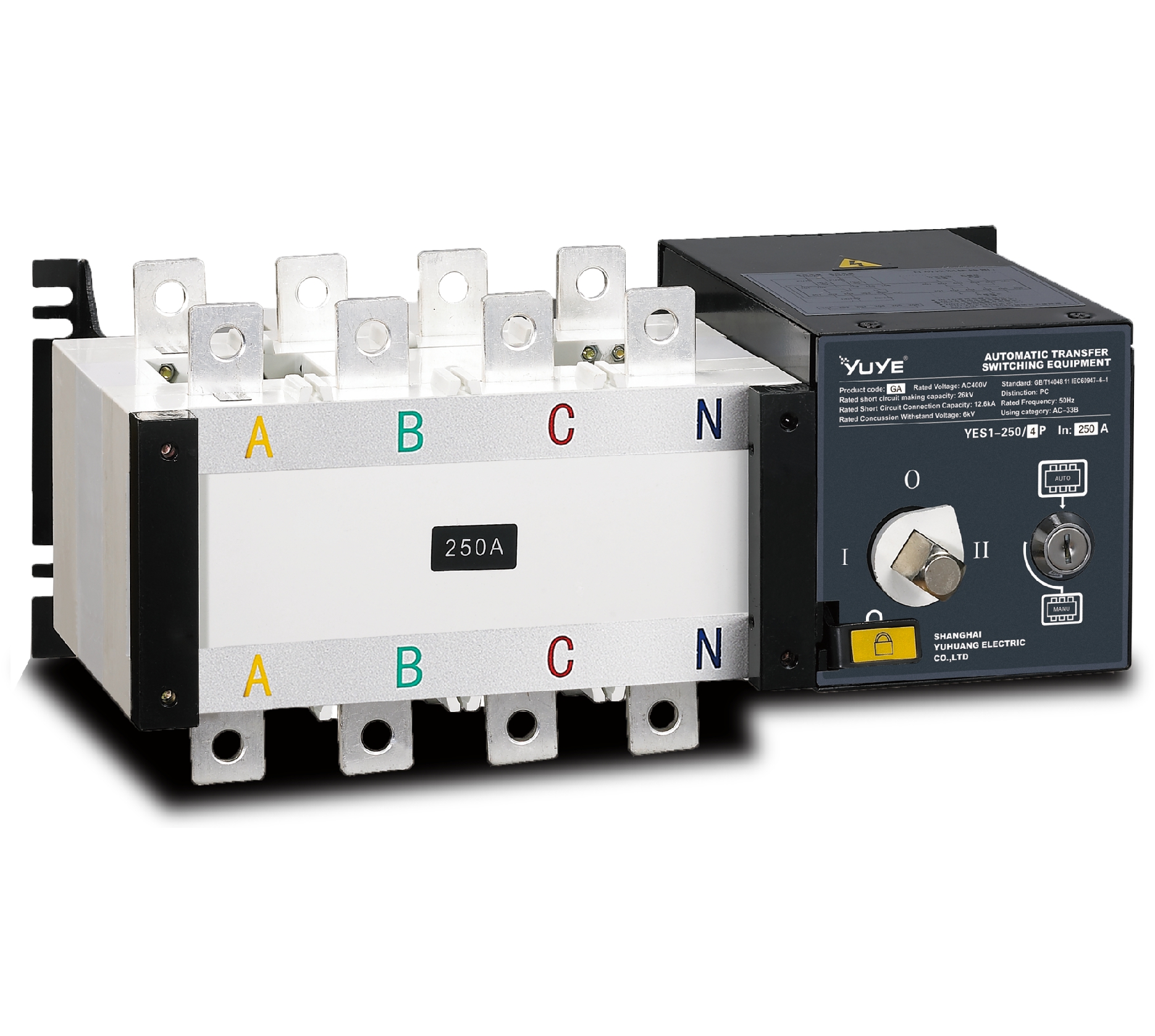 PC ATS YES1-100~3200GA1/GA
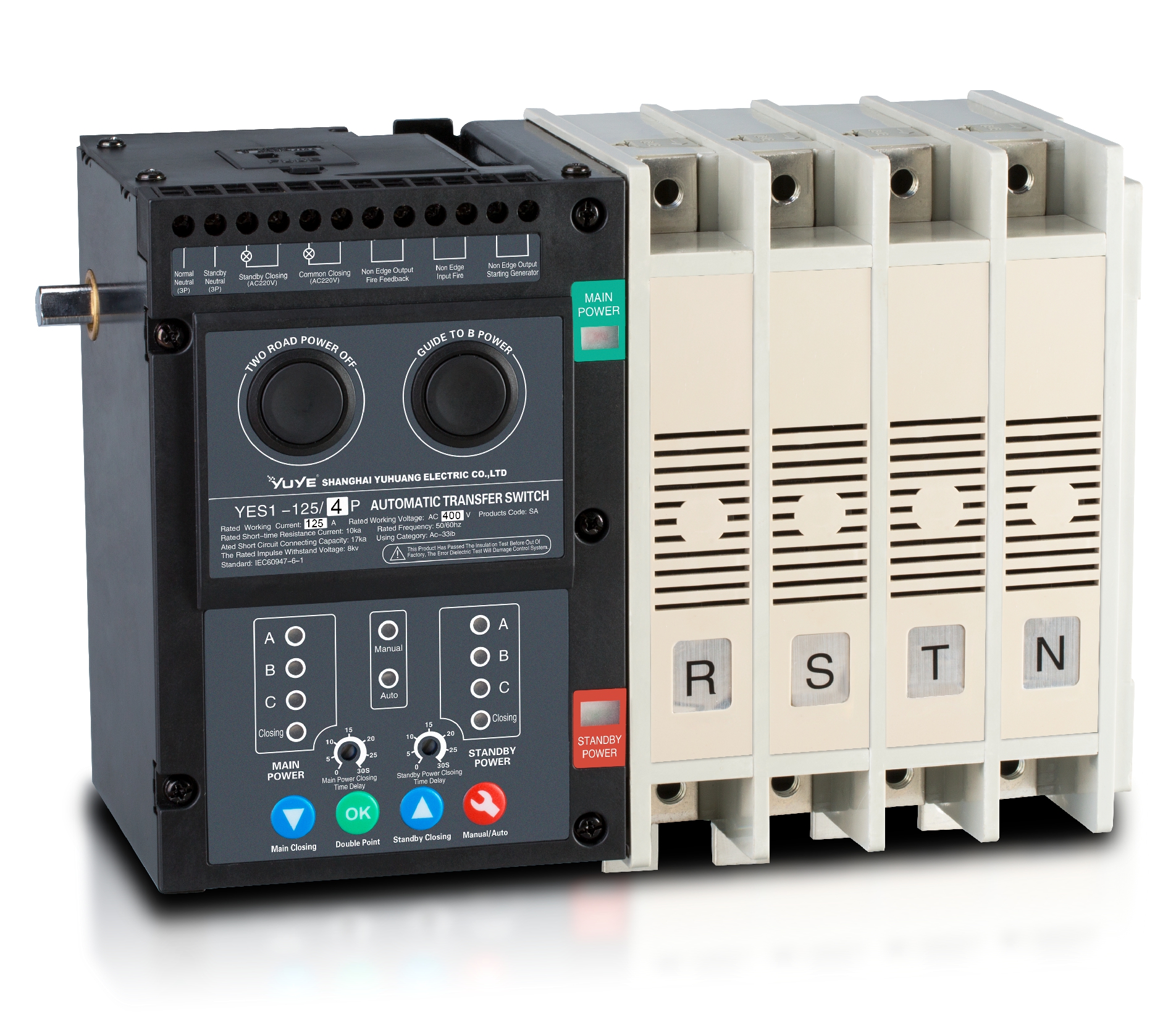 Solenoid-type ATS YES1-63~630SA
 Solenoid-type ATS YES1-63~630L/LA
 Solenoid-type ATS YES1-63~630LA3
 Solenoid-type ATS YES1-63MA
 PC ATS YES1-630~1600M
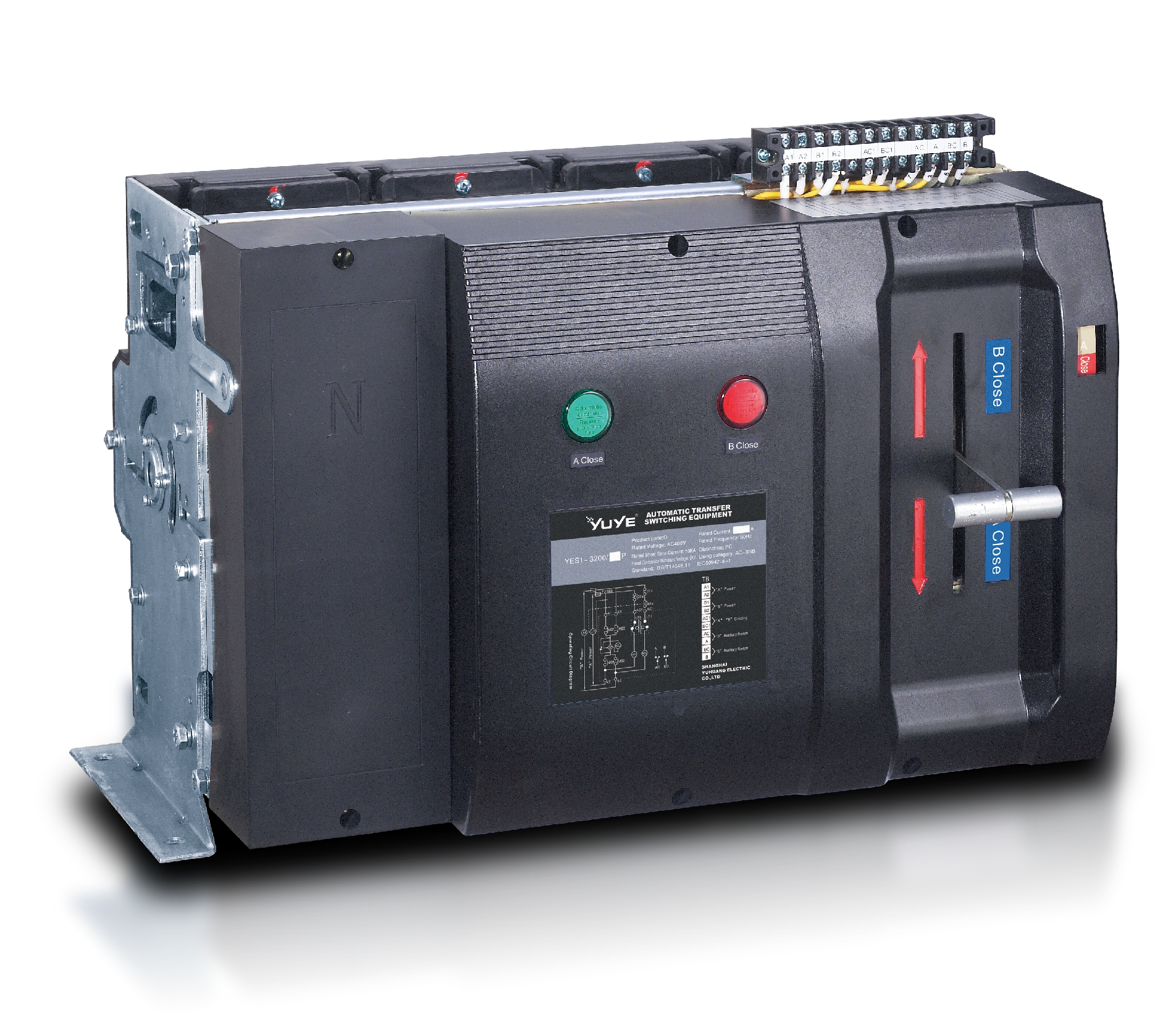 PC ATS YES1-3200Q
 Solenoid-type ATS YES1-4000~6300Q
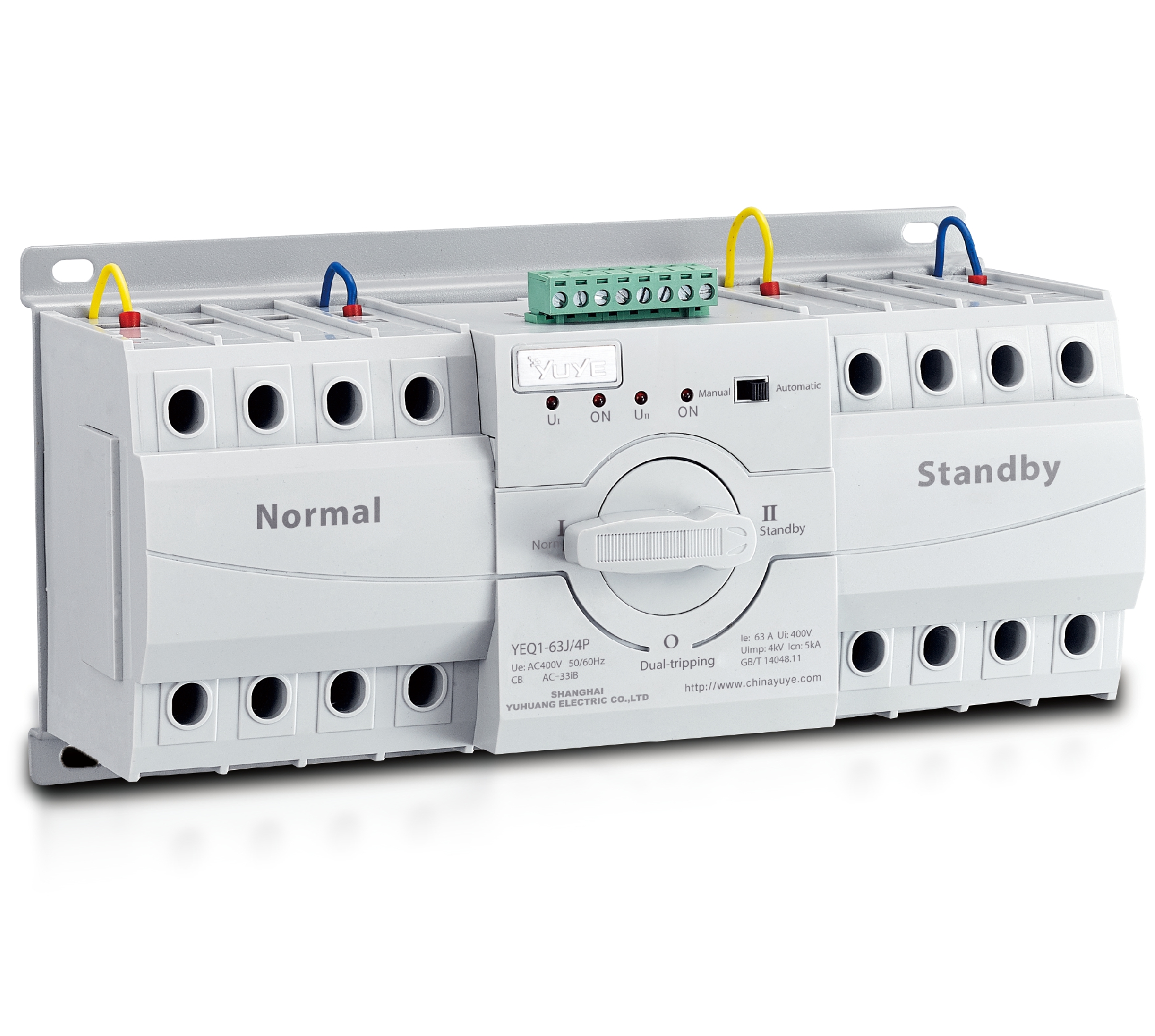 CB ATS YEQ1-63J
 CB ATS YEQ2Y-63
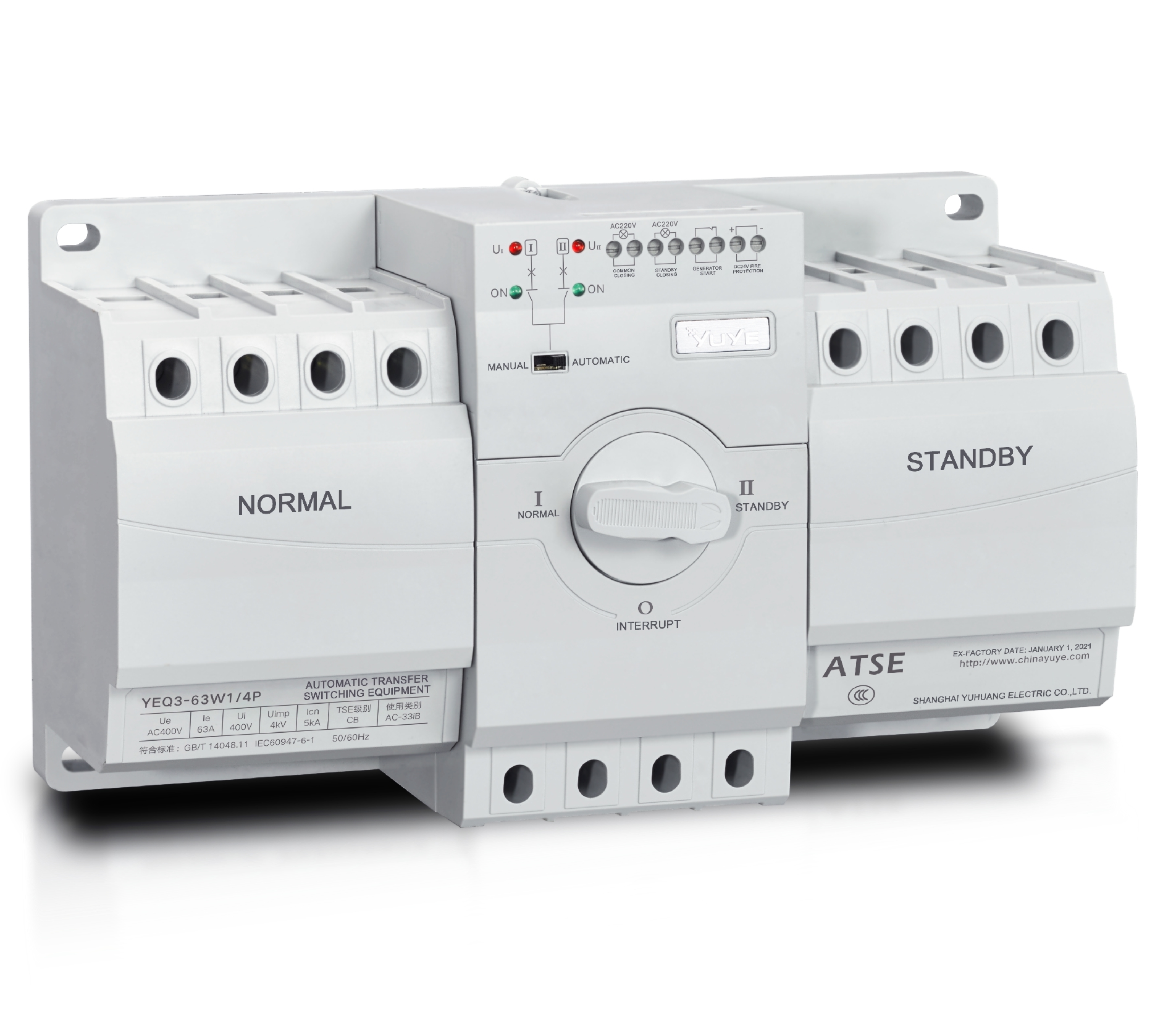 CB ATS YEQ3-63W1
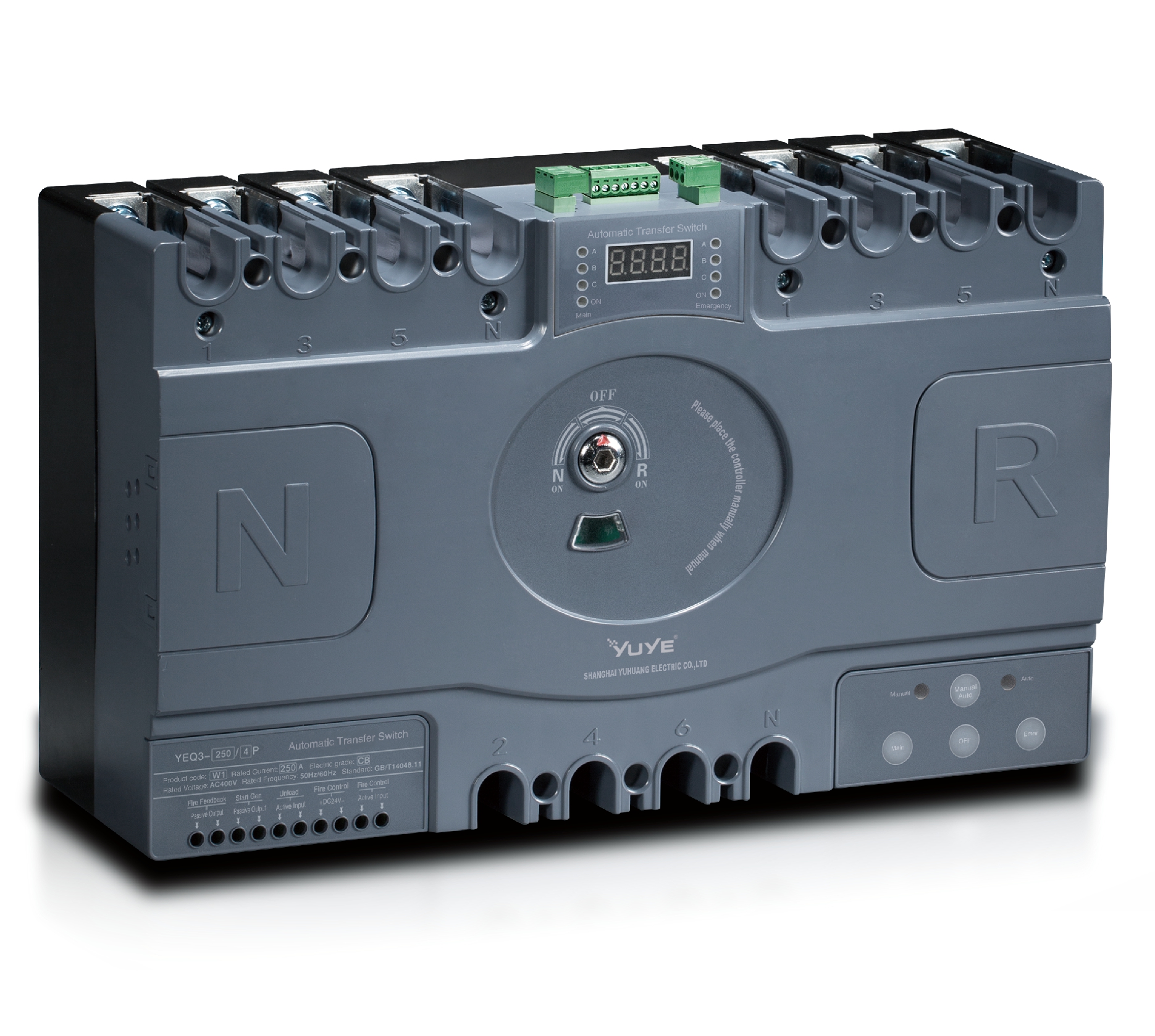 CB ATS YEQ3-125~630W1
 ATS controller Y-700
 ATS Controller Y-700N
 ATS Controller Y-701B
 ATS Controller Y-703N
 ATS Controller Y-800
 ATS Controller W2/W3 Series
 ATS switch Cabinet floor-to-ceiling
 ATS switch cabinet
 JXF-225A power Cbinet
 JXF-800A power Cbinet
 YEM3-125~800 Plastic Shell Type MCCB
 YEM3L-125~630 Leakage Type MCCB
 YEM3Z-125~800 Adjustable Type MCCB
 YEM1-63~1250 Plastic Shell Type MCCB
 YEM1E-100~800 Electronic Type MCCB
 YEM1L-100~630 Leakage Type MCCB
 Air Circuit Breaker YEW1-2000~6300
 Air Circuit Breaker YEW3-1600
 Miniature circuit breaker YEMA2-6~100
 Miniature circuit breaker YEB1-3~63
 Miniature circuit breaker YEB1LE-3~63
 Miniature circuit breaker YEPN-3~32
 Miniature circuit breaker YEPNLE-3~32
 Miniature circuit breaker YENC-63~125
 Load isolation switch YGL-63~3150
 Load Isolation Switch YGL2-63~3150
 DC relay YDC-P20
 DC relay YDC-P250
 DC relay YDC-P400
 DC relay MDC-300M
 DC relay YDC-M400
 DC Isolation Switch YEGL3D-630
 YECPS2-45~125 LCD
 YECPS-45~125 Digital
 CNC Milling/Turning-OEM
I. Introduction
High-current automatic transfer switches undertake dual-power switching tasks for industrial and commercial power distribution cabins. Long-term heavy-load operation, harsh site environment and human operational errors will trigger unpredictable running faults, disrupting power supply continuity for core equipment. As a mainstream heavy-duty switching component, ATS 630A has exclusive fault characteristics different from small-specification ATS. Blind maintenance will aggravate component damage and expand system faults. This article categorizes typical operational faults, sorts out standardized inspection flows and on-site repair schemes, providing targeted technical guidance for on-site maintenance staff.
II. Overview of Typical Operating Faults of ATS 630A
Combined with field operation data, daily faults of ATS 630A are divided into four independent categories: mechanical action faults, power switching faults, high-temperature heating faults and intelligent control faults, each with fixed fault manifestation rules.
External and internal fault triggers are summarized separately. External triggers include grid phase loss, voltage surge and damp cabinet environment; internal triggers cover mechanical part abrasion, aging control chips and irregular on-site wiring construction.
For on-site safety management, faults are classified into general recoverable faults and hazardous faults. Hazardous faults such as arcing contact and serious terminal heating require immediate power cut for disposal, to avoid electrical short-circuit accidents.
III. Inspection Steps for Abnormal Power Switching
Before troubleshooting switching faults, finish safety pre-inspection: verify mains and standby power voltage value, observe mechanical contact reset state, and record real-time data on the controller panel to exclude misjudgment caused by normal grid fluctuation.
Follow sequential inspection steps for failed automatic switching: check power sampling loop first, confirm controller identification capacity, detect transmission gear flexibility, and verify switching delay parameter settings one by one.
For frequent back-and-forth switching faults, focus on threshold parameter deviation and unstable power input. Adjust voltage switching threshold reasonably, and isolate interference power loops to eliminate repeated switching behaviors effectively.

IV. Troubleshooting for Overheating and Circuit Abnormality
Terminal and busbar overheating is the most frequent high-current fault for ATS devices. Maintenance staff shall judge fault severity via temperature detection tools, distinguishing mild temperature rise and dangerous overheating beyond rated temperature limit.
Core causes of circuit abnormality include insufficient wire carrying capacity, rusted contact interfaces, loose fixed terminals and unqualified grounding wiring. Most heating faults are not caused by product quality defects, but non-standard wiring construction.
Effective on-site solutions include polishing oxidized contact surfaces, re-fastening terminal bolts, upgrading matched high-current cables, and optimizing cabinet ventilation structures to reduce accumulated heat inside the device.
V. Diagnosis of Control System and Signal Failures
Control system faults feature obvious symptoms, including controller blackout, stored parameter loss, failure to receive remote control signals, and inaccurate power sampling feedback.
Most signal disorder faults come from on-site electromagnetic interference near high-power equipment, partial burnout of control board power ports, and loose signal wiring terminals. Differentiate interference faults and hardware damage faults for classified disposal.
On-site simple debugging methods cover controller factory reset, external anti-interference wiring installation, signal terminal reconnection and backup parameter import, which can solve most non-destructive control failures quickly.
VI. Daily Maintenance to Reduce ATS 630A Malfunctions
Regular routine maintenance is the most economical way to cut down fault rates. Fixed-cycle work includes interior dust clearance, rotating gear lubrication, terminal fastening inspection and control circuit function test for heavy-load ATS equipment.
Implement targeted seasonal maintenance. In rainy humid seasons, add dehumidification devices inside distribution cabinets to prevent metal part corrosion; in dry dusty seasons, enhance airtight protection to avoid dust stacking on conductive contacts.
Standardized daily patrol can eliminate hidden risks in advance, greatly lowering the overhaul frequency and operational failure rate of ATS 630A in long-term project operation.
VII. Conclusion
To sum up, field faults of ATS 630A focus on switching disorder, partial overheating and control signal abnormality. Scientific fault classification, step-by-step inspection and standardized maintenance can improve troubleshooting efficiency greatly.
Maintenance personnel shall abide by power-off operation norms, match repair schemes with fault types, and complete periodic patrol maintenance. It can keep stable dual-power switching performance, and guarantee continuous and safe power supply for heavy-load power distribution systems.
References
1. IEC 60947-6-1, Operation and Fault Maintenance Standard for Automatic Transfer Switching Equipment, 2023.
2. Heavy-Current Low-Voltage Distribution Equipment On-Site Fault Diagnosis Manual.
3. Electrical Cabinet Environment Optimization and Component Anti-Aging Maintenance Specification.
4. On-Site Electrical Maintenance Safety Operation Management Guidelines.
FAQ
Q1: What is the most common fault of ATS 630A in daily operation?
A1: Abnormal automatic power switching and terminal partial overheating are the two most common faults, mostly caused by parameter deviation and loose wiring terminals.
Q2: How to rule out electromagnetic interference signal faults quickly?
A2: Isolate control lines from high-power power lines, add shielding wires for signal loops, and restart the controller to remove temporary signal disorder.
Q3: Can worn mechanical gears be repaired on site directly?
A3: Minor abrasion can be lubricated and adjusted on site; severely deformed gears need integral replacement to avoid switching jamming again.
Q4: Why does ATS 630A heat up rapidly after long-term full-load operation?
A4: Long-term contact oxidation, poor cabinet heat dissipation and unmaintained dust accumulation will raise contact resistance, leading to rapid temperature rise under 630A rated current.
Q5: What safety rules must follow during ATS 630A troubleshooting?
A5: Conduct full power-off for both mains and standby power, hang warning signs, and test voltage with measuring tools before touching internal components for maintenance.
