
 PC ATS YECT1-2000G
 PC ATS YES2-63~250GN1
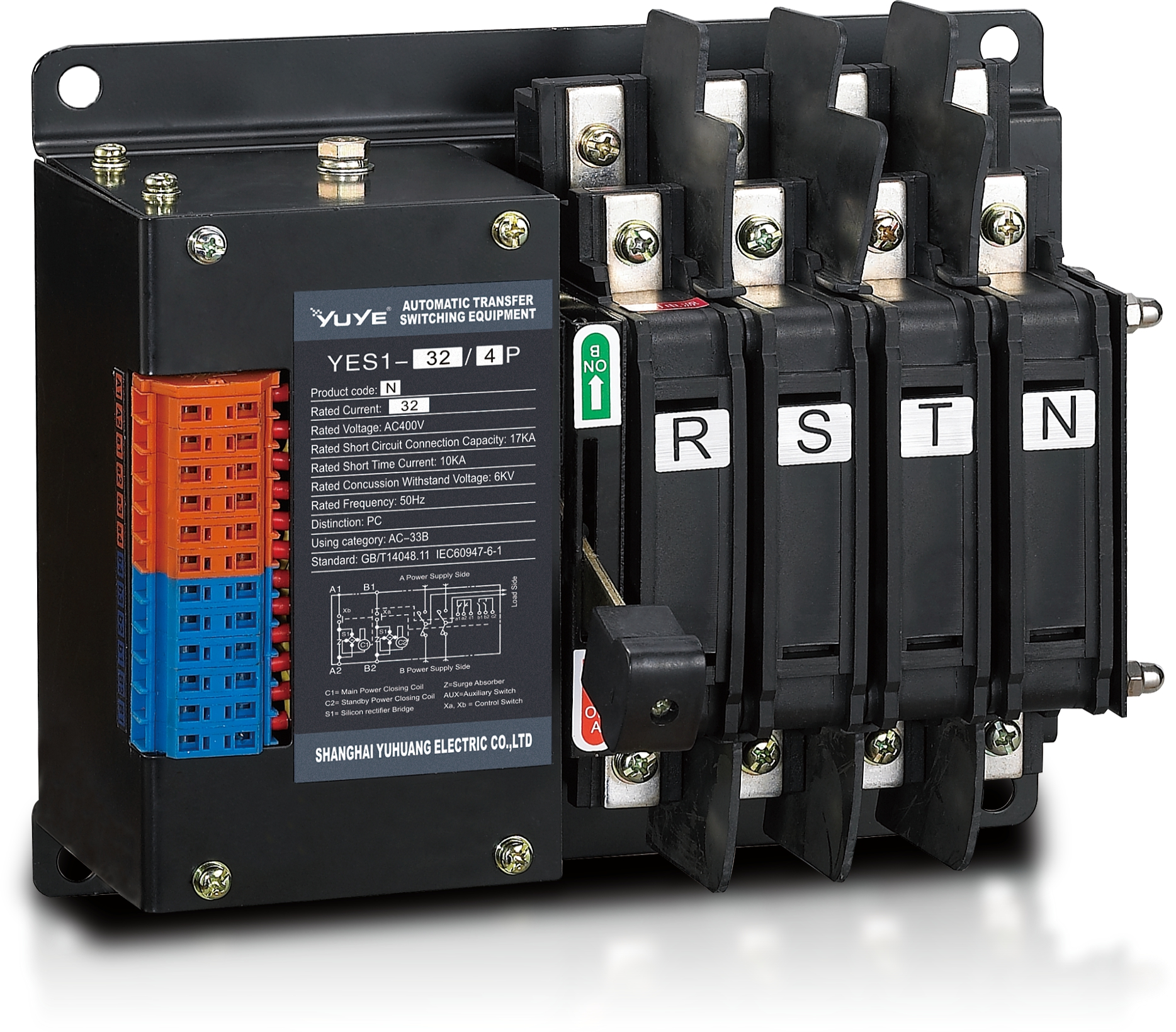 Solenoid-type ATS YES1-32~125N
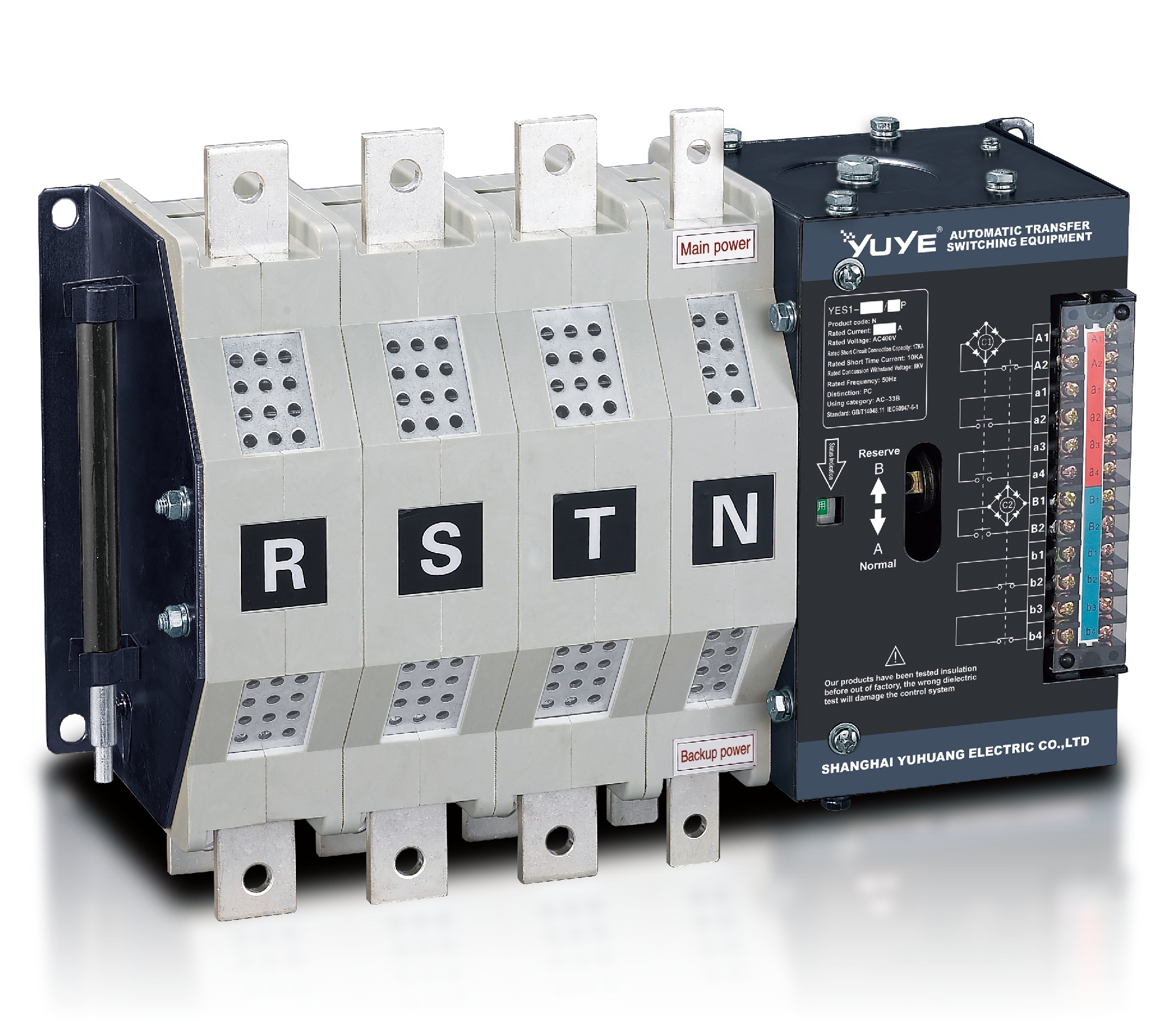 Solenoid-type ATS YES1-250~630N/NT
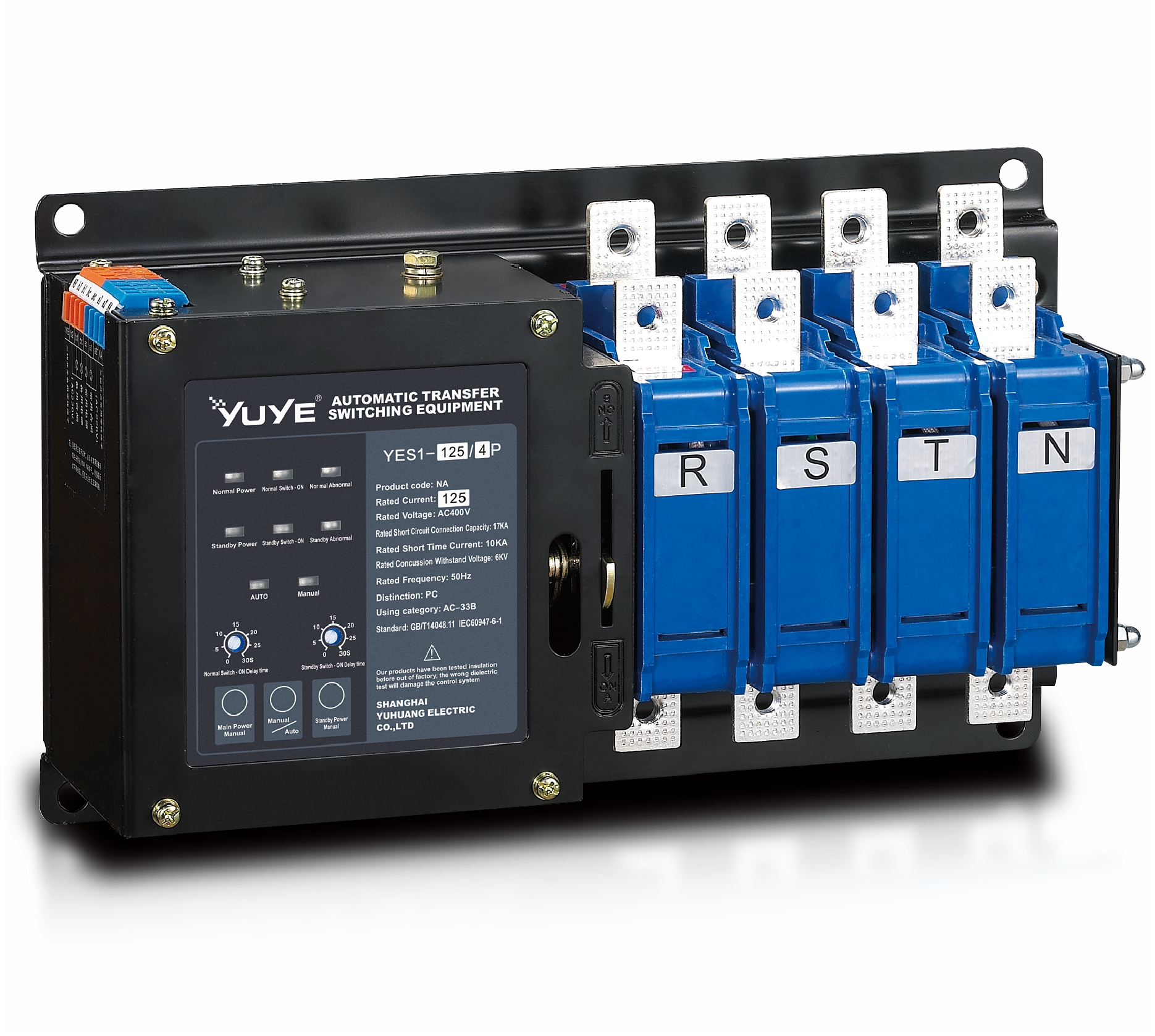 Solenoid-type ATS YES1-32~125NA
 Solenoid-type ATS YES1-63~630SN
 Solenoid-type ATS YES1-1250~4000SN
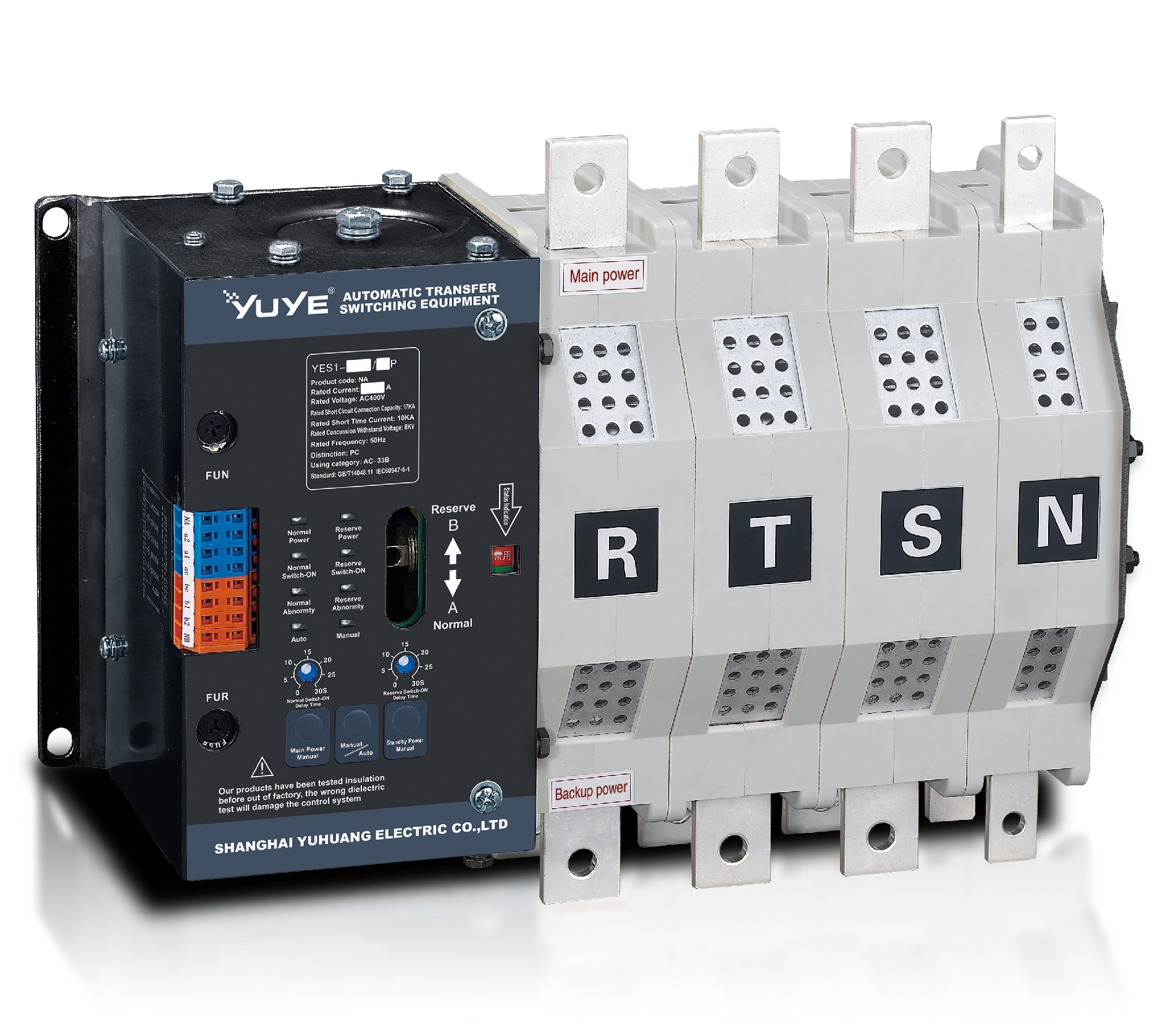 Solenoid-type ATS YES1-250~630NA/NAT
 Solenoid-type ATS YES1-63NJT
 PC ATS YES1-100~1600GN1/GN/GNF
 PC ATS YES1-2000~3200GN/GNF
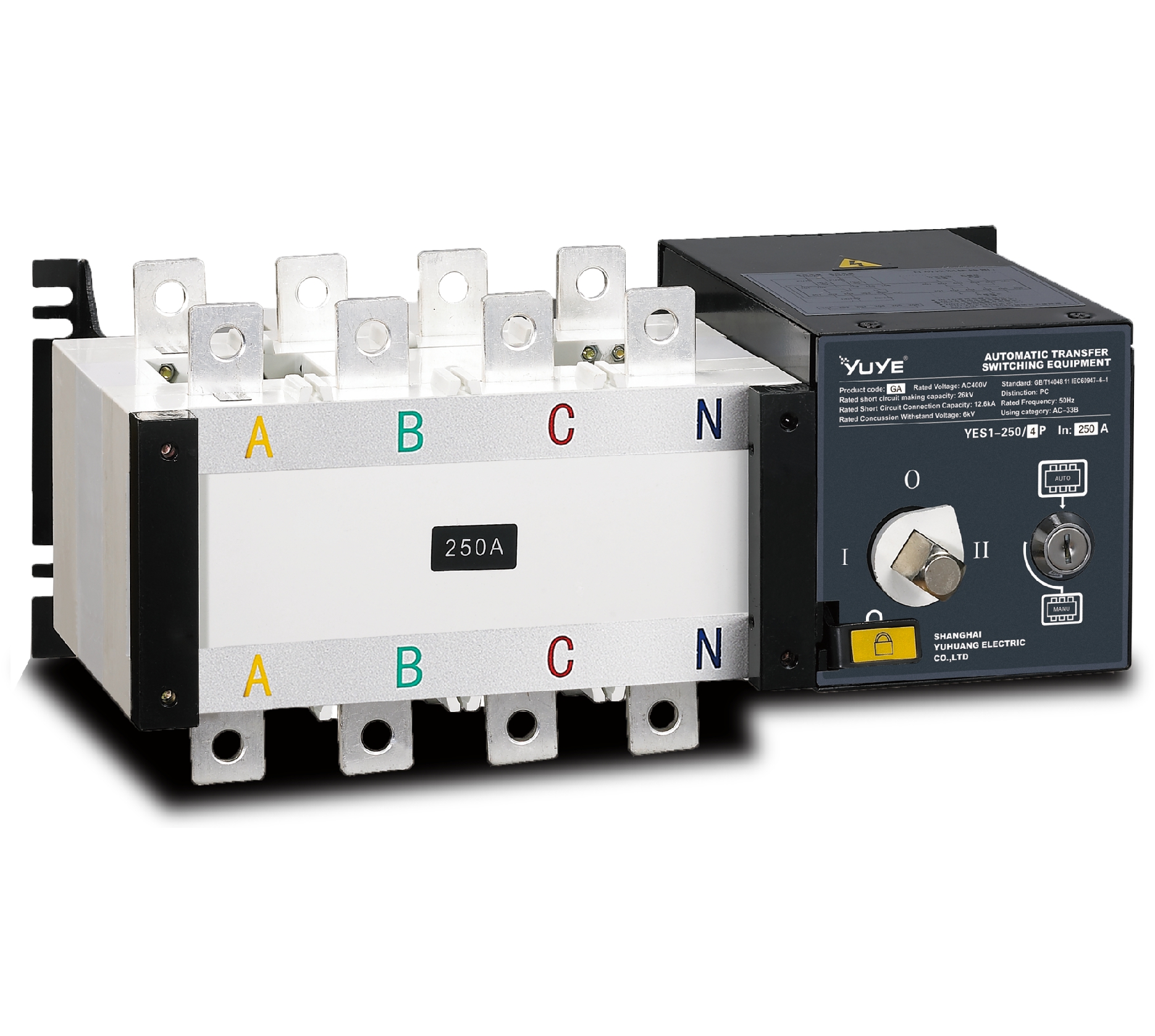 PC ATS YES1-100~3200GA1/GA
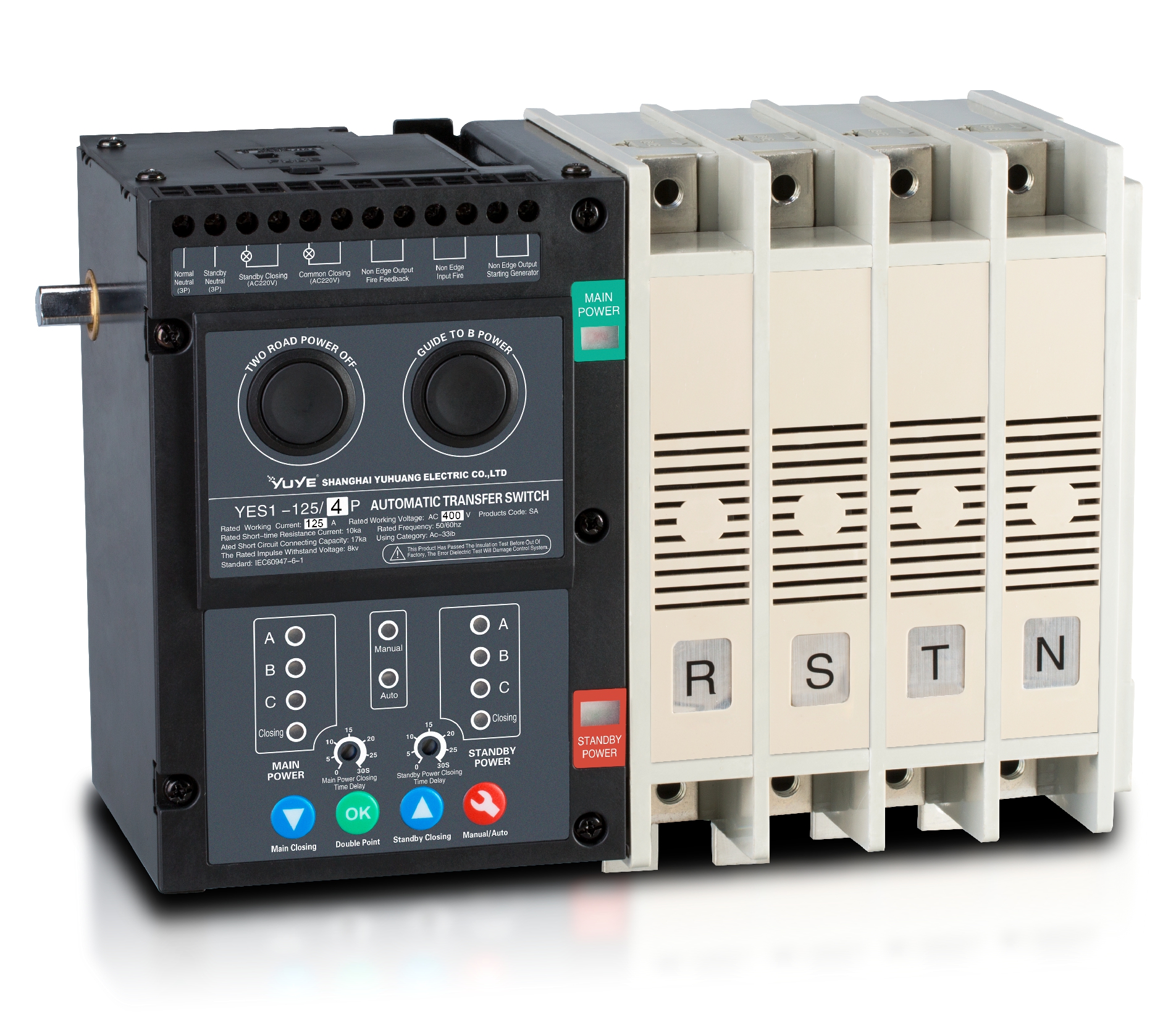 Solenoid-type ATS YES1-63~630SA
 Solenoid-type ATS YES1-63~630L/LA
 Solenoid-type ATS YES1-63~630LA3
 Solenoid-type ATS YES1-63MA
 PC ATS YES1-630~1600M
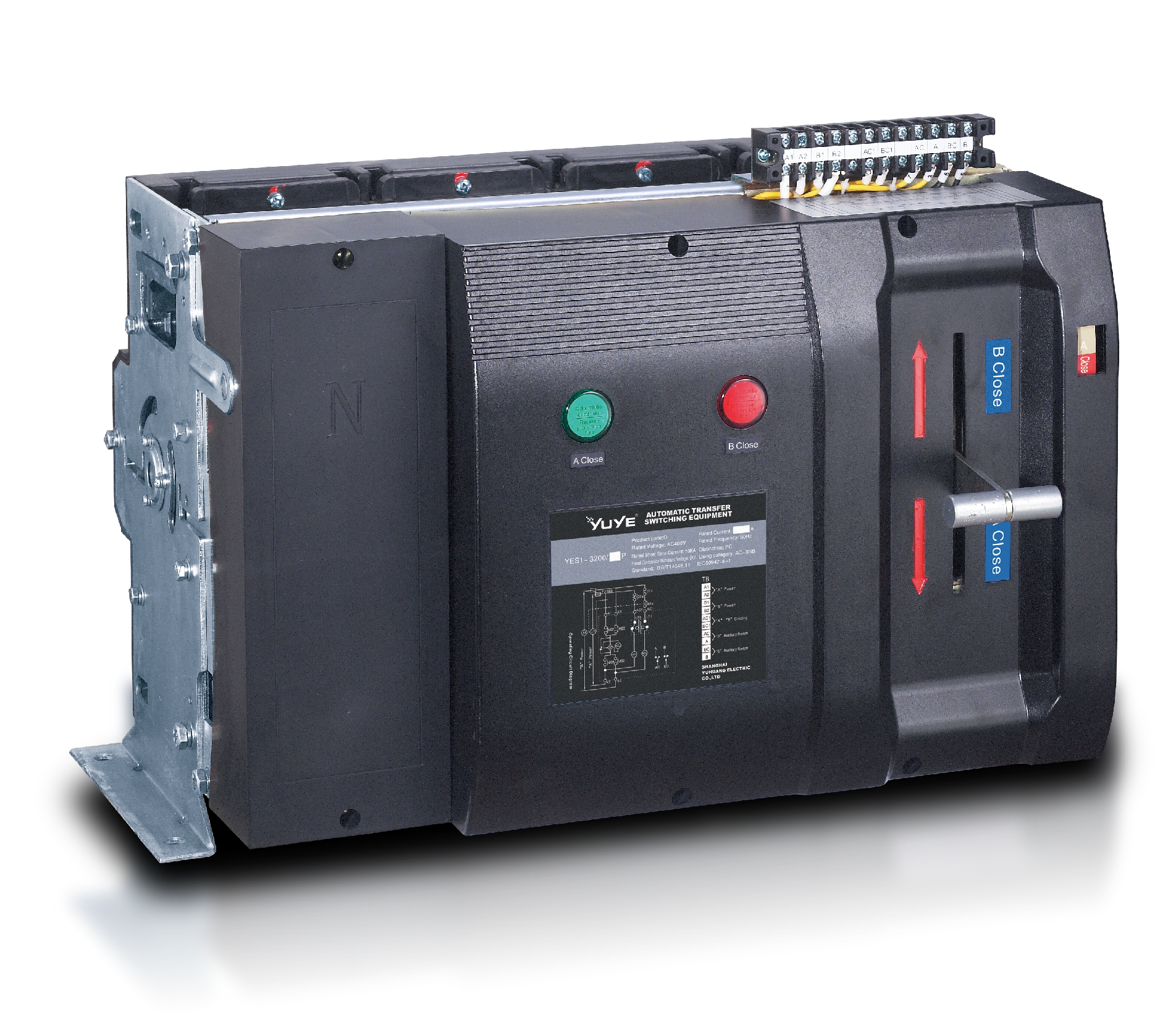 PC ATS YES1-3200Q
 Solenoid-type ATS YES1-4000~6300Q
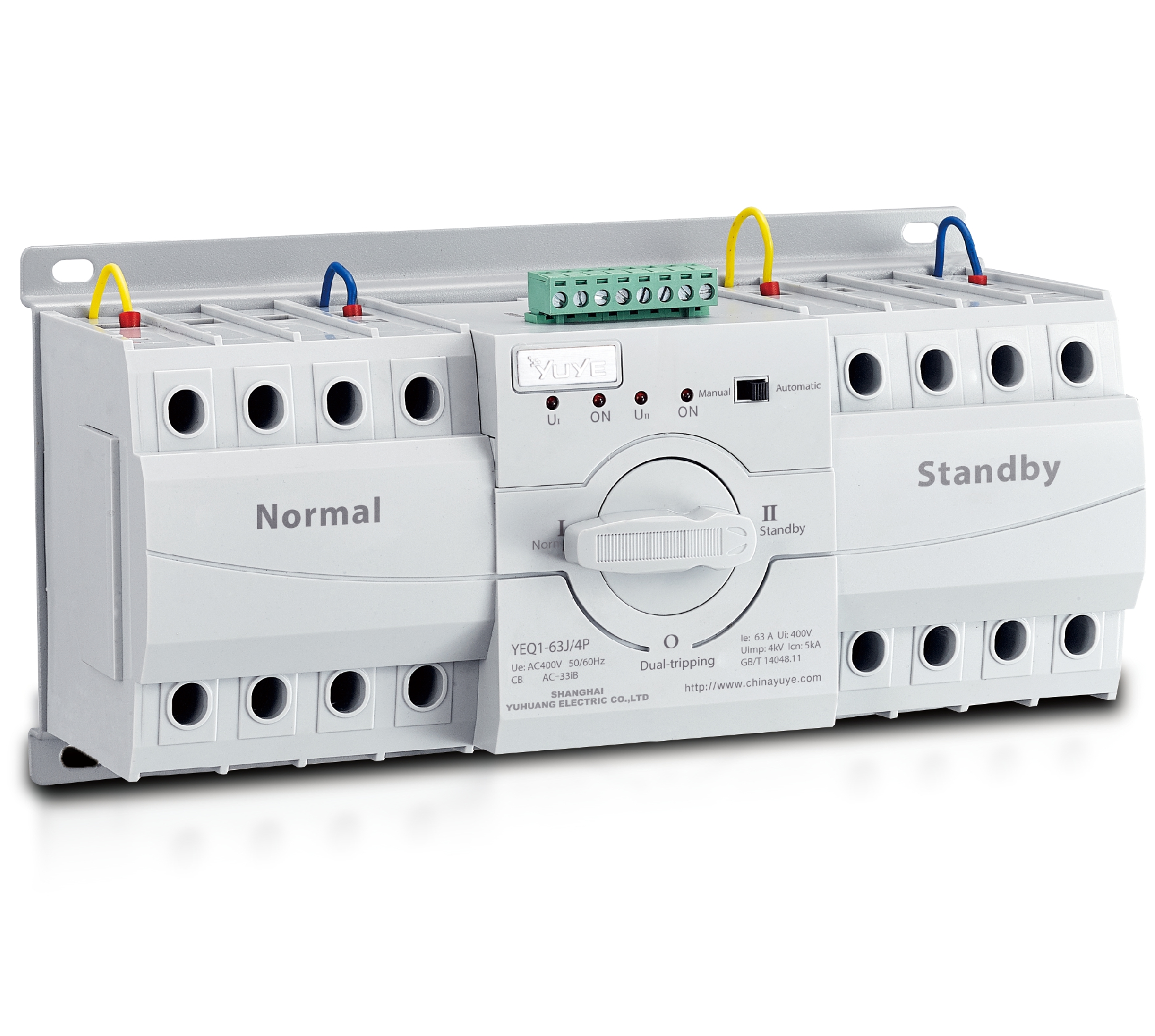 CB ATS YEQ1-63J
 CB ATS YEQ2Y-63
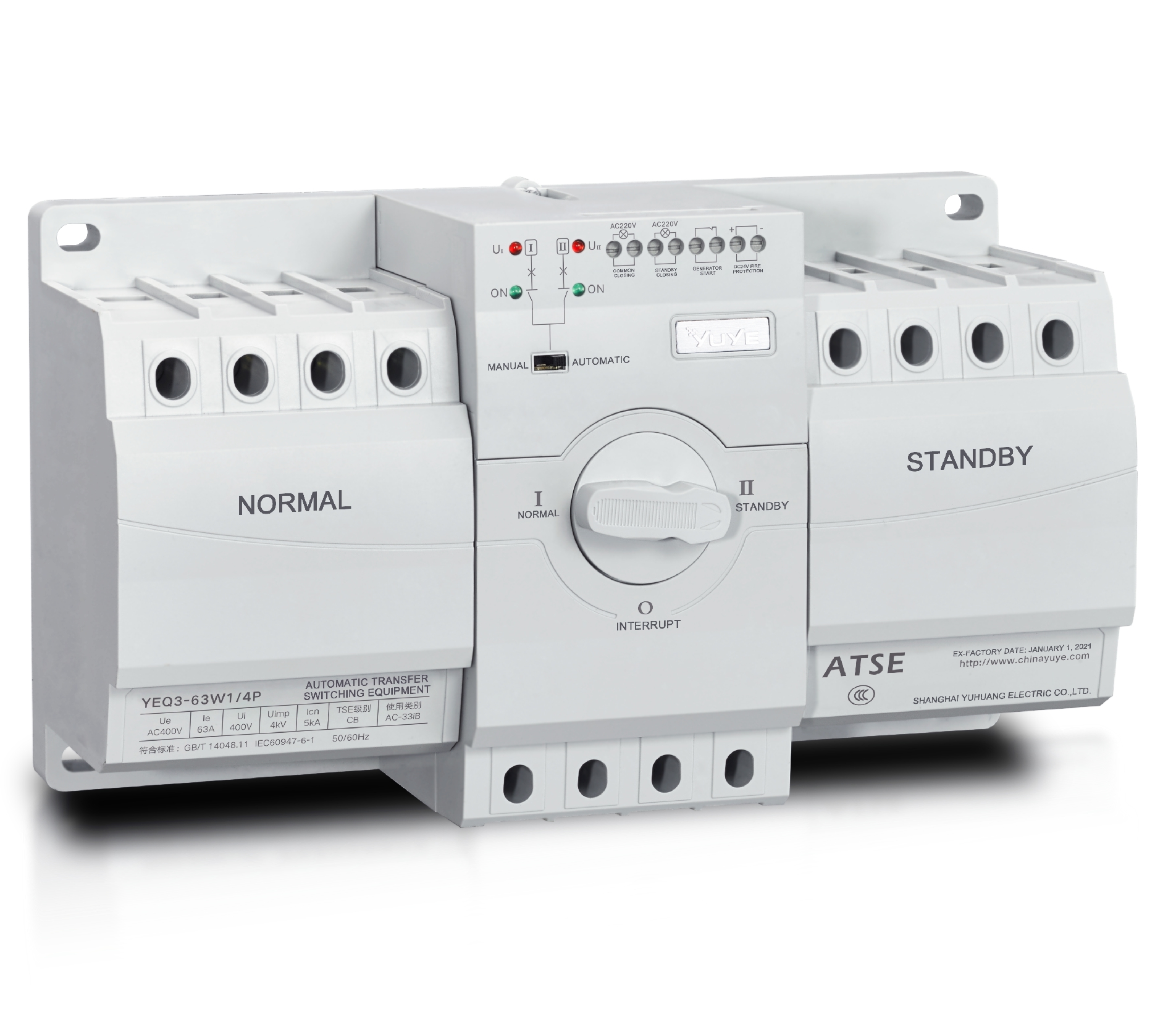 CB ATS YEQ3-63W1
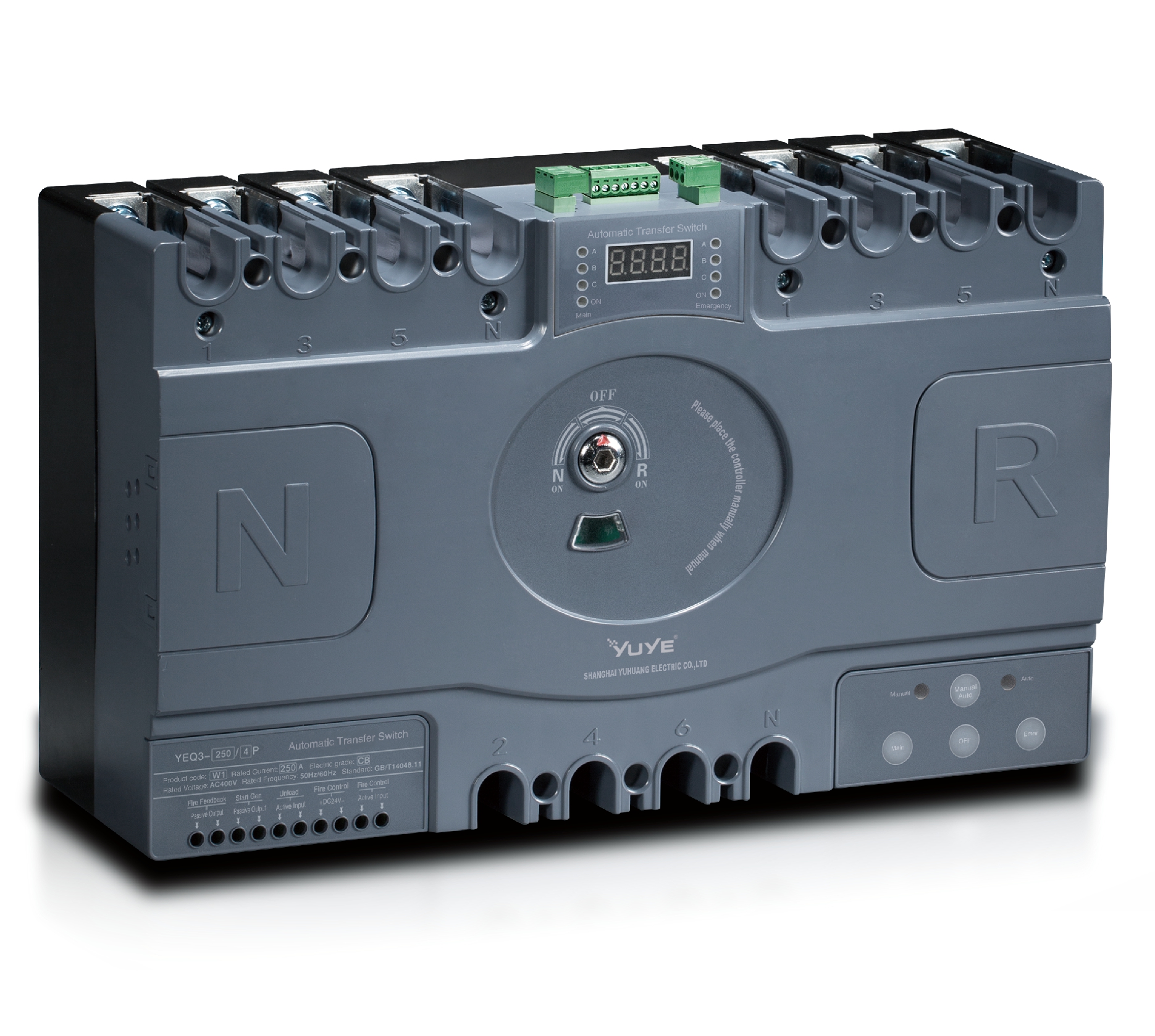 CB ATS YEQ3-125~630W1
 ATS controller Y-700
 ATS Controller Y-700N
 ATS Controller Y-701B
 ATS Controller Y-703N
 ATS Controller Y-800
 ATS Controller W2/W3 Series
 ATS switch Cabinet floor-to-ceiling
 ATS switch cabinet
 JXF-225A power Cbinet
 JXF-800A power Cbinet
 YEM3-125~800 Plastic Shell Type MCCB
 YEM3L-125~630 Leakage Type MCCB
 YEM3Z-125~800 Adjustable Type MCCB
 YEM1-63~1250 Plastic Shell Type MCCB
 YEM1E-100~800 Electronic Type MCCB
 YEM1L-100~630 Leakage Type MCCB
 Air Circuit Breaker YEW1-2000~6300
 Air Circuit Breaker YEW3-1600
 Miniature circuit breaker YEMA2-6~100
 Miniature circuit breaker YEB1-3~63
 Miniature circuit breaker YEB1LE-3~63
 Miniature circuit breaker YEPN-3~32
 Miniature circuit breaker YEPNLE-3~32
 Miniature circuit breaker YENC-63~125
 Load isolation switch YGL-63~3150
 Load Isolation Switch YGL2-63~3150
 DC relay YDC-P20
 DC relay YDC-P250
 DC relay YDC-P400
 DC relay MDC-300M
 DC relay YDC-M400
 DC Isolation Switch YEGL3D-630
 YECPS2-45~125 LCD
 YECPS-45~125 Digital
 CNC Milling/Turning-OEM
I. Introduction
Grid power outages have become a frequent global issue affected by extreme weather, grid aging and peak electricity consumption. For residential households, commercial stores and industrial factories, unexpected blackouts can trigger device shutdown, data loss and operational stagnation. An automatic transfer device acts as the core bridge between municipal grid power and backup generator power. This article analyzes the practical value of ATS Switch for stable power supply, covering loss prevention, daily operational efficiency, built-in safety design, economic advantages and application necessity for critical power scenarios, with international industry standards cited for professional support.
II. How ATS Switch Prevents Costly Power Outage Losses
Unplanned power blackouts bring quantifiable economic losses across all industries. According to industry statistical data released by Eaton Global Power Department, small and medium retail stores may suffer $300-$1200 hourly loss during blackouts, while manufacturing factories face extra expense on product scrapping and equipment restart after sudden power cuts. Traditional manual power switching requires on-site electrician operation, which usually takes 3-10 minutes to finish power switching, extending outage duration greatly.
Equipped with intelligent sensing modules, qualified power transfer equipment completes power switching within 100ms once detecting grid voltage anomaly. This near-instant switching avoids full shutdown of powered devices, minimizing downtime-related losses. Verified by field application cases published in IEC electrical operation journal, buildings equipped with standard transfer devices cut outage-induced economic losses by up to 92% compared with facilities relying on manual switching systems.
III. Core Advantages of Automatic Power Transfer for Daily Operation
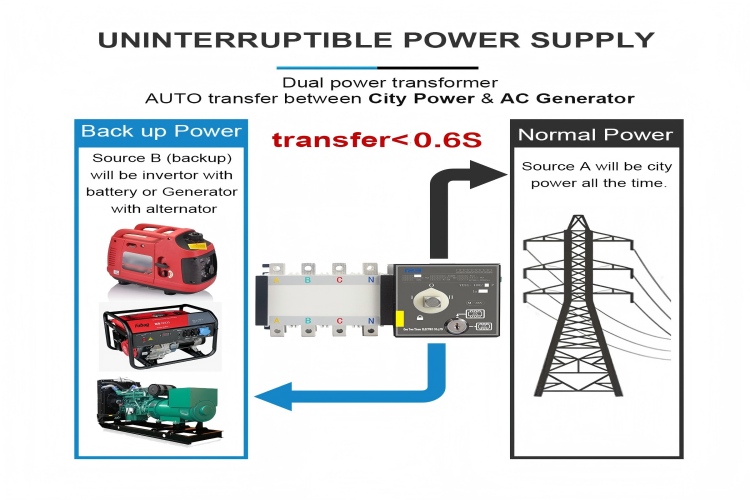
Modern backup power systems pursue unattended, intelligent and linkage-friendly operation modes, which is the biggest operational highlight of automatic transfer equipment. Different from manual switch operation that needs human monitoring 24/7, standard transfer devices run automatically without manual intervention: it will automatically connect generator power when grid fails, and switch back to municipal power once grid supply recovers steadily.
It supports seamless bidirectional power transfer, and features wide system compatibility. It can match diesel generators, solar off-grid power storage systems and wind power hybrid supply systems, which fits diversified household self-use power and commercial standby power layouts. For property management teams and household users, this automatic linkage simplifies daily power management workflow and reduces daily operational workload of standby power systems.
IV. Safety & Stability Benefits Built In Standard ATS Switch
Electrical safety is the core design standard for all power switching components, and mainstream transfer devices comply with global unified electrical manufacturing codes. As regulated by international standard IEC 60947-6-1, qualified transfer gear must integrate overload protection, short-circuit cutoff and reverse power prevention modules to avoid current backflow that burns generator host or harms on-site staff (SENTOP Electric, 2026).
Professional models adopt mechanical interlock isolation structure, which thoroughly isolates grid loop and generator loop to eliminate backfeed electric hazards. Most outdoor and industrial-grade models adopt IP54 and above waterproof, dustproof shell material, adapting to high-temperature, humid and outdoor harsh installation environments. Long-term field test data shows standardized equipment maintains stable performance for over 10 years under regular use, lowering hidden electrical safety risks effectively.
V. Long-Term Cost Savings Brought By Commercial & Home ATS Switch
Many users regard automatic transfer equipment as extra electrical procurement cost, while ignoring its long-term economic benefits for power management. First, it cancels the need for full-time electricians on duty for emergency power switching, cutting regular manual labor expense for enterprises and communities. Second, targeted current protection modules avoid burnout of household appliances, production motors and host machines caused by disordered power switching, reducing equipment repair and replacement frequency.
Compared with modified manual transfer assemblies, certified integrated transfer gear has lower internal power consumption and longer service lifespan. UL 1008 certified integrated equipment needs routine inspection only twice a year, without frequent part replacement. In 5-year full-cycle use, installing ATS Switch can save 27% overall power standby management cost for commercial parks and residential communities, according to North American electrical cost assessment report (VIOX ELECTRIC, 2025).
VI. Why ATS Switch Is A Must-Have For Critical Load Power Protection
Power loads are divided into three levels per NEC 700/701/702 codes: life-safety critical load, legally required standby load and optional commercial standby load. Hospitals emergency ward power, data center server power, fire control equipment power all belong to first-level critical loads, which forbid any power interruption in operation.
Manual transfer switches rely on human judgment and manual operation, which cannot guarantee switching speed and operation accuracy in emergency scenarios. By contrast, intelligent automatic transfer equipment executes switching following preset program, with error-free operation rate reaching 99.8% in emergency tests. Besides, medical buildings, municipal emergency facilities and cloud data centers are required to install certified automatic transfer components by local electrical codes. For sites carrying life-related and core business loads, equipping compliant transfer equipment is not an optional upgrade, but a mandatory electrical configuration. To satisfy standardized emergency power guarantee demands for high-risk sites, certified ATS Switch becomes irreplaceable core electrical component.
VII. Conclusion
Stable uninterrupted power has become a basic operational demand for modern living and industrial production. Automatic power transfer gear solves multiple pain points including outage loss, manual operation trouble, electrical safety risks and high long-term power management cost. It delivers practical value covering loss control, daily operation optimization, safety guarantee and cost reduction for home, commercial and industrial scenarios. Users shall select corresponding PC-class or CB-class models based on local certification standards and actual load power. Regular dust cleaning and circuit testing can extend device service life and keep long-term uninterrupted power supply performance.
References
- VIOX ELECTRIC. (2025). PC Class vs. CB Class Automatic Transfer Switch (ATS): Differences & Selection Guide. Global Low-Voltage Electrical Standard Research Report
- SENTOP Electric. (2026). IEC 60947-6-1 Application Specification for Power Transfer Switchgear. International Electrotechnical Commission Official Document
- Eaton Power Division. (2026). Transfer Switch 101: Cost & Loss Analysis of Standby Power System. North American Facility Power Management White Paper
- NFPA. (2025). NEC Article 700-702 Critical Load Power Configuration Code Standard
FAQ Section
Q1: Is automatic transfer equipment suitable for small household generator systems?
A1: Yes. Mini single-phase models are customized for household solar power and small generator systems, with simple wiring and low startup power consumption, fully adapted to residential standby power demands.
Q2: What certification should I check before purchasing transfer switch devices?
A2: North American users prioritize UL 1008 certification; European, Southeast Asian and global project users prioritize IEC 60947-6-1 certification to meet local electrical access inspection rules.
Q3: Can this power transfer device work with off-grid solar storage systems?
A3: Most standardized models support hybrid access of solar storage battery and generator, realizing automatic switching between grid, solar energy and backup power sources.
Q4: How often does the transfer switch need professional maintenance?
A4: For commercial and industrial equipment, professional inspection every 6 months is recommended; household models only need annual routine circuit check to keep normal working performance.
Q5: What is the difference between open transition and closed transition transfer mode?
A5: Open transition suits common resistive loads with short power-off interval; closed transition suits high-precision servers and medical equipment with zero power-off switching demand.
