
 PC ATS YECT1-2000G
 PC ATS YES2-63~250GN1
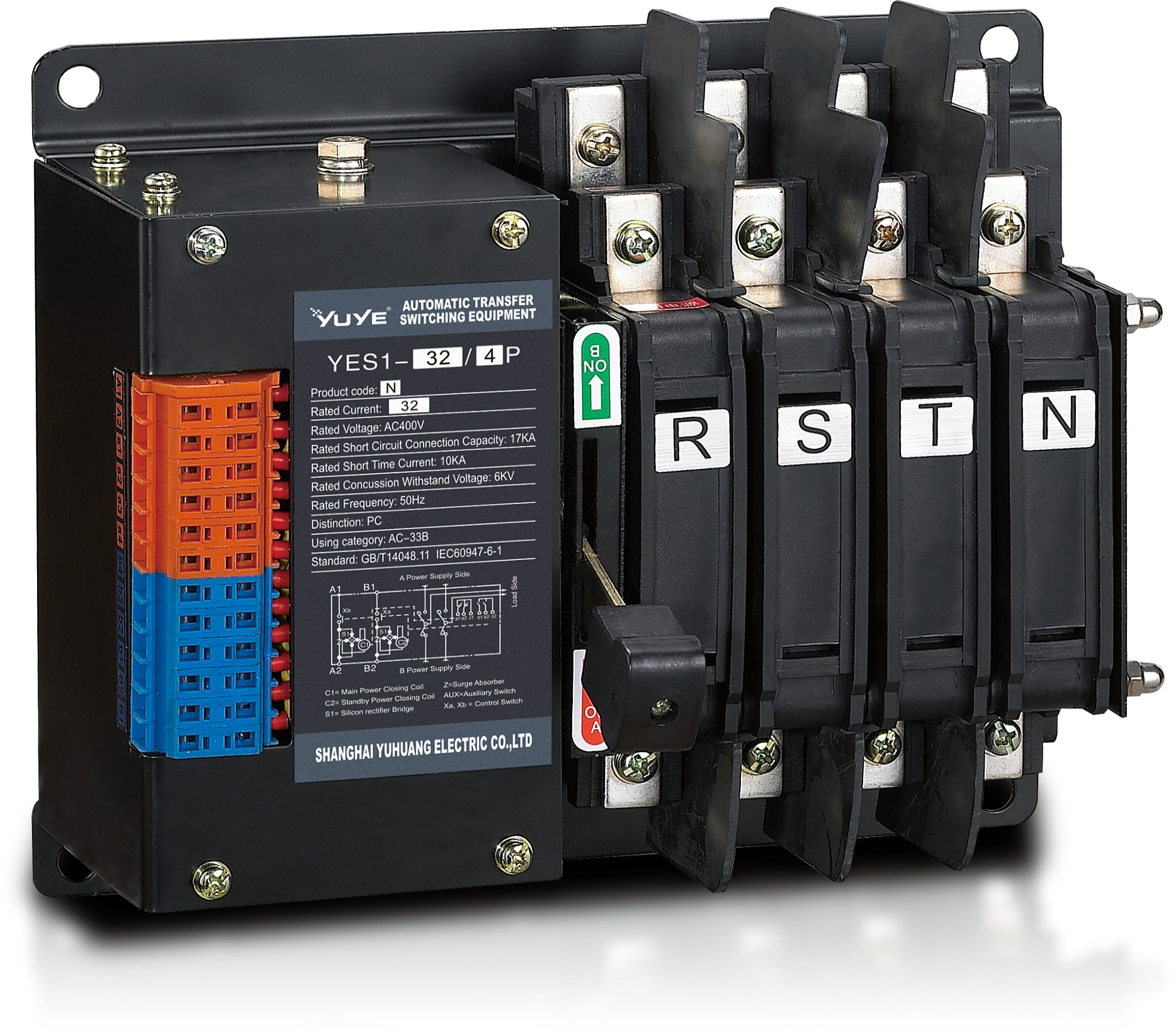 Solenoid-type ATS YES1-32~125N
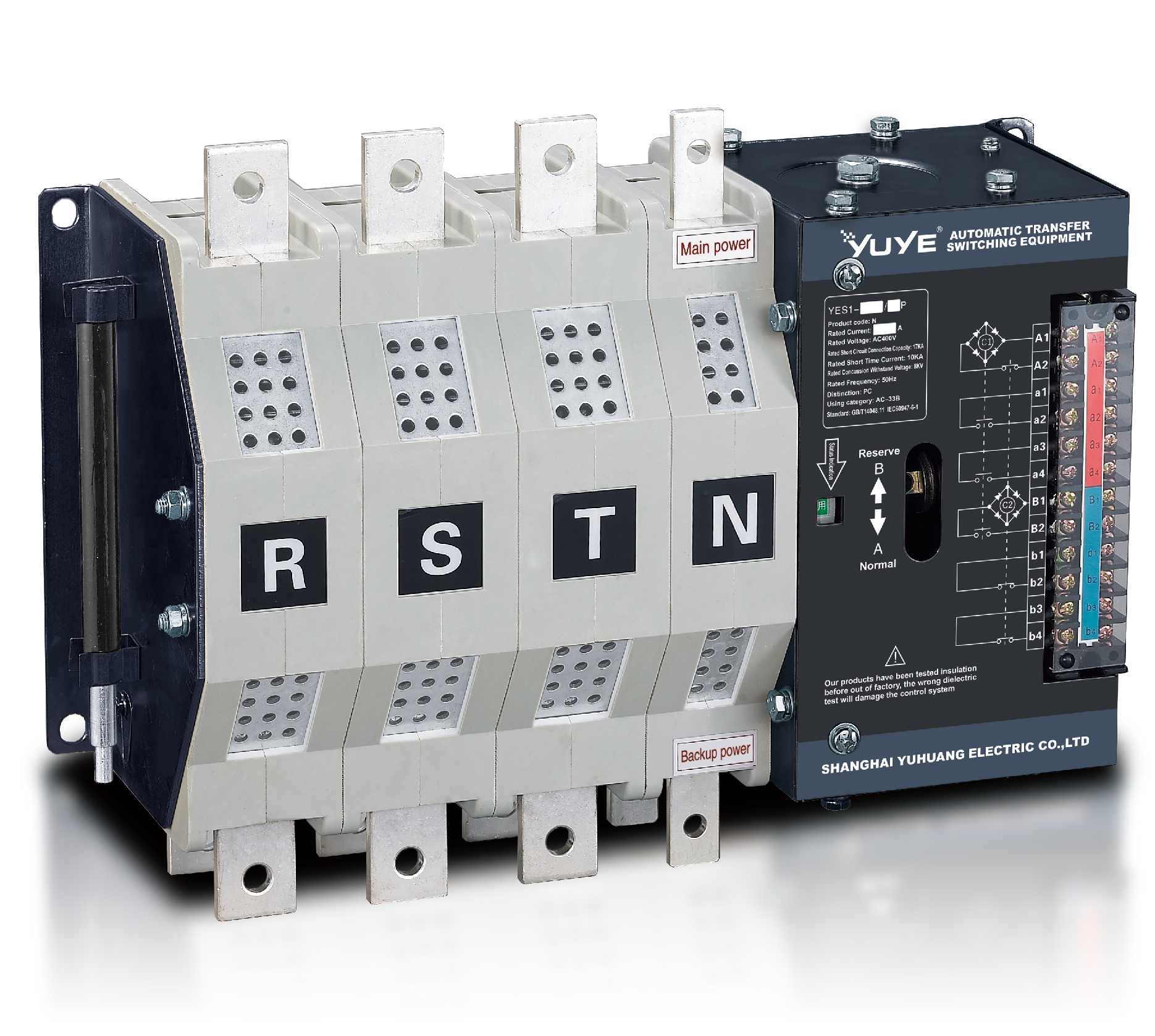 Solenoid-type ATS YES1-250~630N/NT
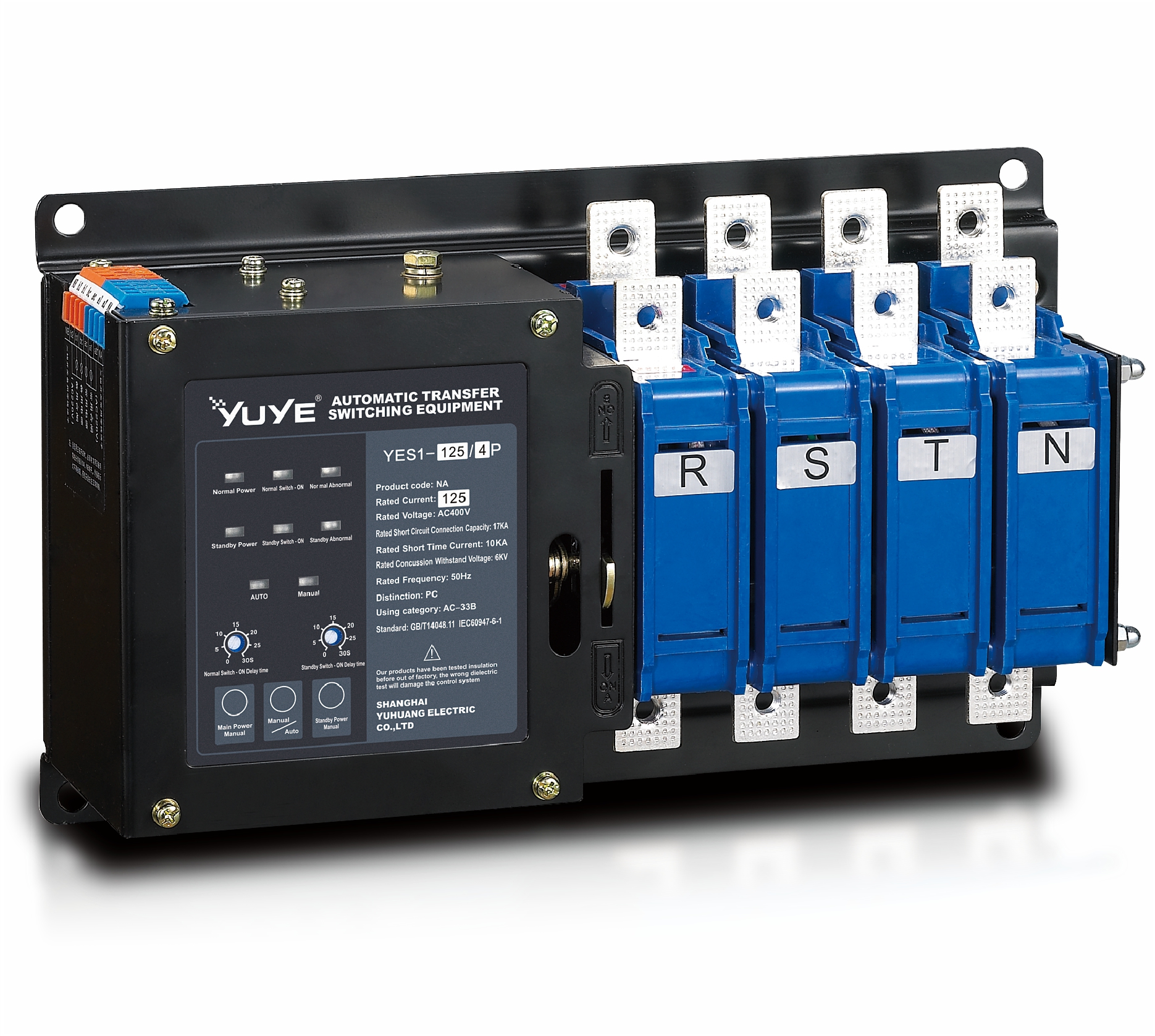 Solenoid-type ATS YES1-32~125NA
 Solenoid-type ATS YES1-63~630SN
 Solenoid-type ATS YES1-1250~4000SN
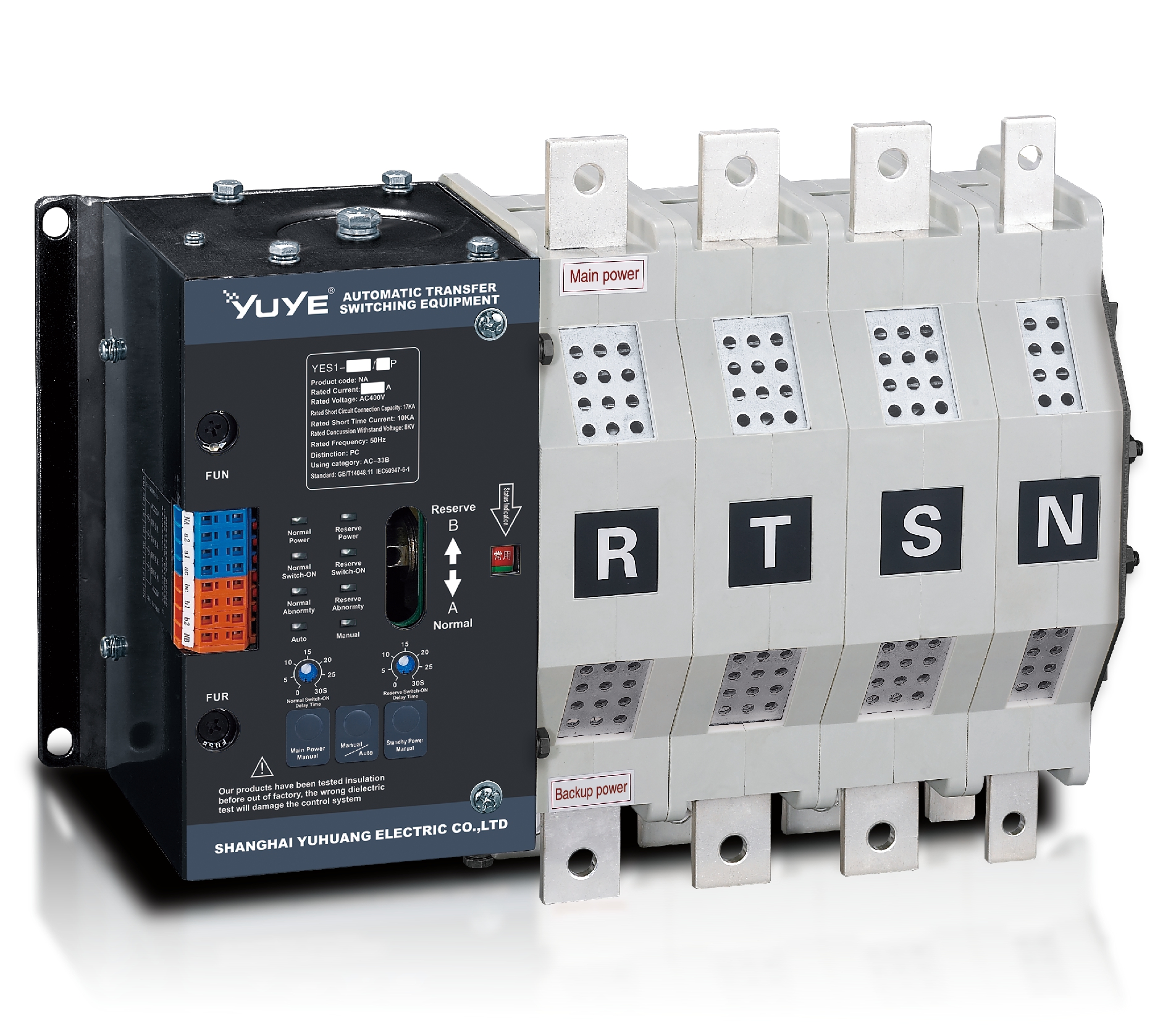 Solenoid-type ATS YES1-250~630NA/NAT
 Solenoid-type ATS YES1-63NJT
 PC ATS YES1-100~1600GN1/GN/GNF
 PC ATS YES1-2000~3200GN/GNF
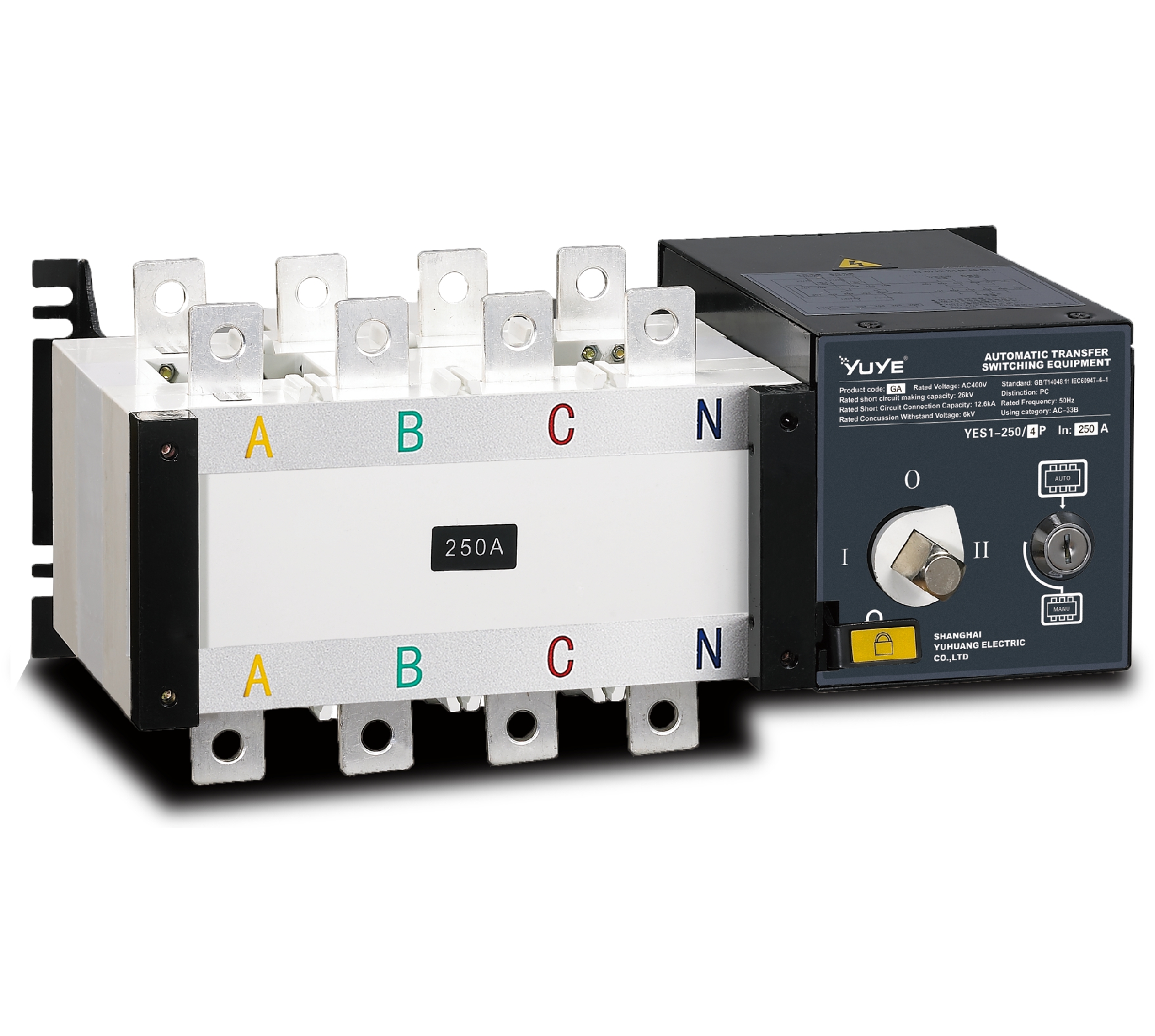 PC ATS YES1-100~3200GA1/GA
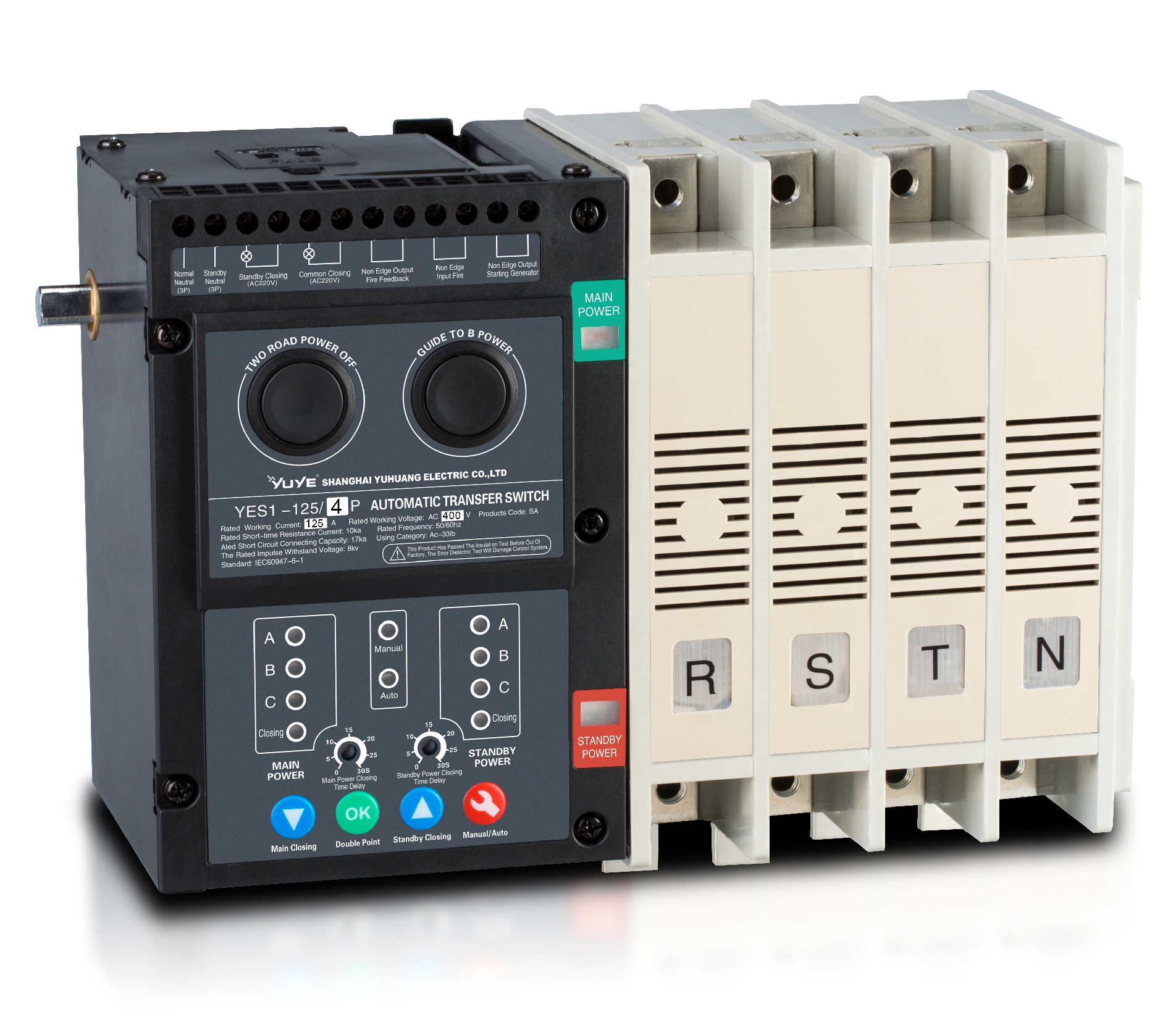 Solenoid-type ATS YES1-63~630SA
 Solenoid-type ATS YES1-63~630L/LA
 Solenoid-type ATS YES1-63~630LA3
 Solenoid-type ATS YES1-63MA
 PC ATS YES1-630~1600M
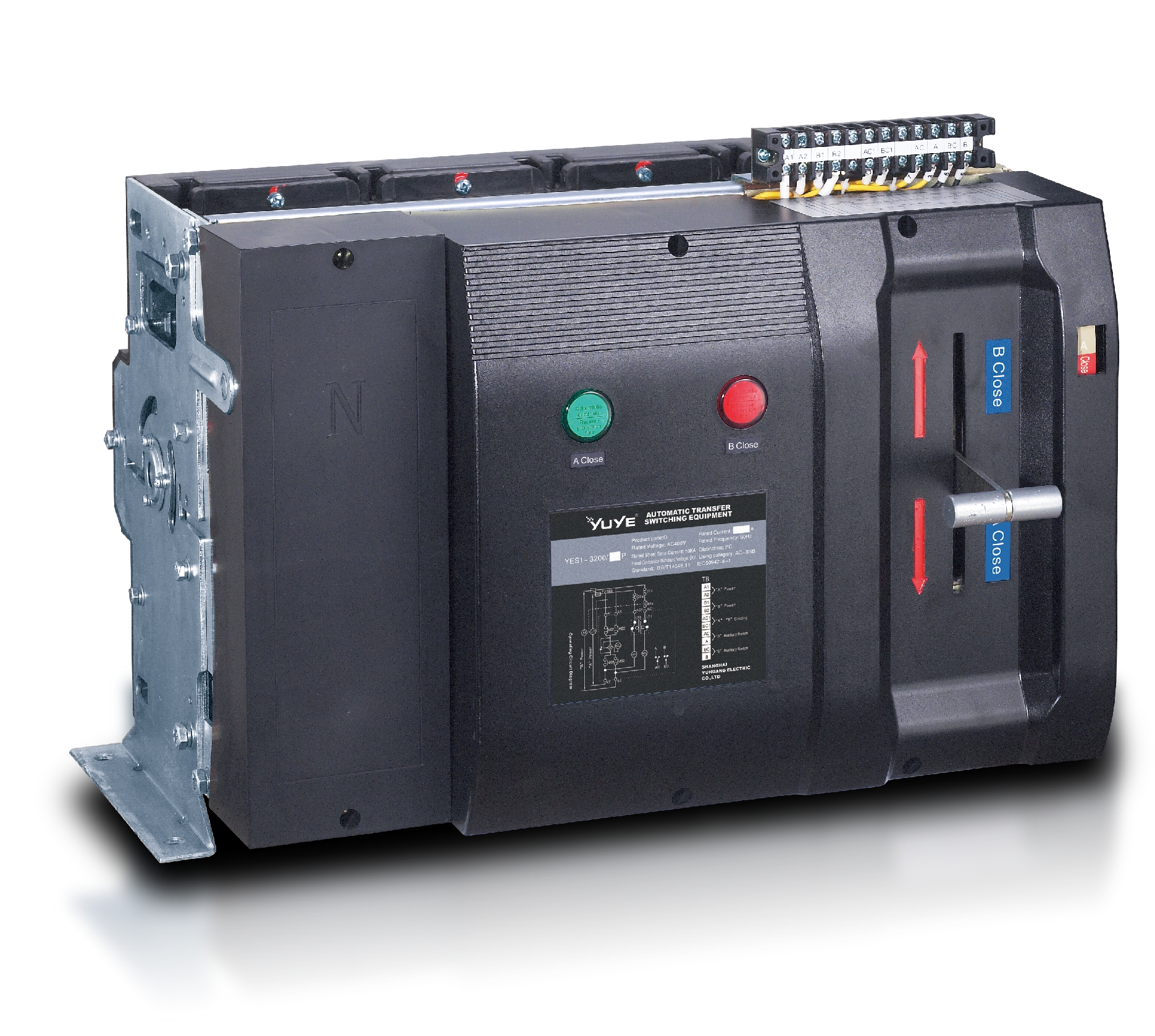 PC ATS YES1-3200Q
 Solenoid-type ATS YES1-4000~6300Q
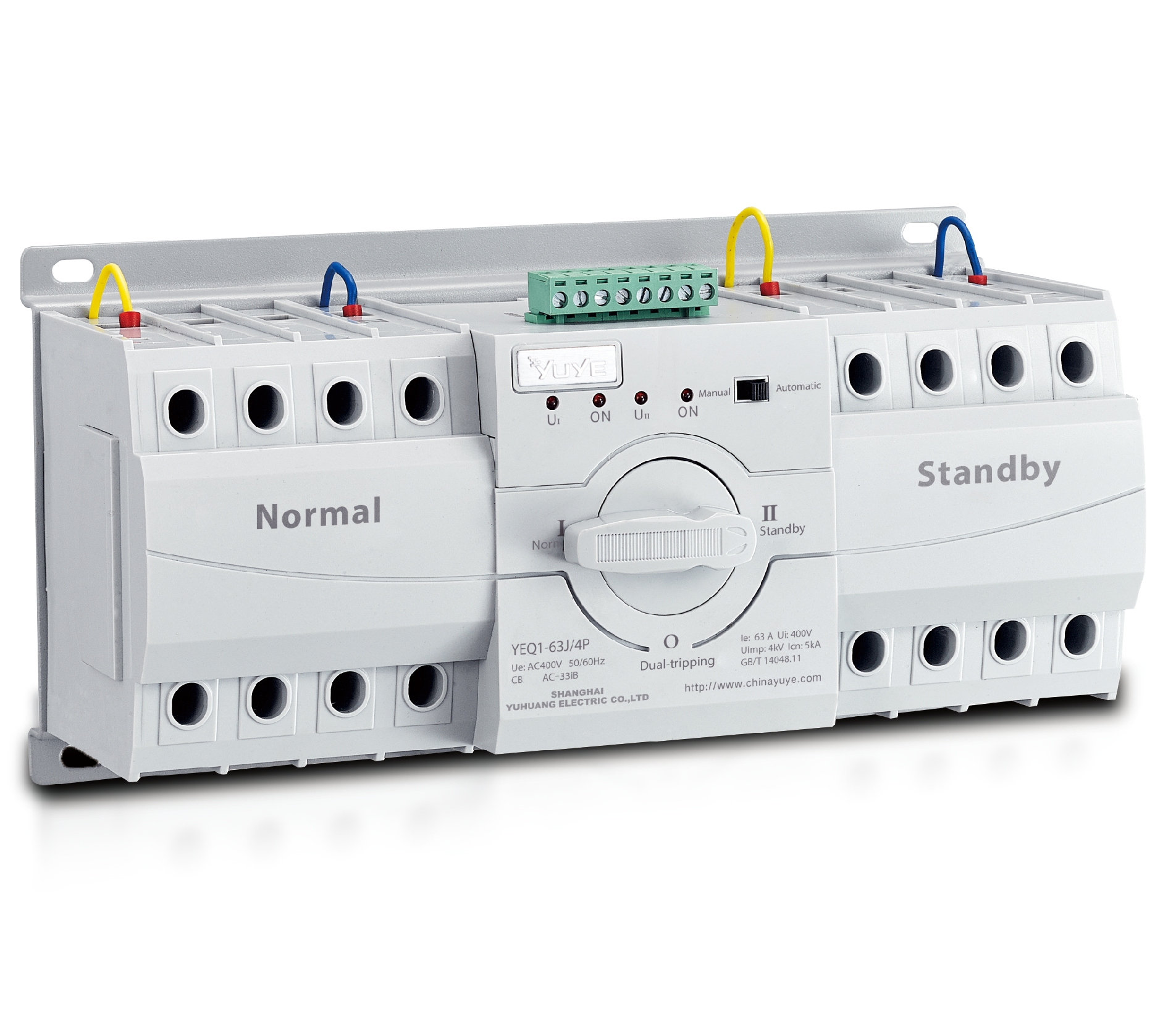 CB ATS YEQ1-63J
 CB ATS YEQ2Y-63
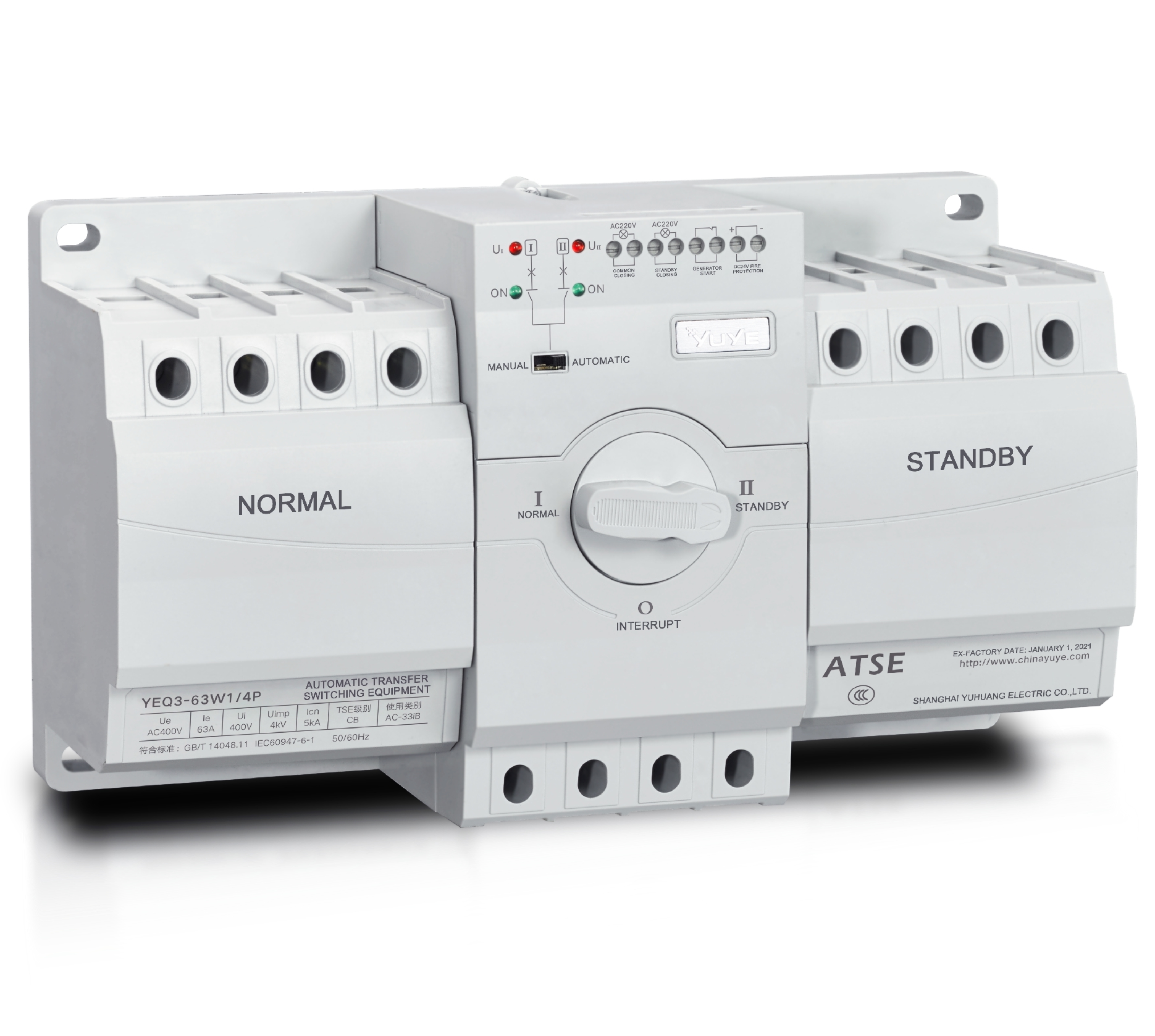 CB ATS YEQ3-63W1
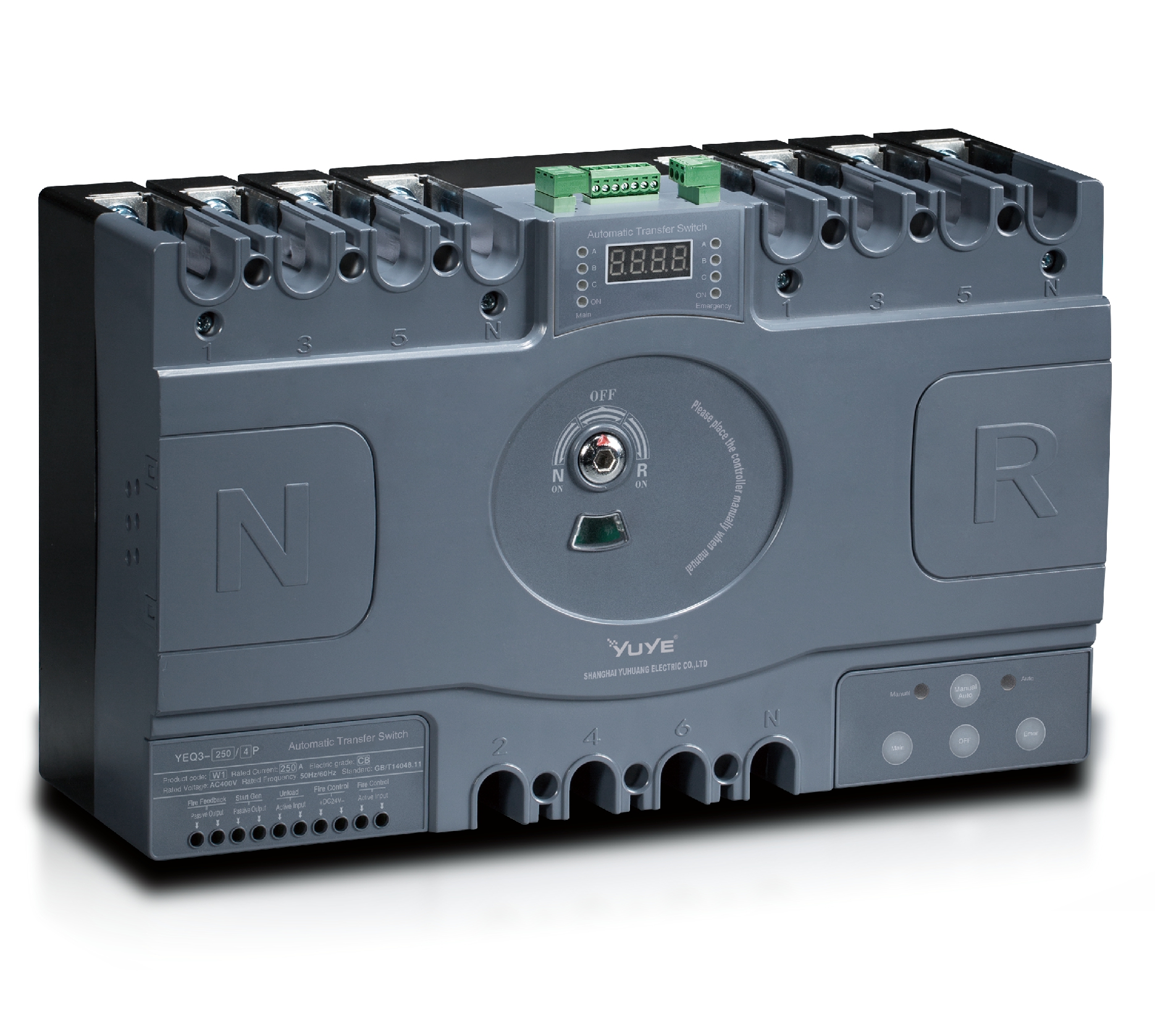 CB ATS YEQ3-125~630W1
 ATS controller Y-700
 ATS Controller Y-700N
 ATS Controller Y-701B
 ATS Controller Y-703N
 ATS Controller Y-800
 ATS Controller W2/W3 Series
 ATS switch Cabinet floor-to-ceiling
 ATS switch cabinet
 JXF-225A power Cbinet
 JXF-800A power Cbinet
 YEM3-125~800 Plastic Shell Type MCCB
 YEM3L-125~630 Leakage Type MCCB
 YEM3Z-125~800 Adjustable Type MCCB
 YEM1-63~1250 Plastic Shell Type MCCB
 YEM1E-100~800 Electronic Type MCCB
 YEM1L-100~630 Leakage Type MCCB
 Air Circuit Breaker YEW1-2000~6300
 Air Circuit Breaker YEW3-1600
 Miniature circuit breaker YEMA2-6~100
 Miniature circuit breaker YEB1-3~63
 Miniature circuit breaker YEB1LE-3~63
 Miniature circuit breaker YEPN-3~32
 Miniature circuit breaker YEPNLE-3~32
 Miniature circuit breaker YENC-63~125
 Load isolation switch YGL-63~3150
 Load Isolation Switch YGL2-63~3150
 DC relay YDC-P20
 DC relay YDC-P250
 DC relay YDC-P400
 DC relay MDC-300M
 DC relay YDC-M400
 DC Isolation Switch YEGL3D-630
 YECPS2-45~125 LCD
 YECPS-45~125 Digital
 CNC Milling/Turning-OEM
A Switch 400a is a 400-amp enclosed switch-disconnector: the isolation point between a feeder and the equipment it serves. It opens the circuit; it does not protect it. That distinction drives every step below.

Before You Touch It
The handle opens the load side. It does not de-energize the line side, and it will not stop a downstream transformer or UPS from pushing voltage back at you. The isolation point is the upstream breaker.
Follow NFPA 70E (2024) Article 120.5 and OSHA 1910.333: identify every source, interrupt the load before opening, confirm the blades are visibly open, apply lock and tag, then test for absence of voltage.
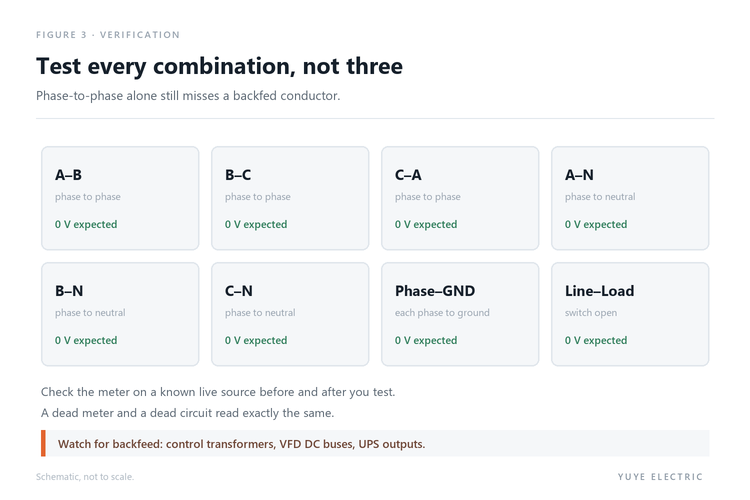
Test more than phase-to-phase — A–B, B–C, C–A, each phase to neutral, each phase to ground, and line to load with the switch open. Check the meter on a live source before and after; a dead meter and a dead circuit read the same.
For 480 V: CAT III 600 V meter, Class 00 gloves with protectors, arc-rated clothing per the label. Limited approach boundary: 3 ft 6 in.
What to Have on Site
Most delays here are procurement problems found at 7 a.m. on install day.
Terminal capacity. A 400 A device does not accept 400 A of copper in one hole. Many designs take about 240 kcmil per clamp, and 250 kcmil copper carries only 255 A at 75 °C per NEC Table 310.16. The circuit lands as two runs per phase, or with a larger lug kit. Settle it before the wire is cut.
Fault current. The switch’s short-circuit rating must equal or exceed the available fault current, alone or as a listed combination with the upstream device. In retrofits that figure is often higher than the original design assumed.
Fuse class. 400 A sits just under where Class L begins at 601 A. Order Class R, J, or T; “Class L, 400 A” does not exist.
Mount and Terminate
Mounting.Two people or a lift; 45 kg is not a one-person object. Anchor to structure and respect the specified orientation — rain-tight enclosures rely on drain holes staying at the bottom, so new conduit entries go in the bottom, never the top.
Conductors. Strip to the depth marked on the lug barrel; one conductor per hole unless the lug is listed for two. On aluminum, use a listed oxide inhibitor and brush first. Mark A-B-C at both ends — a reversed pair spins a compressor backward.
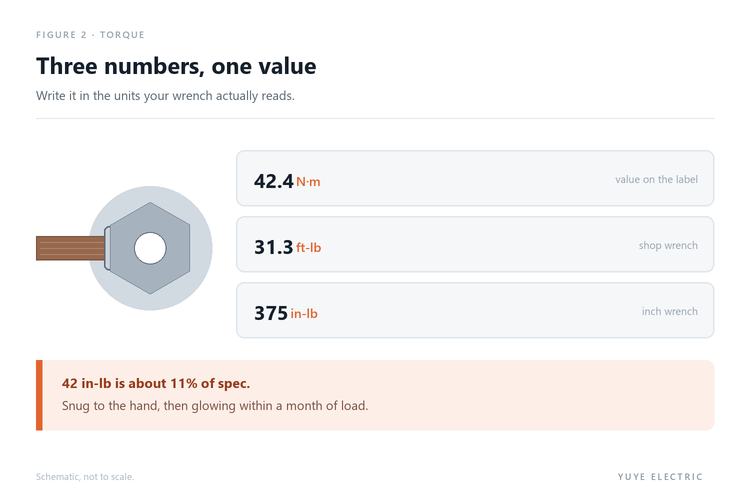
Torque. Write the value in the units your wrench reads, on the panel, before you start: 42.4 N·m is 31.3 ft-lb, which is 375 in-lb. Three numbers, one value, three chances for a decimal to move. We have seen lugs taken to 42 in-lb when the card said 42.4 — about 11% of spec, snug-feeling, and glowing within a month of load. Calibrate the wrench and paint-mark every fastener.
Installing a Switch 400a level is a thermal decision: a twisted backplate loads one lug harder than the rest, and the loose one runs hot.
Ground and label. Land the 3 AWG grounding conductor on the factory terminal, with paint removed to bare metal. Three labels: circuit ID, voltage with available fault current, arc flash hazard. NEC 110.16(B) only mandates the last one at 1200 A and above — label a 400 A device anyway.
Commission It
Before it goes into service:
1.All phases clean, no tools inside, paint marks aligned
2.Grounding continuity end to end
3.Insulation resistance within limits, value recorded
4.Phase rotation matches the driven equipment
5. Handle and door interlock free; lock fits
Energize unloaded first. A disconnect closing into an open feeder makes one solid sound; chatter or a hot phenolic smell means stop.
Then baseline the thermals at normal load, all three phases, load recorded — without it, next year’s scan is an opinion. Re-torque after the first thermal cycle: connections relax as they heat and cool, and it is the highest-yield half hour in the program.
What Fails, and When to Check
Loose terminations. Most thermal findings start as a 10 °C delta and end as a discolored lug. Blade erosion. A disconnect used as a daily on/off switch wears years ahead of one used only for isolation. Water and insects. Gaskets harden, drain holes get painted over, mud daubers find the handle opening. Wrong utilization category. 400 A in AC-21A is resistive load, not motor switching. Specify AC-23A and read the horsepower column.

About YUYE Electric
YUYE Electric designs and supplies low-voltage switch-disconnectors and enclosed switches for commercial and industrial distribution, and reviews specifications and labeling with installers before equipment ships. Need a datasheet or a spec review? [Talk to our technical team].
FAQ
Can I install a 400 A switch myself?
No. It is permit-and-inspection work requiring a licensed electrician, and verification needs arc-rated PPE and a documented safety program.
What if the torque label is missing?
Get the instruction sheet for that exact catalog number. Published values commonly fall between 30 and 45 N·m and are not interchangeable between frame sizes.
Do I need an arc flash label on a 400 A switch?
NEC 110.16(B) requires one at 1200 A and above. Most owners label 400 A gear anyway, because NFPA 70E work practices need incident energy data.
