As more folks are turning to sustainable energy options, you can’t really ignore the importance of having an automatic transfer switch for your solar setup. I mean, did you know that in 2022, global solar installs jumped over 20%? That’s pretty telling—people are definitely leaning more on renewable energy these days. An Automatic Transfer Switch, or ATS, is super handy because it makes switching between solar power and the grid smooth as butter—especially during power outages or when the sun isn’t shining much.
Recent reports from the International Renewable Energy Agency (IRENA) suggest that when you pair solar with reliable switching tech, you could boost your energy efficiency by up to 30%. That’s a big deal—it not only helps you get more out of your solar system but also means you’re less dependent on old-school power sources. But here’s the thing: choosing the right ATS isn’t just about picking the first one you see. You gotta look at specs, reliability, and whether it plays nice with your particular solar setup.
And honestly, buying an ATS isn’t always straightforward. Some products out there might look good but fail when you really need them—like during peak demand times—leading to unexpected downtime. So, it’s pretty important to do your homework—check out different brands, see what others are saying, and trust those with a solid reputation. In this crazy world of renewable energy, having the right gear can make a huge difference in how smooth your solar experience turns out to be.

What is an Automatic Transfer Switch (ATS) for Solar Power?
An Automatic Transfer Switch (ATS) is essential for solar power systems. It acts as a bridge connecting your solar setup to the utility grid. When the grid fails, the ATS automatically switches to your solar-generated power. This ensures a seamless transition, preventing interruptions in your electricity supply. It’s especially crucial for homes relying on consistent power.
Understanding ATS is vital for any solar power buyer. They come in various sizes and functionalities. Some ATS units handle small systems, while others cater to larger installations. Selecting the right one ensures optimal performance and reliability. Maintenance routines matter too. Without regular checks, the ATS may fail during critical moments. Testing it once in a while can help identify issues before they become serious.
Given how solar technology evolves, buyers must consider future needs. The current ATS might suit your system today, but what about tomorrow? Keep potential expansions in mind. Seek guidance from industry professionals if unsure. This approach can save you from costly mistakes. Remember, every installation isn’t perfect. Learning from each experience helps improve future choices.
Automatic Transfer Switch (ATS) Ratings for Solar Power Systems
This bar chart displays the efficiency ratings of different Automatic Transfer Switches (ATS) for solar power systems based on load capacity:
Key Benefits of Using ATS in Solar Power Systems
Automatic Transfer Switches (ATS) play a crucial role in solar power systems. They ensure a seamless transition between grid power and solar energy. According to a report by the Solar Energy Industries Association, nearly 30% of homes with solar setups now utilize ATS technology to enhance energy reliability.
One of the key benefits of ATS is its ability to provide uninterrupted power supply. During outages, an ATS automatically switches to solar energy. This reduces dependency on traditional energy sources and enhances energy security. A study from the National Renewable Energy Laboratory shows that homes equipped with ATS experience 95% fewer interruptions compared to those without.
Moreover, ATS contributes to energy efficiency. By optimizing the use of generated solar power, it minimizes waste. However, installation and maintenance can be challenging. Proper training is essential for technicians to ensure optimal performance. Neglecting this aspect can lead to system failures. While ATS offers significant advantages, users should consider these potential pitfalls.
How to Choose the Right ATS for Your Solar Installation
Choosing the right automatic transfer switch (ATS) for solar installations is critical. An ATS ensures electricity stability between the grid and your solar system. Research shows that around 70% of solar system failures stem from poor power management. Proper selection of an ATS can significantly enhance your system’s reliability and efficiency.
Start by considering the power requirements of your installation. An ATS needs to handle the maximum load without compromising performance. Look for switches that support at least 120% of your system's peak load. This margin ensures stability, allowing for any fluctuations in power demand. Monitoring features are also vital. According to industry reports, approximately 30% of users overlook the importance of real-time monitoring, which can prevent potential issues.
Additionally, the installation environment matters. An ATS in a humid or outdoor space requires specific weatherproofing ratings. Many devices fail not due to lack of functionality but because of environmental factors. Understanding your site conditions can lead to better product longevity. Ensure you review certifications for safety and reliability. This careful selection process will help you maximize your solar system's potential and prevent costly regrets down the line.
Top Features to Look for in a Solar Power ATS
When looking for the best automatic transfer switch (ATS) for solar power, several key features are crucial. A good ATS should ensure a seamless transition between solar energy and the grid. It helps maintain power during outages, providing peace of mind. The switch should be durable, rated for both indoor and outdoor use. Weatherproofing adds a layer of security and reliability to your solar system.
Compatibility is essential when selecting an ATS. Ensure it works well with your existing solar setup. Check the voltage and amperage ratings to avoid mismatches. Proper sizing is equally important, as an underrated ATS may fail under heavy loads.
Tip: Always consult with a professional to assess your needs. They can guide you to make informed decisions. Don't overlook installation requirements, either. Incorrect installation can lead to issues down the road.
Lastly, consider features like monitoring capabilities. An ATS with smart technology can provide real-time data on energy use. This allows for better decision-making and efficiency in your solar energy system. Keep these factors in mind while navigating your purchase.
2026 Best Automatic Transfer Switch For Solar Power Buyers Guide
| Feature |
Description |
Importance |
| Power Rating |
The maximum load capacity of the ATS to handle your solar system's output. |
High |
| Transfer Time |
The time it takes to switch from solar to generator or grid power. |
Medium |
| Compatibility |
Ensure compatibility with different inverter types and brands. |
High |
| User Interface |
Ease of use, readability of display, and control options. |
Medium |
| Safety Features |
Built-in protection against overloads and short circuits. |
High |
| Warranty |
Length and coverage of the manufacturer's warranty. |
Medium |
Comparative Analysis of Leading ATS Brands for Solar Applications
When selecting an automatic transfer switch (ATS) for solar power applications, understanding the market landscape is essential. Recent reports indicate that ATS can significantly enhance the efficiency of solar energy systems. A proper ATS seamlessly transitions between solar and grid power. This switch ensures that power remains consistent during outages, which can be crucial for both residential and commercial applications.
Brands differ greatly in performance, features, and pricing. Some leading companies offer products tailored for solar integration. Key factors include voltage compatibility and load capacity. According to industry studies, the failure rate for poorly matched switches can be as high as 15%. Ensure compatibility to maintain system integrity.
Tips: Evaluate safety certifications. Look for UL or IEC standards when comparing switches. Also, consider energy efficiency ratings. These can affect the long-term operational costs. Remember, selecting the right ATS is not just about cost, but also about reliability and future scalability. It's vital to weigh initial expenses against potential savings over time. Make decisions that support sustainable energy goals.
Installation and Maintenance Tips for Solar Power ATS
When considering an Automatic Transfer Switch (ATS) for solar power systems, proper installation and maintenance are crucial. According to the Solar Energy Industries Association, the U.S. solar market grew by 43% in 2020, highlighting a growing need for reliable components like ATS. An ATS ensures a seamless transition between power sources, protecting your solar investment.
Installation should ideally be carried out by certified professionals. Ensure that the ATS is compatible with your inverter and battery systems. It’s essential to follow the manufacturer’s guidelines meticulously. Improper installation can lead to system failures or safety hazards. Regularly inspect connections and wiring for signs of wear or corrosion.
Maintenance is critical in extending the life of your ATS. Clean the enclosure periodically to prevent dust build-up. Dust can impair the switch’s functionality over time. Keep an eye on operational indicators; unusual readings could signify underlying issues. Checking software updates for your ATS is also prudent.
Tip: Document your maintenance schedule. This record helps track performance trends, which can provide insights into the efficiency of your solar power system. Stay proactive about repairs to avoid costly disruptions. Regular care can keep your system running efficiently for years.
Cost Considerations and Budgeting for ATS in Solar Projects
When budgeting for an Automatic Transfer Switch (ATS) in solar power projects, understanding costs is crucial. The installation of an ATS can range from $1,500 to over $5,000, depending on the capacity and features. Industry data indicates that planning for maintenance costs is also essential. Regular upkeep can represent 5-10% of the initial installation price annually.
Consider installation complexity. A more complex integration with solar systems may push costs higher. On average, labor costs can add another $500 to $2,000 to the overall expense. Additionally, evaluating the long-term savings from reliable power switching is essential. ATS systems can reduce operational downtime, which impacts financial forecasting.
Evaluating return on investment is important. Some projects report payback periods of five to ten years, depending on energy savings. It's vital to explore financing options and incentives, as many regions offer rebates for enhanced energy management systems. This can lessen upfront costs, but there may be hidden fees in contracts that require scrutiny. Thus, a detailed cost analysis helps ensure a well-informed budgeting process for successful solar projects.
Efficient Power Management Solutions: Exploring the JXF-800A Power Cabinet Features and Benefits
Efficient power management is crucial for maintaining uninterrupted operations in any facility. The JXF-800A Power Cabinet exemplifies advanced features that cater to this need, particularly with its dual power supply system designed for seamless transition during power disruptions. According to recent industry reports, the demand for reliable backup systems has increased by over 35% in the last five years due to the rising awareness of the implications of downtime on operational efficiency.
The JXF-800A features two incoming line switches and an automatic transfer switch. This design ensures that one power supply can serve as the primary source while the other remains as a hot standby. In instances of failure in the main supply, whether due to a power outage or irregular voltage, the automatic transfer switch rapidly redirects the load to the backup supply. This mechanism not only minimizes downtime but enhances the overall reliability of power management systems, a necessity as businesses continue to digitalize their processes.
Additionally, the cabinet is equipped with an indicator light for circuit status visibility and circuit breakers for essential circuit protection. These features are critical as highlighted by a study indicating that 70% of power failures can be attributed to inadequate protection mechanisms in existing systems. Furthermore, the inclusion of external operation controllers offers flexibility and operational oversight, aligning with the growing trend towards enhanced user interfaces in power management technologies. As organizations increasingly depend on consistent power supply, the JXF-800A stands out as a robust solution to meet these evolving demands.
FAQS
utomatic Transfer Switch (ATS) for solar power?
Knowledge of ATS helps ensure optimal performance and reliability in solar power systems.
Check for compatibility, size, and features. A mismatched ATS can fail under load, causing issues.
Brands vary in performance, pricing, and features. Compatibility is key to prevent high failure rates.
Regular maintenance is crucial. Without checks, an ATS may fail during critical power outages.
Look for seamless transition capabilities, durability, monitoring technology, and safety certifications.
Incorrect installation can lead to future problems. Consulting a professional is highly recommended.
Avoid overlooking installation requirements and failing to consider future expansion needs.
It allows for automatic switching between solar and grid power, maintaining a steady electricity supply.
As technology evolves, your power needs might change. Choosing an expandable ATS can save costs later.
Conclusion
An Automatic Transfer Switch for Solar Power (ATS) is a crucial component in managing the transition between utility power and solar energy. This device enhances the efficiency of solar power systems by automatically switching the load between the grid and solar generation, ensuring a seamless power supply. The key benefits of incorporating an ATS include improved reliability, enhanced safety, and optimal use of renewable energy resources.
When selecting the right ATS for your solar installation, it is essential to consider various factors such as compatibility with your system, capacity needs, and the specific features that could enhance functionality. Successful integration also involves understanding installation and maintenance best practices to ensure longevity and performance. Additionally, careful budget planning is necessary to accommodate the costs associated with both the ATS and overall solar project implementation. Overall, an Automatic Transfer Switch for Solar Power plays a pivotal role in maximizing the advantages of solar energy systems.

 PC ATS YECT1-2000G
 PC ATS YES2-63~250GN1
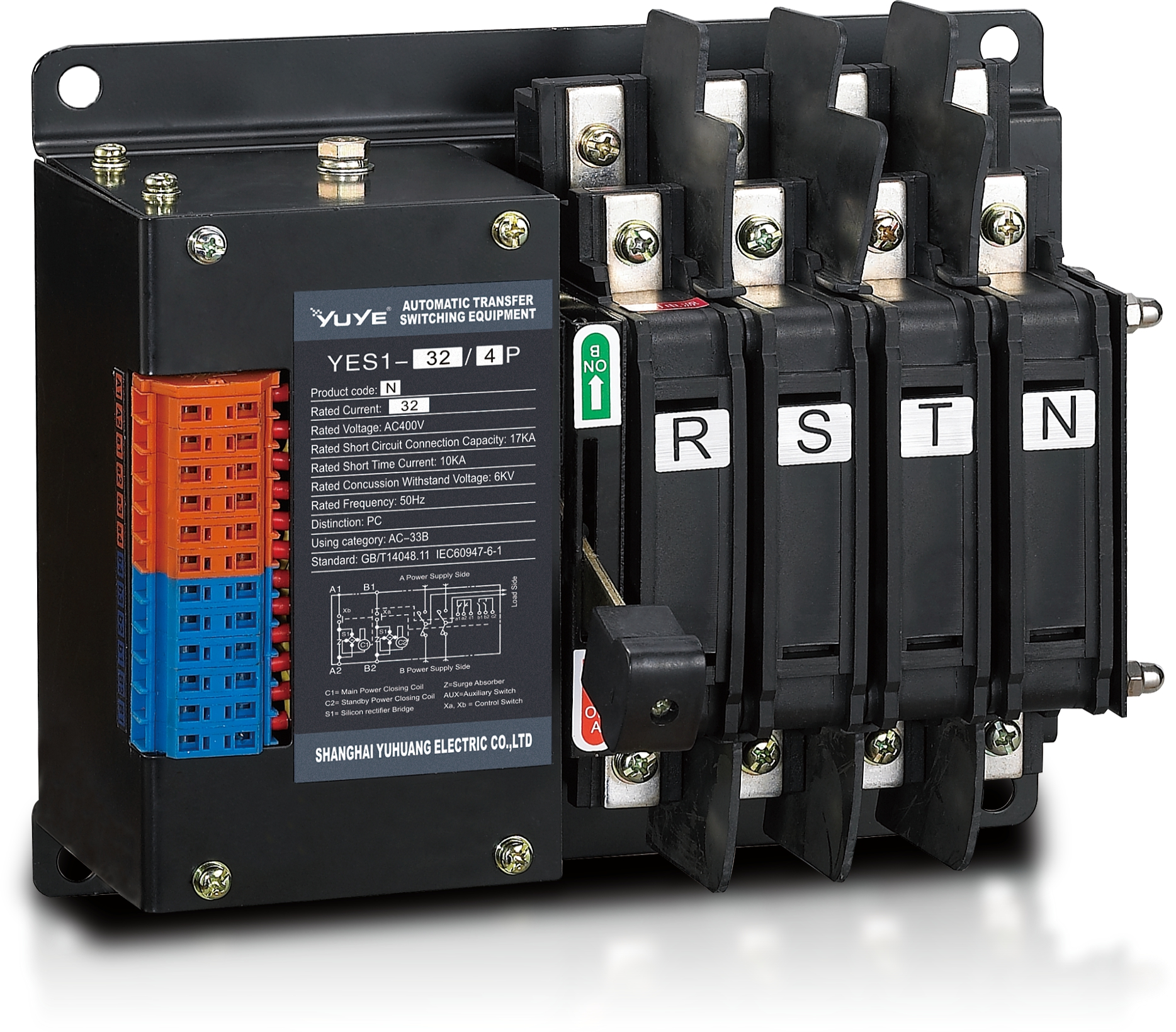 Solenoid-type ATS YES1-32~125N
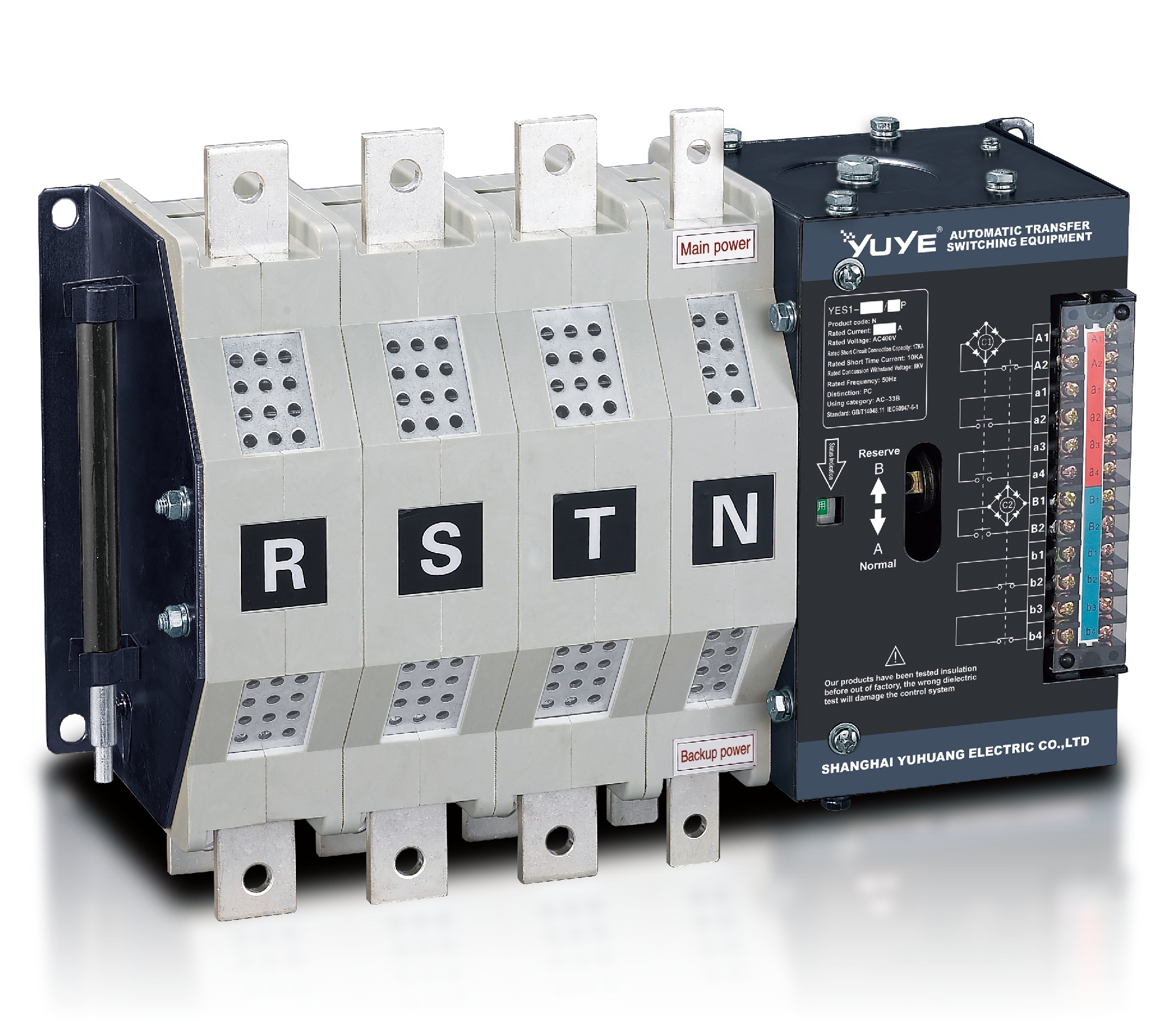 Solenoid-type ATS YES1-250~630N/NT
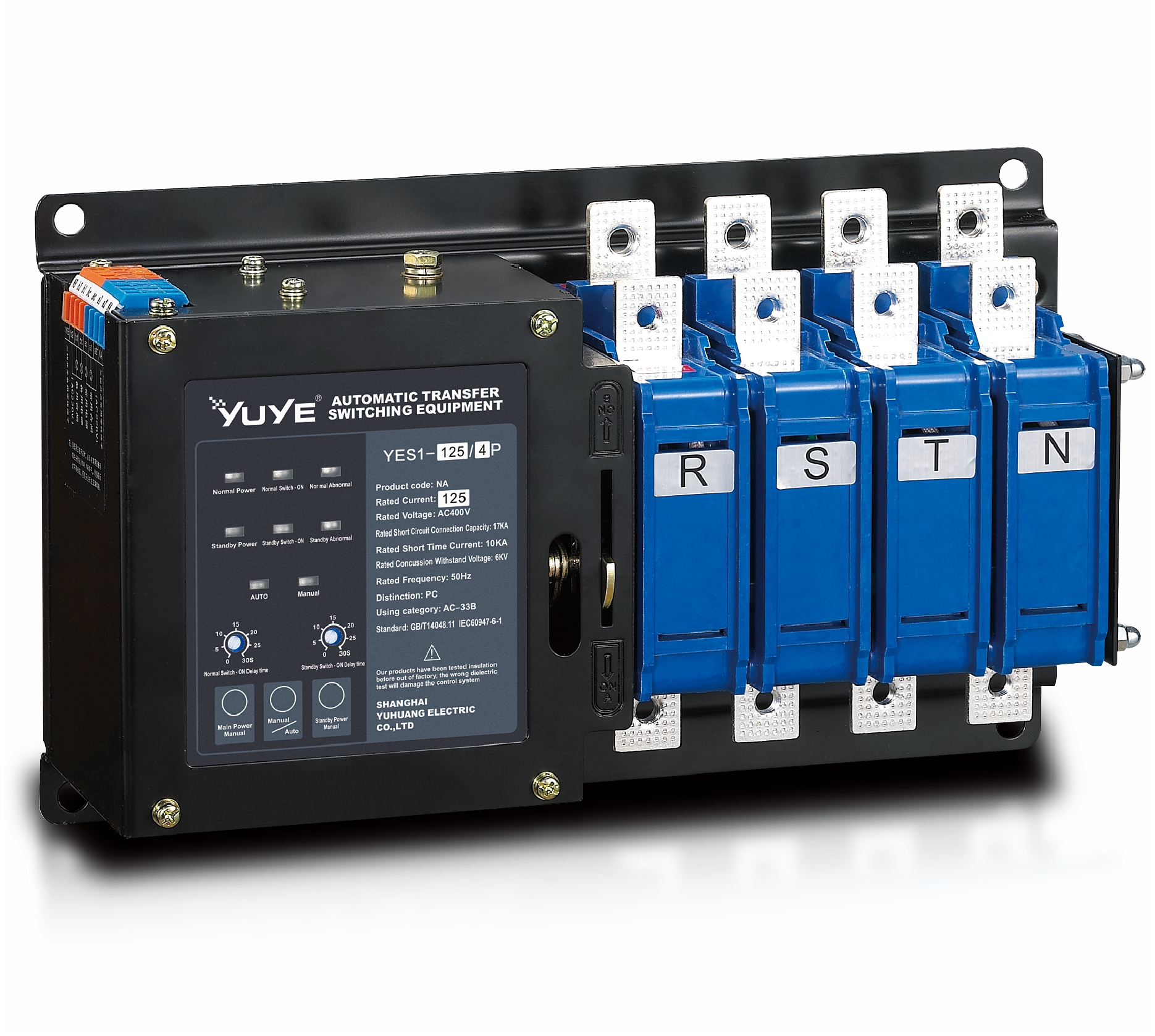 Solenoid-type ATS YES1-32~125NA
 Solenoid-type ATS YES1-63~630SN
 Solenoid-type ATS YES1-1250~4000SN
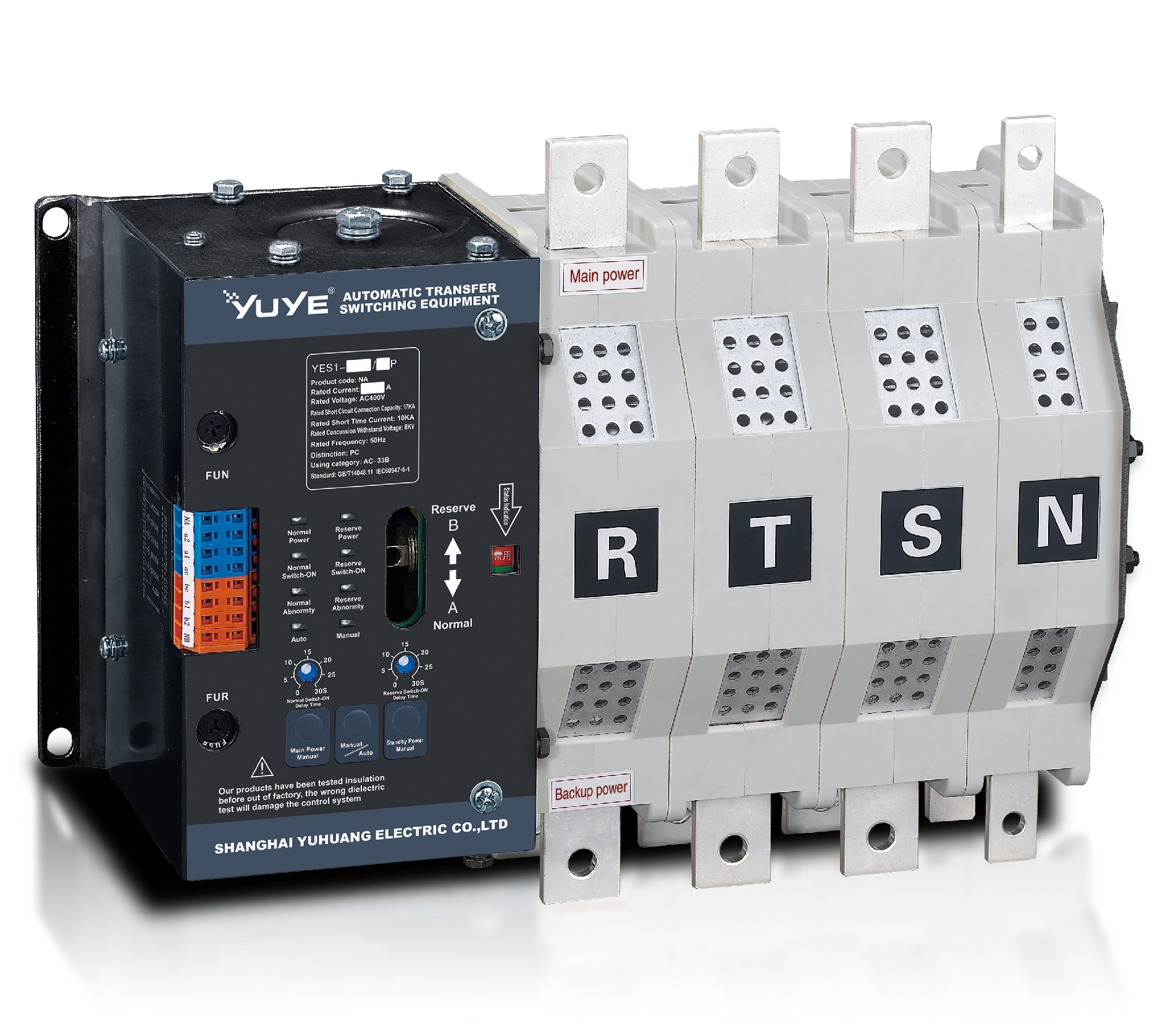 Solenoid-type ATS YES1-250~630NA/NAT
 Solenoid-type ATS YES1-63NJT
 PC ATS YES1-100~1600GN1/GN/GNF
 PC ATS YES1-2000~3200GN/GNF
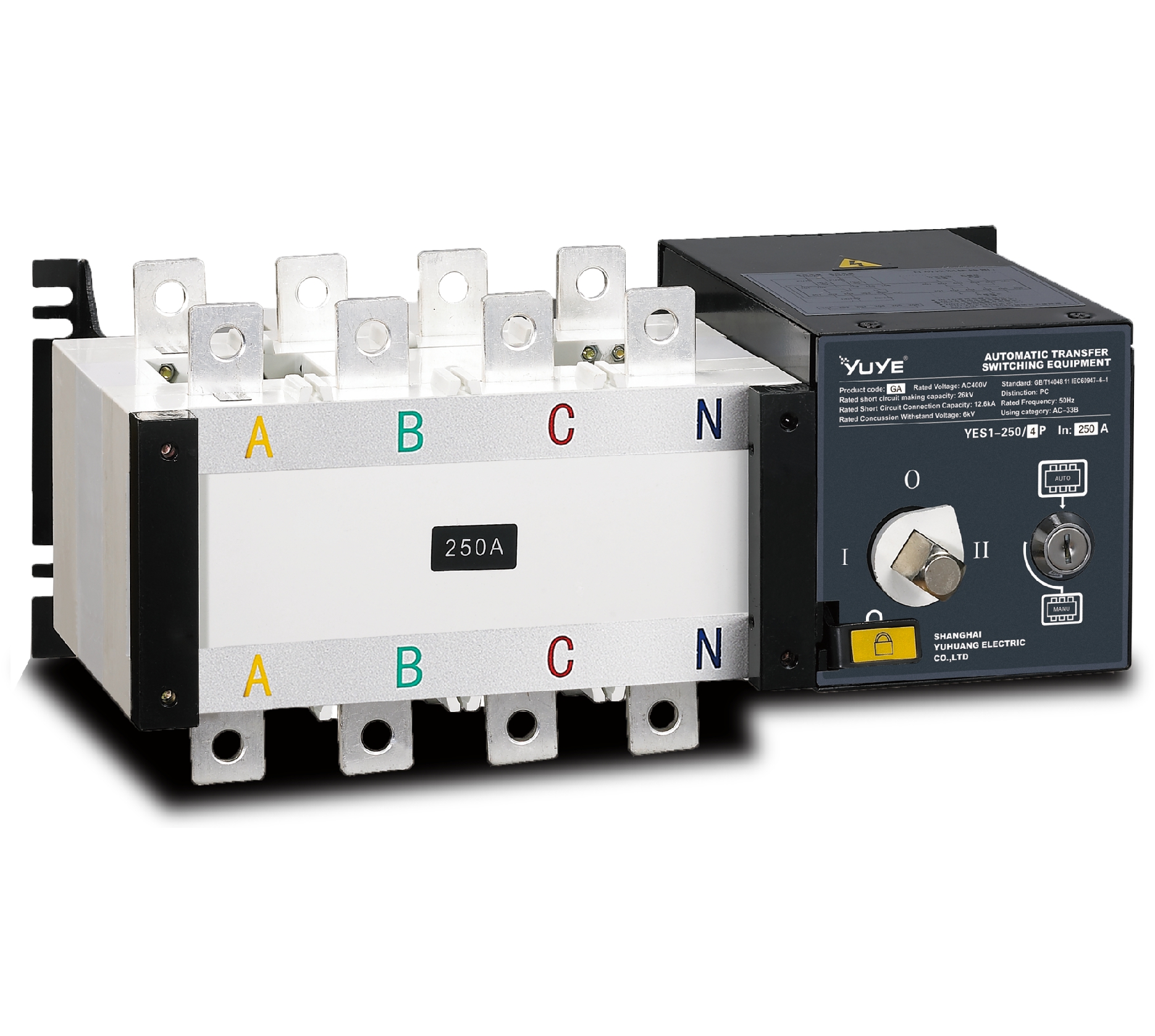 PC ATS YES1-100~3200GA1/GA
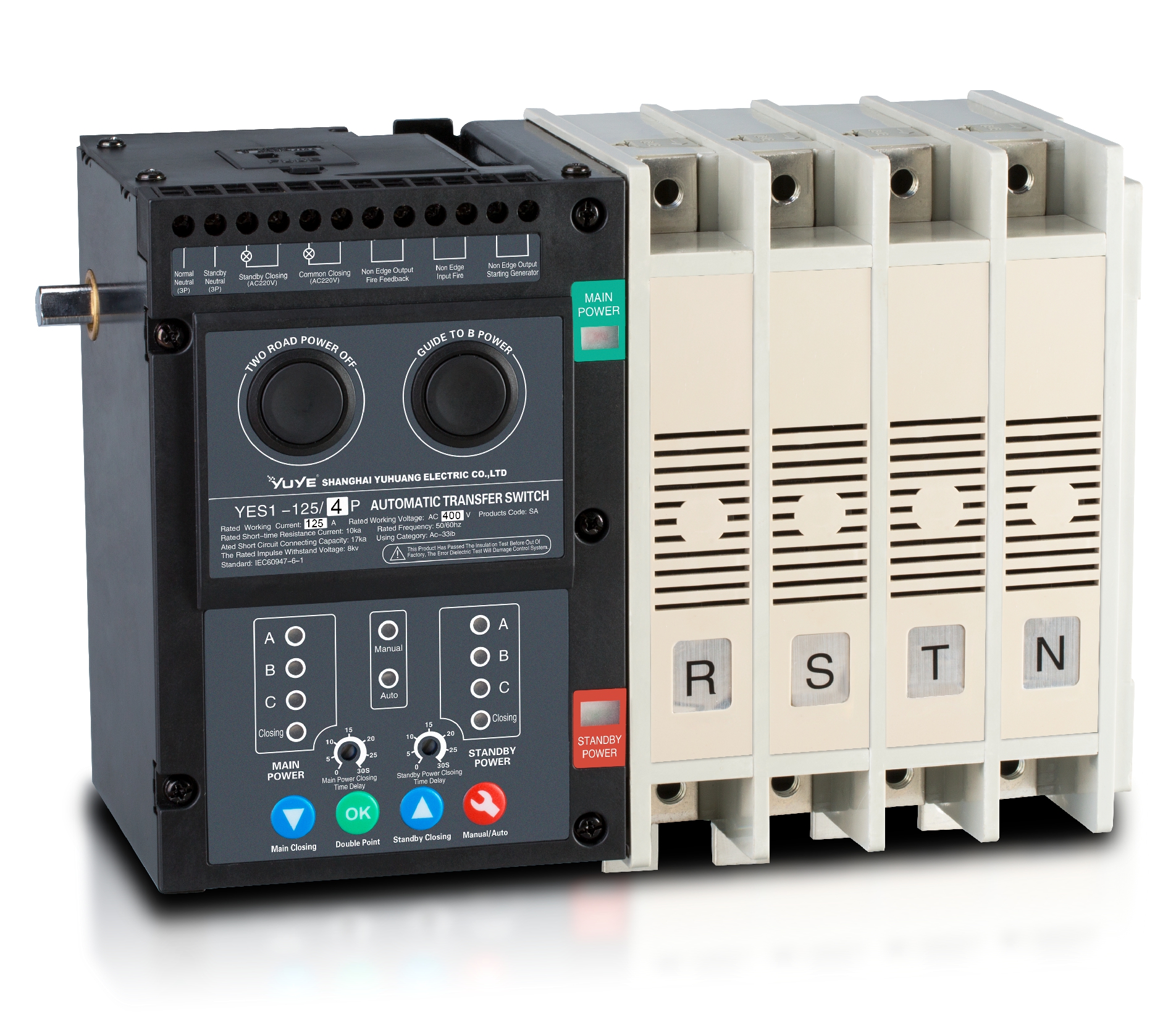 Solenoid-type ATS YES1-63~630SA
 Solenoid-type ATS YES1-63~630L/LA
 Solenoid-type ATS YES1-63~630LA3
 Solenoid-type ATS YES1-63MA
 PC ATS YES1-630~1600M
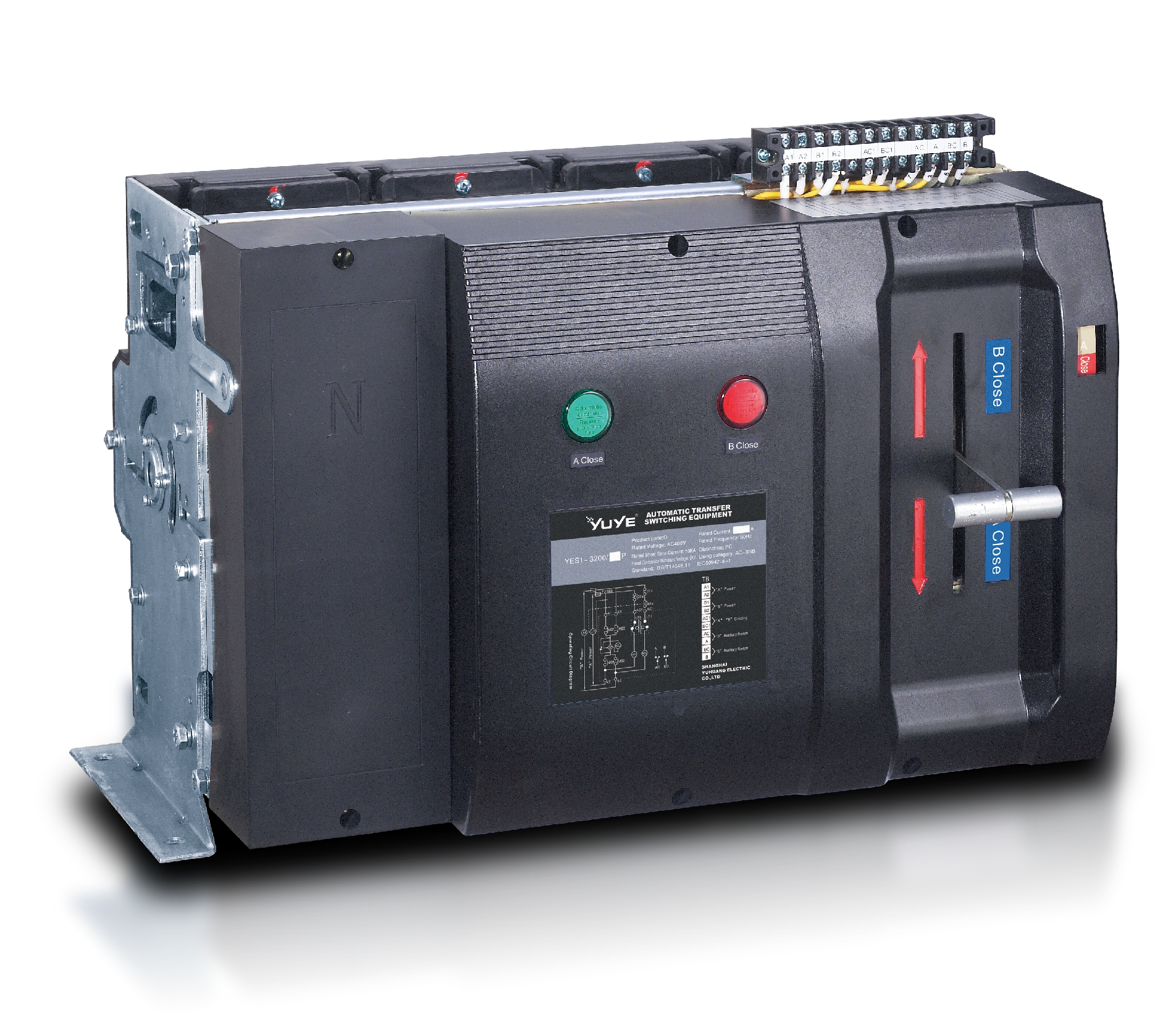 PC ATS YES1-3200Q
 Solenoid-type ATS YES1-4000~6300Q
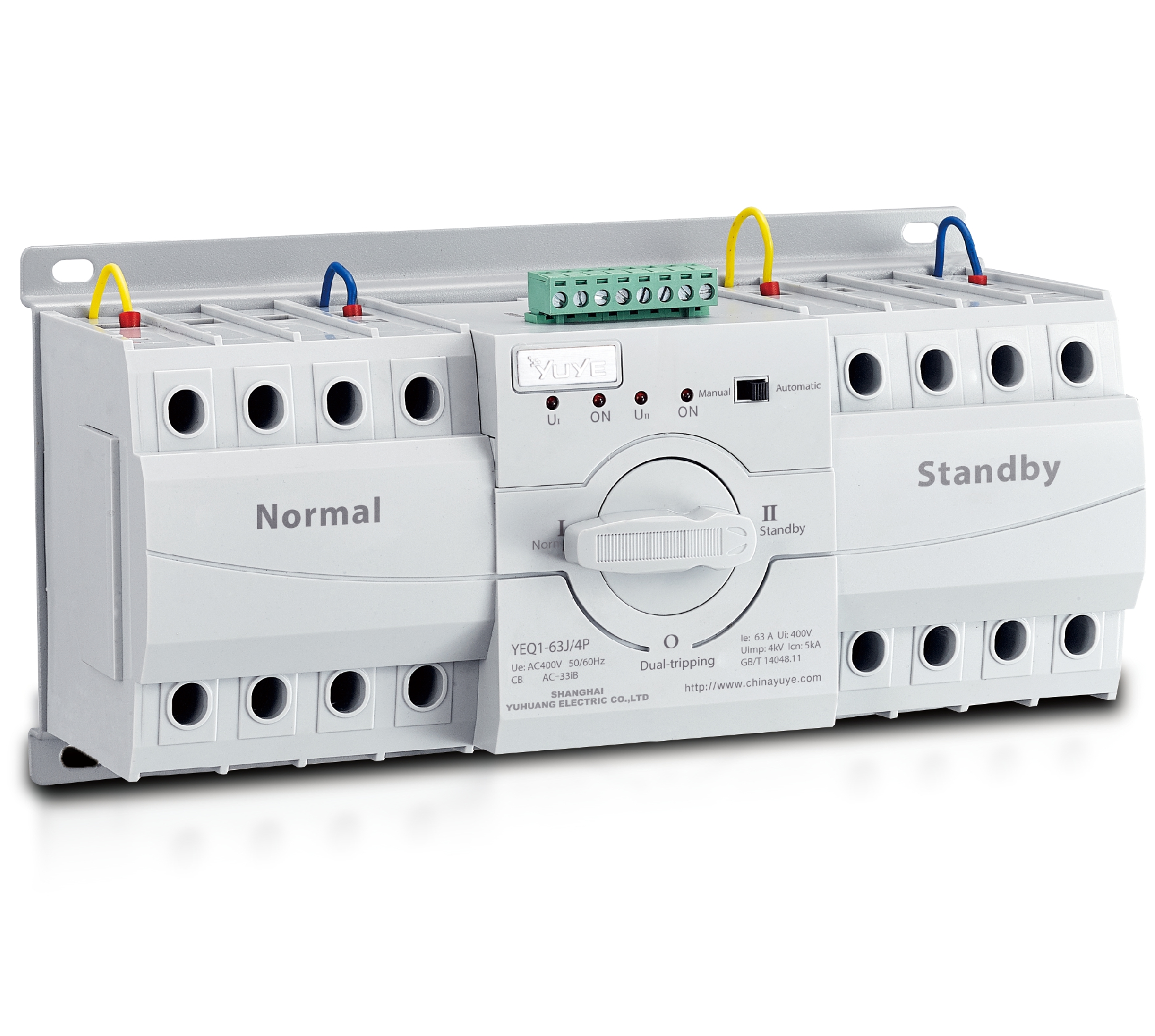 CB ATS YEQ1-63J
 CB ATS YEQ2Y-63
 CB ATS YEQ3-63W1
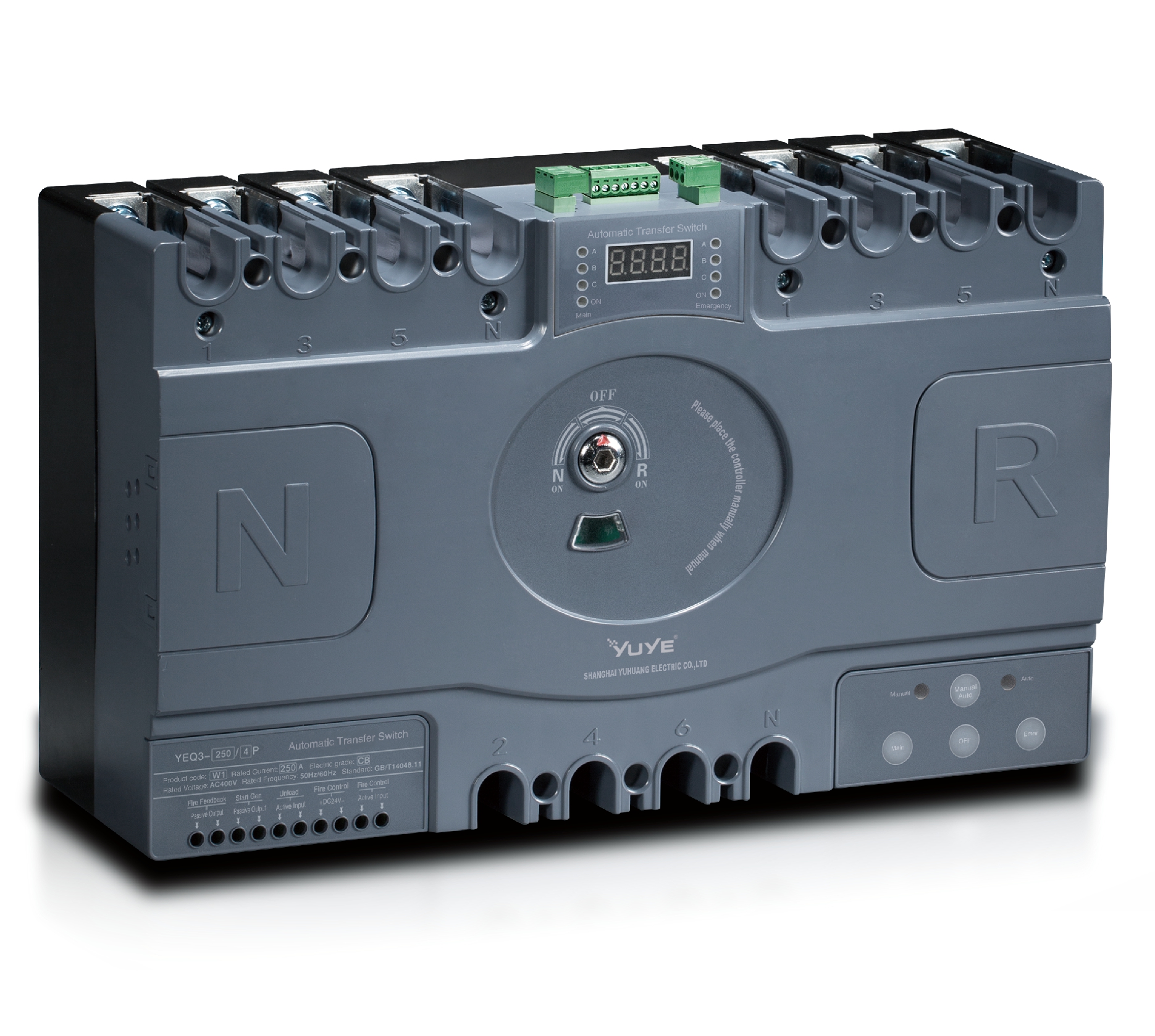 CB ATS YEQ3-125~630W1
 ATS controller Y-700
 ATS Controller Y-700N
 ATS Controller Y-701B
 ATS Controller Y-703N
 ATS Controller Y-800
 ATS Controller W2/W3 Series
 ATS switch Cabinet floor-to-ceiling
 ATS switch cabinet
 JXF-225A power Cbinet
 JXF-800A power Cbinet
 YEM3-125~800 Plastic Shell Type MCCB
 YEM3L-125~630 Leakage Type MCCB
 YEM3Z-125~800 Adjustable Type MCCB
 YEM1-63~1250 Plastic Shell Type MCCB
 YEM1E-100~800 Electronic Type MCCB
 YEM1L-100~630 Leakage Type MCCB
 Air Circuit Breaker YEW1-2000~6300
 Air Circuit Breaker YEW3-1600
 Miniature circuit breaker YEMA2-6~100
 Miniature circuit breaker YEB1-3~63
 Miniature circuit breaker YEB1LE-3~63
 Miniature circuit breaker YEPN-3~32
 Miniature circuit breaker YEPNLE-3~32
 Miniature circuit breaker YENC-63~125
 Load isolation switch YGL-63~3150
 Load Isolation Switch YGL2-63~3150
 DC relay YDC-P20
 DC relay YDC-P250
 DC relay YDC-P400
 DC relay MDC-300M
 DC relay YDC-M400
 DC Isolation Switch YEGL3D-630
 YECPS2-45~125 LCD
 YECPS-45~125 Digital
 CNC Milling/Turning-OEM


