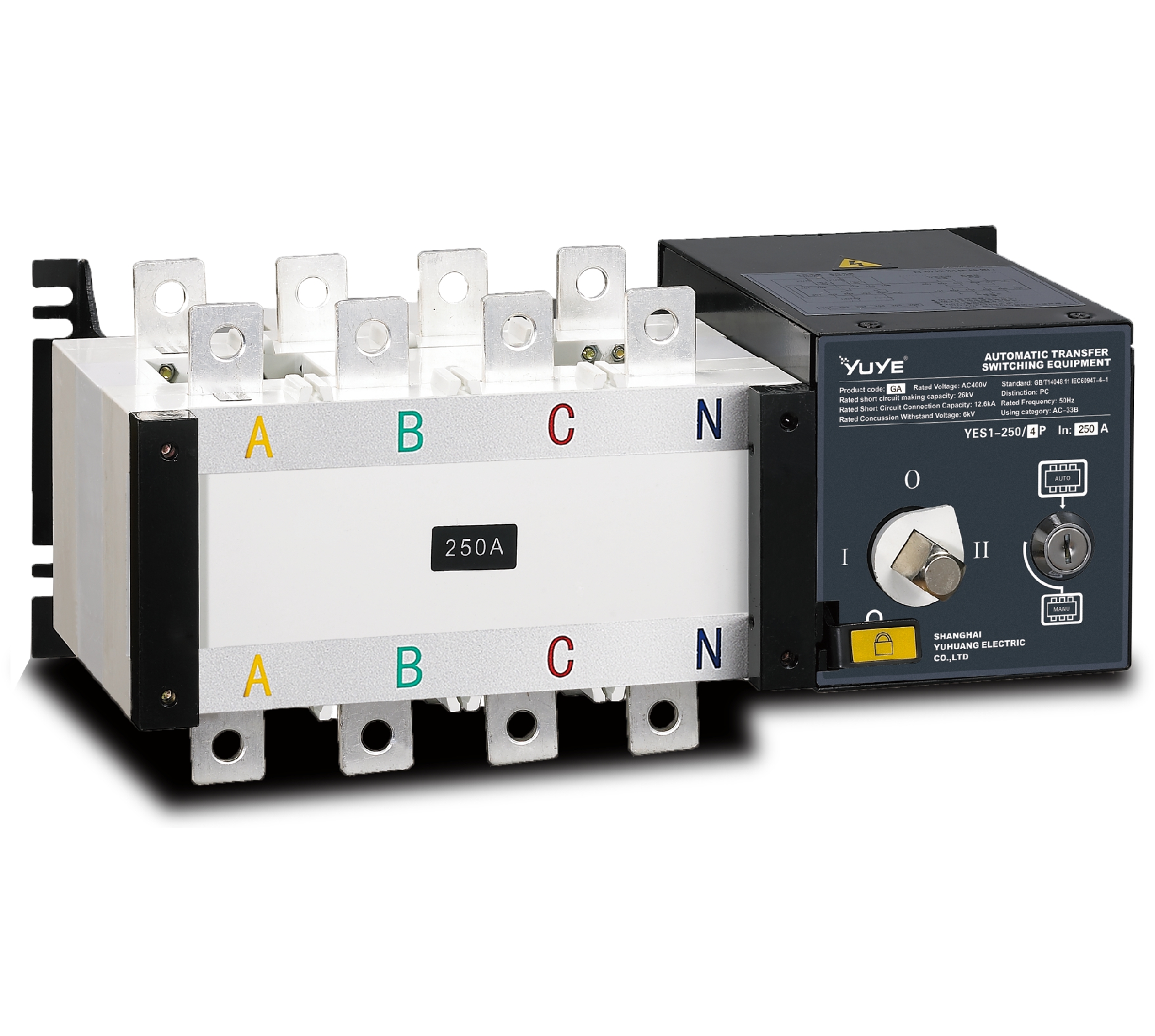
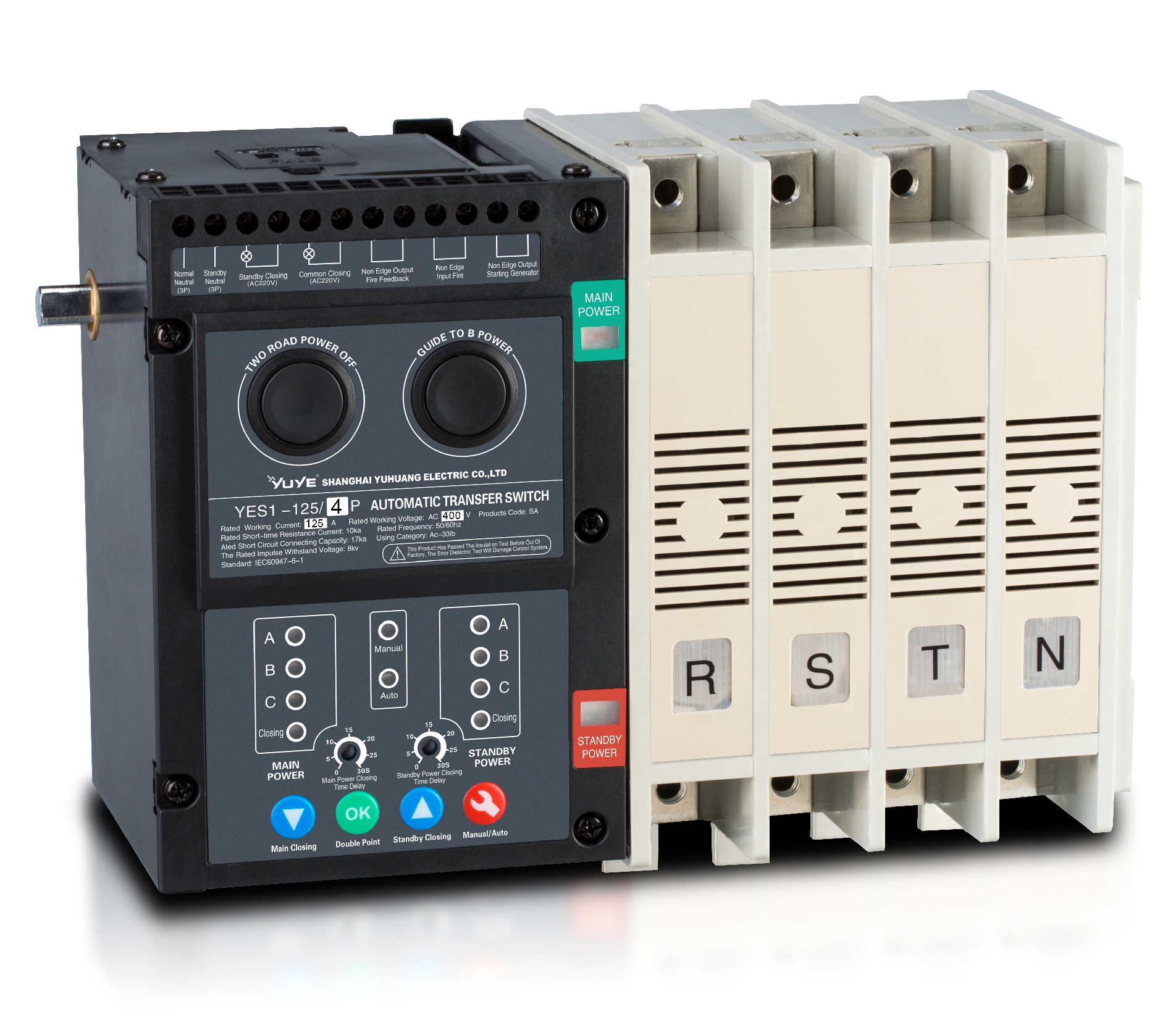
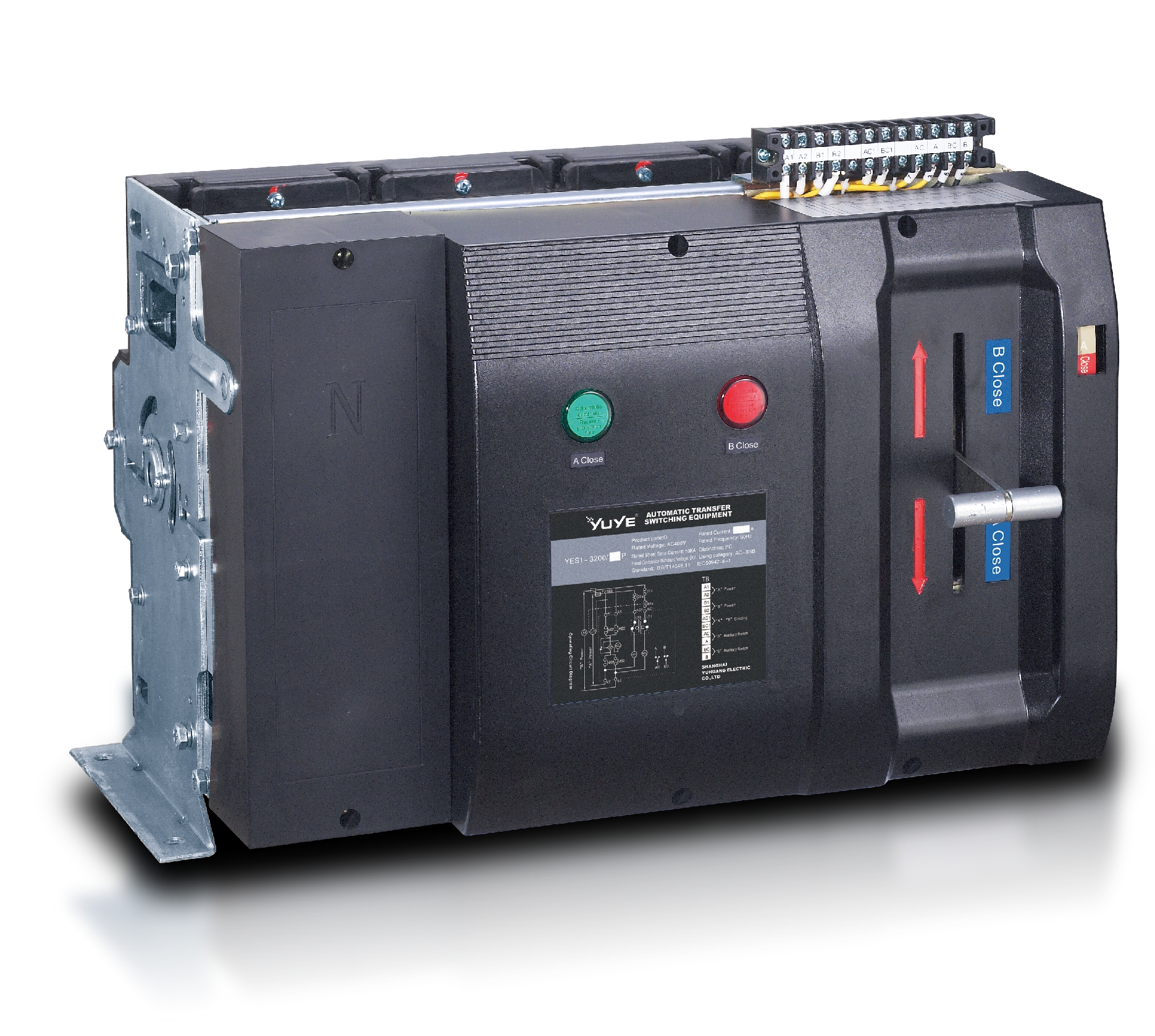
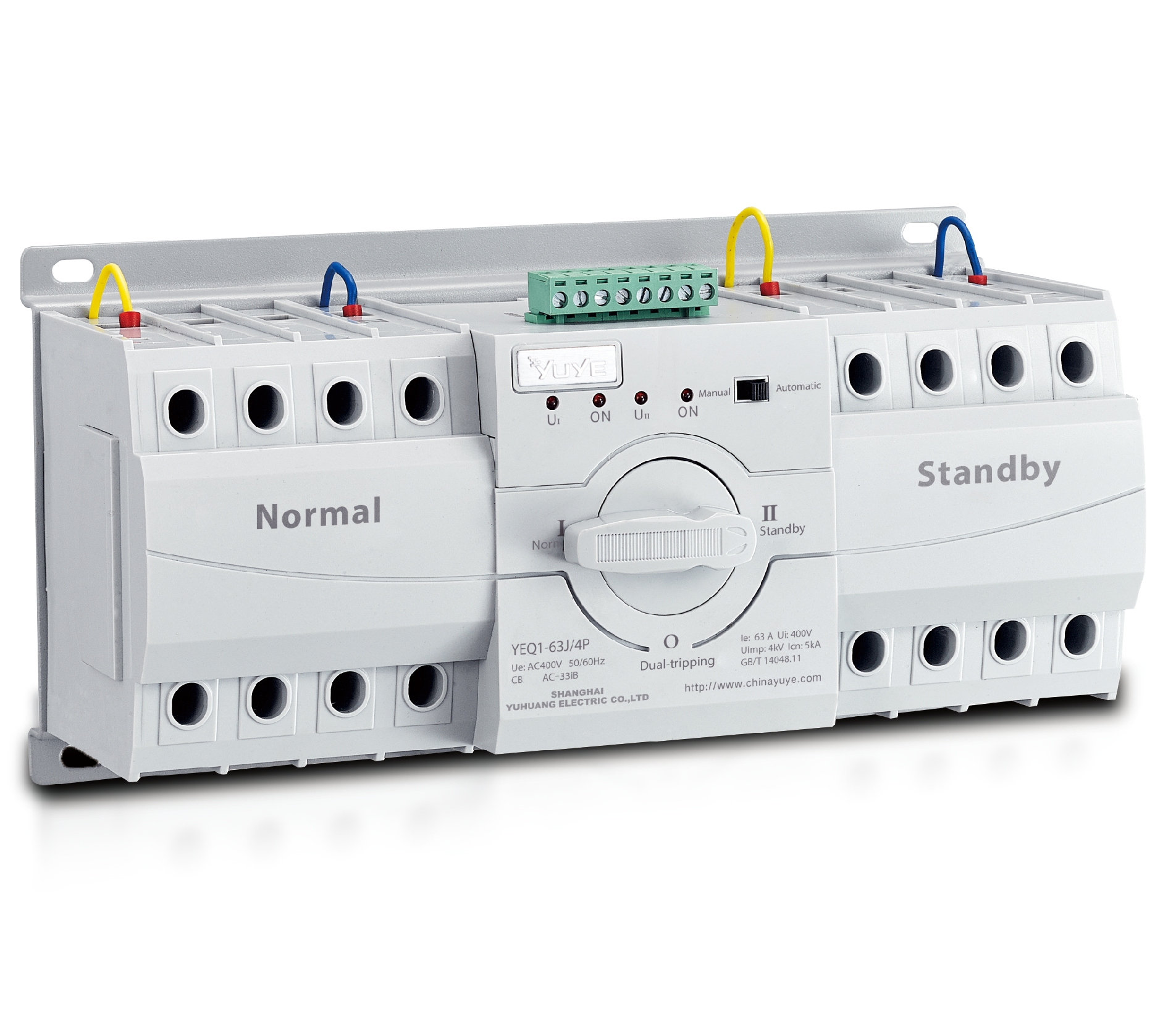
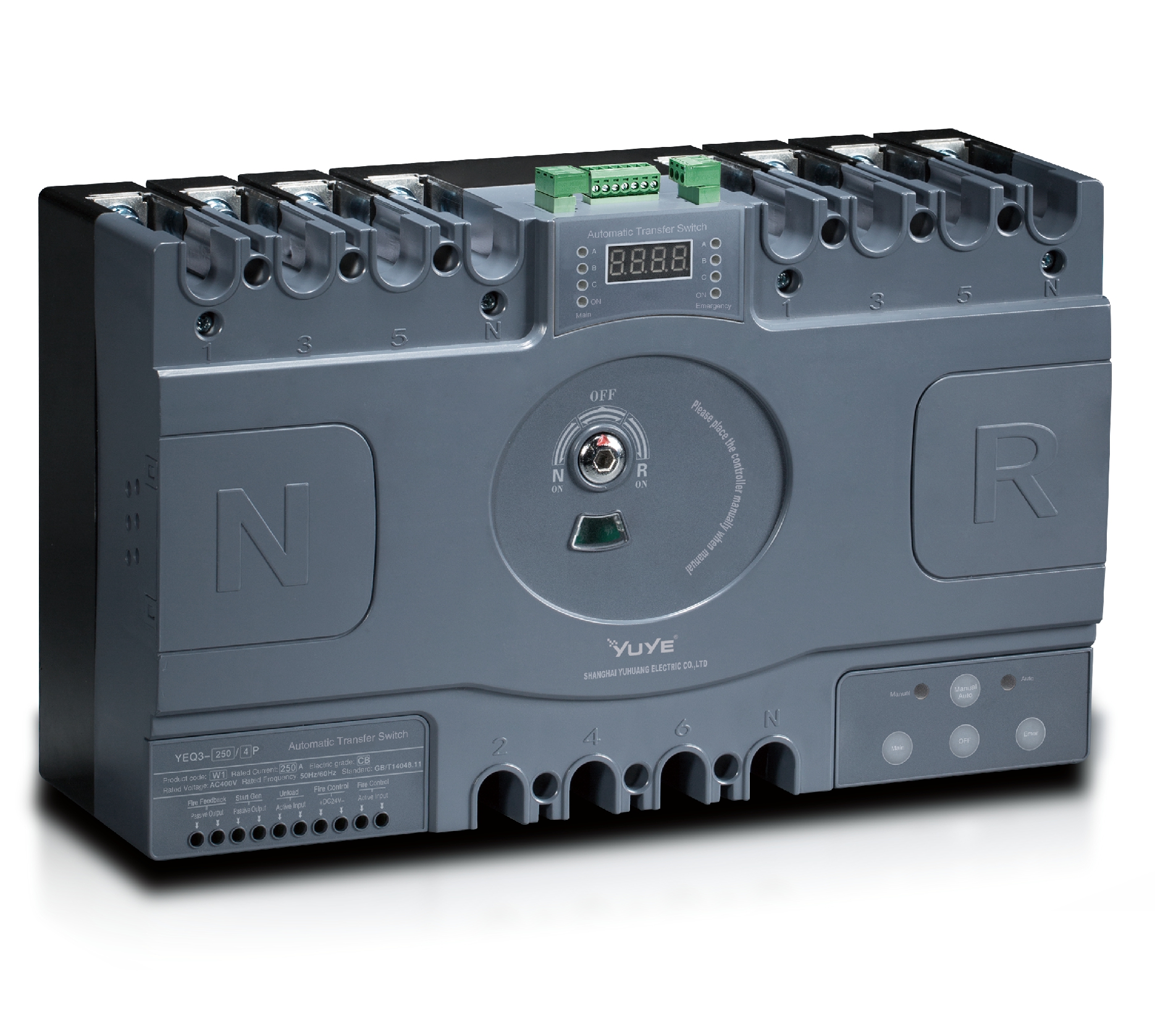
PC ATS YECT1-2000G
PC ATS YES2-63~250GN1
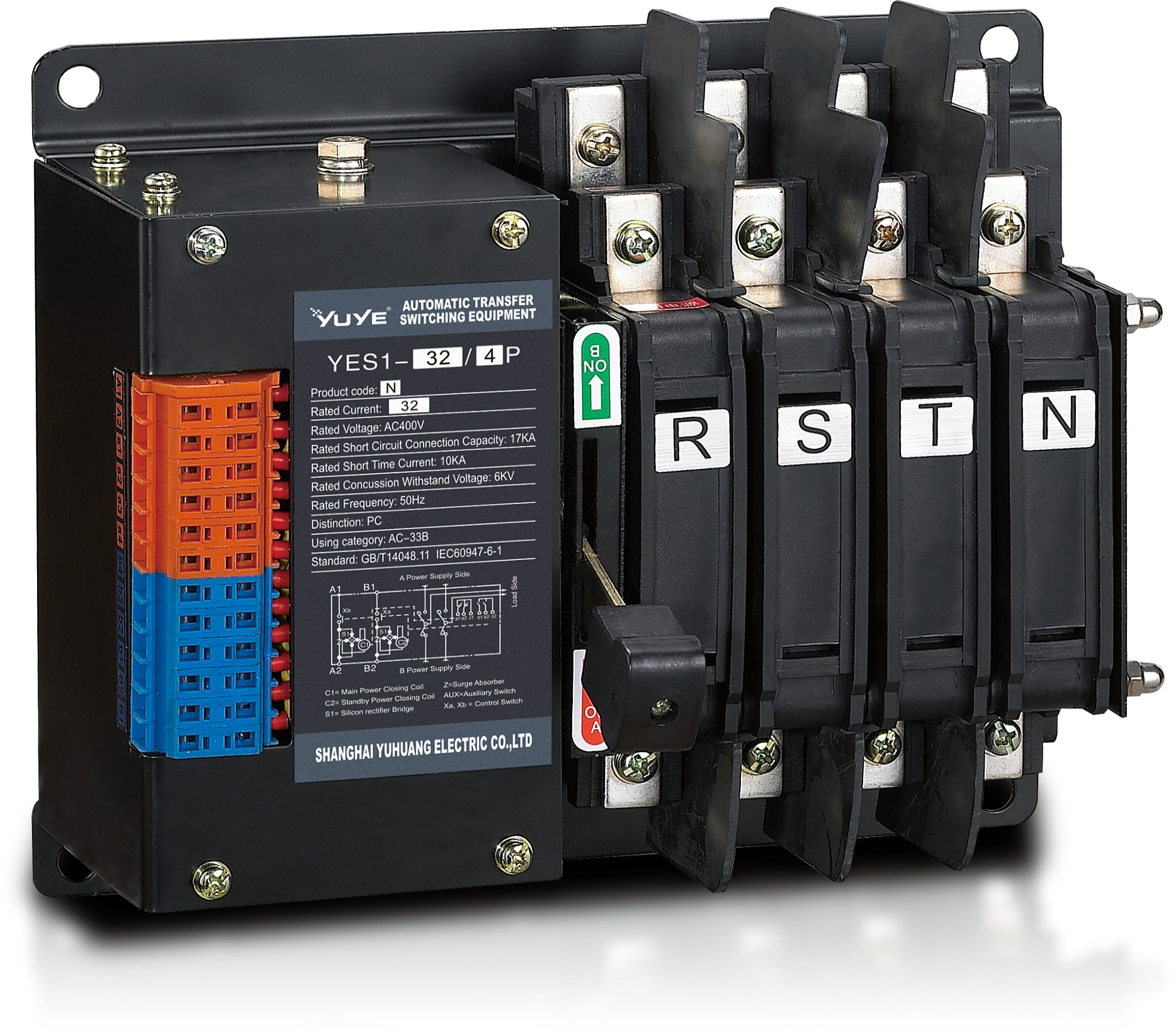
Solenoid-type ATS YES1-32~125N
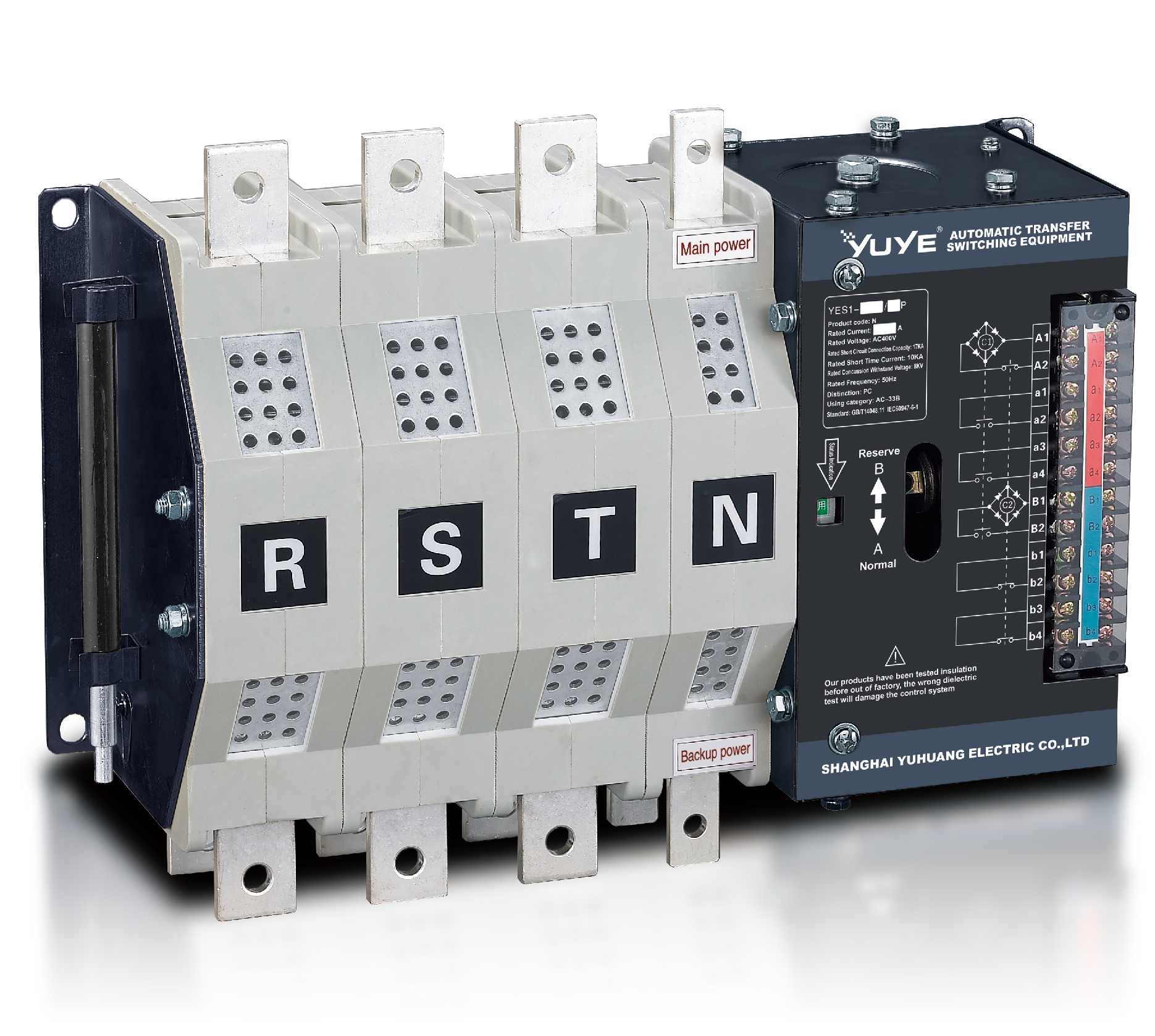
Solenoid-type ATS YES1-250~630N/NT
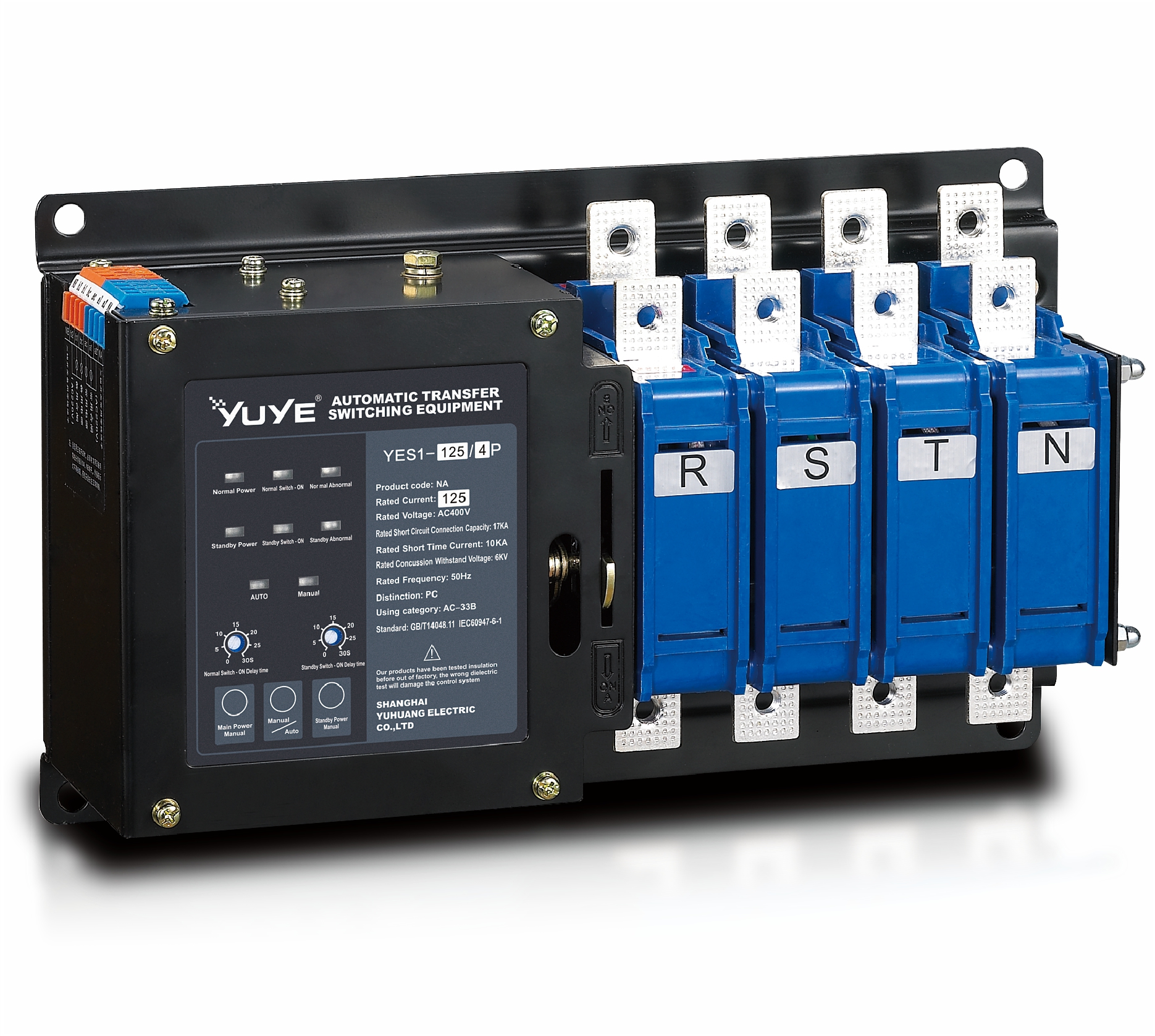
Solenoid-type ATS YES1-32~125NA
Solenoid-type ATS YES1-63~630SN
Solenoid-type ATS YES1-1250~4000SN
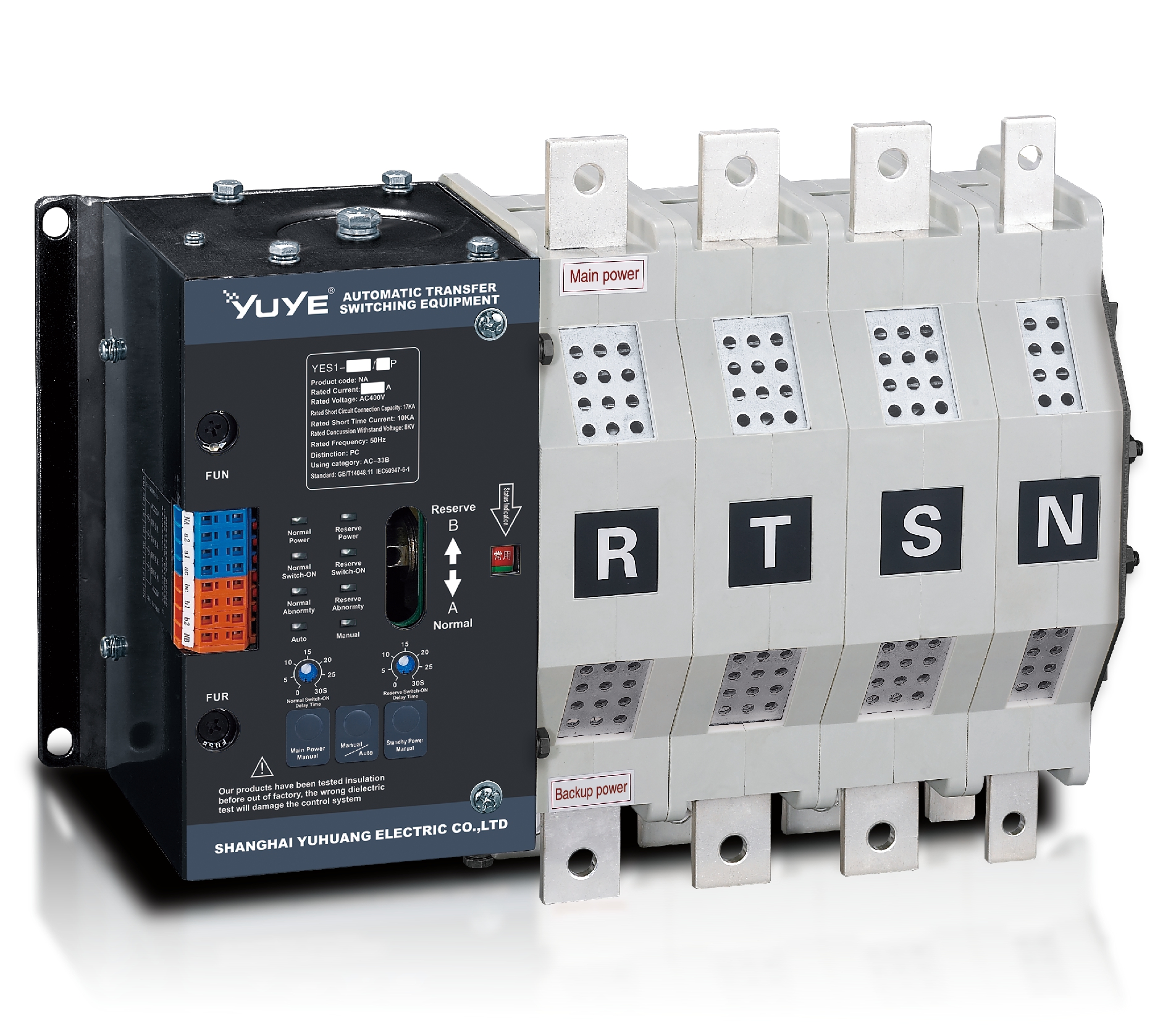
Solenoid-type ATS YES1-250~630NA/NAT
Solenoid-type ATS YES1-63NJT
PC ATS YES1-100~1600GN1/GN/GNF
PC ATS YES1-2000~3200GN/GNF
PC ATS YES1-100~3200GA1/GA
Solenoid-type ATS YES1-63~630SA
Solenoid-type ATS YES1-63~630L/LA
Solenoid-type ATS YES1-63~630LA3
Solenoid-type ATS YES1-63MA
PC ATS YES1-630~1600M
PC ATS YES1-3200Q
Solenoid-type ATS YES1-4000~6300Q
CB ATS YEQ1-63J
CB ATS YEQ2Y-63
CB ATS YEQ3-63W1
CB ATS YEQ3-125~630W1
ATS controller Y-700
ATS Controller Y-700N
ATS Controller Y-701B
ATS Controller Y-703N
ATS Controller Y-800
ATS Controller W2/W3 Series
ATS switch Cabinet floor-to-ceiling
ATS switch cabinet
JXF-225A power Cbinet
JXF-800A power CbinetPicking a generator transfer switch isn't just about who has the lowest price. A dependable Generat Automat Transfer Switch has to do a few things without missing a beat: notice when utility power drops, kick the generator on, and transfer the load. Then, once the utility comes back and settles down, it needs to return the load safely.
In the field, the little stuff tends to show up fast. A cabinet can look solid on paper, but the terminals feel cramped once you're actually wiring it. A controller can have a ton of settings, yet if the menus are confusing, emergency maintenance gets slower—not faster. This guide looks at seven automatic transfer switches for buyers who care about solid performance, straightforward installation, and a long service life. We'll weigh amperage ratings, phase options, switching mechanisms, enclosure protection, controller quality, compatibility, warranty support, and how easy the unit is to maintain. Brands like Generac, Cummins, Eaton, and Schneider Electric show up here because their products fit different jobs—not because one brand is the right answer for everybody.
Mike Holt, a well-respected electrical safety educator, put it this way: "Safety is not expensive, it's priceless." That idea applies straight to transfer equipment. A cheaper price tag can get expensive in a hurry if bad sizing leads to nuisance transfers, overheating, or a troubleshooting headache. That said, no review can predict every site condition. Local wiring, generator capacity, environmental exposure, and professional installation still make the final call.
So don't just look at the label.
Buyers should check neutral switching, short-circuit ratings, service entrance approval, and generator communication requirements. And some specs deserve a little skepticism. Marketing copy can sound great while real-world support is thin. The best pick is the switch that matches the load, the installation environment, and the maintenance plan with fewer compromises. In this comparison, those compromises get the attention they deserve.
7 Best Generator Automatic Transfer Switches for Buyers
A generator automatic transfer switch, or ATS, is the control point between utility power and backup power. It monitors incoming voltage continuously. When utility power fails, the ATS signals the generator to start. After stable voltage appears, it moves the electrical load to the generator. When utility power returns, it transfers the load back and shuts down the generator after cooling.
It does not create electricity. It manages the changeover safely. A properly selected ATS should match the system voltage, amperage, frequency, phase, and number of poles. It should also support suitable transfer delays, enclosure protection, and maintenance access. NFPA 110 emphasizes reliable emergency power systems, including automatic transfer equipment and regular testing. That matters because an untested switch may fail when the building is dark.
The risk is not theoretical. Uptime Institute’s 2024 Annual Outage Analysis reported that 54% of surveyed outages caused losses exceeding 100,000 dollars. A dependable ATS can reduce interruption exposure, but it cannot correct poor installation or an undersized generator. Real sites are messier than brochures. I would inspect neutral switching, service-entrance requirements, bypass isolation, and controller alarms before comparing seven models. One detail is easy to miss: some switches transfer quickly, but sensitive equipment may need programmed delays. A lower price can hide limited diagnostics, weak enclosures, or expensive maintenance. Test the complete system under load, not only the switch display.
7 Best Generator Automatic Transfer Switches for Buyers
When utility power fails, an automatic transfer switch watches voltage through a sensing circuit. It does not start transferring power instantly without checks. The controller confirms an outage, signals the generator, and allows the engine to stabilize. That short pause protects motors from receiving unstable electricity. Many emergency systems follow NFPA 110, which specifies power restoration within 10 seconds for certain Type 10 applications. Residential equipment may follow different requirements.
The switch then opens the utility connection before closing the generator connection. This break prevents dangerous backfeeding into power lines. When utility voltage returns, the controller checks its stability before reconnecting the load. The generator usually runs unloaded for a brief cool-down period, then stops. A real installation is less tidy than a diagram. Cable length, ambient heat, fuel quality, and poor maintenance can affect performance.
The U.S. Energy Information Administration reported about 137 minutes of average customer interruption duration in 2023, including major events. That figure explains why transfer speed matters, but it does not guarantee every installation will perform equally. IEEE Standard 1366 provides industry methods for measuring outage frequency and duration. Buyers should compare sensing accuracy, switching capacity, enclosure protection, and maintenance access. A larger switch is not automatically safer. Proper sizing remains essential.
| Option | Typical Use | Continuous Current Rating | System Voltage | Phase and Poles | Neutral Configuration | Transfer Sequence During an Outage | Typical Transfer Time | Enclosure | Useful Features | Best For |
|---|---|---|---|---|---|---|---|---|---|---|
| 1. Residential Service-Entrance ATS | Whole-home backup for houses with a utility service disconnect located at the transfer switch | 100–200 A | 120/240 V AC | Single-phase, usually 2-pole | Switched or solid neutral, depending on generator grounding design | Detects utility failure, sends a start signal to the generator, waits for stable generator voltage and frequency, then transfers the load | Usually 10–30 seconds including generator warm-up; the switching operation itself is typically completed in milliseconds | Indoor or outdoor-rated metal enclosure; select an enclosure rated for the installation location | Service-rated Utility isolation, generator exercise scheduling, adjustable time delays | Most standard residential whole-house installations |
| 2. Essential-Loads ATS | Selected circuits such as refrigeration, lighting, communications, heating, and sump pumps | 60–100 A | 120/240 V AC | Single-phase, 2-pole | Often solid neutral when the generator does not separately derive a neutral | Transfers only the circuits connected to a dedicated backup-load panel after confirming acceptable generator output | Usually 10–30 seconds, depending on generator start and programmed delays | Indoor or weather-resistant outdoor enclosure | Lower installation cost, reduced generator size, load prioritization, compact footprint | Homes or small buildings that do not require whole-building backup |
| 3. Service-Rated Commercial ATS | Small commercial buildings, offices, retail spaces, and multi-unit properties | 200–400 A | 120/208 V, 120/240 V, or 277/480 V AC | Three-phase, commonly 3-pole or 4-pole | Three-pole units keep the neutral solid; four-pole units switch the neutral when required by the grounding arrangement | Monitors all phases, starts the generator, verifies phase rotation and voltage, and transfers when the source is stable | Typically 10–30 seconds with programmed start, transfer, and retransfer delays | Indoor or outdoor enclosure selected according to environmental exposure | Service-rated Phase monitoring, adjustable timers, bypass-isolation options on some configurations | Commercial services requiring automatic utility isolation |
| 4. Open-Transition ATS | General standby power systems where a brief interruption during transfer is acceptable | 100–1,200 A, depending on configuration | Commonly 120/208 V, 120/240 V, or 277/480 V AC | Single- or three-phase; 2-, 3-, or 4-pole | Determined by the source grounding and bonding method | Disconnects the utility source before connecting the generator source, preventing simultaneous connection of both sources | Usually 50–200 milliseconds for the switching action, plus generator start and stabilization time | Indoor or outdoor-rated enclosure | Simple source separation, cost-effective design, broad range of current ratings | Most residential, commercial, and light-industrial standby applications |
| 5. Closed-Transition ATS | Critical facilities where interruption must be minimized during planned transfers | 100–4,000 A or more, depending on system design | Commonly 208 V, 240 V, 480 V, or 600 V AC | Single- or three-phase; pole count depends on the source arrangement | Selected according to the grounding system and electrical code requirements | Synchronizes the generator with the utility, briefly overlaps the sources, then disconnects the utility without an intentional interruption | Near-zero interruption for a properly synchronized planned transfer; emergency transfer normally uses open transition | Usually metal indoor or outdoor enclosure with equipment-specific environmental rating | Minimal interruption Source synchronization, load testing without interruption, advanced protection controls | Data rooms, healthcare areas, process equipment, and other sensitive loads |
| 6. Service-Entrance ATS with Surge and Monitoring Functions | Whole-building backup where utility visibility and transient protection are important | 100–400 A | 120/240 V or 120/208 V AC | Single- or three-phase; 2-, 3-, or 4-pole | Configured to match the generator neutral-bonding and grounding method | Detects utility voltage loss or unacceptable voltage, starts the generator, verifies output, transfers the load, and returns to utility after stable restoration | Usually 10–30 seconds for emergency transfer, with adjustable retransfer and cooldown delays | Outdoor-rated enclosure is commonly selected for service equipment installed outside | Monitoring Voltage and frequency sensing, event logs, surge protective device compatibility, remote status contacts | Homeowners and small facilities seeking additional visibility and protection |
| 7. Three-Source or Dual-Generator ATS | Facilities requiring a primary generator, secondary source, or redundant standby arrangement | 200–4,000 A or more, based on the switchgear design | 208 V, 240 V, 480 V, or other system-specific ratings | Three-phase is common; pole count depends on source and neutral requirements | Engineered according to the facility grounding scheme and source configuration | Evaluates available sources, starts the preferred generator, transfers to the healthiest qualified source, and changes sources if the preferred source fails | Typically 10–30 seconds for generator startup and stabilization; source-to-source switching is normally completed within milliseconds after qualification | Heavy-duty indoor or outdoor switchgear enclosure | Redundancy Priority logic, source health monitoring, remote communications, programmable transfer schemes | Hospitals, industrial plants, telecommunications sites, and mission-critical facilities |

Choosing among the 7 best generator automatic transfer switches requires more than checking amperage. Reliability starts with the transfer mechanism. Open-transition models briefly interrupt power, while closed-transition designs can reduce interruption during testing. Verify switching time, short-circuit ratings, and compatibility with the generator controller. IEC 60947-6-1 and UL 1008 provide useful benchmarks for transfer equipment performance. Still, certification alone does not guarantee a smooth installation.
Controls deserve equal attention. Look for adjustable voltage and frequency sensing, phase-loss detection, manual bypass, event logging, and remote communication. NFPA 110 emphasizes dependable emergency power performance, including regular testing and monitoring. Uptime Institute’s 2024 outage analysis reported that 54% of serious outages cost more than $100,000, showing why weak transfer logic can become expensive.
Remote alarms may reveal a failed battery or delayed start before an emergency occurs. Small detail. Large consequence.
Match the ATS rating to the actual load, not only the generator nameplate. Motor starting currents, harmonics, ambient heat, and future expansion can change the calculation. A field inspection should confirm cable space, neutral switching, grounding, and enclosure protection. I have seen specifications look complete while omitting bypass maintenance access. That mistake is easy to miss. Review test records, service support, and replacement parts before choosing the lowest price.
Choosing the seven best generator automatic transfer switches depends on the load, installation, and acceptable interruption time. A residential single-phase switch suits essential circuits, such as a refrigerator, furnace, and sump pump. A compact standby switch fits smaller homes with limited panel space. For farms or workshops, a three-phase switch handles motors and uneven loads more reliably. Field technicians should confirm generator capacity, neutral switching, short-circuit ratings, and enclosure protection before installation. Small details matter.
Commercial buildings often need a service-entrance-rated switch, especially when the transfer equipment sits ahead of the main distribution panel. A bypass-isolation switch supports maintenance without removing critical loads. Closed-transition equipment reduces transfer interruption, but it needs compatible sources and careful utility coordination. Healthcare, data centers, and emergency facilities may require a high-duty switch designed around NFPA 110 requirements. The Ponemon Institute’s 2023 Cost of Data Center Outages report placed the average outage cost above one million dollars. That figure changes the buying discussion.
Reliability data also deserves scrutiny. The Uptime Institute’s 2024 Global Data Center Survey reported that 54% of respondents experienced an outage costing more than $100,000. For these users, redundant switches, remote monitoring, and scheduled transfer testing can be more valuable than a low purchase price. I would not call one model universally best. Installation errors, weak batteries, and incorrect phase settings still defeat expensive equipment. Test under load. Record every result.
The best automatic transfer switch starts with load calculation, not generator nameplate size. Match the ATS continuous rating to the largest expected load, then check motor starting current, voltage, phase, and frequency. A 400-amp switch may suit a 300-kilowatt generator, but only if the connected system supports that capacity. Generator output alone does not confirm compatibility. Field inspections often reveal overlooked elevator motors, pumps, or battery chargers. Small details matter.
Emergency systems also require response speed and reliability. NFPA 110 states that Level 1 emergency power systems should transfer available power within 10 seconds. The National Electrical Code separates emergency, legally required standby, and optional standby loads, so one ATS may not serve every circuit correctly. Standard UL 1008 addresses transfer-switch performance, including endurance and fault testing. Buyers should request certification records, short-circuit ratings, and maintenance instructions. Do not rely on a brochure alone.
The U.S. Energy Information Administration reported that average electric customers experienced roughly two hours of interruption in 2023, excluding major events. Severe weather can make that figure look mild. For hospitals, data rooms, and industrial controls, closed-transition or bypass-isolation designs may reduce disruption during testing. However, these features increase cost and coordination demands. A careful engineer should verify utility rules, grounding method, selective coordination, and available fault current. The first specification may still be wrong. Recheck it with actual site measurements.
7 Best Generator Automatic Transfer Switches for Buyers
Installation, Maintenance, and Safety Considerations
An automatic transfer switch should match the generator’s voltage, phase, amperage, and available fault current. A mismatch can damage equipment or create dangerous overheating. Have a qualified electrician inspect the service panel, feeder conductors, grounding, and enclosure location. Installation must follow local electrical requirements and the manufacturer’s instructions. Keep the switch accessible, dry, and protected from flooding, dust, and physical impact. Safety comes first.
During installation, verify that utility and generator sources cannot connect incorrectly. Test the mechanical or electrical interlock before energizing the system. Label both power sources clearly, especially near the main disconnect. A practical detail matters here: leave enough working space for a technician holding a meter and flashlight. Crowded panels slow repairs. Keep it dry.
Maintenance should include scheduled visual inspections, terminal checks, cleaning, and operational testing under controlled conditions. Look for loose connections, corrosion, cracked insulation, unusual heat, or delayed transfer. Exercise the switch according to its service instructions, then record the date and results. Batteries, control wiring, and sensing circuits also deserve attention. I would not assume a successful monthly transfer proves complete reliability. Loads may behave differently during a real outage. Test critical equipment separately, and review the plan after renovations or generator changes. A missed label or forgotten circuit can become a costly lesson.
The YGLZ1-100~3150 manual changeover switch is designed for reliable circuit connection, disconnection, and electrical isolation in low-voltage AC power systems. It operates at a rated working voltage of 400 V, a frequency of 50 Hz, and rated currents from 100 A to 3150 A. With a robust structure and clear manual operation, it is suitable for infrequent switching duties and helps provide visible isolation during inspection or maintenance. The series complies with IEC 60947-3 and supports utilization categories AC-22B and AC-21B.
This switch can be used in distribution panels, industrial control cabinets, power distribution equipment, and transfer arrangements where circuits require manual selection or isolation. When selecting a suitable model, users should confirm the circuit’s working voltage, maximum operating current, installation environment, conductor size, number of poles, and required switching function. The selected current rating should not be lower than the actual system load, while the enclosure and terminal arrangement should match the mounting space and connection method.
Installation should be carried out by qualified electrical personnel with the power supply fully isolated. Check the switch, terminals, and accessories for damage before mounting, then secure the unit firmly and connect conductors according to the wiring diagram. Terminals should be tightened to the specified torque, with adequate clearance and correct phase identification. After installation, inspect the mechanism, verify the changeover positions, and perform electrical tests before placing the equipment into service.
It monitors utility voltage continuously. When power fails, it signals the generator to start. After voltage stabilizes, it moves the electrical load. It does not create electricity.
The controller confirms the outage before transferring power. The generator starts and stabilizes first. The switch opens the utility connection before closing the generator connection. That separation helps prevent dangerous backfeeding.
Some emergency systems target restoration within ten seconds. Residential systems may follow different requirements. Transfer speed depends on sensing, generator startup, and programmed delays. Fast is not always better.
Check voltage, amperage, frequency, phase, and pole count. Also confirm short-circuit ratings and generator-controller compatibility. Motor starting currents may exceed normal running currents. A larger switch is not automatically safer.
Open-transition switching briefly interrupts power during transfer. Closed-transition switching can reduce interruption during certain tests. The selected design must suit the equipment and installation. Sensitive equipment may need careful timing.
Adjustable voltage and frequency sensing can improve transfer decisions. Phase-loss detection can identify unstable incoming power. Event logs may show delayed starts or failed transfers. Remote alarms can expose problems earlier. Small detail.
Review neutral switching, grounding, cable space, and enclosure protection. Confirm bypass and maintenance access before installation. Heat, cable length, fuel quality, and poor maintenance affect performance. A diagram can look perfect. Real sites are messier.
Test the complete system under load, not only the display. Simulate utility failure and confirm generator startup. Check transfer, retransfer, cool-down, alarms, and manual bypass operation. An untested switch may fail when the building is dark.
A Generat Automat Transfer Switch is a critical device that automatically moves a building’s electrical load from the utility supply to a standby generator when an outage occurs, then safely returns the load when normal power is restored. This article explains how automatic transfer switches detect power loss, start the generator when required, and manage the changeover to reduce interruptions and protect connected equipment.
It also presents seven types of automatic transfer switches suited to different applications, from residential backup systems to larger commercial electrical installations. Buyers will learn how to compare transfer capacity, voltage compatibility, switching speed, phase configuration, enclosure design, control features, and generator compatibility. The guide further explains how to select an ATS according to generator size and the building’s electrical system, while highlighting the importance of professional installation, regular testing, maintenance, grounding, and safe operating procedures.