
 PC ATS YECT1-2000G
 PC ATS YES2-63~250GN1
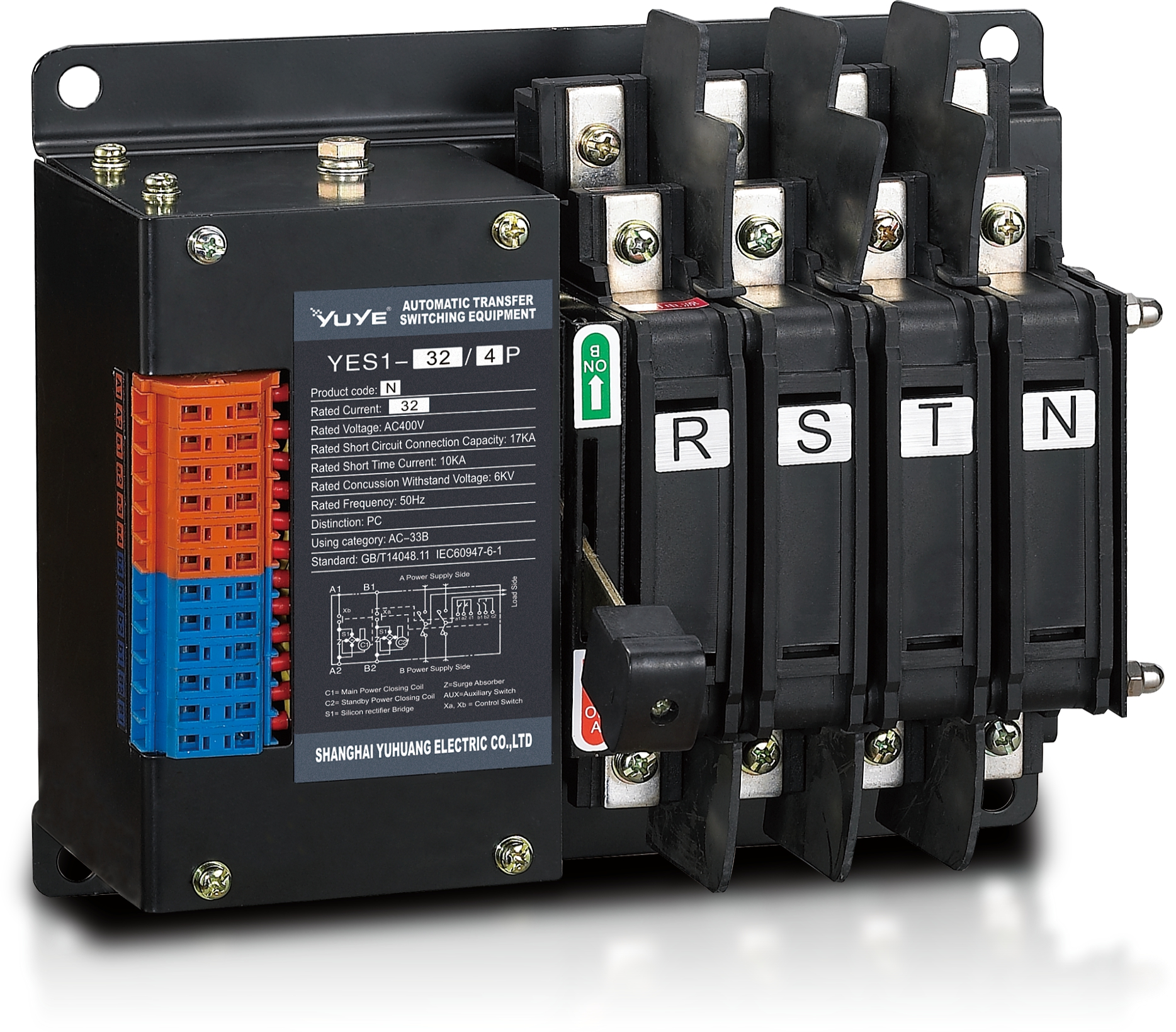 Solenoid-type ATS YES1-32~125N
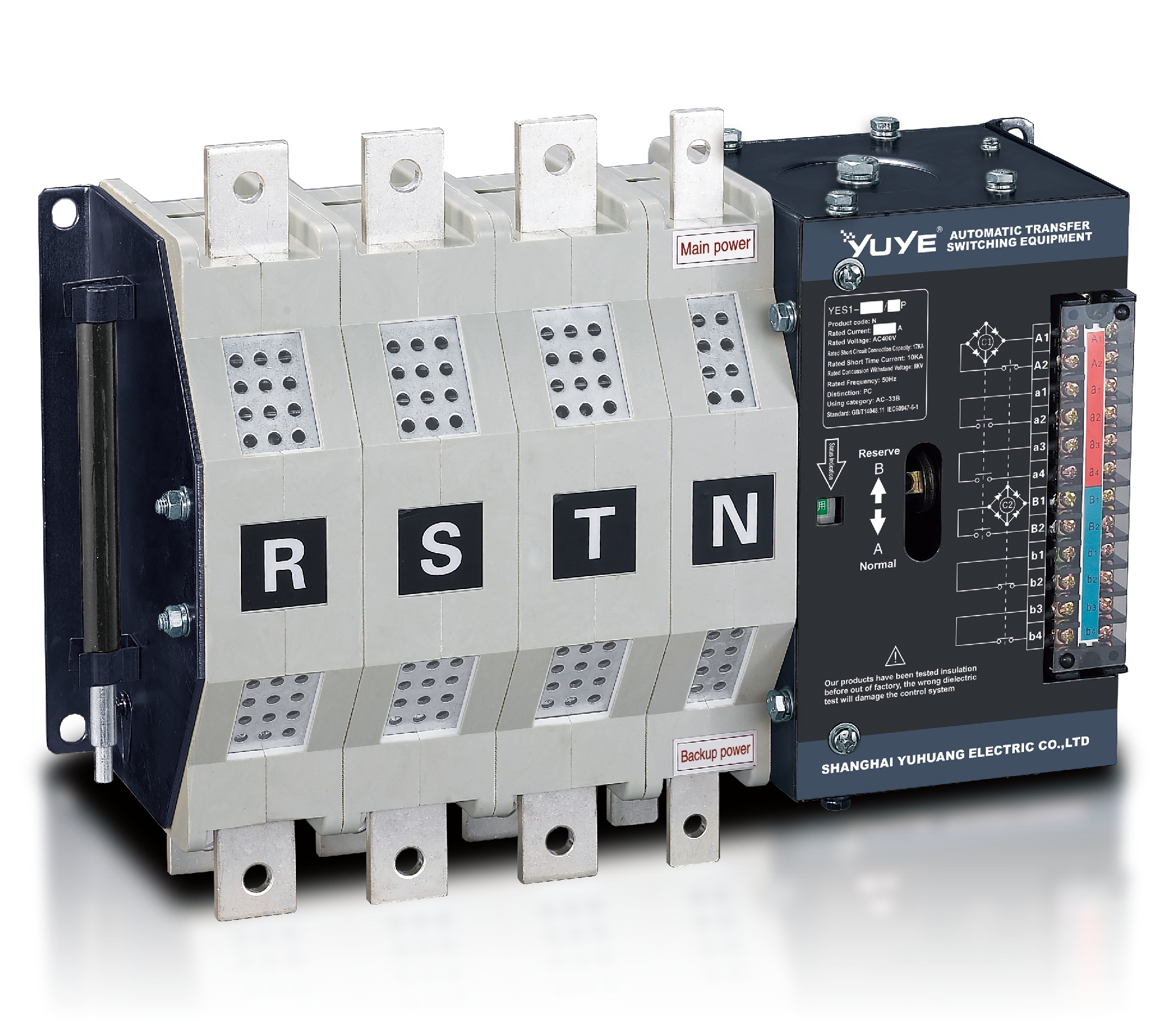 Solenoid-type ATS YES1-250~630N/NT
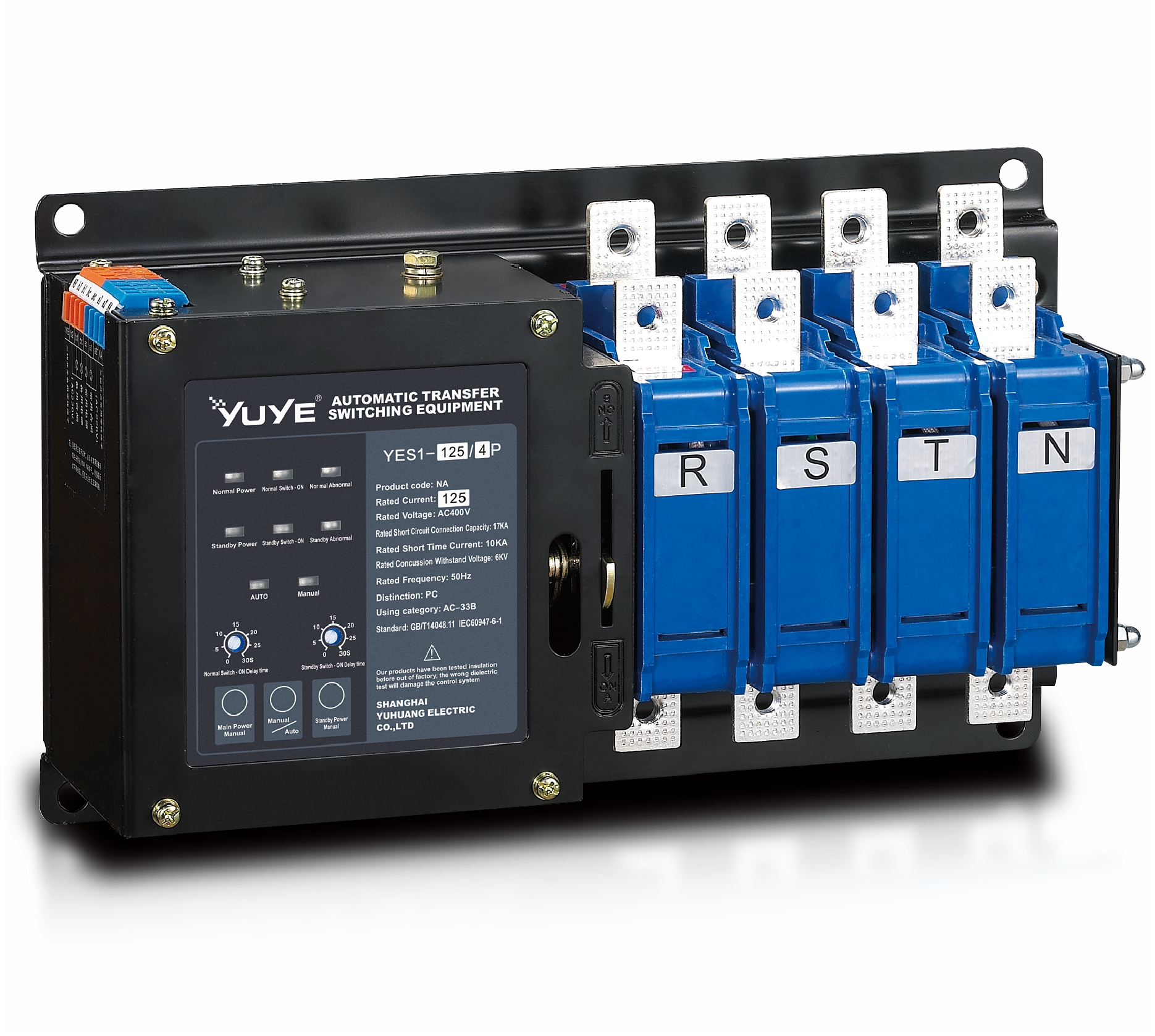 Solenoid-type ATS YES1-32~125NA
 Solenoid-type ATS YES1-63~630SN
 Solenoid-type ATS YES1-1250~4000SN
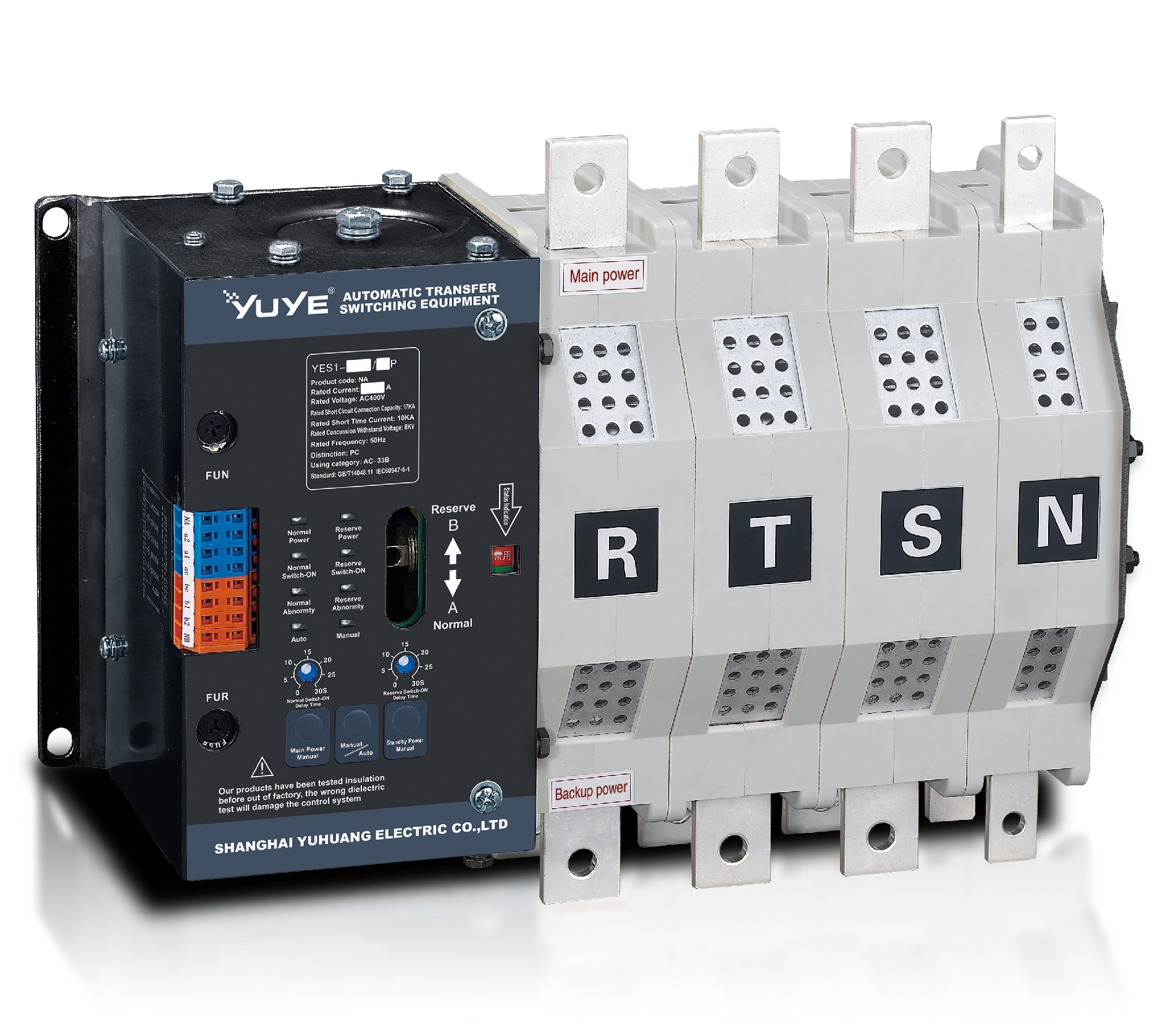 Solenoid-type ATS YES1-250~630NA/NAT
 Solenoid-type ATS YES1-63NJT
 PC ATS YES1-100~1600GN1/GN/GNF
 PC ATS YES1-2000~3200GN/GNF
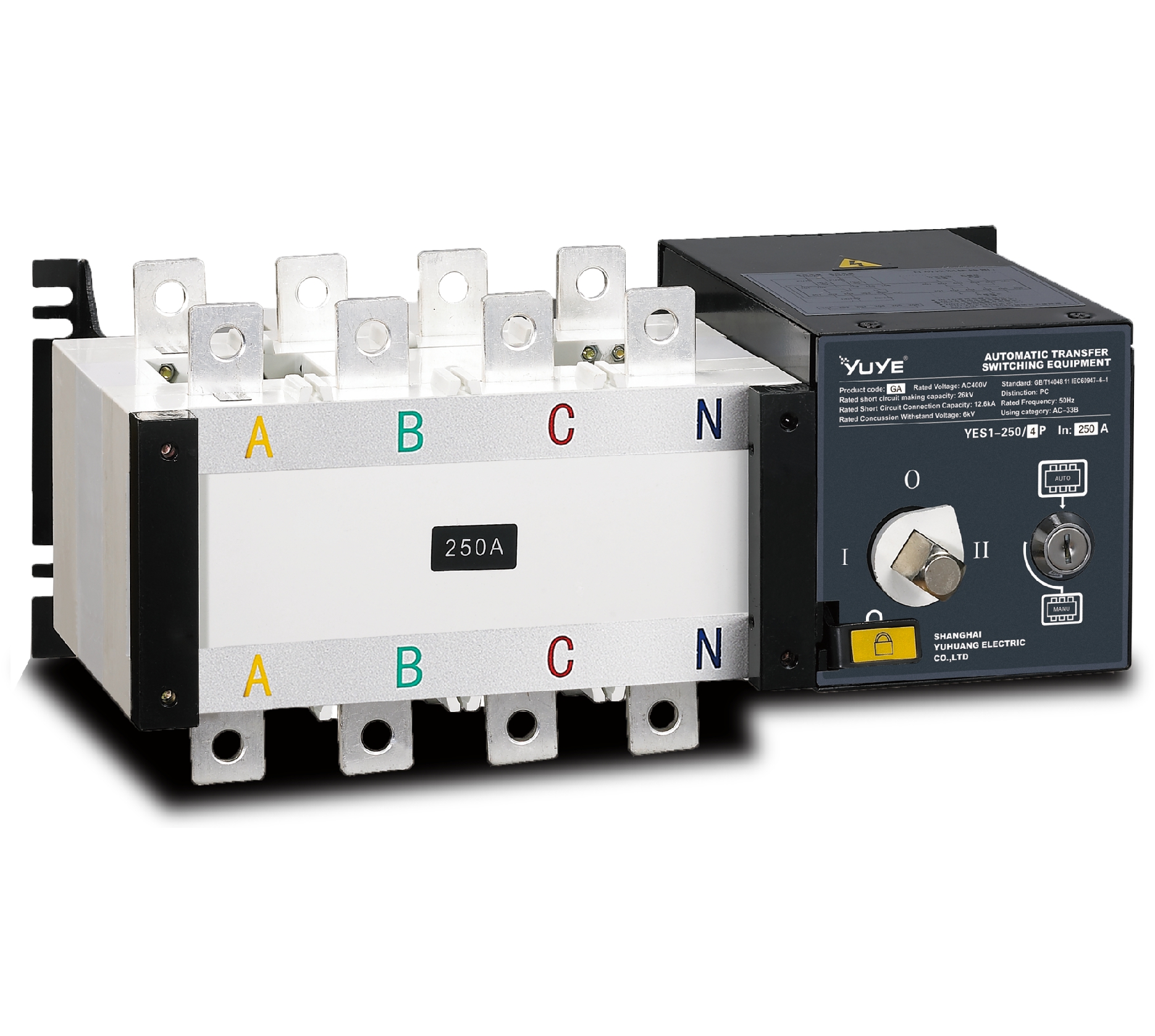 PC ATS YES1-100~3200GA1/GA
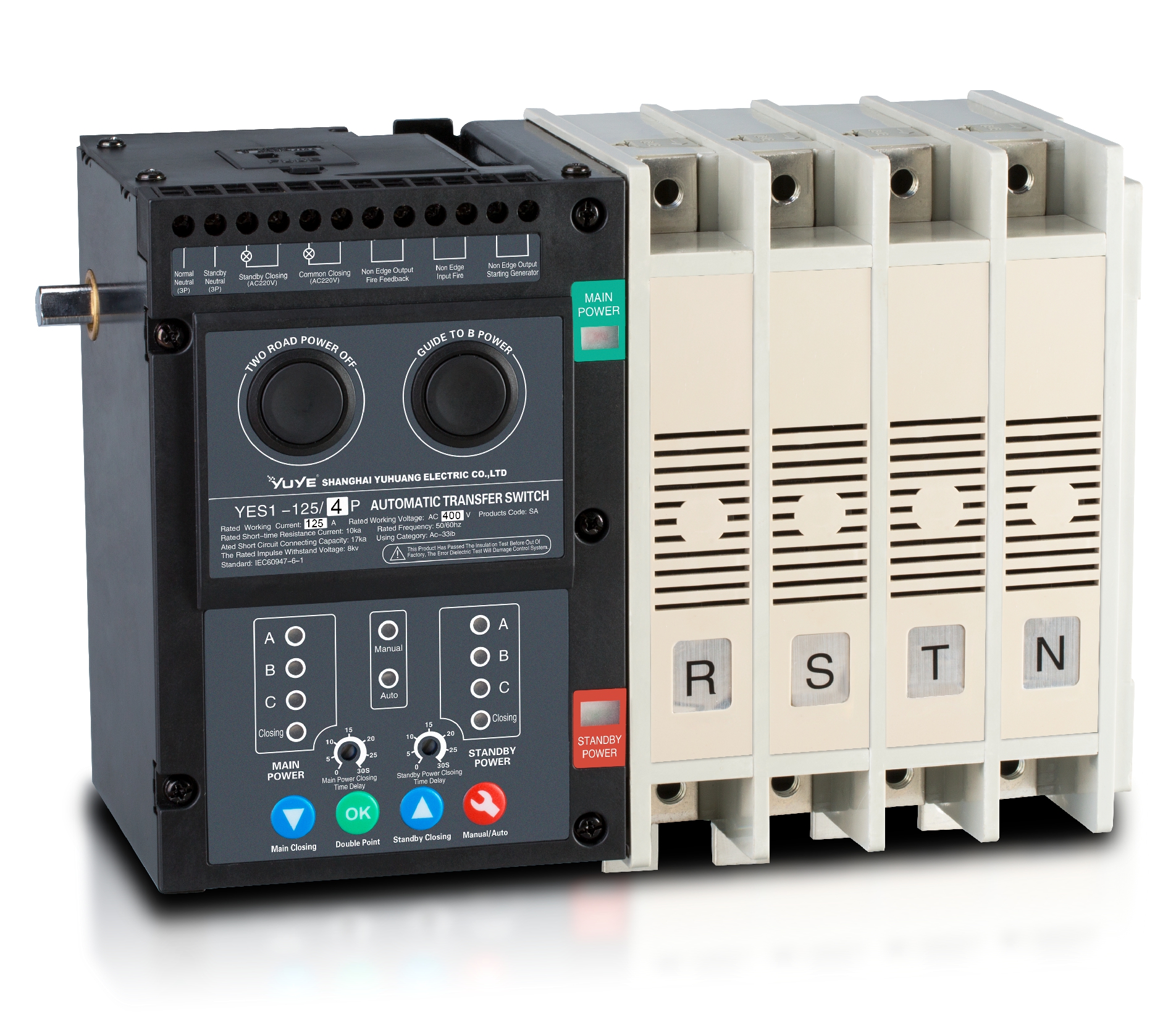 Solenoid-type ATS YES1-63~630SA
 Solenoid-type ATS YES1-63~630L/LA
 Solenoid-type ATS YES1-63~630LA3
 Solenoid-type ATS YES1-63MA
 PC ATS YES1-630~1600M
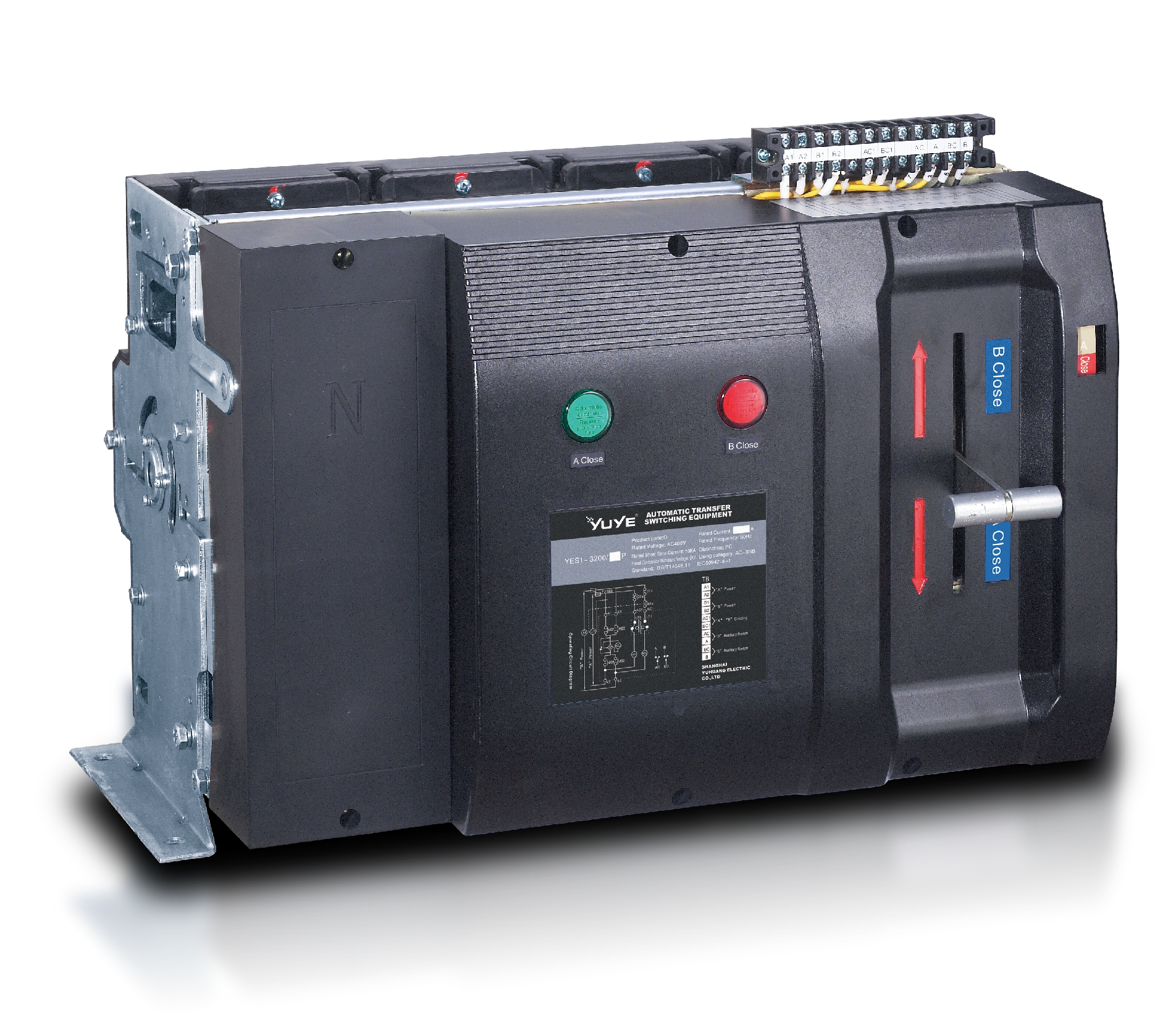 PC ATS YES1-3200Q
 Solenoid-type ATS YES1-4000~6300Q
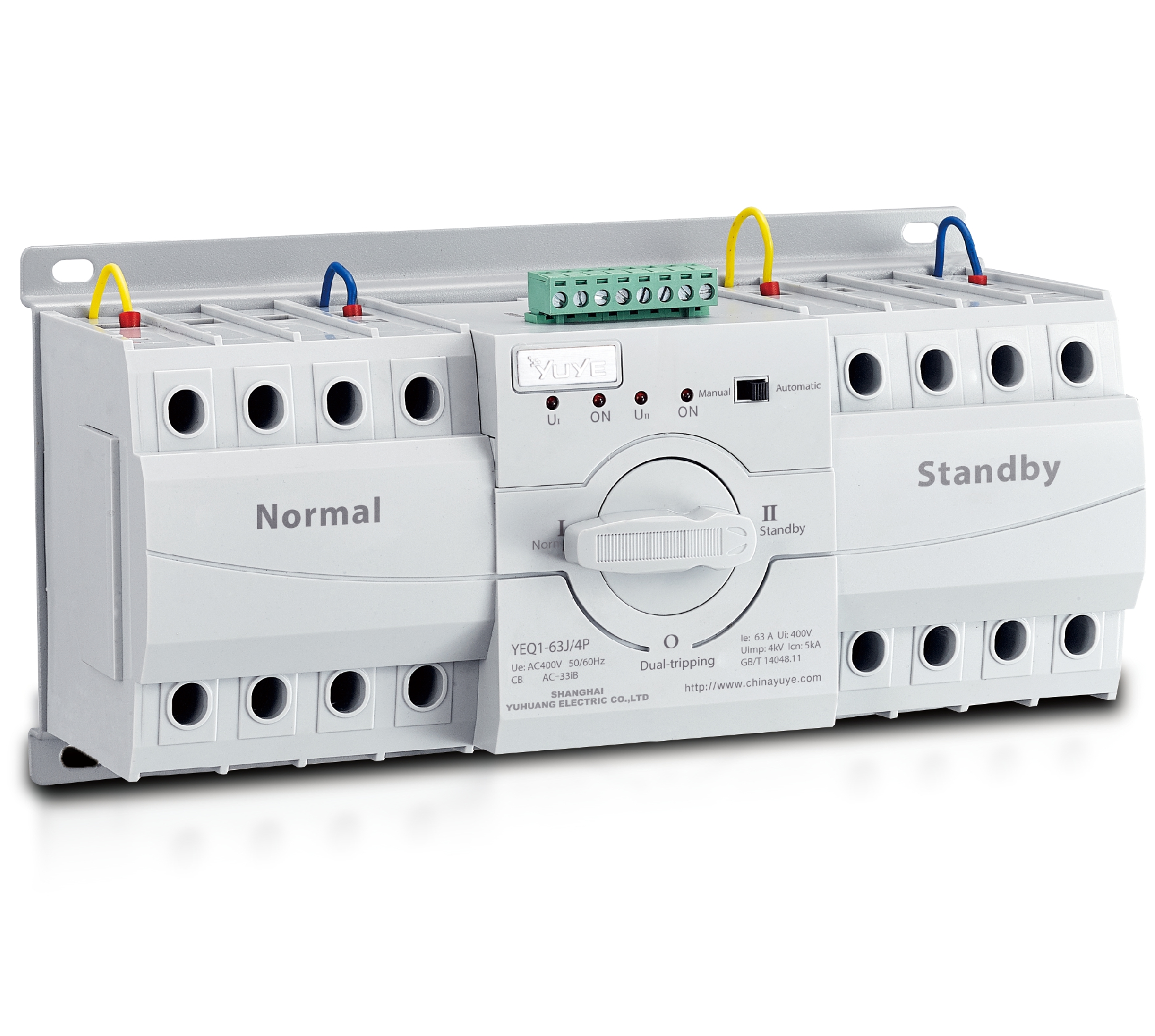 CB ATS YEQ1-63J
 CB ATS YEQ2Y-63
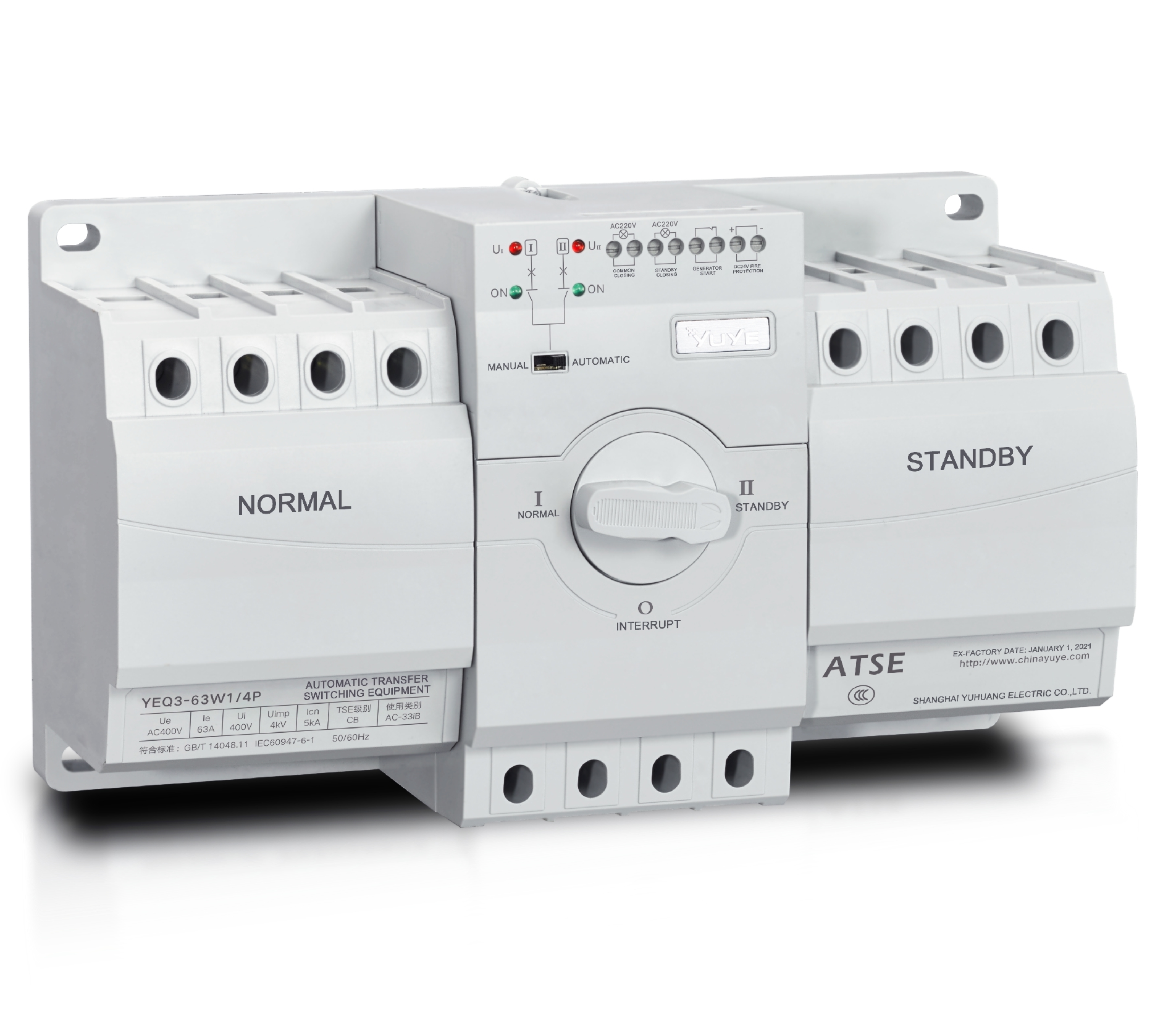 CB ATS YEQ3-63W1
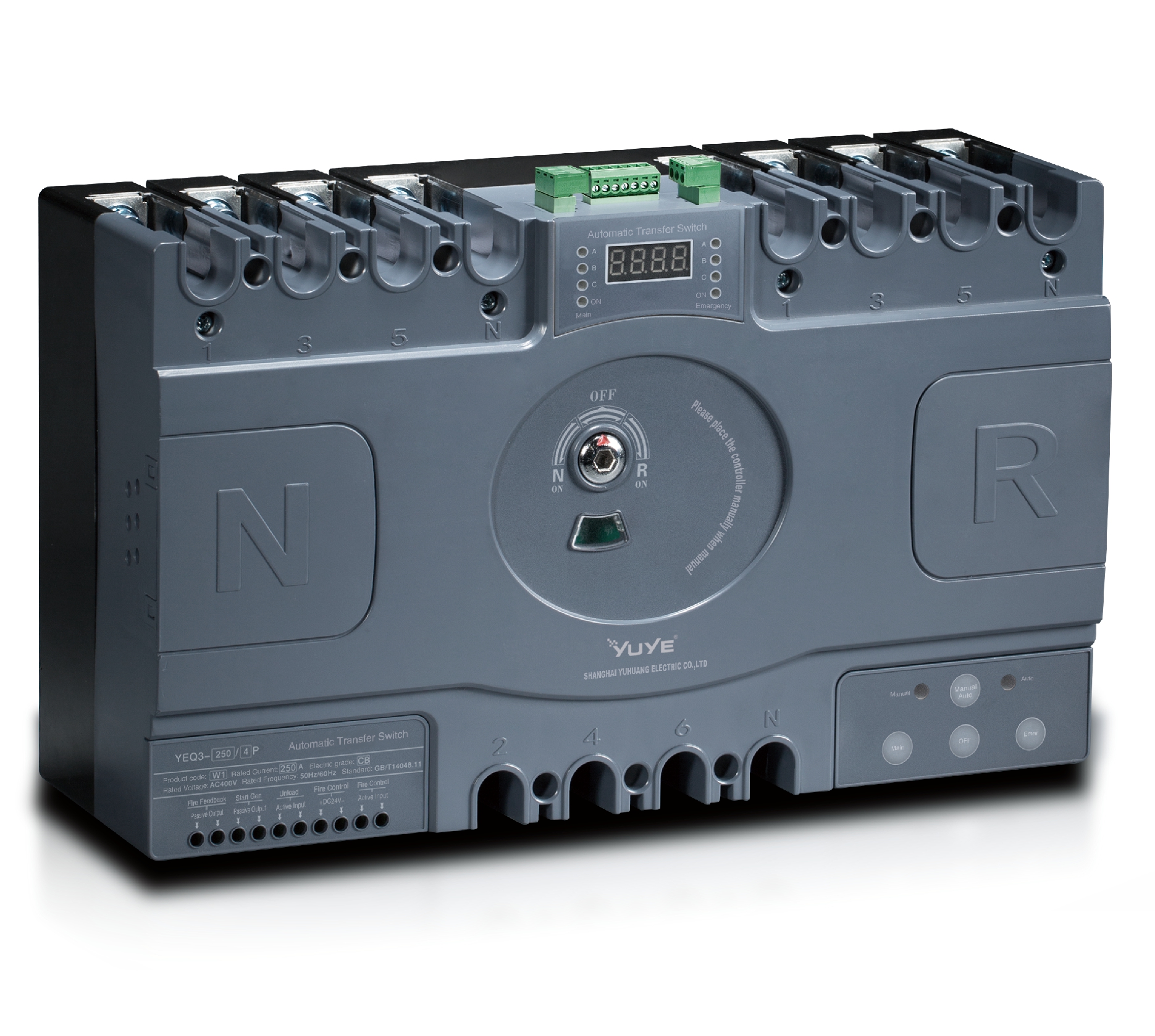 CB ATS YEQ3-125~630W1
 ATS controller Y-700
 ATS Controller Y-700N
 ATS Controller Y-701B
 ATS Controller Y-703N
 ATS Controller Y-800
 ATS Controller W2/W3 Series
 ATS switch Cabinet floor-to-ceiling
 ATS switch cabinet
 JXF-225A power Cbinet
 JXF-800A power Cbinet
 YEM3-125~800 Plastic Shell Type MCCB
 YEM3L-125~630 Leakage Type MCCB
 YEM3Z-125~800 Adjustable Type MCCB
 YEM1-63~1250 Plastic Shell Type MCCB
 YEM1E-100~800 Electronic Type MCCB
 YEM1L-100~630 Leakage Type MCCB
 Miniature circuit breaker YEMA2-6~100
 Miniature circuit breaker YEB1-3~63
 Miniature circuit breaker YEB1LE-3~63
 Miniature circuit breaker YEPN-3~32
 Miniature circuit breaker YEPNLE-3~32
 Miniature circuit breaker YENC-63~125
 Air Circuit Breaker YEW1-2000~6300
 Air Circuit Breaker YEW3-1600
 Load isolation switch YGL-63~3150
 Load Isolation Switch YGL2-63~3150
 Manual Changeover Switch YGL-100~630Z1A
 Manual Changeover Switch YGLZ1-100~3150
 YECPS2-45~125 LCD
 YECPS-45~125 Digital
 CNC Milling/Turning-OEM
 DC relay MDC-300M
 DC Isolation Switch YEGL3D-630
1. Load characteristic and capacity matching analysis
1.1 Load type identification
A detailed analysis of the load type (resistive, inductive, capacitive, or mixed) is conducted. Different types of loads have significant impacts on the current surge, starting characteristics of the ATS. For example, inductive loads such as motor starting will generate a high starting current, requiring the ATS to have stronger overload capacity and shock tolerance; capacitive loads may generate overvoltage during switching, necessitating the ATS to have corresponding protection mechanisms.
1.2 Load importance classification
The importance of the load is classified into primary (such as ICU equipment in hospitals, core servers in data centers), secondary (such as ordinary office equipment, lighting in commercial buildings), and tertiary (such as air conditioners and non-critical equipment). Different levels of importance have different requirements for the ATS in terms of switching time and reliability. Primary loads need to be prioritized for continuous power supply.
2. Switching time and switching mechanism requirements
2.1 Load allowable power-off time analysis
The maximum allowable power-off time for the load is determined based on its characteristics. For example, computer equipment typically allows a shorter power-off time, usually in the millisecond range; while some ordinary lighting equipment allows a longer power-off time.
2.2 Common switching mechanism types and characteristics
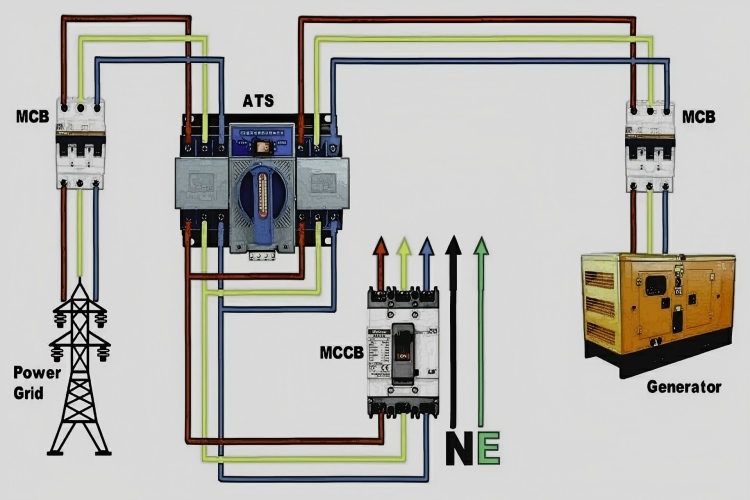
The common switching mechanisms of ATS are introduced, such as PC level (overall type transfer switch) and CB level (circuit breaker type transfer switch). PC level ATS has the characteristics of simple structure, fast switching speed, and high reliability, and is suitable for scenarios with high requirements for switching time; CB level ATS has overload and short-circuit protection functions, but its switching time is relatively longer, suitable for scenarios with higher protection requirements.
2.3 Switching time parameter selection
The key parameters of the ATS, such as total switching time (including opening and closing time) and inherent switching time, are clearly defined and ensured to meet the requirements of the load. At the same time, the synchronization between different power sources is considered. For asynchronous power sources, ATS with asynchronous switching function should be selected.
3. Reliability indicators and maintenance requirements
3.1 Mean Time Between Failures (MTBF)
MTBF is an important indicator for measuring the reliability of ATS. Choosing ATS products with a higher MTBF value can reduce the probability of failures. Understanding the MTBF data provided by manufacturers and conducting an assessment based on actual applications.
3.2 Mechanical life and electrical life
Pay attention to the mechanical life (operation times) and electrical life (load operation times) of ATS. The longer the mechanical life and electrical life, the longer the service life of the ATS, and the lower the maintenance and replacement frequency. Select ATS with sufficient life expectancy based on the expected usage frequency and years.
Source of content references
1. “Low-voltage Switchgear and Control Equipment – Part 6-1: Multi-functional Electrical Appliances – Transfer Switch Appliances” (GB/T 14048.11-2016)
2. “Code for Electrical Design of Civil Buildings” (GB 51348-2019)
3. “Design Code for Power Distribution System” (GB 50052-2009)